Genres
Artists
Albums
Make Music
Sign in
Sign in
Artists
Acoustic Rock
Artists
Acoustic Rock
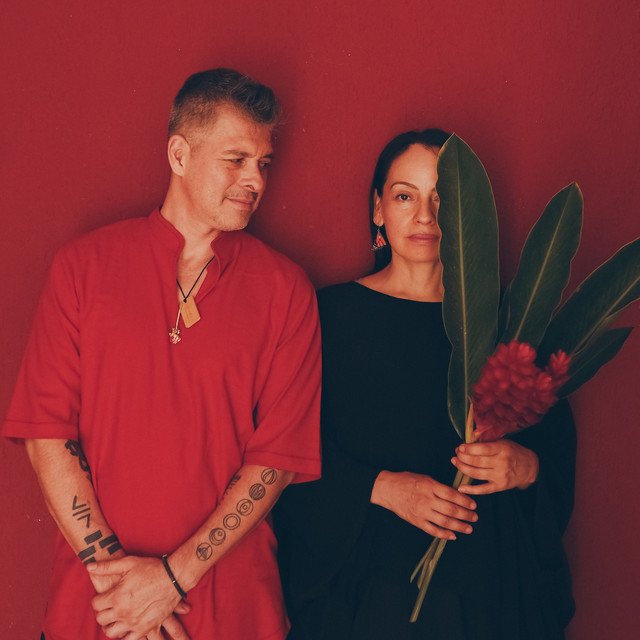
Rodrigo y Gabriela
2002–2023
·
6 albums
Listen
3
/5
Genres
Deep Soundtrack
Deep soundtrack is a modern, cinematic substyle that emphasizes low, immersive textures, slow-moving harmony, and spacious ambience over bombast. It sits at the intersection of ambient music, post-classical scoring, and contemporary film/TV/game underscore, favoring drones, soft pulses, and intimate instruments (piano, strings, analog synths) treated with generous space and subtle sound design. Rather than foregrounding memorable themes or trailer-scale crescendos, deep soundtrack cultivates mood: tense, melancholic, or quietly hopeful. It is designed to sit under narrative, visuals, or concentration—music that breathes, evolves slowly, and suggests emotion without overwhelming it.
Discover
Listen
Flint Sound
Flint sound is a contemporary Michigan rap style centered in Flint, United States. It is characterized by fast, minimal, piano- or organ-led beats, dry and upfront vocals, and bar-by-bar “punch‑in” delivery that often rides slightly ahead of or behind the grid for a conversational, off‑kilter feel. The production typically favors bright piano loops, staccato 808 slides, crisp claps or rimshots, and sparse percussion, leaving plenty of space for relentless punchlines, gritty street reportage, and mischievous humor. While hard-edged and streetwise, the style frequently leans into charismatic personality and wit, making it both aggressive and infectious for dancing.
Discover
Listen
Northern Gothic
Northern gothic is a modern recontextualization of gothic sensibility rooted in the post‑industrial landscapes, politics, and culture of 21st‑century Northern England. It blends post‑punk austerity, industrial and dark ambient textures, hauntological memory work, and stark folk storytelling. The sound often evokes mills, moorland, sea ports, terraces, and cooling towers—spaces marked by deindustrialization—through tape patina, reverberant spaces, modular drones, and vernacular narratives. Compared with classic goth, it is less theatrical and more documentary or folkloric in tone, prioritizing regional specificity, minimalism, and social realism.
Discover
Listen
Bytebeat
Bytebeat is a minimalist form of algorithmic music in which very short computer programs (often a single arithmetic expression) generate raw PCM audio directly. It typically uses 8-bit integer math and a running time counter t to produce harsh, glitchy, melody-like patterns, rhythms, and textures through bitwise operations, shifts, modular arithmetic, and simple integer multiplications. The aesthetic sits between chiptune timbres and noise art: crunchy aliasing, stepping waveforms, and emergent structure arise from extremely compact code. First popularized online in 2011, bytebeat is as much a programming puzzle as it is a musical style, celebrated for revealing how complex musical behaviors can emerge from ultra-simple rules.
Discover
Listen
Doble Paso
Doble paso is a high‑tempo reggaetón variant characterized by running the classic dembow groove at double speed, creating a frenetic, hard‑hitting feel aimed squarely at the dance floor. Compared with standard reggaetón drum patterns (typically around 90–100 BPM), doble paso accelerates the same rhythmic skeleton to roughly 120–140 BPM, often accompanying a club dance of the same name. Producers keep the core syncopation and low‑end punch of reggaetón while tightening hi‑hats, adding denser percussion fills, and favoring short, chant‑like hooks that match the breathless pace. The result is intense, perreo‑ready energy that bridges classic reggaetón, Dominican dembow’s urgency, and club‑forward editing trends.
Discover
Listen
World
World music is a broad, industry-coined umbrella for traditional, folk, and contemporary popular styles from around the globe that fall outside the Anglo-American pop mainstream. The label emerged in the 1980s as a retail and marketing category to group diverse regional musics for international distribution. Musically, it spans acoustic and electric instrumentation; modal, pentatonic, and microtonal pitch systems; and rhythms ranging from cyclical grooves and polyrhythms to asymmetrical meters. While the term can obscure local specificity, it also facilitated cross-cultural collaboration, festivals, and recordings that brought regional genres to wider audiences.
Discover
Listen
Nuevo Flamenco
Nuevo flamenco is a modernized, crossover evolution of traditional Andalusian flamenco that integrates pop, rock, and jazz aesthetics while preserving core flamenco compás (rhythmic cycles), guitar techniques, and cante (vocal) expression. It is marked by the use of flamenco guitar alongside bass, cajón, handclaps (palmas), saxophone or flute, keyboards, and drum kit, yielding a more contemporary, often radio-friendly sound. Harmonically, it blends Phrygian/Phrygian dominant colors and modal cadences with jazz-inspired extensions and pop progressions. Rhythmically, nuevo flamenco favors accessible palos like rumba (and tangos), while still drawing energy from bulerías and other 12-beat cycles. Its production commonly embraces studio polish, global grooves, and melodic hooks, making it a gateway for international audiences into the flamenco tradition.
Discover
Listen
Acoustic Rock
Acoustic rock is a style of rock music built primarily around acoustic instruments—especially steel‑string acoustic guitars—while retaining rock’s song forms, rhythmic drive, and hook‑oriented choruses. Compared with folk or traditional singer‑songwriter material, acoustic rock tends to use stronger backbeats (often played with light drums or hand percussion), more prominent bass movement, and dynamic, chorus‑centric arrangements. The result is a warm, wood‑toned timbre with the energy and structures of rock, but without the distortion and heaviness typical of electric guitar‑led styles. The genre spans intimate solo performances to full‑band “unplugged” settings, often featuring strummed open chords, fingerstyle passages, vocal harmonies, and occasional alternate tunings or capo use to shape color and register.
Discover
Listen
Folk Rock
Folk rock is a fusion genre that blends the narrative lyricism, modal melodies, and acoustic timbres of traditional folk with the backbeat, amplification, and song structures of rock. It typically pairs acoustic or traditional instruments (acoustic guitar, mandolin, fiddle) with a rock rhythm section (electric guitar, bass, drums), often featuring chiming 12‑string guitar textures, close vocal harmonies, and socially conscious or storytelling lyrics. The result ranges from intimate, reflective ballads with a steady backbeat to more anthemic, roots‑driven rock. Emerging in the mid‑1960s through artists such as Bob Dylan and The Byrds, folk rock became a gateway for traditional and roots materials to enter mainstream popular music, and it seeded later movements from country rock and Americana to jangle pop and modern indie folk.
Discover
Listen
Rock
Rock is a broad family of popular music centered on amplified instruments, a strong backbeat, and song forms that foreground riffs, choruses, and anthemic hooks. Emerging from mid‑20th‑century American styles like rhythm & blues, country, and gospel-inflected rock and roll, rock quickly expanded in scope—absorbing folk, blues, and psychedelic ideas—while shaping global youth culture. Core sonic markers include electric guitar (often overdriven), electric bass, drum kit emphasizing beats 2 and 4, and emotive lead vocals. Rock songs commonly use verse–chorus structures, blues-derived harmony, and memorable melodic motifs, ranging from intimate ballads to high‑energy, stadium‑sized performances.
Discover
Listen
Instrumental Rock
Instrumental rock is a branch of rock music in which the featured melodies and hooks are carried by instruments—most famously the electric guitar—rather than a lead singer. Emerging in the late 1950s, it emphasizes memorable riffs, strong rhythmic backbeats, and distinctive guitar tones (twang, tremolo picking, and spring reverb), often supported by bass, drums, and sometimes organ or saxophone. It ranges from raw, riff-driven singles to more sophisticated, jazz-tinged or studio-crafted pieces. While closely associated with early surf sounds, instrumental rock is broader, encompassing twangy rock-and-roll, R&B-rooted combo instrumentals, and later virtuoso guitar showcases.
Discover
Listen
Latin
Latin (as a genre label) is a broad umbrella used by the recording industry to categorize popular music rooted in Latin America, the Caribbean, and the Iberian world, often characterized by syncopated Afro-diasporic rhythms, dance-forward grooves, and lyrics primarily in Spanish or Portuguese. As a marketplace category that took shape in the mid-20th century United States, it gathers diverse traditions—Afro-Cuban, Brazilian, Mexican, and Caribbean styles—into a shared space. In practice, "Latin" spans everything from big-band mambo and bolero ballads to contemporary pop, rock, hip hop, and dance fusions produced by artists of Latin American heritage.
Discover
Listen
Folk
Folk is a song-centered acoustic tradition rooted in community storytelling, everyday life, and social history. It emphasizes clear melodies, simple harmonies, and lyrics that foreground narrative, protest, and personal testimony. As a modern recorded genre, folk coalesced in the early-to-mid 20th century in the United States out of older ballad, work song, and rural dance traditions. It typically features acoustic instruments (guitar, banjo, fiddle, mandolin, harmonica), strophic song forms, and participatory singing (choruses, call-and-response).
Discover
Listen
Tango
Tango is a song-and-dance music from the Río de la Plata region, crystallizing in Buenos Aires (Argentina) and Montevideo (Uruguay) in the late 19th century. It is characterized by a melancholic, dramatic tone; richly expressive melodies; and a distinctive rhythmic feel rooted in the habanera and milonga. Core ensembles feature bandoneón, violin(s), piano, double bass, and sometimes guitar, forming the famed orquesta típica. Across the 1920s–1950s it became a worldwide craze, moving from rough immigrant bars to grand salons and radio, developing highly sophisticated arranging and performance practices. Lyrics often employ lunfardo (Buenos Aires slang) and dwell on urban nostalgia, love, betrayal, and the neighborhood (el barrio). Note on terminology: in flamenco, “tangos” is a distinct palo (song form) with a lively 4/4 compás, often in A Phrygian, closely related in feeling to rumba flamenca. Although it shares the name and a spirited character, flamenco tangos is a different tradition from the Río de la Plata tango described above.
Discover
Listen
Flamenco
Flamenco is a highly expressive musical and dance tradition from Andalusia that combines cante (song), toque (guitar), baile (dance), palmas (handclaps), and jaleo (shouts of encouragement). It is characterized by intricate rhythmic cycles called compás, intense vocal melismas with ornamental micro-inflections, and guitar techniques such as rasgueado, picado, alzapúa, golpe, and tremolo. Harmonically it often centers on the Phrygian mode and the Andalusian cadence (iv–III–II–I), creating a dramatic tension that complements the emotional depth of the lyrics, which frequently explore themes of love, loss, pride, and fate. Flamenco is organized into palos (forms) such as soleá, bulería, alegrías, seguiriyas, tientos/tangos, fandangos, tarantas, and rumba, each defined by its compás, mood, and traditional melodic/harmonic vocabulary.
Discover
Listen
Spanish Music
Spanish music is an umbrella term for the diverse musical traditions and popular styles that originate in Spain. It spans folkloric and regional idioms (such as flamenco, sevillanas, jota, and Galician, Basque, and Catalan song), urban popular genres (copla, pasodoble, pop, rock), and a rich classical tradition (zarzuela and concert music) shaped by Iberian history. Its sound world is marked by the legacy of Al‑Andalus and the Mediterranean: modal melodies (especially the Phrygian/"Andalusian" color), melismatic singing, intricate clapping (palmas), expressive guitar techniques, castanets, and dance-driven rhythms. At the same time, Spain’s sacred and courtly repertoires (medieval chant, Renaissance and Baroque polyphony) underpin a broader art‑music lineage that culminates in national classical styles of the 19th and 20th centuries. Today the term covers both heritage practices (flamenco cante jondo, regional dances) and contemporary fusions (flamenco pop/urbano, indie, and rock), reflecting Spain’s multilingual cultures and ongoing dialogue with Europe, the Mediterranean, and Latin America.
Discover
Listen
Iberian Music
Iberian music is an umbrella term for the intertwined musical traditions of Spain and Portugal, shaped over centuries by Mediterranean, North African, and European currents. It spans sacred chant and courtly song, rural dance traditions, fado and flamenco, art music inspired by folk idioms, and contemporary fusions. At its core are distinctive rhythmic cycles (such as flamenco compás), modal colors (notably the Phrygian cadence and Hijaz-like inflections), and poetic themes ranging from duende’s raw intensity to fado’s saudade. Guitars (Spanish and Portuguese), clapping (palmas), cajón, castanets, and regional instruments (gaita galega, bandurria, Portuguese guitarra) are central timbral markers. As a cultural matrix rather than a single style, Iberian music both preserves local identities—Andalusian, Galician, Catalan, Alentejano—and continually reinvents itself in dialogue with classical composition, jazz, rock, and electronic music.
Discover
Listen
Show all 17 genres
Albums
2023
2
/5
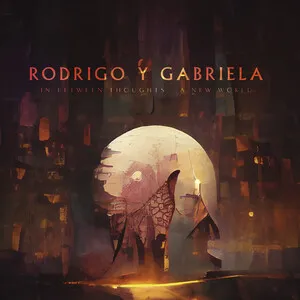
In Between Thoughts... A New World
Rodrigo y Gabriela
Nuevo Flamenco
Flamenco
Instrumental Rock
2014
1
/5
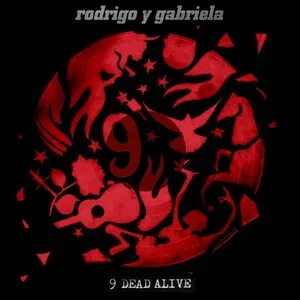
9 Dead Alive
Rodrigo y Gabriela
Nuevo Flamenco
Folk
Latin
2012
1
/5
Area 52
Rodrigo y Gabriela & C.U.B.A.
Nuevo Flamenco
Latin
Rock
2009
2
/5
11:11
Rodrigo y Gabriela
Acoustic Rock
Nuevo Flamenco
Flamenco
2006
1
/5
Rodrigo y Gabriela
Rodrigo y Gabriela
Acoustic Rock
Nuevo Flamenco
Flamenco
2002
1
/5
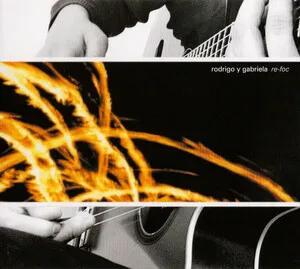
Re-foc
Rodrigo y Gabriela
Nuevo Flamenco
Latin
Rock
Similar artists
1
/5
Various Artists
Afro-Funk
Alternative Rock
Ambient
5
/5
ROSALÍA
Latin
Flamenco
Neoperreo
3
/5
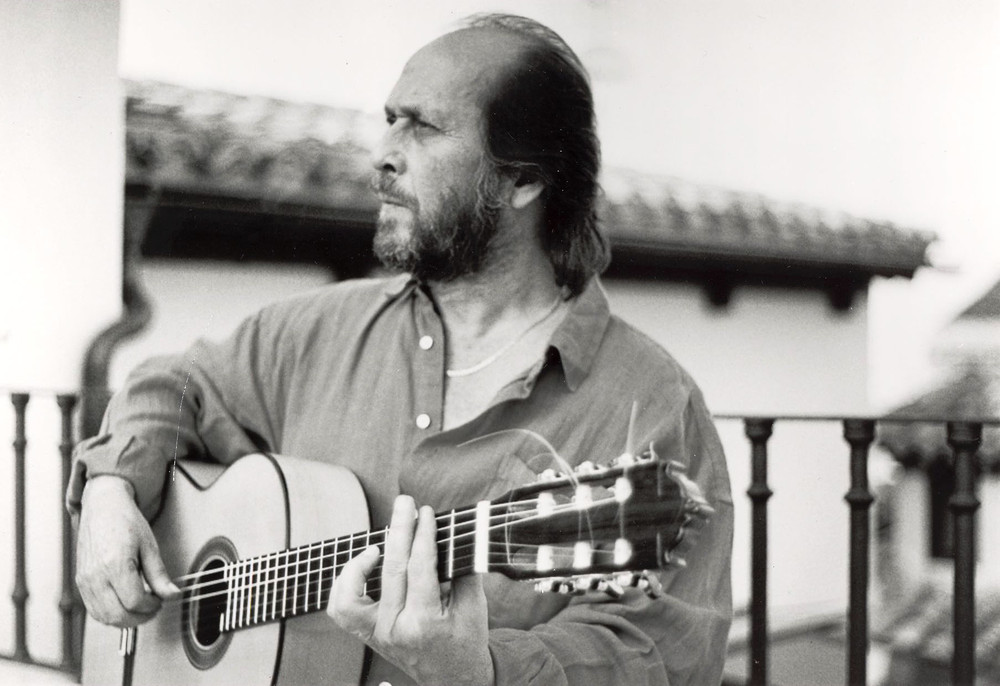
Paco de Lucía
Flamenco
Iberian Music
Spanish Music
5
/5
Alejandro Sanz
Latin Pop
Latin
Cantautor
3
/5
Kiko Veneno
Flamenco
Flamenco Pop
Rock Andaluz
3
/5
John McLaughlin
Flamenco
Jazz
Jazz Fusion
3
/5
Al Di Meola
Flamenco Jazz
Flamenco
Jazz
5
/5
Juan Gabriel
Bolero
Mariachi
Canción Melódica
2
/5
Lole Y Manuel
Flamenco
Flamenco Pop
Iberian Music
1
/5
Pedro Iturralde
Flamenco
Flamenco Jazz
Hispanic Music
Download our mobile app
Get the Melodigging app and start digging for new genres on the go
Download on the App Store
Get it on Google Play
© 2026 Melodigging
Give feedback
Legal
Melodding was created as a tribute to
Every Noise at Once
, which inspired us to help curious minds keep digging into music's ever-evolving genres.