Genres
Artists
Albums
Make Music
Sign in
Sign in
Artists
Flamenco
Artists
Flamenco
John McLaughlin
1971–2014
·
4 albums
Listen
3
/5
Genres
Indian Indie
Indian indie is the umbrella for independent, non-film music made in India across languages such as Hindi, English, and numerous regional tongues. It is defined more by its DIY production and artist-led release model than by a single sound. Musically, it spans indie pop and rock, folk-fusion, singer‑songwriter ballads, dream‑pop/shoegaze textures, and electronic‑leaning productions. Artists often blend Western harmony and song forms with raga‑tinged melodies, Indian rhythmic feels, and occasional use of traditional instruments like tabla, bansuri, or sitar. The scene grew rapidly with college festivals, small venues, and digital platforms (YouTube, streaming services, Bandcamp), plus boutique labels and festivals such as NH7 Weekender that created national visibility. Lyrically, it tends to be intimate and contemporary—touching on romance, urban life, identity, and nostalgia—while maintaining accessible hooks and warm, organic sonics.
Discover
Listen
Shimmer Psych
Shimmer psych is a contemporary strand of neo‑psychedelia that pairs sparkling, chorus‑washed guitars and gauzy vocal harmonies with dreamy pop songcraft. It emphasizes high‑end "shimmer," tape‑soft saturation, hypnagogic textures, and melodic hooks, sitting between dream pop, jangle pop, and classic psychedelic rock. Typical tracks are mid‑tempo, built on warm bass lines, gentle motorik or laid‑back breakbeats, and drenched in reverb, phaser, and delay. The result is sun‑bleached, nostalgic, and kaleidoscopic rather than heavy or jam‑oriented.
Discover
Listen
Contemporary Post-Bop
Contemporary post-bop is a modern continuation of the post-bop language, balancing the harmonic sophistication of bebop and hard bop with modal harmony, free-jazz openness, and updated rhythmic concepts. It typically favors small acoustic ensembles (saxophone or trumpet-led groups with piano, double bass, and drums), although guitar often substitutes or augments the piano in many groups. Compared with classic post-bop of the 1960s, contemporary post-bop embraces broader metric variety (odd meters, mixed meter, and polyrhythms), more flexible forms, and a wider palette of timbres. The writing often features original compositions with memorable heads, extended harmonies, motivic development, and space for improvisation that can move fluidly from inside playing to harmonically “outside” lines. The aesthetic ranges from straight-ahead swing to straight-eighth textures, with influences from ECM-style lyricism, modern classical voicings, and contemporary groove-oriented feels. The result is music that sounds rooted in the jazz tradition yet distinctly current in touch and tone.
Discover
Listen
Nuevo Flamenco
Nuevo flamenco is a modernized, crossover evolution of traditional Andalusian flamenco that integrates pop, rock, and jazz aesthetics while preserving core flamenco compás (rhythmic cycles), guitar techniques, and cante (vocal) expression. It is marked by the use of flamenco guitar alongside bass, cajón, handclaps (palmas), saxophone or flute, keyboards, and drum kit, yielding a more contemporary, often radio-friendly sound. Harmonically, it blends Phrygian/Phrygian dominant colors and modal cadences with jazz-inspired extensions and pop progressions. Rhythmically, nuevo flamenco favors accessible palos like rumba (and tangos), while still drawing energy from bulerías and other 12-beat cycles. Its production commonly embraces studio polish, global grooves, and melodic hooks, making it a gateway for international audiences into the flamenco tradition.
Discover
Listen
World Fusion
World fusion is a broad, exploratory approach that blends musical traditions from different cultures with contemporary forms such as jazz, rock, ambient, and electronic music. Rather than being tied to a single folk lineage, it privileges hybrid instrumentation, modal and rhythmic vocabularies from around the globe, and collaborative performance practices. Compared with the more pop-oriented worldbeat, world fusion tends to be more improvisational, texture-driven, and studio- or ensemble-focused. It commonly juxtaposes instruments like oud, kora, sitar, tabla, duduk, and frame drums with electric guitar, synthesizers, and jazz rhythm sections, often emphasizing modal harmony, drones, polyrhythms, and odd meters.
Discover
Listen
Jazz Fusion
Jazz fusion (often simply called "fusion") blends the improvisational language and harmonic richness of jazz with the amplified instruments, grooves, and song forms of rock, funk, and R&B. It typically features electric guitars, electric bass or fretless bass, Rhodes electric piano, clavinet, analog and digital synthesizers, and a drum kit playing backbeat- and syncopation-heavy patterns. Hallmarks include extended chords and modal harmony, complex and shifting meters, brisk unison lines, virtuosic improvisation, and a production aesthetic that embraces effects processing and studio craft. The style ranges from fiery, aggressive workouts to polished, atmospheric textures, often within the same piece. Emerging in the late 1960s and flourishing through the 1970s, jazz fusion became a bridge between jazz audiences and rock/funk listeners, shaping later styles such as jazz-funk, smooth jazz, nu jazz, and parts of progressive and technical rock/metal.
Discover
Listen
Flamenco Jazz
Flamenco jazz is a fusion style that blends the rhythmic cycles, guitar techniques, and vocal melismas of flamenco with the harmony, improvisation, and ensemble language of modern jazz. It typically features flamenco guitar (rasgueado, picado, alzapúa), palmas (handclaps), and cajón alongside piano, saxophone, bass, and drum set. Harmonically it mixes the Phrygian/Phrygian-dominant colors and Andalusian cadence of flamenco with jazz extensions, reharmonization, and modal or bebop-derived lines. The result ranges from driving bulerías and tangos in 4/4 or 12-beat compás to spacious, lyrical soleá-inspired pieces with jazz counterpoint and solo choruses.
Discover
Listen
Acid Rock
Acid rock is a heavier, louder, and more improvisation-driven branch of psychedelic rock that emerged in the mid-to-late 1960s. It is characterized by extended guitar solos, distorted and feedback-laden textures, modal or drone-based harmony, and a strong emphasis on trance-inducing grooves. The style was closely tied to the counterculture and LSD-fueled happenings of the era, particularly on the U.S. West Coast. Musically, it blends blues-rock’s grit, garage rock’s raw energy, folk-rock’s modal harmonies, and raga-influenced drones, then amplifies everything—volume, duration, and intensity—into hypnotic, often explosive performances.
Discover
Listen
Indo Jazz
Indo jazz is a cross-cultural fusion that blends the melodic and rhythmic frameworks of Indian classical music with the improvisational language, ensemble formats, and harmonic vocabulary of jazz. Pioneered in mid-1960s London by the Indo‑Jazz Fusions projects of saxophonist Joe Harriott and composer‑violinist John Mayer, the style typically marries raga-based melodies, drone textures, and tala time cycles with jazz head–solo–head forms, modal harmony, and interactive improvisation. The palette often includes saxophone, piano, double bass, and drum set alongside tabla, sitar or violin, bansuri, and tanpura. The result is music that can be serene and meditative yet rhythmically intricate, moving fluidly between swing and straight feels while respecting the raga’s pitch set and ornamentation (meend, gamak, and microtonal inflections).
Discover
Listen
Spiritual Jazz
Spiritual jazz is a strand of modern jazz that seeks transcendence through sound, blending free improvisation, modal frameworks, and non‑Western musical concepts to evoke the sacred, the cosmic, and the ecstatic. It often features long, open forms; drones and pedal points; polyrhythmic percussion; and timbres associated with ritual or meditation (harp, flutes, bells, tanpura). Melodic language leans toward modes and scales from African, Middle Eastern, and South Asian traditions alongside blues inflection. The mood can shift from contemplative prayer to cathartic release, and vocal elements may include chants, mantras, spoken word, or invocations aligned with spiritual or philosophical themes.
Discover
Listen
Progressive Rock
Progressive rock is a rock subgenre that expands the genre’s formal, harmonic, and conceptual boundaries. It favors long-form compositions, intricate arrangements, and virtuosic musicianship, often drawing on Western classical, jazz, folk, and psychedelic idioms. Typical hallmarks include multi-part suites, shifting time signatures, extended instrumental passages, recurring motifs, and concept albums that present unified themes or narratives. The sound palette commonly features electric guitar, bass, and drums alongside an array of keyboards (Hammond organ, Mellotron, Moog/ARP synthesizers, piano), woodwinds or brass, and occasional orchestral additions. Lyrics often explore science fiction, mythology, philosophy, social commentary, and introspective themes.
Discover
Listen
Psychedelic Rock
Psychedelic rock is a style of rock music that seeks to evoke, simulate, and expand altered states of consciousness through sound. It typically features timbral experimentation (fuzz, wah, tape delay, phasing), drones, modal or raga-influenced harmony, extended improvisation, studio-as-instrument production, and surreal, mystical, or mind-expanding lyrics. Emerging from mid-1960s counterculture, it fused garage-band energy with folk, blues, and non-Western musical ideas—especially Indian classical ragas—while embracing new studio technologies and concert light shows. Both a live and a studio art, psychedelic rock ranges from jangly, kaleidoscopic pop to heavy, hypnotic jams and cosmic soundscapes.
Discover
Listen
Rock
Rock is a broad family of popular music centered on amplified instruments, a strong backbeat, and song forms that foreground riffs, choruses, and anthemic hooks. Emerging from mid‑20th‑century American styles like rhythm & blues, country, and gospel-inflected rock and roll, rock quickly expanded in scope—absorbing folk, blues, and psychedelic ideas—while shaping global youth culture. Core sonic markers include electric guitar (often overdriven), electric bass, drum kit emphasizing beats 2 and 4, and emotive lead vocals. Rock songs commonly use verse–chorus structures, blues-derived harmony, and memorable melodic motifs, ranging from intimate ballads to high‑energy, stadium‑sized performances.
Discover
Listen
Jazz
Jazz is an improvisation-centered music tradition that emerged from African American communities in the early 20th century. It blends blues feeling, ragtime syncopation, European harmonic practice, and brass band instrumentation into a flexible, conversational art. Defining features include swing rhythm (a triplet-based pulse), call-and-response phrasing, blue notes, and extended harmonies built on 7ths, 9ths, 11ths, and 13ths. Jazz is as much a way of making music—spontaneous interaction, variation, and personal sound—as it is a set of forms and tunes. Across its history, jazz has continually hybridized, from New Orleans ensembles and big-band swing to bebop, cool and hard bop, modal and free jazz, fusion, and contemporary cross-genre experiments. Its influence permeates global popular and art music.
Discover
Listen
Flamenco
Flamenco is a highly expressive musical and dance tradition from Andalusia that combines cante (song), toque (guitar), baile (dance), palmas (handclaps), and jaleo (shouts of encouragement). It is characterized by intricate rhythmic cycles called compás, intense vocal melismas with ornamental micro-inflections, and guitar techniques such as rasgueado, picado, alzapúa, golpe, and tremolo. Harmonically it often centers on the Phrygian mode and the Andalusian cadence (iv–III–II–I), creating a dramatic tension that complements the emotional depth of the lyrics, which frequently explore themes of love, loss, pride, and fate. Flamenco is organized into palos (forms) such as soleá, bulería, alegrías, seguiriyas, tientos/tangos, fandangos, tarantas, and rumba, each defined by its compás, mood, and traditional melodic/harmonic vocabulary.
Discover
Listen
Iberian Music
Iberian music is an umbrella term for the intertwined musical traditions of Spain and Portugal, shaped over centuries by Mediterranean, North African, and European currents. It spans sacred chant and courtly song, rural dance traditions, fado and flamenco, art music inspired by folk idioms, and contemporary fusions. At its core are distinctive rhythmic cycles (such as flamenco compás), modal colors (notably the Phrygian cadence and Hijaz-like inflections), and poetic themes ranging from duende’s raw intensity to fado’s saudade. Guitars (Spanish and Portuguese), clapping (palmas), cajón, castanets, and regional instruments (gaita galega, bandurria, Portuguese guitarra) are central timbral markers. As a cultural matrix rather than a single style, Iberian music both preserves local identities—Andalusian, Galician, Catalan, Alentejano—and continually reinvents itself in dialogue with classical composition, jazz, rock, and electronic music.
Discover
Listen
Spanish Music
Spanish music is an umbrella term for the diverse musical traditions and popular styles that originate in Spain. It spans folkloric and regional idioms (such as flamenco, sevillanas, jota, and Galician, Basque, and Catalan song), urban popular genres (copla, pasodoble, pop, rock), and a rich classical tradition (zarzuela and concert music) shaped by Iberian history. Its sound world is marked by the legacy of Al‑Andalus and the Mediterranean: modal melodies (especially the Phrygian/"Andalusian" color), melismatic singing, intricate clapping (palmas), expressive guitar techniques, castanets, and dance-driven rhythms. At the same time, Spain’s sacred and courtly repertoires (medieval chant, Renaissance and Baroque polyphony) underpin a broader art‑music lineage that culminates in national classical styles of the 19th and 20th centuries. Today the term covers both heritage practices (flamenco cante jondo, regional dances) and contemporary fusions (flamenco pop/urbano, indie, and rock), reflecting Spain’s multilingual cultures and ongoing dialogue with Europe, the Mediterranean, and Latin America.
Discover
Listen
Indian Classical
Indian classical music (Shastriya Sangeet / Mārga Sangeet) is the art-music tradition of the Indian subcontinent, organized around melodic frameworks called raga and cyclical meters called tala. It has two major streams: Hindustani music in the North, which foregrounds extended improvisation and raga exploration, and Carnatic music in the South, which is composition-centric with structured but highly sophisticated improvisation. A related eastern tradition is Odissi (from present-day Odisha), whose classical lineage spans roughly two millennia. Despite regional distinctions, these systems share common theoretical roots, performance aesthetics, and a spiritual-philosophical view of music as a vehicle for rasa (embodied aesthetic emotion).
Discover
Listen
Show all 18 genres
Albums
2014
1
/5
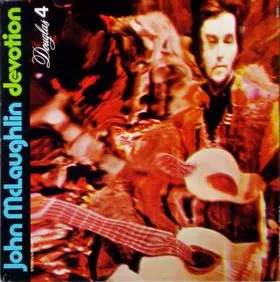
Devotion
John McLaughlin
Acid Rock
1996
1
/5
The Guitar Trio
Paco de Lucía, Al Di Meola & John McLaughlin
Flamenco Jazz
Nuevo Flamenco
Flamenco
1983
2
/5
Passion Grace & Fire
John McLaughlin, Al Di Meola & Paco de Lucía
Flamenco Jazz
Nuevo Flamenco
Flamenco
1971
2
/5
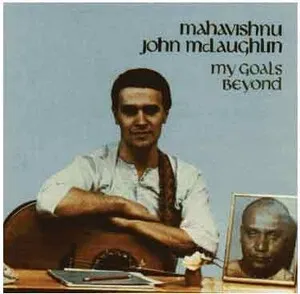
My Goal's Beyond
Mahavishnu John McLaughlin
Indo Jazz
Indian Classical
Jazz Fusion
Similar artists
3
/5
Al Di Meola
Flamenco Jazz
Flamenco
Jazz
3
/5
Paco de Lucía
Flamenco
Iberian Music
Spanish Music
1
/5
Pedro Iturralde
Flamenco
Flamenco Jazz
Hispanic Music
1
/5
Pedro Iturralde Quintet
Flamenco
Flamenco Jazz
Jazz
2
/5
Larry Coryell
Jazz
Flamenco Jazz
Jazz Fusion
2
/5
Chano Dominguez
Flamenco
Contemporary Jazz
Flamenco Jazz
1
/5
Various Artists
Afro-Funk
Alternative Rock
Ambient
3
/5
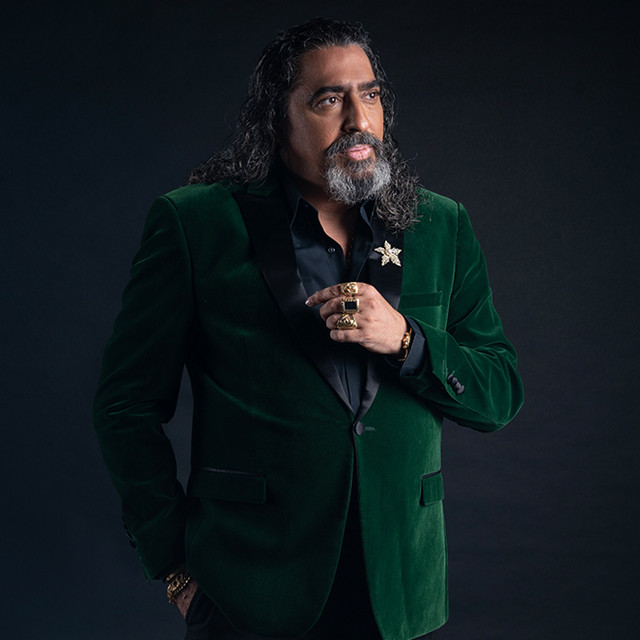
Diego El Cigala
Flamenco
Tango
Bolero
3
/5
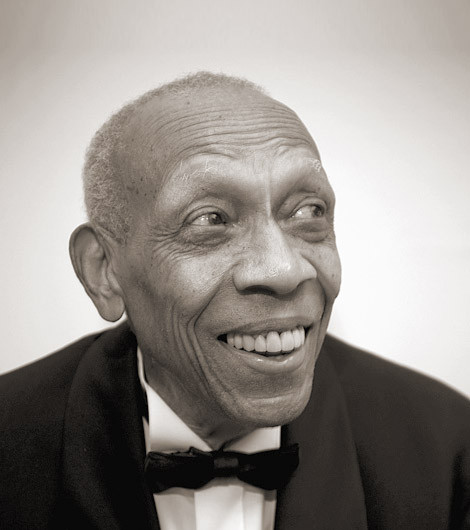
Bebo Valdés
Flamenco
Bolero
Chachachá
2
/5
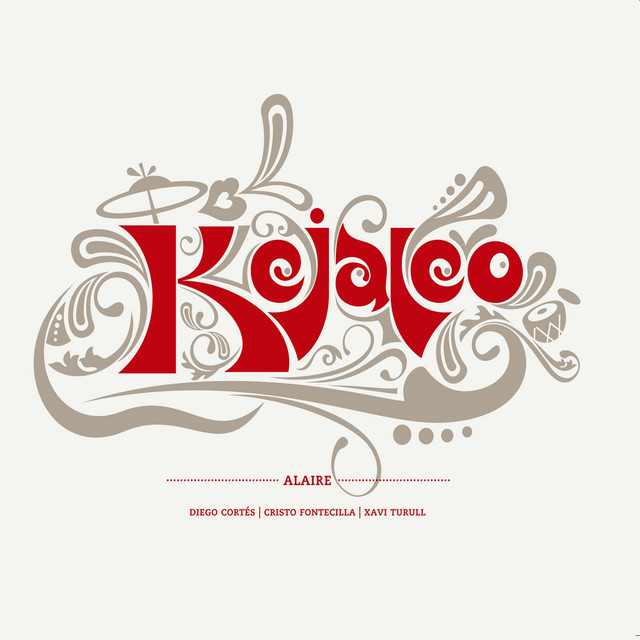
Kejaleo
Flamenco
Flamenco Jazz
Jazz
Download our mobile app
Get the Melodigging app and start digging for new genres on the go
Download on the App Store
Get it on Google Play
© 2026 Melodigging
Give feedback
Legal
Melodding was created as a tribute to
Every Noise at Once
, which inspired us to help curious minds keep digging into music's ever-evolving genres.