Genres
Artists
Albums
Make Music
Sign in
Sign in
Artists
Piedmont Blues
Artists
Piedmont Blues
Rev. Gary Davis
1987–1999
·
5 albums
Listen
2
/5
Genres
Northern Gothic
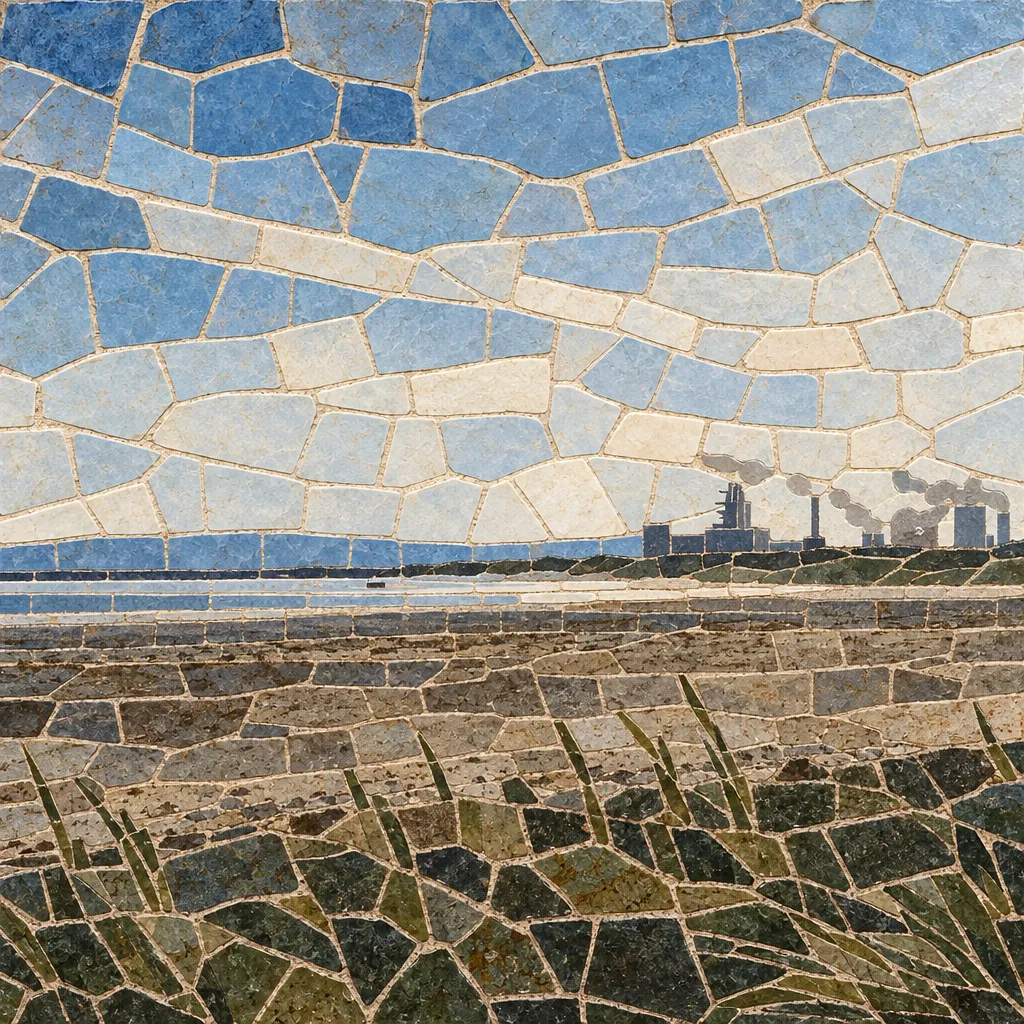
Northern gothic is a modern recontextualization of gothic sensibility rooted in the post‑industrial landscapes, politics, and culture of 21st‑century Northern England. It blends post‑punk austerity, industrial and dark ambient textures, hauntological memory work, and stark folk storytelling. The sound often evokes mills, moorland, sea ports, terraces, and cooling towers—spaces marked by deindustrialization—through tape patina, reverberant spaces, modular drones, and vernacular narratives. Compared with classic goth, it is less theatrical and more documentary or folkloric in tone, prioritizing regional specificity, minimalism, and social realism.
Discover
Listen
Southern Americana
Southern Americana is a regional strain of Americana rooted in the musical vernacular of the U.S. South. It blends songwriting-first aesthetics with the organic textures of country, folk, and blues, and the swagger of Southern rock. Typical recordings feature warm, lived‑in tones: Telecasters and acoustic guitars alongside pedal steel, Hammond organ, fiddle, mandolin, and harmony vocals. Lyrically it is grounded in place—small towns, highways, kudzu, pine line horizons—and in the South’s complicated histories of faith, work, love, and loss. The groove ranges from back‑porch shuffles and waltzes to swampy, slow‑burn rhythms, keeping the focus on stories and melody rather than studio gloss.
Discover
Listen
Black Americana
Black Americana is a contemporary umbrella genre that centers Black artists within the traditions of Americana (roots-based U.S. music such as folk, country, blues, gospel, and soul). It often blends acoustic storytelling and roots instrumentation with Black musical lineages, highlighting themes of migration, labor, faith, resilience, love, and social justice. Rather than a single fixed sound, it is a scene and framing that reconnects “Americana” to its multiracial roots while pushing the style forward with modern production, R&B/soul phrasing, and genre-crossing songwriting.
Discover
Listen
Queer Country
Queer country is a contemporary movement within country and Americana that centers LGBTQ+ voices, stories, and aesthetics while keeping strong ties to classic country songwriting, instrumentation, and vocal styles. Musically, it often draws from traditional country, outlaw country, honky-tonk, and folk-country, but its defining feature is lyrical perspective: songs about queer love, gender expression, chosen family, rural/working-class life, and the tension between tradition and belonging. Rather than being a single fixed sound, queer country is best understood as a scene and cultural re-framing of country music—one that challenges the genre’s historic heteronormativity while celebrating its narrative power and community roots.
Discover
Listen
Southern Gothic
Southern gothic (as a music style) blends American roots idioms—country, folk, blues, gospel, and Southern rock—with the macabre, moral ambiguity, and decaying grandeur associated with the Southern Gothic literary tradition. Its sound is typically dark-hued and intimate: minor-key harmonies, modal drones, and slow-to-mid tempos underpin storytelling about sin and salvation, haunted landscapes, family secrets, and folk religion. Arrangements often feature acoustic guitar, banjo, fiddle, upright bass, pump organ or harmonium, lap/pedal steel, sparse percussion, and baritone or hushed vocals drenched in room reverb. Production tends toward earthy and atmospheric—tape-like saturation, creaking room ambience, and subtle field sounds (cicadas, church bells, train rumbles) that evoke the American South’s heat, humidity, and history.
Discover
Listen
Traditional Black Gospel
Traditional Black Gospel is a sacred African American musical tradition that crystallized in the early 20th century and reached a "golden age" from the 1930s to the 1950s. It pairs blues-inflected melodies and jazz harmonies with congregational call-and-response, handclaps, and testimonies of faith, hope, and deliverance. Rooted in spirituals, ring shouts, hymns, and Holiness-Pentecostal worship, it features powerful lead vocals, responsive choirs or quartets, and driving rhythmic feels (often 12/8 shuffle or swung 4/4) supported by piano or Hammond organ, tambourine, and later rhythm sections. The style is performance-centered and participatory: songs intensify through vamping, ad‑libs, modulations, and dynamic swells, transforming devotional texts into communal, ecstatic praise.
Discover
Listen
Country Blues
Country blues—also called rural blues or folk blues—is the earliest widely documented form of the blues, rooted in the everyday music-making of African Americans in the rural American South. It typically features a solo singer accompanying themselves on acoustic guitar, with flexible time, expressive vocal delivery, and abundant use of blue notes. While 12‑bar structures are common, country blues often stretches or compresses measures to fit the lyric, making phrasing elastic and conversational. Regional flavors emerged—Delta (driving, droning thumb bass and slide), Piedmont (ragtime‑inflected fingerpicking), and Texas (looser phrasing and single‑string leads)—but all share storytelling lyrics about work, travel, love, hardship, and spiritual longing.
Discover
Listen
Classic Blues
Classic blues (often called "classic female blues") is the early, urban, theater-bred form of the blues that flourished primarily in the 1920s. It is characterized by powerful lead vocalists—frequently women—fronting small jazz ensembles or a piano accompanist, with arrangements that translated the blues idiom to vaudeville stages and recording studios. Musically it typically uses the 12‑bar blues form, AAB lyric stanzas, swung or shuffle rhythms in 4/4, and prominent use of blue notes (flattened 3rd, 5th, and 7th). The style sits at the crossroads of Southern blues traditions, ragtime and early jazz, and the songcraft and professionalism of vaudeville and Tin Pan Alley. Classic blues differs from country/delta blues by its more formal arrangements, band instrumentation, and theatrical delivery. It launched the commercial “race records” era with Mamie Smith’s 1920 hit "Crazy Blues," and set the template for later jazz and R&B vocal performance.
Discover
Listen
Acoustic Blues
Acoustic blues is a family of blues styles performed on non-amplified instruments, most commonly solo voice with acoustic guitar and, at times, harmonica. It emphasizes raw, intimate timbres; elastic vocal phrasing; and guitar techniques such as fingerpicking, alternating-bass patterns, and bottleneck slide. Rooted in African American folk traditions of the U.S. South, acoustic blues typically favors small-scale, conversational performance practice—call-and-response between voice and guitar, expressive "blue notes," and lyrics in the AAB stanza form. Substyles include Delta blues (driving, slide-heavy), Piedmont blues (ragtime-influenced fingerpicking), and Texas blues (looser, narrative-driven playing).
Discover
Listen
Piedmont Blues
Piedmont blues is an East Coast style of acoustic blues defined first and foremost by its guitar technique. Players use a steady, alternating-thumb bass on the lower strings while the index (and sometimes middle) finger picks syncopated melodies on the treble strings. The resulting texture imitates ragtime or stride piano: a walking/oom‑pah bass underpinning a dancing, off‑beat melody on top. Developed in the southern Appalachian foothills and the broader U.S. East Coast, the style favors clear, song‑like melodies, buoyant rhythms, and a repertoire that ranges from blues and hokum to gospel and dance tunes. Blues researcher Peter B. Lowry coined the term “Piedmont blues,” sharing credit with folklorist Bruce Bastin, to distinguish this ragtime‑based, melodically oriented approach from the more riff‑driven, modal feel of Mississippi Delta blues.
Discover
Listen
Gospel
Gospel is a vocal-centered Christian genre whose lyrics explicitly express faith, salvation, hope, and communal testimony. Performances emphasize expressive lead vocals, choirs, call-and-response, and congregational participation, often supported by piano/organ, handclaps, and a rhythm section. While the modern form coalesced in the early 20th century through urban church music and the work of composer–leaders such as Thomas A. Dorsey, its roots trace back to earlier Christian hymnody and African American sacred traditions. Across cultures and denominations, gospel functions in worship, evangelism, community celebration, and—by the late 20th century—in commercial recordings and concerts. Stylistically, gospel spans traditional quartet and choir styles, “gospel blues,” and contemporary fusions with R&B, soul, pop, and hip hop. What unites these strands are dominant vocals, testimonial lyrics grounded in Scripture and lived experience, and a performance practice designed to move both spirit and body.
Discover
Listen
Blues
Blues is an African American musical tradition defined by expressive "blue notes," call-and-response phrasing, and a characteristic use of dominant-seventh harmony in cyclical song forms (most famously the 12‑bar blues). It is as much a feeling as a form, conveying sorrow, resilience, humor, and hard-won joy. Musically, blues commonly employs the I–IV–V progression, swung or shuffled rhythms, and the AAB lyric stanza. Melodies lean on the minor/major third ambiguity and the flattened fifth and seventh degrees. Core instruments include voice, guitar (acoustic or electric), harmonica, piano, bass, and drums, with slide guitar, bends, and vocal melismas as signature techniques. Over time the blues has diversified into regional and stylistic currents—Delta and Piedmont country blues, urban Chicago and Texas blues, West Coast jump and boogie-woogie—while profoundly shaping jazz, rhythm & blues, rock and roll, soul, funk, and much of modern popular music.
Discover
Listen
Ragtime
Ragtime is an African American–rooted piano style that flourished from the 1890s to the 1910s, characterized by lively syncopation in the right hand against a steady, march-like “oom‑pah” accompaniment in the left hand. Typically written in 2/4 or 4/4 time and notated with straight (unswung) eighth notes, classic rags unfold in multiple 16‑bar strains, often in the form AABBACCDD. The music draws on cakewalk rhythms, marching-band forms, and popular song, and it became a sensation through sheet music, piano rolls, and parlor performance. Scott Joplin, known as the “King of Ragtime,” helped codify the genre’s refined, compositional approach, calling for moderate tempos and a clear, singing melody. Beyond solo piano, ragtime was arranged for small ensembles and orchestras, found a home in vaudeville and dance halls, and laid essential groundwork for early jazz, stride piano, and much of 20th‑century American popular music.
Discover
Listen
American Folk Music
American folk music is a broad family of traditional and vernacular musics that developed in the United States from the 19th century onward, drawing on British Isles balladry, African American spirituals and work songs, Native American traditions, and frontier songs. It is typically acoustic, emphasizing voice and narrative over virtuoso display. Common instruments include acoustic guitar, banjo, fiddle, harmonica, mandolin, dulcimer, and upright bass. Forms are often strophic with repeated refrains, and melodies frequently use pentatonic or modal scales (Mixolydian, Dorian). Lyrical themes range from love, labor, faith, migration, and rural life to topical protest and social justice. Regional styles—such as Appalachian ballads and string-band music, cowboy songs of the West, maritime shanties of New England, Cajun and Creole influences in Louisiana, and Midwestern and Southwestern dance tunes—sit under the umbrella of American folk, which later fed revivals and singer‑songwriter traditions.
Discover
Listen
Show all 14 genres
Albums
1999
1
/5
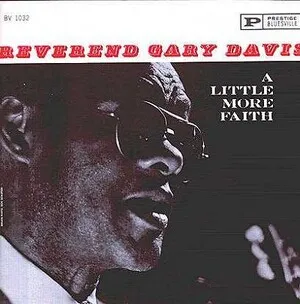
A Little More Faith
Reverend Gary Davis
Piedmont Blues
Gospel
1992
3
/5
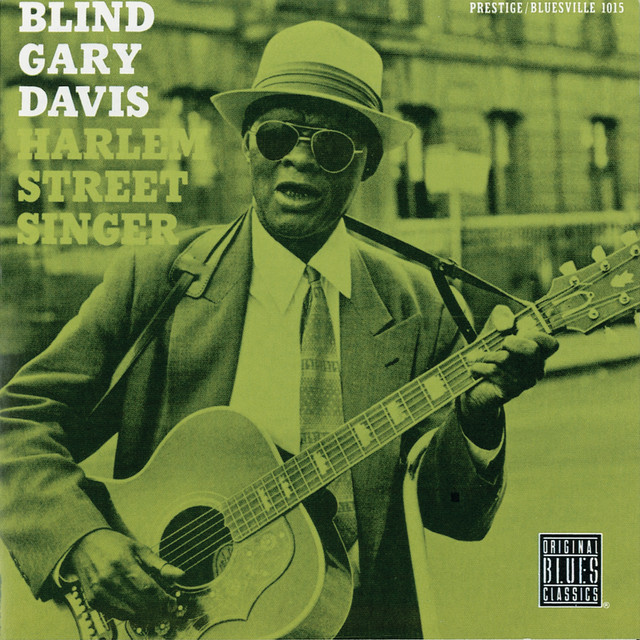
Harlem Street Singer
Blind Gary Davis
Traditional Black Gospel
Gospel
Piedmont Blues
1991
1
/5
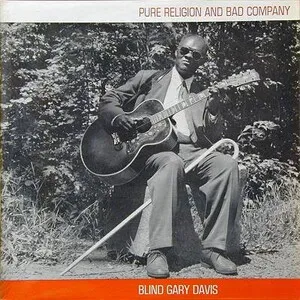
Pure Religion and Bad Company
Blind Gary Davis
Piedmont Blues
Gospel
1990
1
/5
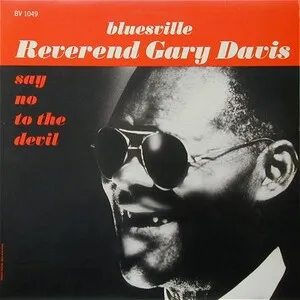
Say No to the Devil
Reverend Gary Davis
Piedmont Blues
Gospel
1987
1
/5
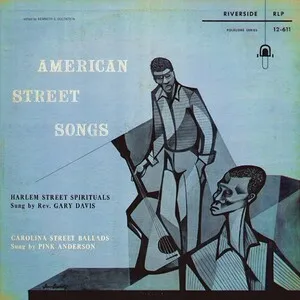
American Street Songs
Rev. Gary Davis / Pink Anderson
Piedmont Blues
Similar artists
1
/5
Various Artists
Afro-Funk
Alternative Rock
Ambient
2
/5
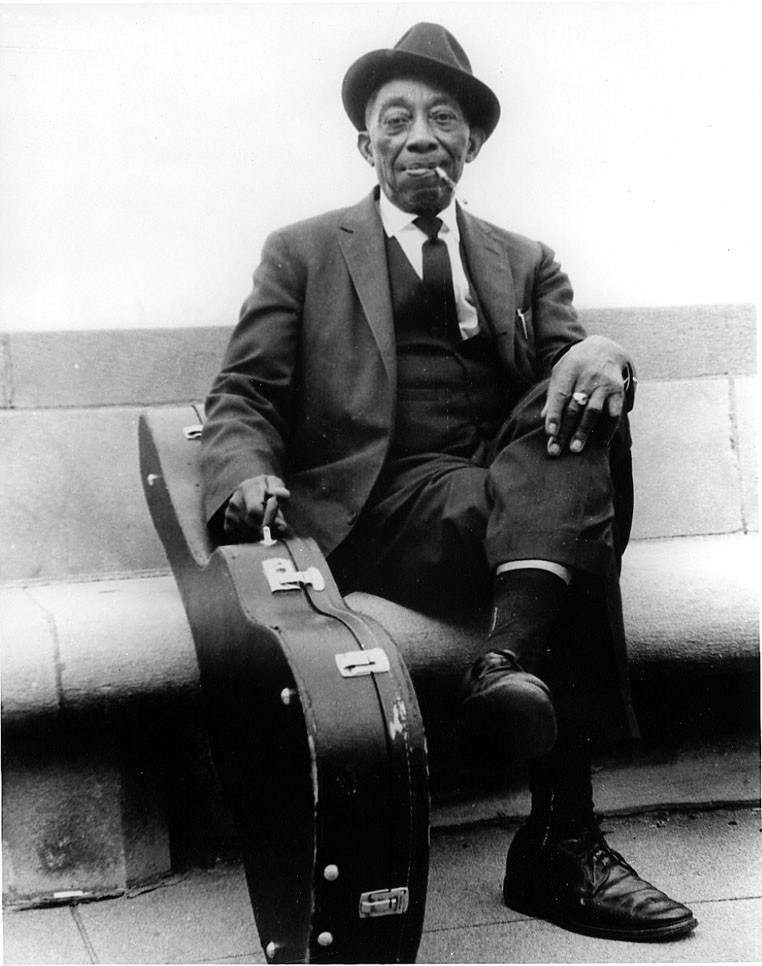
Mississippi John Hurt
Piedmont Blues
Acoustic Blues
Country Blues
2
/5
Blind Willie McTell
Piedmont Blues
Country Blues
Delta Blues
2
/5
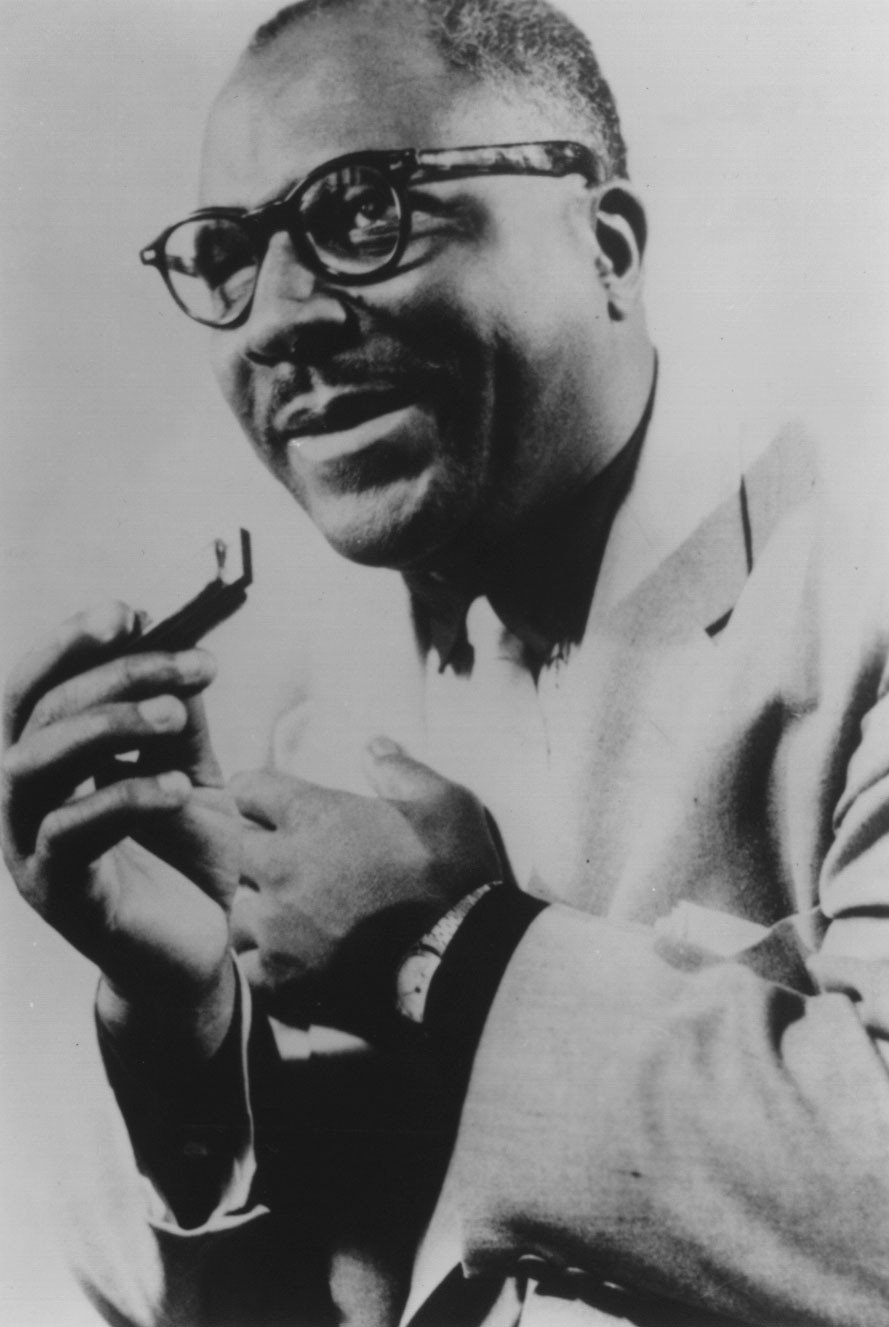
Sonny Terry
Country Blues
Piedmont Blues
Acoustic Blues
2
/5
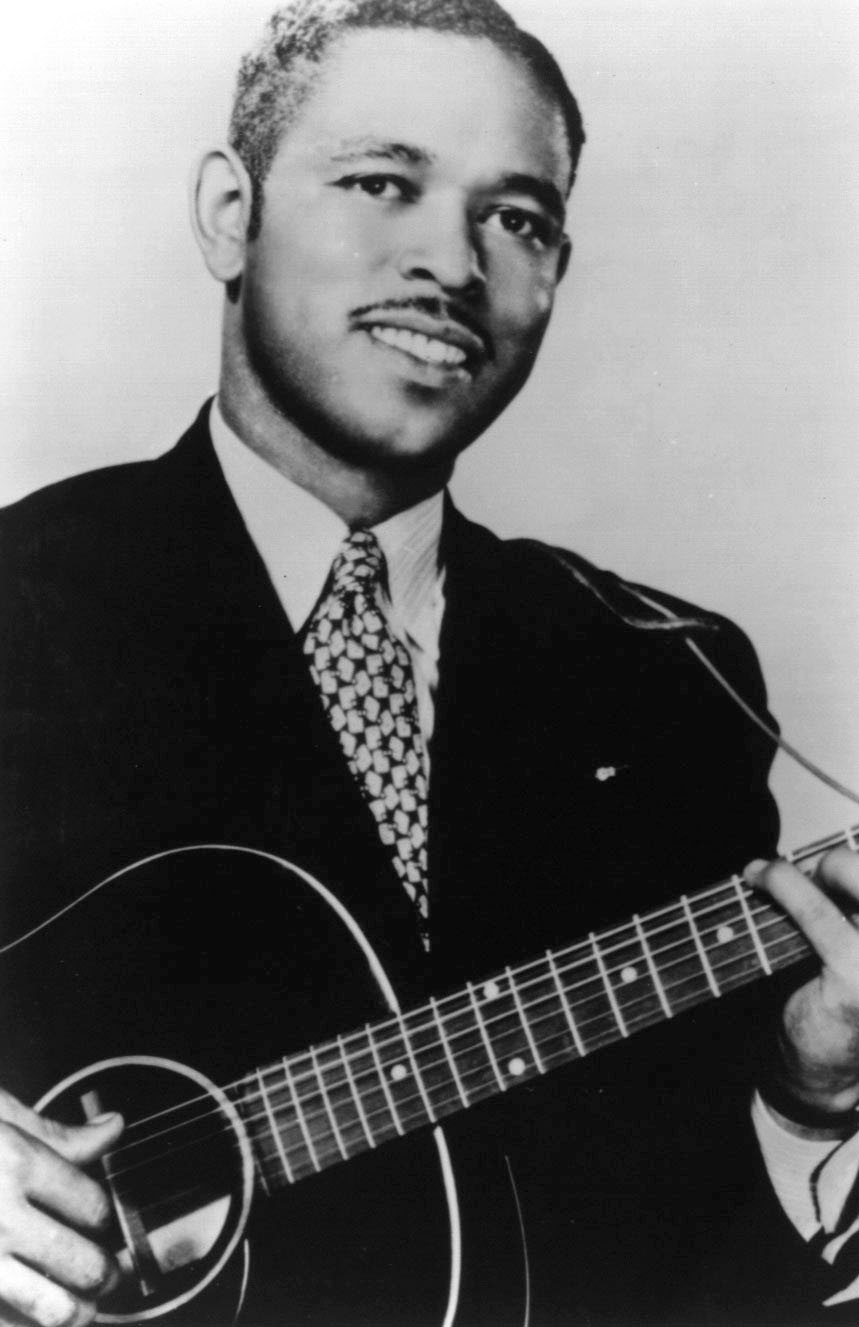
Brownie McGhee
Blues
Country Blues
Piedmont Blues
2
/5
Mississippi Fred McDowell
Country Blues
Delta Blues
Blues
2
/5
Joshua White
Country Blues
Blues
Classic Blues
1
/5
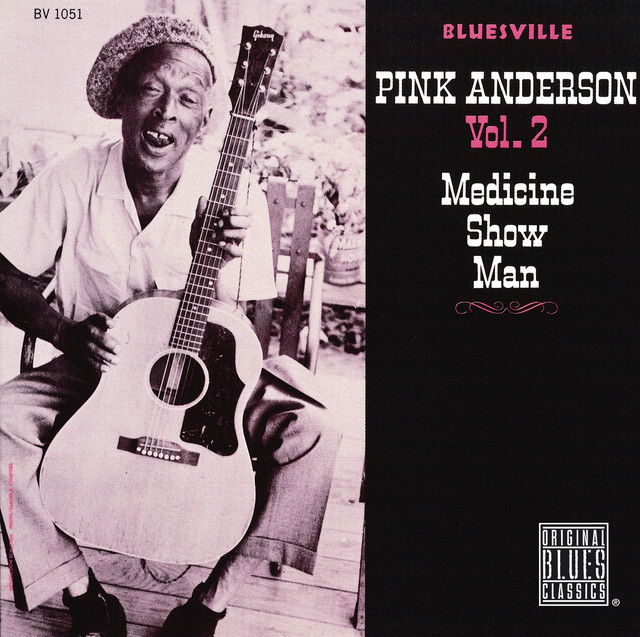
Pink Anderson
Piedmont Blues
Blues
Classic Blues
2
/5
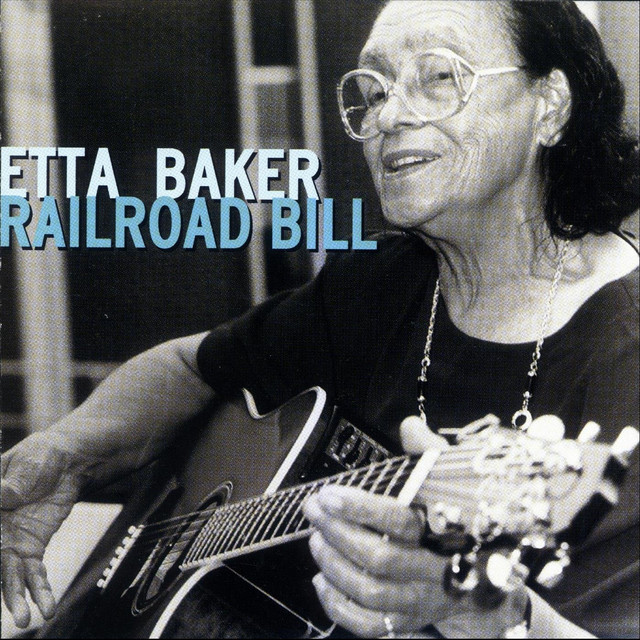
Etta Baker
Appalachian Folk
Piedmont Blues
Blues
2
/5
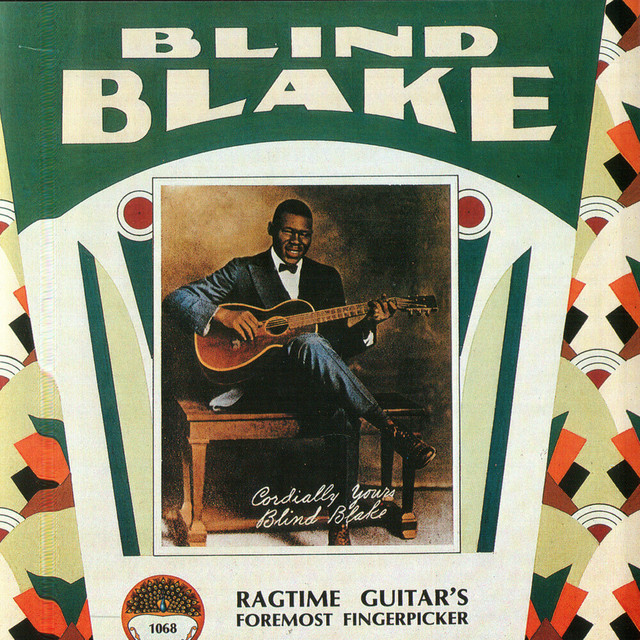
Blind Blake
Blues
Classic Blues
Country Blues
Download our mobile app
Get the Melodigging app and start digging for new genres on the go
Download on the App Store
Get it on Google Play
© 2026 Melodigging
Give feedback
Legal
Melodding was created as a tribute to
Every Noise at Once
, which inspired us to help curious minds keep digging into music's ever-evolving genres.