Genres
Artists
Albums
Make Music
Sign in
Sign in
Artists
Piedmont Blues
Artists
Piedmont Blues
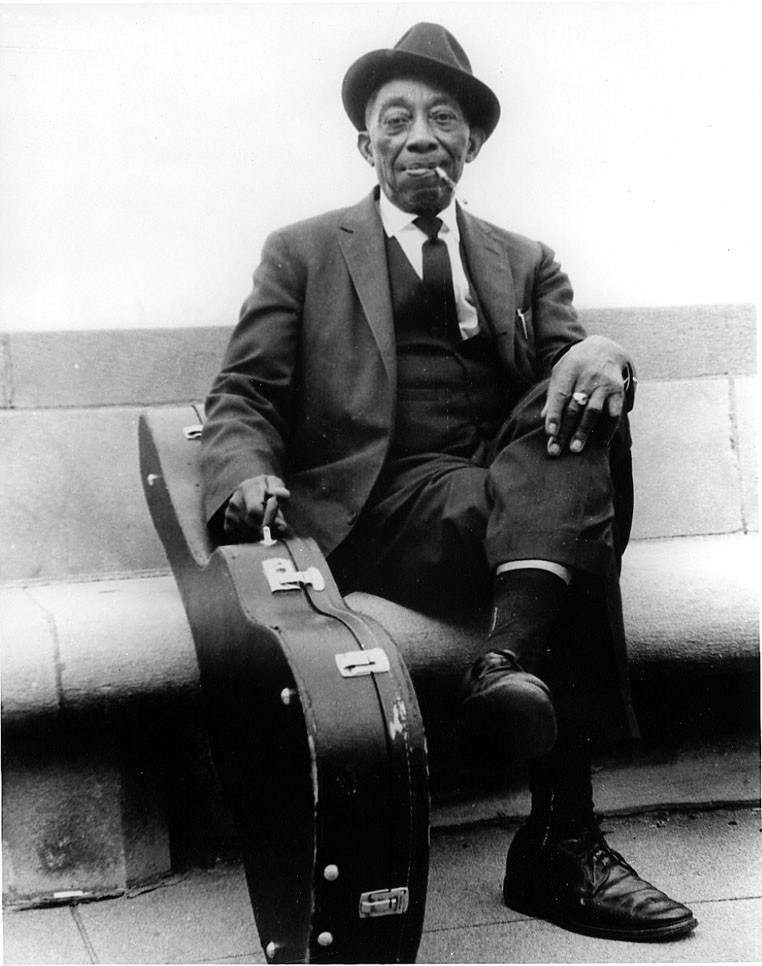
Mississippi John Hurt
1971–2007
·
13 albums
Listen
2
/5
Genres
Deep New Americana
Deep new americana is a contemporary, roots-leaning micro‑scene that blends modern indie production aesthetics with the songcraft, storytelling, and acoustic textures of classic Americana. Compared with broader “new Americana,” the “deep” tag points to music that is earthier, more intimate, and less pop-facing: tube‑warm electric guitars, occasional pedal‑steel swells, fiddle or mandolin color, unhurried grooves, and close-knit vocal harmonies. Lyrics tend to be reflective and narrative, anchored in small details (roads, towns, seasons, family histories) while speaking to present-day anxieties and hopes. The sound favors organic recordings, dynamic performances, and arrangements that leave space for voices and instruments to breathe.
Discover
Listen
Delta Blues
Delta blues is a raw, emotionally direct style of country blues that emerged in the Mississippi Delta—an alluvial plain stretching from Memphis to Vicksburg. It is typically performed by a solo singer accompanying themselves on acoustic guitar, often with bottleneck slide. Hallmarks include expressive, speech-like vocals; flexible, rubato timing; insistent thumb-driven bass patterns; syncopated treble figures; and frequent use of open tunings. Lyrics are vivid and personal, touching on hardship, migration, love, work, spirituality, and folklore. Though commonly framed by 12‑bar and 8‑bar blues forms, Delta blues thrives on elastic phrasing, blue notes, and call-and-response between voice and guitar. Its sound is earthy, gritty, and intimate—music for porches, juke joints, and field gatherings—yet it became one of the most influential sources for electric urban blues and rock.
Discover
Listen
Acoustic Blues
Acoustic blues is a family of blues styles performed on non-amplified instruments, most commonly solo voice with acoustic guitar and, at times, harmonica. It emphasizes raw, intimate timbres; elastic vocal phrasing; and guitar techniques such as fingerpicking, alternating-bass patterns, and bottleneck slide. Rooted in African American folk traditions of the U.S. South, acoustic blues typically favors small-scale, conversational performance practice—call-and-response between voice and guitar, expressive "blue notes," and lyrics in the AAB stanza form. Substyles include Delta blues (driving, slide-heavy), Piedmont blues (ragtime-influenced fingerpicking), and Texas blues (looser, narrative-driven playing).
Discover
Listen
Country Blues
Country blues—also called rural blues or folk blues—is the earliest widely documented form of the blues, rooted in the everyday music-making of African Americans in the rural American South. It typically features a solo singer accompanying themselves on acoustic guitar, with flexible time, expressive vocal delivery, and abundant use of blue notes. While 12‑bar structures are common, country blues often stretches or compresses measures to fit the lyric, making phrasing elastic and conversational. Regional flavors emerged—Delta (driving, droning thumb bass and slide), Piedmont (ragtime‑inflected fingerpicking), and Texas (looser phrasing and single‑string leads)—but all share storytelling lyrics about work, travel, love, hardship, and spiritual longing.
Discover
Listen
Classic Blues
Classic blues (often called "classic female blues") is the early, urban, theater-bred form of the blues that flourished primarily in the 1920s. It is characterized by powerful lead vocalists—frequently women—fronting small jazz ensembles or a piano accompanist, with arrangements that translated the blues idiom to vaudeville stages and recording studios. Musically it typically uses the 12‑bar blues form, AAB lyric stanzas, swung or shuffle rhythms in 4/4, and prominent use of blue notes (flattened 3rd, 5th, and 7th). The style sits at the crossroads of Southern blues traditions, ragtime and early jazz, and the songcraft and professionalism of vaudeville and Tin Pan Alley. Classic blues differs from country/delta blues by its more formal arrangements, band instrumentation, and theatrical delivery. It launched the commercial “race records” era with Mamie Smith’s 1920 hit "Crazy Blues," and set the template for later jazz and R&B vocal performance.
Discover
Listen
Piedmont Blues
Piedmont blues is an East Coast style of acoustic blues defined first and foremost by its guitar technique. Players use a steady, alternating-thumb bass on the lower strings while the index (and sometimes middle) finger picks syncopated melodies on the treble strings. The resulting texture imitates ragtime or stride piano: a walking/oom‑pah bass underpinning a dancing, off‑beat melody on top. Developed in the southern Appalachian foothills and the broader U.S. East Coast, the style favors clear, song‑like melodies, buoyant rhythms, and a repertoire that ranges from blues and hokum to gospel and dance tunes. Blues researcher Peter B. Lowry coined the term “Piedmont blues,” sharing credit with folklorist Bruce Bastin, to distinguish this ragtime‑based, melodically oriented approach from the more riff‑driven, modal feel of Mississippi Delta blues.
Discover
Listen
Blues
Blues is an African American musical tradition defined by expressive "blue notes," call-and-response phrasing, and a characteristic use of dominant-seventh harmony in cyclical song forms (most famously the 12‑bar blues). It is as much a feeling as a form, conveying sorrow, resilience, humor, and hard-won joy. Musically, blues commonly employs the I–IV–V progression, swung or shuffled rhythms, and the AAB lyric stanza. Melodies lean on the minor/major third ambiguity and the flattened fifth and seventh degrees. Core instruments include voice, guitar (acoustic or electric), harmonica, piano, bass, and drums, with slide guitar, bends, and vocal melismas as signature techniques. Over time the blues has diversified into regional and stylistic currents—Delta and Piedmont country blues, urban Chicago and Texas blues, West Coast jump and boogie-woogie—while profoundly shaping jazz, rhythm & blues, rock and roll, soul, funk, and much of modern popular music.
Discover
Listen
Ragtime
Ragtime is an African American–rooted piano style that flourished from the 1890s to the 1910s, characterized by lively syncopation in the right hand against a steady, march-like “oom‑pah” accompaniment in the left hand. Typically written in 2/4 or 4/4 time and notated with straight (unswung) eighth notes, classic rags unfold in multiple 16‑bar strains, often in the form AABBACCDD. The music draws on cakewalk rhythms, marching-band forms, and popular song, and it became a sensation through sheet music, piano rolls, and parlor performance. Scott Joplin, known as the “King of Ragtime,” helped codify the genre’s refined, compositional approach, calling for moderate tempos and a clear, singing melody. Beyond solo piano, ragtime was arranged for small ensembles and orchestras, found a home in vaudeville and dance halls, and laid essential groundwork for early jazz, stride piano, and much of 20th‑century American popular music.
Discover
Listen
American Folk Music
American folk music is a broad family of traditional and vernacular musics that developed in the United States from the 19th century onward, drawing on British Isles balladry, African American spirituals and work songs, Native American traditions, and frontier songs. It is typically acoustic, emphasizing voice and narrative over virtuoso display. Common instruments include acoustic guitar, banjo, fiddle, harmonica, mandolin, dulcimer, and upright bass. Forms are often strophic with repeated refrains, and melodies frequently use pentatonic or modal scales (Mixolydian, Dorian). Lyrical themes range from love, labor, faith, migration, and rural life to topical protest and social justice. Regional styles—such as Appalachian ballads and string-band music, cowboy songs of the West, maritime shanties of New England, Cajun and Creole influences in Louisiana, and Midwestern and Southwestern dance tunes—sit under the umbrella of American folk, which later fed revivals and singer‑songwriter traditions.
Discover
Listen
Traditional Folk
Traditional folk is a broad umbrella for orally transmitted songs and dance tunes that circulated in rural and working-class communities before the age of mass recording. Repertoires include narrative ballads, laments, love songs, work songs, lullabies, and instrumental dance sets such as reels, jigs, hornpipes, and marches. Stylistically, traditional folk favors strophic forms, pentatonic or modal melodies (often Dorian and Mixolydian), limited harmonic movement, and strong, memorable tunes designed for communal singing and dancing. Performances range from unaccompanied solo voice to small ensembles built around fiddle, flute/whistle, pipes, concertina/accordion, guitar, banjo, and frame drum. Ornamentation, variation by verse, and flexible tempo are integral, reflecting an oral tradition where songs live through continual reinterpretation. Although it is pan‑regional, the modern idea of “traditional folk” coalesced in the 19th century through collectors and revivalists who documented vernacular music and framed it as cultural heritage.
Discover
Listen
Northern American Music
Northern American music is an umbrella term for the diverse, syncretic musical traditions that developed across the United States and Canada. It emerged from the interaction of Indigenous musical practices, European settler and immigrant folk and sacred music, and West and Central African rhythmic and vocal traditions brought through the African diaspora. Rather than a single style, it is a landscape of practices—spirituals, work songs, fiddle tunes, shape-note hymnody, blues, jazz, country, gospel, rock and roll, R&B, and hip hop—that share core traits: narrative songwriting, emphasis on groove or backbeat, call-and-response, and a strong culture of performance and improvisation. This plural, hybrid character is the defining feature of Northern American music.
Discover
Listen
Show all 11 genres
Albums
2007
1
/5
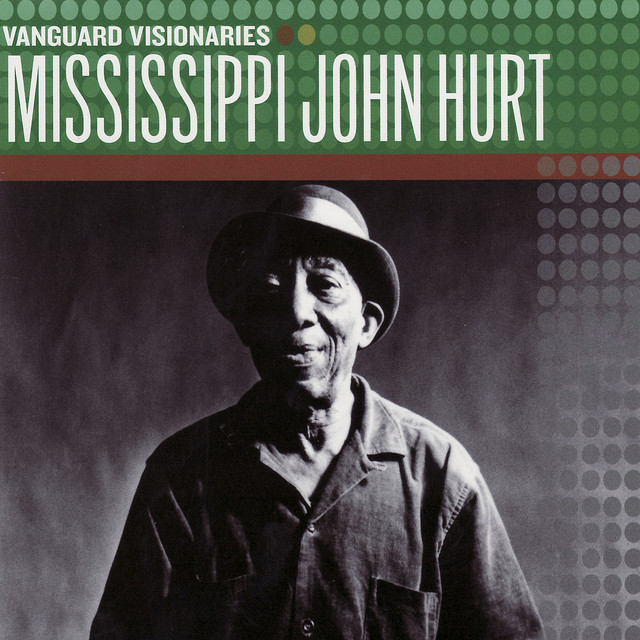
Vanguard Visionaries
Mississippi John Hurt
Piedmont Blues
Delta Blues
2006
2
/5
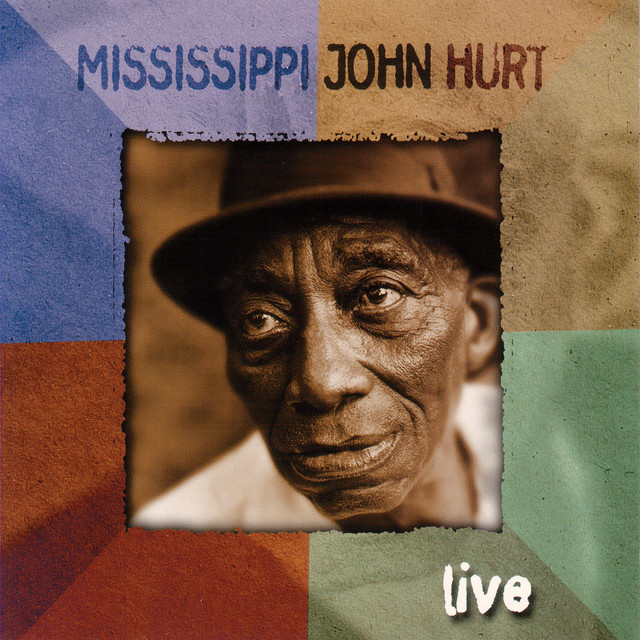
Live
Mississippi John Hurt
Piedmont Blues
2006
2
/5
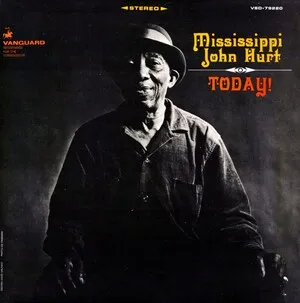
Today!
Mississippi John Hurt
Acoustic Blues
Country Blues
Piedmont Blues
2006
2
/5
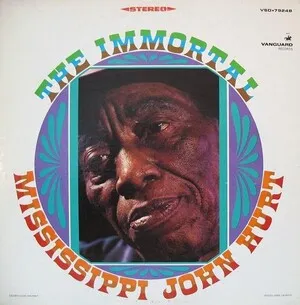
The Immortal
Mississippi John Hurt
Acoustic Blues
Piedmont Blues
Country Blues
2000
2
/5
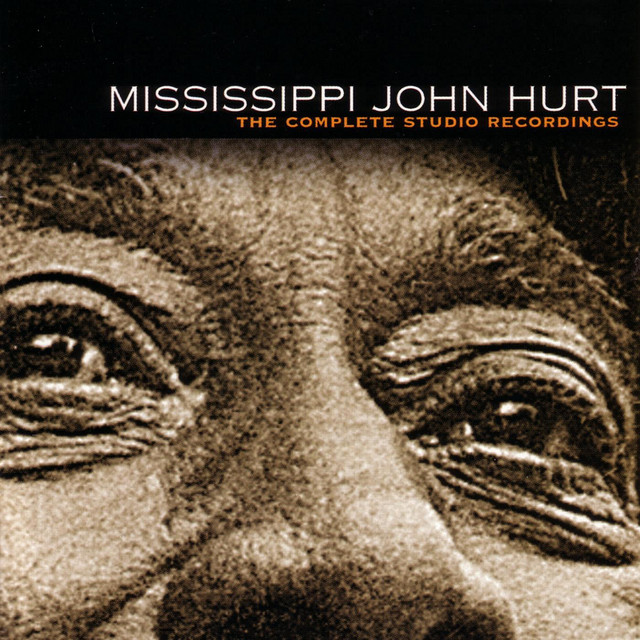
Complete Studio Recordings
Mississippi John Hurt
Piedmont Blues
1998
3
/5
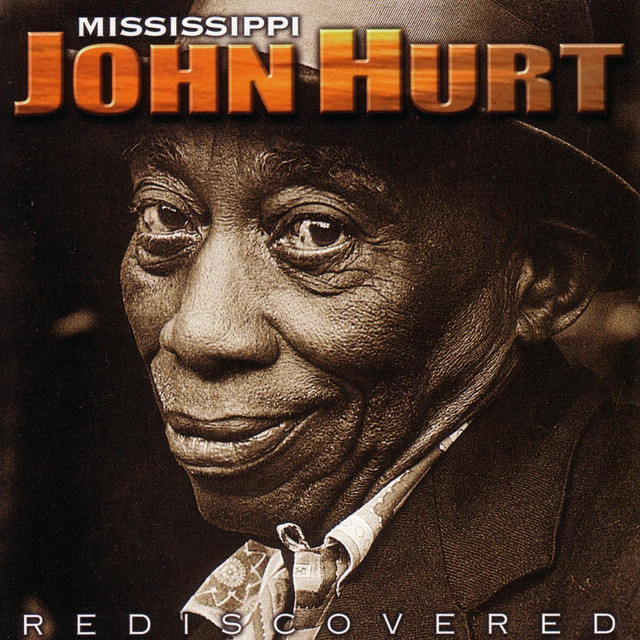
Rediscovered
Mississippi John Hurt
Piedmont Blues
1991
2
/5
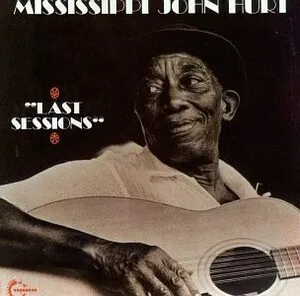
Last Sessions
Mississippi John Hurt
Acoustic Blues
Piedmont Blues
Country Blues
1971
1
/5
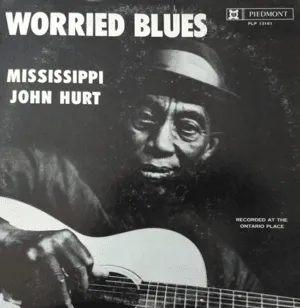
Worried Blues
Mississippi John Hurt
Piedmont Blues
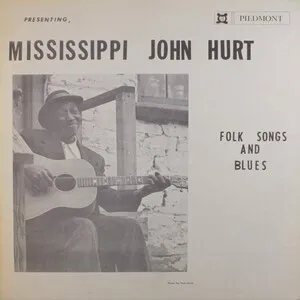
Folk Songs and Blues
Mississippi John Hurt
American Folk Music
Folk Songs and Blues
Mississippi John Hurt
Country Blues
Folk Songs and Blues
Mississippi John Hurt
Acoustic Blues
Folk Songs and Blues
Mississippi John Hurt
Piedmont Blues
Today!
Mississippi John Hurt
Piedmont Blues
Similar artists
2
/5
Blind Willie McTell
Piedmont Blues
Country Blues
Delta Blues
1
/5
Various Artists
Afro-Funk
Alternative Rock
Ambient
3
/5
Junior Kimbrough
Blues
Country Blues
Delta Blues
3
/5
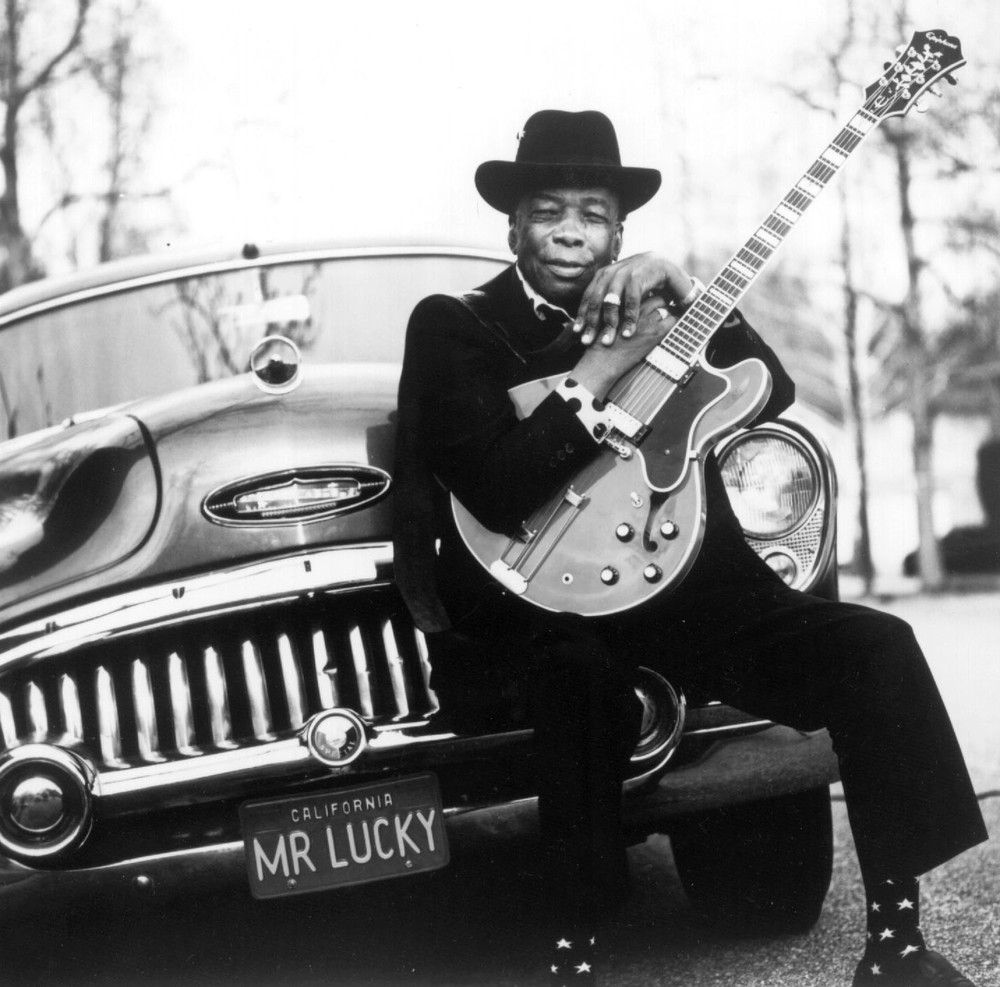
John Lee Hooker
Delta Blues
Blues
Country Blues
2
/5
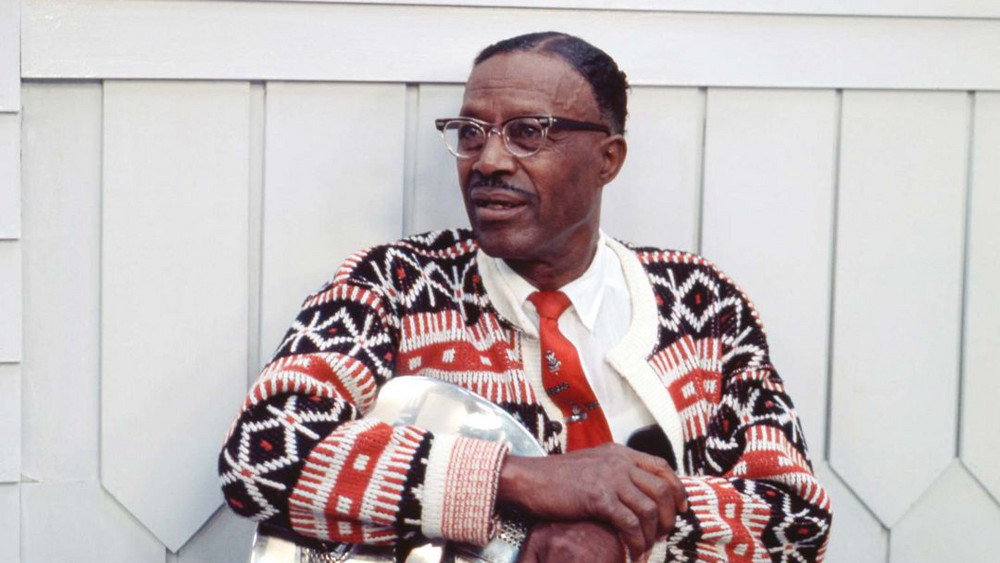
Son House
Delta Blues
Acoustic Blues
Blues
3
/5
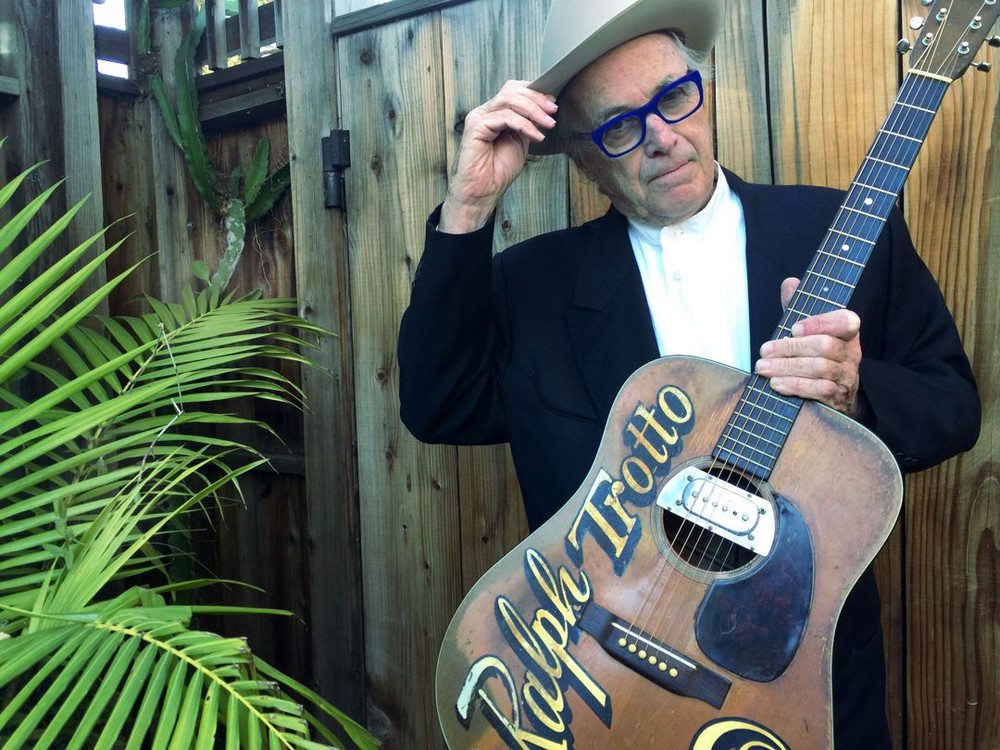
Ry Cooder
Piedmont Blues
Blues
Jazz
2
/5
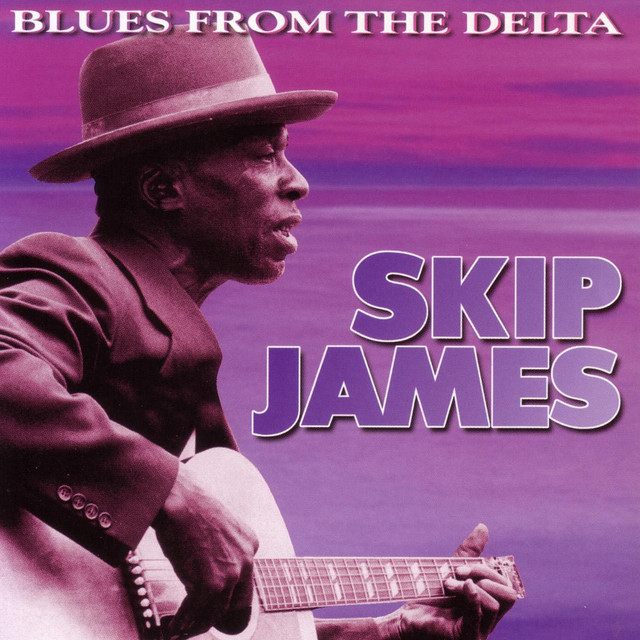
Skip James
Delta Blues
Country Blues
Blues
3
/5
R.L. Burnside
Hill Country Blues
Country Blues
Delta Blues
2
/5
Rev. Gary Davis
Piedmont Blues
Country Blues
Gospel
2
/5
Lead Belly
Blues
Country Blues
Folk
Download our mobile app
Get the Melodigging app and start digging for new genres on the go
Download on the App Store
Get it on Google Play
© 2026 Melodigging
Give feedback
Legal
Melodding was created as a tribute to
Every Noise at Once
, which inspired us to help curious minds keep digging into music's ever-evolving genres.