Genres
Artists
Albums
Make Music
Sign in
Sign in
Artists
J-Pop
Artists
J-Pop
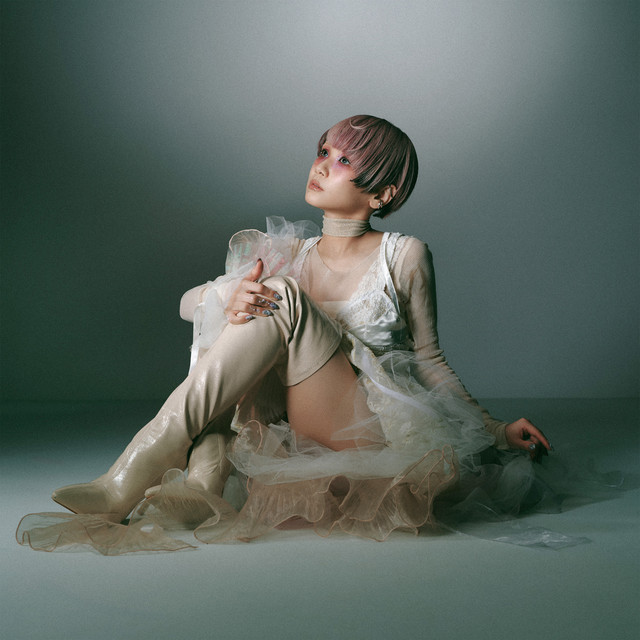
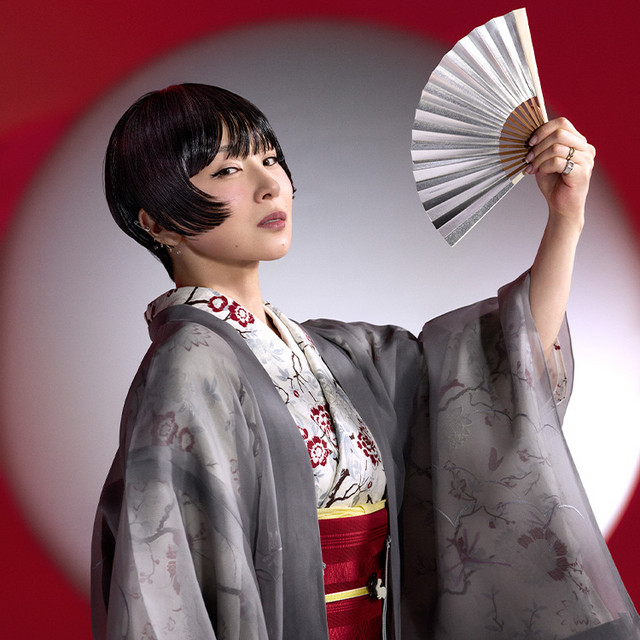
Reol
2020
·
1 album
Listen
3
/5
Genres
Asian Rock
Asian Rock (in the contemporary online-rap sense) is a pluggnb-derived microstyle that fuses the dense, bouncy percussion of pluggnb with bright, anime/Asian-rock-tinged melodic cues. Production typically layers airy bells, mallet or synth plucks, and shimmering pads with soaring synthetic guitar leads that nod to Japanese rock and anime-score aesthetics. Vocals lean melodic—half-sung, half-rapped—with light autotune and emotive hooks, riding swung hi-hats, skipping rimshots, and rubbery 808 slides. Rather than a geographic tag, this style labels a sonic palette: internet-native trap built on pluggnb drums and glossy, nostalgic melodies that evoke anime openings and J-rock guitar heroics.
Discover
Listen
Men Chika
Men chika (メン地下) is the Japanese underground male idol scene, made up of boy groups who perform high-energy J‑pop and dance-pop in small live houses, theaters, and idol events rather than on major mainstream stages. Musically it blends glossy J‑pop songwriting with club-ready EDM/electropop production, punchy hooks built for call-and-response, and chant breaks designed for wotagei/fan MIX participation. Songs commonly feature bright synths, four-on-the-floor or trap-inflected grooves, stacked gang shouts, and key‑change finales. Lyrically the focus is on youth, dreams, devotion, and intimacy with fans—reinforced by close-contact fan practices like cheki (instax photos) and meet-and-greets. Culturally, men chika parallels the long-running “chika idol” (underground idol) movement on the women’s side, but orients to a largely female fanbase and a circuit centered on Tokyo live houses and regional circuits. It is as much a participatory fan culture as it is a sound, shaping how songs are arranged, staged, and monetized.
Discover
Listen
Future Bass
Future bass is a melodic, drop-focused style of electronic dance music built around lush, detuned saw-tooth chords, dramatic swells, and emotive, pop- and R&B-leaning progressions. It typically runs at 70–90 BPM (or 140–180 BPM in double-time), uses trap-inspired drums (808 kicks, crisp snares on the third beat, syncopated hi-hats), and features heavy sidechain compression for a breathing, "pumping" feel. Producers often layer shimmering supersaws, pitch-automated leads, and chopped/pitched vocal snippets to create euphoric, weightless drops that contrast with airy verses and cinematic builds. A hallmark is its glossy, future-leaning sound design—gliding chords, LFO modulation, wide stereo images—paired with catchy, sentimental melodies that make it equally club-ready and radio-friendly.
Discover
Listen
Jirai Kei
Jirai kei is a recent Japanese internet-born pop micro‑genre and aesthetic that blends cute, sugary sounds with darker, obsessive and self‑destructive themes. The term comes from a fashion/aesthetic scene associated with yamikawaii and menhera culture, and in music it describes songs that sound soft and adorable on the surface but conceal lyrics about toxic love, dependency, jealousy, and emotional volatility. Sonically, jirai kei draws from J‑pop and Vocaloid traditions (denpa/picopop brightness, catchy hooks) while adopting modern hyperpop gloss, trap/EDM percussion, and highly edited, youthful vocals. The contrast between childlike, pastel timbres and intense, confessional writing is central to the style, making it both immediately hooky and emotionally sharp—an audio embodiment of “cute but dangerous.”
Discover
Listen
Kawaii Edm
Kawaii EDM is a Japanese-born microgenre of electronic dance music that blends bright, "cute" pop aesthetics with modern club production. It emphasizes sparkling timbres, buoyant melodies, and animated sound design (glissando "chirps," toy-like mallets, chip-bleeps, and airy vocal chops) while keeping EDM’s sidechained punch and dance-floor momentum. Stylistically, it sits at the intersection of J‑pop songwriting and future-bass/EDM frameworks: major or Lydian-leaning harmonies, jazzy 7ths/9ths, catchy hooks, and half‑time drops with supersaw stacks or bell/pluck arpeggios. Visually and culturally, it is inseparable from anime, doujin/otaku culture, and internet netlabel communities, pairing sugar‑rush optimism with a polished, hyper-detailed mix.
Discover
Listen
Otacore
Otacore is a fan-driven, internet-native umbrella for music centered on anime, manga, gaming, and broader otaku culture. Rather than a single strict musical style, it describes a cluster of scenes where pop, electronic, rock, and rap intersect with anime aesthetics, story tropes, and character/fandom references. Typical otacore repertoires include Vocaloid productions, anisong-style pop/rock, high-energy EDM with kawaii sound design, nightcore-style edits, game-inspired chiptune flourishes, and cover cultures (English/Japanese) tied to anime and game franchises. Distribution and discovery are powered by platforms such as Nico Nico Douga, YouTube, SoundCloud, streaming playlists, and later TikTok, where memeability, fan videos (AMVs), and vtuber performances help songs spread globally.
Discover
Listen
J-Division
J-division is a contemporary Japanese media‑mix pop and hip‑hop scene centered on “2.5D” idol projects and voice‑actor (seiyu) character units. Songs are typically credited to fictional characters and performed by their voice actors, fusing glossy J‑pop with EDM drops, trap‑influenced beats, and anison (anime song) theatricality. The “division” idea reflects franchise formats that pit city‑ or team‑based units against one another in story‑driven releases, live events, and stage productions. The sound ranges from bright, dance‑floor J‑pop to cypher‑style rap tracks, often featuring tightly choreographed hooks, stacked harmonies, dramatic key changes, and narrative lyrics that extend a franchise’s worldbuilding.
Discover
Listen
J-Pixie
J‑pixie is a sparkle‑bright corner of contemporary Japanese pop/rock that blends anison (anime song) bombast with idol polish and indie‑rock drive. The “pixie” label hints at the sound’s effervescent, twinkling timbres: high, agile female vocals; glittering synth arpeggios; and punchy guitars that sprint toward cathartic, sky‑punching choruses. Arrangements tend to be compact and cinematic—verse/pre‑chorus/chorus structures with dramatic lifts, halftime-to-double‑time switches, precision drum fills, and frequent late‑song key changes. The overall aesthetic is optimistic and youthful, with lyrics about resolve, friendship, and wonder, often peppered with catchy English hooks. It sits between mainstream J‑Pop, anison, seiyū (voice‑actor) pop, and female‑fronted alt‑rock, making it both playlist‑friendly and tailor‑made for anime tie‑ins and live band settings.
Discover
Listen
Kawaii Future Bass
Kawaii future bass is a Japanese-born microgenre that blends the sidechained, chord-heavy drops of future bass with the cheery melodies, cute sound design, and pop sensibilities of J-pop, anime music, and game-inspired chiptune. It typically features bright supersaw stacks, bell and mallet plucks, high-pitched vocal chops (often from Vocaloid or J-pop/utaite sources), and sugary melodies in major or Lydian modes. Drums follow a half-time trap groove with crisp snares on beat three, while heavy sidechain compression creates a buoyant, bouncy feel. The aesthetic emphasizes “kawaii” (cute) culture—pastel tones, playful samples, and whimsical ear-candy—resulting in upbeat, feel-good tracks that are as much about personality and texture as they are about harmony and rhythm.
Discover
Listen
Chamber Psych
Chamber psych blends the intimate, acoustic instrumentation and careful arrangements of chamber pop with the hazy textures, tape-warm production, and surreal harmonies of psychedelic pop. Expect strings, woodwinds, vibraphone, Mellotron, and harpsichord to sit alongside vintage keyboards, gently motorik drums, and fluttering tape delays. Vocals are often close‑mic’d and breathy, melodies skew wistful or otherworldly, and songs privilege mood and arrangement craft over volume. The result feels simultaneously handcrafted and dreamlike: miniature orchestras scoring psychedelic reveries.
Discover
Listen
Diy Emo
DIY emo is a grassroots, home-recorded and community-driven branch of contemporary emo that blends twinkly Midwest-emo guitar work, confessional lyricism, and pop-punk urgency with a distinctly lo‑fi, self-produced aesthetic. It foregrounds the ethics of the do‑it‑yourself underground: basement shows, tape or Bandcamp releases, collective touring, and a preference for intimacy over polish. Sonically, it leans on clean, chiming guitars, melodic basslines, dynamic drumming, and unvarnished vocals that veer from soft-spoken to cathartic sing-alongs. Rather than chasing radio gloss, DIY emo embraces rawness and vulnerability—often capturing the feel of a crowded living room show—while channeling themes of friendship, mental health, hometowns, and the bittersweet transitions of early adulthood.
Discover
Listen
Glitch Hop Edm
Glitch hop EDM is a bass-heavy, midtempo offshoot of glitch and hip-hop that adopts the large-scale sound design, drops, and festival-ready structures of contemporary EDM. It typically runs around 90–115 BPM with a swung or syncopated hip-hop groove, while employing stutter edits, tape stops, bitcrushing, buffer repeats, granular chops, and intricate automation to create the characteristic "glitched" feel. Tracks often feature thick, modulated basslines; punchy, off-kilter drums; chopped vocals and foley; and harmonies that borrow from jazz, funk, and soul, all arranged in EDM-style buildups and drops.
Discover
Listen
Vocaloid
Vocaloid is a music genre and production culture centered on songs performed by synthesized singing voices, most famously the virtual singer Hatsune Miku. Producers compose and arrange tracks, then program lyrics and melodies into voicebanks to create lead vocals that sound like human singers. While the repertoire spans many styles, Vocaloid is strongly associated with Japanese pop, rock, and electronic dance music aesthetics. Songs are often released online with striking illustrated artwork and animated "PV" videos, and they are disseminated through platforms such as Nico Nico Douga and YouTube by independent creators and labels. The genre’s hallmark is the combination of catchy, hyper-bright melodies, energetic rhythm sections, and expressive vocal programming (tuning) that leverages timbral artifacts unique to synthesized voices. A vibrant fan community drives remixes, covers, live concerts with virtual avatars, and continual evolution of stylistic norms.
Discover
Listen
Utaite
Utaite refers to amateur and semi‑professional online singers who post cover versions of songs—especially Vocaloid, anime, and contemporary J‑Pop/J‑Rock—usually under a pseudonym. The Japanese term literally means “singer,” but within online culture it specifically denotes cover artists active on platforms such as Niconico (Nico Nico Douga) and YouTube. Utaite typically collaborate with a small creative circle (arrangers/producers, “mixers,” video editors, and illustrators) to re‑imagine existing songs with new keys, fresh arrangements, stacked harmonies, and distinctive vocal color. The scene is closely tied to otaku and dōjin communities and thrives on anonymity, fan feedback, frequent uploads, and highly stylized online personas.
Discover
Listen
J-Pop
J-pop (Japanese pop) is a broad umbrella for mainstream Japanese popular music that blends Western pop/rock, dance, and R&B with distinctly Japanese songwriting, vocal delivery, and industry practices. It is characterized by strong hooks, polished production, bright synths and guitars, frequent key changes and modulatory bridges, and chorus-first or chorus-centric structures. J-pop spans idol groups, singer-songwriters, band-oriented pop-rock, electronic dance-pop, and R&B ballads, while remaining closely tied to television, advertising, video games, and anime tie-ins (anisong).
Discover
Listen
J-Rap
J-rap (Japanese rap) is Japan’s interpretation of hip hop culture and MCing, performed primarily in Japanese and shaped by local sensibilities. It blends the rhythmic delivery and beat aesthetics of American hip hop with Japanese language prosody, pop sensibility, and occasional traditional or city-pop sampling. Since the early 1990s, J-rap has spanned boom-bap, jazz-rap, pop-rap crossovers, and modern trap, while sustaining a strong DJ and club culture alongside lyrical scenes focused on social commentary and wordplay.
Discover
Listen
Electropop
Electropop is a branch of pop music that foregrounds electronic instruments—especially synthesizers, drum machines, and sequencers—to deliver catchy, hook-driven songs. It preserves the verse–pre-chorus–chorus architecture and melodic immediacy of pop while replacing most traditional band instrumentation with programmed rhythms, synthetic bass lines, and glossy textures. The style emphasizes earworm toplines, precise rhythmic grids, and tightly produced arrangements that often highlight contrast between minimal, punchy verses and expansive, anthemic choruses. Timbres range from warm analog pads and arpeggiators reminiscent of the late 1970s/early 1980s to ultra-modern, hyper-detailed sound design, making electropop both retro-leaning and future-facing depending on the artist.
Discover
Listen
J-Rock
J-rock (Japanese rock) is the umbrella term for rock music created in Japan, spanning everything from classic rock, punk, and metal to alternative, indie, and progressive strains. It blends Western rock instrumentation and songcraft with Japanese melodic sensibilities, crisp production, and lyrics primarily in Japanese (often mixed with some English phrases). Typical features include hook-forward choruses, expressive guitar leads, tight rhythm sections, and dynamic arrangements that can pivot from delicate verses to big, anthemic refrains. Because of Japan’s media ecosystem, J-rock frequently intersects with anime, TV dramas, and video games, which helps bands reach mainstream audiences while retaining a band-centric, live-performance identity. Although stylistically diverse, J-rock commonly emphasizes memorable melodies, emotional catharsis, and precise musicianship, with influences ranging from British Invasion and classic rock to punk/new wave, progressive rock, and heavy metal.
Discover
Listen
Singer-Songwriter
Singer-songwriter is a song-focused style in which the same person writes, composes, and performs their own material, often accompanying themselves on acoustic guitar or piano. It emphasizes personal voice, lyrical intimacy, and storytelling over elaborate production. Arrangements are typically sparse, allowing the melody, words, and performance nuance to carry the song’s emotional weight. While rooted in folk and blues traditions, singer-songwriter embraces pop and rock songcraft, producing works that can range from quiet confessional ballads to subtly orchestrated, radio-ready pieces.
Discover
Listen
Show all 19 genres
Albums
2020
3
/5
Kinjitou 金字塔
Reol れをる
Future Bass
J-Rap
J-Pop
Similar artists
4
/5
Ado
Vocaloid
J-Pop
J-Rock
4
/5
Eve
Yakousei
J-Pop
Utaite
3
/5
Mafumafu
J-Pop
Anime
J-Rock
3
/5
TUYU
Rhythm Game
Yakousei
J-Pop
3
/5
Hitorie
Anime
J-Pop
J-Rock
3
/5
WagakkiBand
Folk Metal
J-Pop
J-Rock
4
/5
Kenshi Yonezu
J-Pop
J-Rock
Anime
4
/5
OFFICIAL HIGE DANDISM
J-Rock
Anime
J-Pop
4
/5
King Gnu
J-Rock
Anime
J-Pop
4
/5
Sheena Ringo
J-Pop
Art Pop
Rock
Download our mobile app
Get the Melodigging app and start digging for new genres on the go
Download on the App Store
Get it on Google Play
© 2026 Melodigging
Give feedback
Legal
Melodding was created as a tribute to
Every Noise at Once
, which inspired us to help curious minds keep digging into music's ever-evolving genres.