Genres
Artists
Albums
Make Music
Sign in
Sign in
Artists
Rhythm Game
Artists
Rhythm Game
TUYU
2020–2021
·
6 albums
Listen
3
/5
Genres
Yakousei
Yakousei is an eclectic, internet-native strain of J‑Pop that coalesced in the late 2010s. It blends Vocaloid-informed songwriting with indie pop sensibilities, bright electropop textures, and danceable, club‑ready grooves. Lyrically, the style leans inward: songs often explore sleepless nights, urban solitude, and coming‑of‑age anxieties, pairing intimate narratives with big, melodic hooks. Production favors glossy synths, clean guitars, and tightly programmed drums, while vocals—human or software‑assisted—trace agile, hook‑dense lines that feel both nostalgic and contemporary.
Discover
Listen
Men Chika
Men chika (メン地下) is the Japanese underground male idol scene, made up of boy groups who perform high-energy J‑pop and dance-pop in small live houses, theaters, and idol events rather than on major mainstream stages. Musically it blends glossy J‑pop songwriting with club-ready EDM/electropop production, punchy hooks built for call-and-response, and chant breaks designed for wotagei/fan MIX participation. Songs commonly feature bright synths, four-on-the-floor or trap-inflected grooves, stacked gang shouts, and key‑change finales. Lyrically the focus is on youth, dreams, devotion, and intimacy with fans—reinforced by close-contact fan practices like cheki (instax photos) and meet-and-greets. Culturally, men chika parallels the long-running “chika idol” (underground idol) movement on the women’s side, but orients to a largely female fanbase and a circuit centered on Tokyo live houses and regional circuits. It is as much a participatory fan culture as it is a sound, shaping how songs are arranged, staged, and monetized.
Discover
Listen
Jirai Kei
Jirai kei is a recent Japanese internet-born pop micro‑genre and aesthetic that blends cute, sugary sounds with darker, obsessive and self‑destructive themes. The term comes from a fashion/aesthetic scene associated with yamikawaii and menhera culture, and in music it describes songs that sound soft and adorable on the surface but conceal lyrics about toxic love, dependency, jealousy, and emotional volatility. Sonically, jirai kei draws from J‑pop and Vocaloid traditions (denpa/picopop brightness, catchy hooks) while adopting modern hyperpop gloss, trap/EDM percussion, and highly edited, youthful vocals. The contrast between childlike, pastel timbres and intense, confessional writing is central to the style, making it both immediately hooky and emotionally sharp—an audio embodiment of “cute but dangerous.”
Discover
Listen
J-Pixie
J‑pixie is a sparkle‑bright corner of contemporary Japanese pop/rock that blends anison (anime song) bombast with idol polish and indie‑rock drive. The “pixie” label hints at the sound’s effervescent, twinkling timbres: high, agile female vocals; glittering synth arpeggios; and punchy guitars that sprint toward cathartic, sky‑punching choruses. Arrangements tend to be compact and cinematic—verse/pre‑chorus/chorus structures with dramatic lifts, halftime-to-double‑time switches, precision drum fills, and frequent late‑song key changes. The overall aesthetic is optimistic and youthful, with lyrics about resolve, friendship, and wonder, often peppered with catchy English hooks. It sits between mainstream J‑Pop, anison, seiyū (voice‑actor) pop, and female‑fronted alt‑rock, making it both playlist‑friendly and tailor‑made for anime tie‑ins and live band settings.
Discover
Listen
Vocaloid
Vocaloid is a music genre and production culture centered on songs performed by synthesized singing voices, most famously the virtual singer Hatsune Miku. Producers compose and arrange tracks, then program lyrics and melodies into voicebanks to create lead vocals that sound like human singers. While the repertoire spans many styles, Vocaloid is strongly associated with Japanese pop, rock, and electronic dance music aesthetics. Songs are often released online with striking illustrated artwork and animated "PV" videos, and they are disseminated through platforms such as Nico Nico Douga and YouTube by independent creators and labels. The genre’s hallmark is the combination of catchy, hyper-bright melodies, energetic rhythm sections, and expressive vocal programming (tuning) that leverages timbral artifacts unique to synthesized voices. A vibrant fan community drives remixes, covers, live concerts with virtual avatars, and continual evolution of stylistic norms.
Discover
Listen
Rhythm Game
Rhythm game music is a high-energy, precision-oriented style written to synchronize tightly with interactive note charts in music and rhythm video games. It blends club-ready electronic subgenres (trance, happy hardcore, Eurobeat, drum and bass, techno, house) with bright J‑pop/anison sensibilities, catchy motifs, and sound-design flourishes derived from game audio. Tracks favor clear, quantized rhythms, sectional contrast, and dramatic builds/drops so players can read and perform complex patterns. Producers often incorporate tempo shifts, stop effects, meter play, and FX hits that mirror gameplay cues. Melodies are hooky and memorable, while percussion is punchy and forward to make timing windows feel satisfying.
Discover
Listen
J-Pop
J-pop (Japanese pop) is a broad umbrella for mainstream Japanese popular music that blends Western pop/rock, dance, and R&B with distinctly Japanese songwriting, vocal delivery, and industry practices. It is characterized by strong hooks, polished production, bright synths and guitars, frequent key changes and modulatory bridges, and chorus-first or chorus-centric structures. J-pop spans idol groups, singer-songwriters, band-oriented pop-rock, electronic dance-pop, and R&B ballads, while remaining closely tied to television, advertising, video games, and anime tie-ins (anisong).
Discover
Listen
J-Rock
J-rock (Japanese rock) is the umbrella term for rock music created in Japan, spanning everything from classic rock, punk, and metal to alternative, indie, and progressive strains. It blends Western rock instrumentation and songcraft with Japanese melodic sensibilities, crisp production, and lyrics primarily in Japanese (often mixed with some English phrases). Typical features include hook-forward choruses, expressive guitar leads, tight rhythm sections, and dynamic arrangements that can pivot from delicate verses to big, anthemic refrains. Because of Japan’s media ecosystem, J-rock frequently intersects with anime, TV dramas, and video games, which helps bands reach mainstream audiences while retaining a band-centric, live-performance identity. Although stylistically diverse, J-rock commonly emphasizes memorable melodies, emotional catharsis, and precise musicianship, with influences ranging from British Invasion and classic rock to punk/new wave, progressive rock, and heavy metal.
Discover
Listen
Show all 8 genres
Albums
2021
3
/5
If there was an Endpoint.
TUYU
Rhythm Game
2021
3
/5
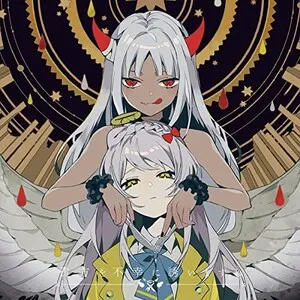
I'll Put You in Misery 貴方を不幸に誘いますね
TUYU ツユ
Yakousei
2021
2
/5
dämonisch
TUYU
Rhythm Game
2020
3
/5
Trapped in the past
TUYU
Rhythm Game
2020
3
/5
Being low as dirt, taking what's important from me
TUYU
Rhythm Game
2020
3
/5
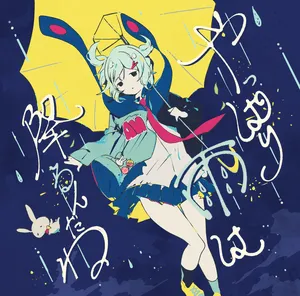
It's Raining After All やっぱり雨は降るんだね
TUYU ツユ
Yakousei
Similar artists
4
/5
Ado
Vocaloid
J-Pop
J-Rock
4
/5
Eve
Yakousei
J-Pop
Utaite
3
/5
Mafumafu
J-Pop
Anime
J-Rock
4
/5
ヨルシカ
Japanese Indie
J-Pop
Anime
4
/5
ZUTOMAYO
J-Pop
Japanese Indie
Yakousei
3
/5
稲葉曇
J-Pop
Vocaloid
Yakousei
3
/5
Sayuri
J-Pop
Yakousei
Anime
3
/5
Sangatsu no Phantasia
Yakousei
Anime
J-Pop
4
/5
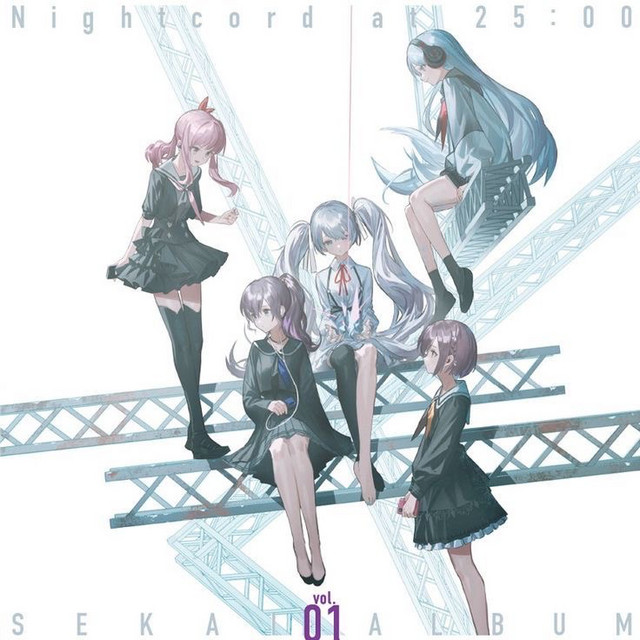
25時、ナイトコードで。
Yakousei
J-Pop
Vocaloid
3
/5
Reol
J-Pop
J-Rock
Men Chika
Download our mobile app
Get the Melodigging app and start digging for new genres on the go
Download on the App Store
Get it on Google Play
© 2026 Melodigging
Give feedback
Legal
Melodding was created as a tribute to
Every Noise at Once
, which inspired us to help curious minds keep digging into music's ever-evolving genres.