

Your digging level
For this genre
0/8
🏆
Sign in, then listen to this genre to level up
Description
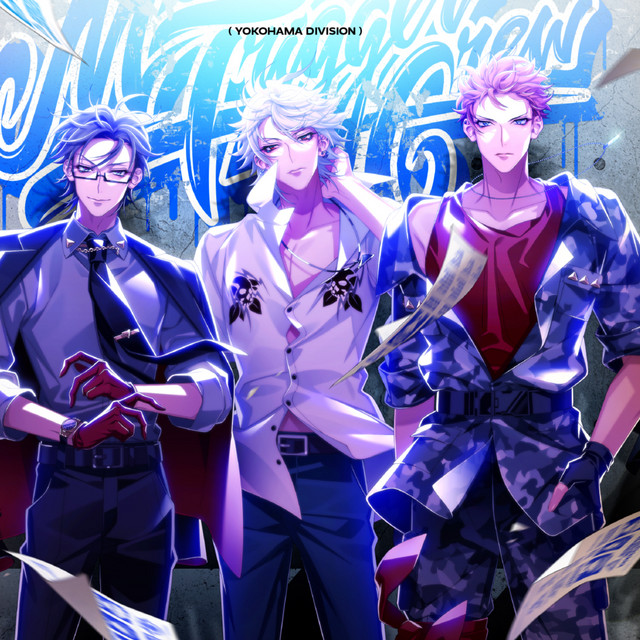
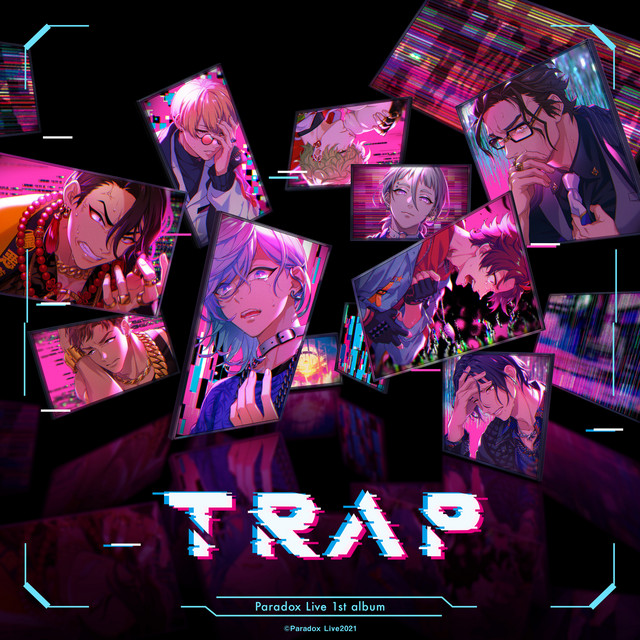
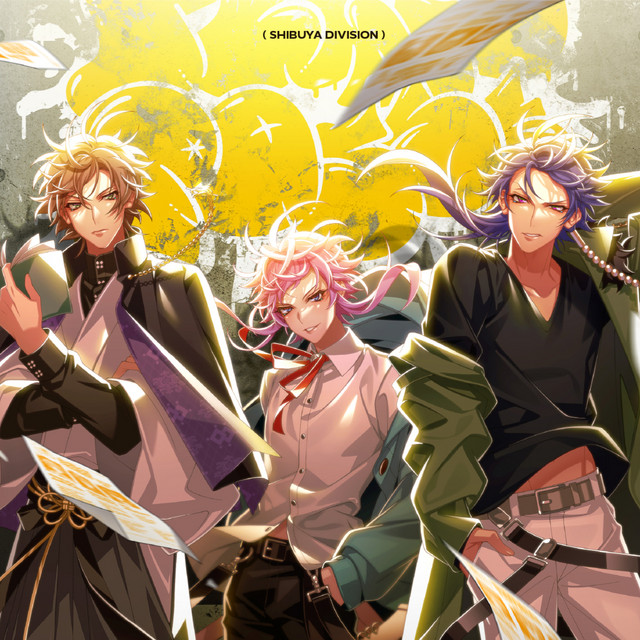
J-division is a contemporary Japanese media‑mix pop and hip‑hop scene centered on “2.5D” idol projects and voice‑actor (seiyu) character units. Songs are typically credited to fictional characters and performed by their voice actors, fusing glossy J‑pop with EDM drops, trap‑influenced beats, and anison (anime song) theatricality.
The “division” idea reflects franchise formats that pit city‑ or team‑based units against one another in story‑driven releases, live events, and stage productions. The sound ranges from bright, dance‑floor J‑pop to cypher‑style rap tracks, often featuring tightly choreographed hooks, stacked harmonies, dramatic key changes, and narrative lyrics that extend a franchise’s worldbuilding.
History
Origins and media-mix roots
• J‑division grew out of Japan’s late‑2000s/early‑2010s “2.5D” boom, where anime, games, and stage musicals intersected. Character songs had existed for decades, but the 2010s consolidated them into multimedia idol projects in which seiyu became the on‑stage faces of fictional groups.
The 2010s surge
• The decade saw rapid expansion of male‑unit franchises: story arcs, drama tracks, and character singles were bundled into tightly scheduled release cycles tied to anime, games, and live tours. The production language blended J‑pop chart techniques (anthemic choruses, modulation climaxes) with EDM and trap percussion, while rap‑battle formats popularized high‑energy, team‑based performances.
Live, stage, and “2.5D” performance
• A defining trait is the seamless loop between fiction and reality: voice actors perform in character, with choreography, call‑and‑response fan culture, and stadium‑scale staging. Stage plays and arena concerts act as canon extensions of the franchises, reinforcing the music’s narrative function.
2020s diversification and global reach
• Streaming and social platforms accelerated international fandoms. Sonically, projects now span glossy dance‑pop, hard‑edged trap, hybrid rock/EDM, and theatrical ballads, but retain the core of character‑driven songwriting, ensemble dynamics, and spectacle‑first arrangements.
Core production cues
• Tempo and groove: Upbeat dance‑pop (120–140 BPM) for anthems; mid‑tempo trap/hip‑hop (80–100 BPM, or double‑time 160–200) for cyphers and battle tracks.
• Rhythm section: Four‑on‑the‑floor kicks for pop bangers, syncopated hi‑hats and 808s for rap cuts; frequent buildups and drops borrowed from EDM.
Harmony and melody
• Bright, diatonic progressions with pre‑chorus lift and a modulation (often +1 or +2 semitones) in the final chorus.
• Hook‑forward toplines designed for unison shouts, stacked thirds/fifths, and antiphonal call‑and‑response between sub‑units.
Arrangement and sound design
• Polished pop layers: side‑chained synths, saw‑lead stabs, plucks, and wide pads; crisp vocal doubles and gang chants for choruses.
• Rap features: 808 bass, sparse minor‑key motifs, ad‑libs, and cypher sections to spotlight individual characters.
Vocals and lyrics
• Write in‑character: lyrics should advance backstory, team rivalry, or personal arcs; alternate perspectives across verses.
• Balance solo spotlights with ensemble refrains; include memorable group slogans, spoken interludes, or dramatic asides.
Performance and staging
• Plan choreography‑ready chorus structures (8 or 16 bars) with clear cue points for crowd calls.
• Arrange parts so each member has a signature moment (high note, rap break, harmonized bridge), reflecting the franchise’s narrative roles.

Best playlists
Main artists
Top tracks
Locked
Share your favorite track to unlock other users’ top tracks
Upcoming concerts
in this genre
