Genres
Artists
Albums
Make Music
Sign in
Sign in
Artists
Classical
Artists
Classical
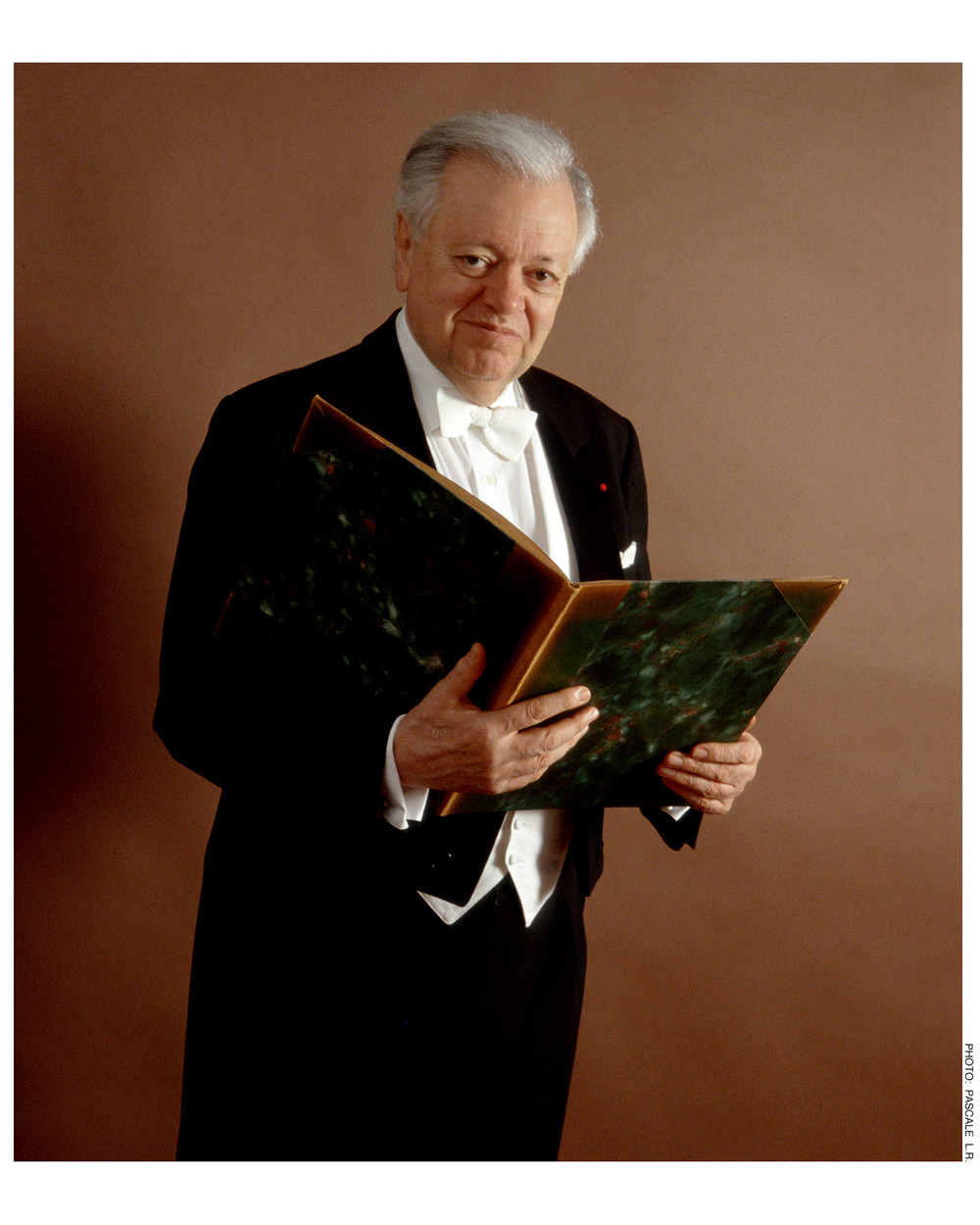
Philippe Entremont
1992
·
1 album
Listen
3
/5
Genres
Indian Indie
Indian indie is the umbrella for independent, non-film music made in India across languages such as Hindi, English, and numerous regional tongues. It is defined more by its DIY production and artist-led release model than by a single sound. Musically, it spans indie pop and rock, folk-fusion, singer‑songwriter ballads, dream‑pop/shoegaze textures, and electronic‑leaning productions. Artists often blend Western harmony and song forms with raga‑tinged melodies, Indian rhythmic feels, and occasional use of traditional instruments like tabla, bansuri, or sitar. The scene grew rapidly with college festivals, small venues, and digital platforms (YouTube, streaming services, Bandcamp), plus boutique labels and festivals such as NH7 Weekender that created national visibility. Lyrically, it tends to be intimate and contemporary—touching on romance, urban life, identity, and nostalgia—while maintaining accessible hooks and warm, organic sonics.
Discover
Listen
Pet Calming
Pet calming is a functional micro‑genre designed to reduce stress and arousal in companion animals—primarily dogs and cats—during triggering situations such as owner absence, fireworks, vet visits, thunderstorms, or travel. Musically it favors very slow tempos, sparse arrangements, soft timbres (piano, pads, gentle strings, warm guitars), long sustains, smooth envelopes, and stable, consonant harmonies. Dynamics are kept narrow and transients are tamed to avoid startle responses. Many releases add gentle environmental ambiences (rain, ocean, rustling leaves) or unobtrusive pink/white‑noise beds to mask external sounds. Structures are highly repetitive with gradual variation so the soundscape feels predictable and safe. While aimed at non‑human listeners, the genre is informed by animal‑behavior findings (e.g., predictable low‑arousal sound reduces stress) and by human relaxation idioms (ambient, new age, lullaby). It is commonly delivered as long‑form, streaming‑friendly content that owners can loop for hours.
Discover
Listen
Writing
Writing is a functional, streaming-era microgenre designed to support reading and writing by providing an unobtrusive sonic backdrop. It favors gentle dynamics, sparse textures, and a stable emotional temperature that reduces distraction while maintaining a subtle sense of flow. The sound palette commonly blends modern classical elements (felt piano, light strings), ambient pads and drones, soft post-rock guitars with long reverb tails, and understated downtempo or lo-fi rhythms. Tempos are typically slow to moderate (often 60–90 BPM) or pulse-free, with simple, repetitive motifs and gradual evolution rather than dramatic contrasts. Harmonically, it leans on consonant, slowly changing chords, modal centers, and extended triads for warmth, avoiding sharp dissonance or sudden modulations. Vocals, when present at all, are wordless; most tracks are instrumental to preserve focus.
Discover
Listen
432hz
432hz is a wellness-oriented ambient/New Age micro-genre built around tuning music to the alternative concert pitch A=432 Hz instead of the modern standard A=440 Hz. In practice, 432hz releases are largely instrumental, slow-tempo, and reverb-rich, combining soft pads, drones, gentle piano, bowls/chimes, and nature sounds. Tracks are marketed for relaxation, meditation, yoga, sleep, and "energy" or "chakra" work, and are frequently tagged with wellness keywords. While advocates claim psychoacoustic or physiological benefits from 432 Hz tuning, these claims remain unproven; the sound signature audiences respond to is the calm production, consonant harmony, and spacious mixing typical of ambient and New Age music. As a streaming-native style, 432hz thrives on platforms like YouTube and Spotify where long-form background listening, SEO-friendly titling, and looping visuals support use-cases such as study, mindfulness, and sleep.
Discover
Listen
Modern Alternative Pop
Modern alternative pop is a broad, internet-era strain of pop that blends mainstream songcraft with left-of-center production, aesthetics, and subject matter. It borrows glossy hooks from radio pop while incorporating indie sensibilities, electronic textures, and experimental arrangement ideas. Lyrics lean confessional and self-aware—often addressing mental health, digital life, identity, and complicated relationships—with an emphasis on personality-forward vocal delivery. Sonically it spans hushed, minimal, bass-forward tracks to bright, synth-led anthems; what unites it is a willingness to break Top 40 conventions while remaining hook-centric and emotionally direct.
Discover
Listen
Pianissimo
Pianissimo is a contemporary micro‑genre centered on very soft, intimate piano music designed for calm focus, rest, and reflection. It borrows the classical dynamic marking “pp” (very soft) as an aesthetic principle: close‑miked, felt‑damped pianos, sparse harmonies, slow tempos, and generous ambience. Emerging alongside the streaming era’s focus/sleep/reading playlists, the style sits between post‑classical minimalism and ambient music. Pieces are typically short miniatures, diatonic and melodic, with unobtrusive movement—music that can live comfortably in the background yet rewards attentive listening. Occasional cello or soft strings, subtle tape hiss, and long reverbs are common textural companions. Historically it traces a line from Satie’s quiet piano idiom and the American minimalist school to the 2000s–2010s “neo‑classical” wave (Einaudi, Frahm, Arnalds), but with an explicitly hushed, domestic sound that foregrounds tenderness, space, and restraint.
Discover
Listen
Impressionism
Impressionism in music is a late-19th- and early-20th-century style that prioritizes color, atmosphere, and suggestion over overt drama and functional harmonic progressions. Originating in France, it parallels the visual arts movement in its fascination with light, timbre, and fleeting impressions. Musically, the style favors modal, pentatonic, and whole‑tone materials; parallel (planed) chords; unresolved dissonances; and ambiguous tonal centers. Rhythms are flexible and often blur a sense of strong meter, while textures shimmer through delicate orchestration, pedal tones, and arpeggiated figures. Rather than strict sonata designs, impressionist works tend to be episodic, evocative, and programmatic, conjuring landscapes, water, night, and dreamlike states.
Discover
Listen
Symfonicky Orchestr
Symfonický orchestr (symphony orchestra) refers to the large, standardized classical ensemble designed for the performance of symphonies, overtures, tone poems, concertos, and other large-scale works. It typically includes strings, woodwinds, brass, percussion, and often harp, keyboards, or auxiliary instruments. As the repertory expanded from the Classical into the Romantic era, the ensemble grew in size and color to realize wider dynamic range, more complex textures, and dramatic narratives. Today, the symphony orchestra is both a musical institution and a performance tradition, encompassing concert presentations, opera pits, film sessions, and contemporary commissions.
Discover
Listen
Classical Piano
Classical piano is the tradition of composing and performing music for the acoustic piano within the Western classical lineage. It emphasizes formal clarity, tonal harmony, contrapuntal writing, and expressive nuance across the full compass of the instrument. Its core repertoire ranges from Classical-era sonatas and variations to Romantic character pieces, études, dances, and 20th-century impressionistic and modernist works. Pianists exploit dynamics, articulation, pedaling, and touch to shape phrases, imitate orchestral textures, and project both intimate lyricism and large-scale drama.
Discover
Listen
Classical
Classical music is the notated art-music tradition of Europe and its global descendants, characterized by durable forms, carefully codified harmony and counterpoint, and a literate score-based practice. The term “classical” can refer broadly to the entire Western art-music lineage from the Medieval era to today, not just the Classical period (c. 1750s–1820s). It privileges long-form structures (such as symphonies, sonatas, concertos, masses, and operas), functional or modal harmony, thematic development, and timbral nuance across ensembles ranging from solo instruments to full orchestras and choirs. Across centuries, the style evolved from chant and modal polyphony to tonal harmony, and later to post-tonal idioms, while maintaining a shared emphasis on written notation, performance practice, and craft.
Discover
Listen
Show all 10 genres
Albums
1992
Tchaikovsky: Sleeping Beauty
Pyotr Ilyich Tchaikovsky, Slovak State Philharmonic Orchestra, Andrew Mogrelia,…
Symfonicky Orchestr
Similar artists
4
/5
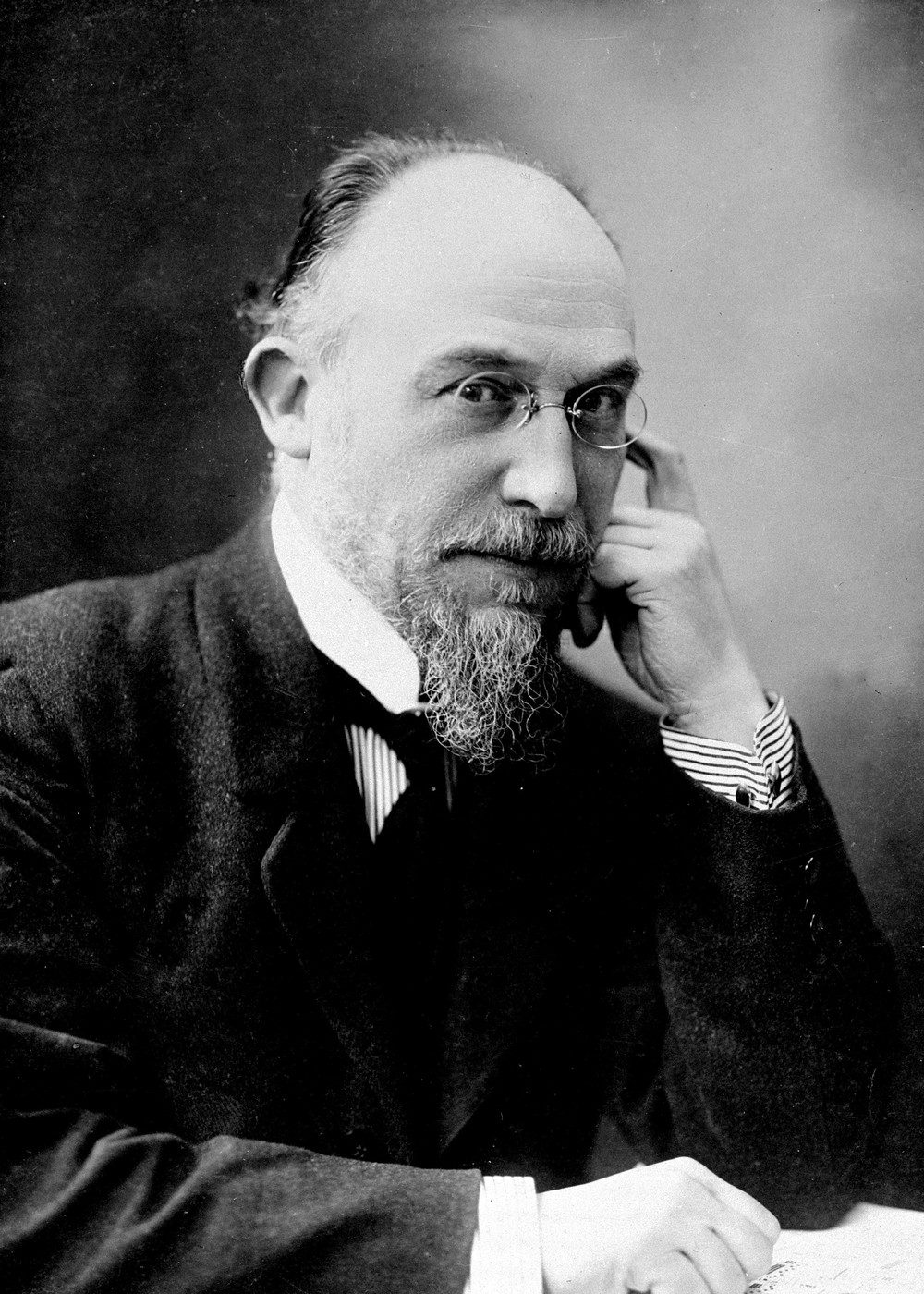
Erik Satie
Impressionism
Classical
Modern Classical
4
/5
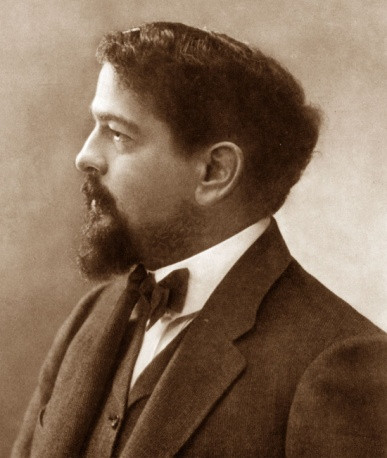
Claude Debussy
Impressionism
Classical
Classical Piano
4
/5
Maurice Ravel
Impressionism
Classical
Neoclassicism
3
/5
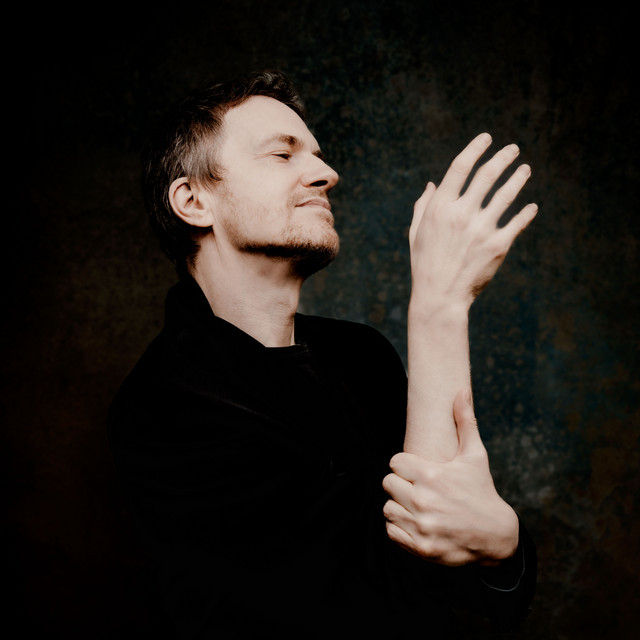
Alexandre Tharaud
Classical
Impressionism
Classical Piano
1
/5
Various Artists
Soundtrack
Afro-Funk
Alternative Rock
4
/5
Johann Sebastian Bach
Baroque
Classical
Baroque Suite
5
/5
Hans Zimmer
Country Dawn
Soundtrack
Classical
4
/5
Wolfgang Amadeus Mozart
Classical
Requiem
Classical Period
4
/5
Berliner Philharmoniker
Classical
Symphony
Romantic Classical
4
/5
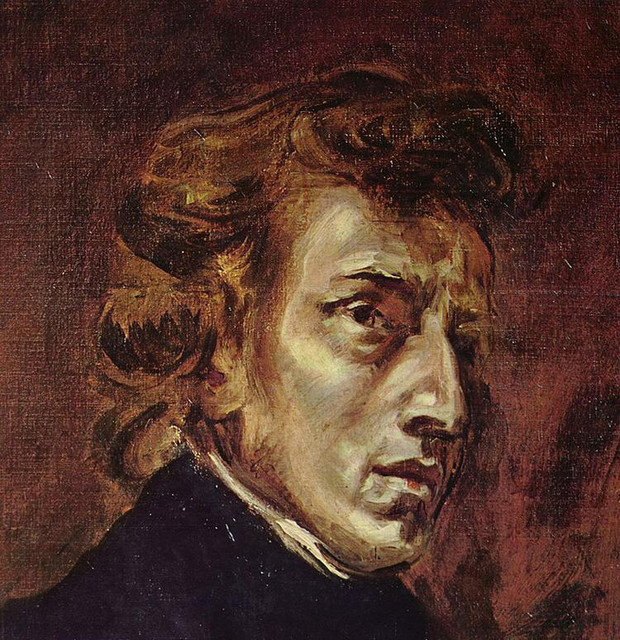
Frédéric Chopin
Classical
Character Piece
Nocturne
Download our mobile app
Get the Melodigging app and start digging for new genres on the go
Download on the App Store
Get it on Google Play
© 2026 Melodigging
Give feedback
Legal
Melodding was created as a tribute to
Every Noise at Once
, which inspired us to help curious minds keep digging into music's ever-evolving genres.