Genres
Artists
Albums
Make Music
Sign in
Sign in
Artists
Comedy
Artists
Comedy
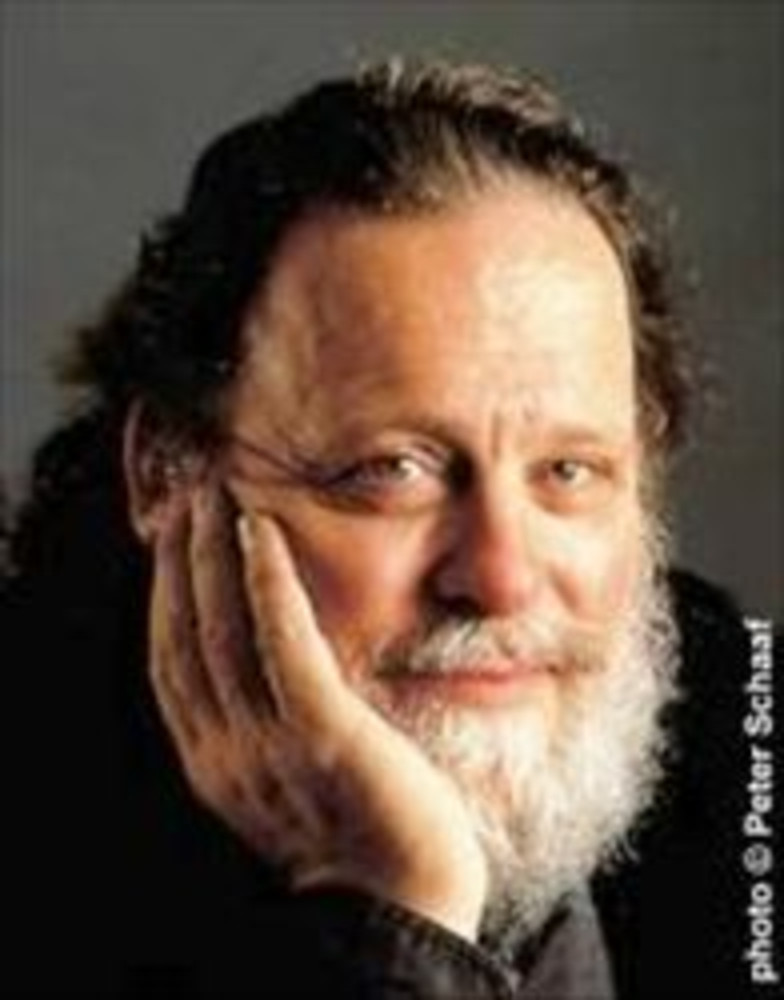
Peter Schickele
1991–2011
·
3 albums
Listen
1
/5
Genres
Contemporary Classical
Contemporary classical is the broad field of Western art music created after World War II. It embraces an array of aesthetics—from serialism and indeterminacy to minimalism, spectralism, electroacoustic practices, and post‑tonal lyricism—while retaining a concern for notated composition and timbral innovation. Unlike the unified styles of earlier eras, contemporary classical is pluralistic. Composers freely mix acoustic and electronic sound, expand instrumental techniques, adopt non‑Western tuning and rhythm, and explore new forms, from process-based structures to open and graphic scores. The result is a music that can be rigorously complex or radically simple, technologically experimental or intimately acoustic, yet consistently focused on extending how musical time, timbre, and form can be shaped.
Discover
Listen
Comedy
Comedy (as a music genre) comprises songs and recorded pieces designed primarily to make listeners laugh through parody, satire, wordplay, character voices, and situational humor. It often borrows the musical language of whatever is popular at the time—pop, rock, hip hop, folk, musical theatre—then subverts expectations with humorous lyrics, exaggerated performance, and sonic gags. Rooted in vaudeville and music hall traditions, comedy music ranges from novelty songs and topical ditties to elaborate pastiches and narrative sketches. It values comedic timing as much as musical craft, using hooks, rhyme, and arrangement to set up and deliver punchlines while remaining musically engaging.
Discover
Listen
Wind Quintet
A wind quintet is a classical chamber ensemble and repertoire for five instruments: flute, oboe, clarinet (in B♭/A), bassoon, and horn (in F). The set is unique in chamber music because it mixes four woodwinds with a brass instrument, creating a wide spectrum of timbres—from the flute’s brilliance and the oboe’s pungency to the clarinet’s flexibility, the bassoon’s depth, and the horn’s glowing sonority. Although winds were central to Classical-era Harmoniemusik, the standardized quintet crystallized in the early 19th century through the pioneering works of Anton Reicha and Franz Danzi. The genre has since grown into a vast repertoire of original works and arrangements that range from neoclassical elegance to modernist color and rhythm, often favoring transparent textures, conversational counterpoint, and lively, dance-derived movements.
Discover
Listen
Glass
Glass is a performance-based genre centered on instruments made of glass—most famously the glass harmonica (or armonica), the glass harp (tuned water glasses), the verrophone, and the Cristal Baschet. Its signature timbre is pure, bell‑like and hovering, capable of sustained, organ‑like chords and whisper‑soft dynamics that feel otherworldly. The idiom spans arrangements of earlier classical repertoire, bespoke concert pieces, and contemporary experimental or ambient works. Because the sound is produced by friction (rubbing wetted glass) or by bowing/rubbing glass rods and resonators, the result emphasizes legato lines, slow harmonic changes, and luminous textures over percussive attack. Listeners often associate the genre with ethereal, hypnotic, and at times melancholic moods.
Discover
Listen
Classical Trumpet
Classical trumpet refers to the tradition of trumpet performance and repertoire within Western art music, spanning from the Baroque clarino style on natural trumpets to modern works for valved C and B♭ trumpets and piccolo trumpet. It emphasizes brilliance, clarity of articulation, and a singing, vocal approach to melody. Core contexts include concertos, sonatas, orchestral and chamber parts, and liturgical or ceremonial fanfares. The idiom draws on historically informed performance for early music and on the full palette of modern techniques, mutes, and extended colors in contemporary works.
Discover
Listen
Classical
Classical music is the notated art-music tradition of Europe and its global descendants, characterized by durable forms, carefully codified harmony and counterpoint, and a literate score-based practice. The term “classical” can refer broadly to the entire Western art-music lineage from the Medieval era to today, not just the Classical period (c. 1750s–1820s). It privileges long-form structures (such as symphonies, sonatas, concertos, masses, and operas), functional or modal harmony, thematic development, and timbral nuance across ensembles ranging from solo instruments to full orchestras and choirs. Across centuries, the style evolved from chant and modal polyphony to tonal harmony, and later to post-tonal idioms, while maintaining a shared emphasis on written notation, performance practice, and craft.
Discover
Listen
Albums
2011
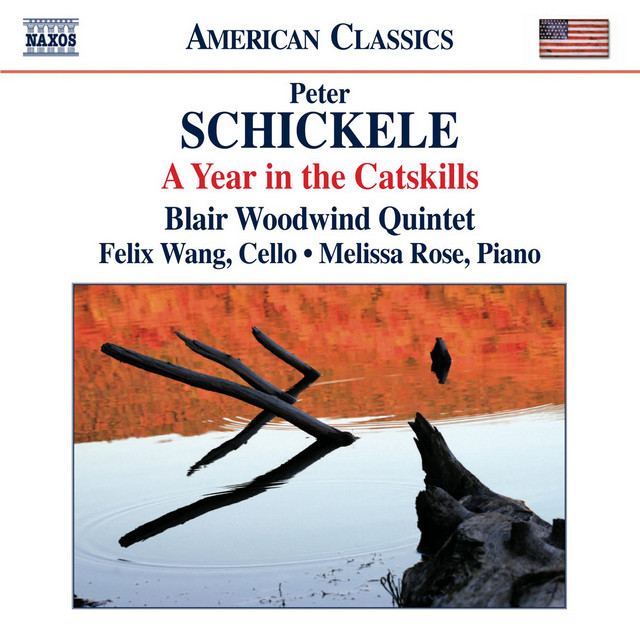
Schickele: A Year in the Catskills
Peter Schickele, Blair Woodwind Quintet
Wind Quintet
1995
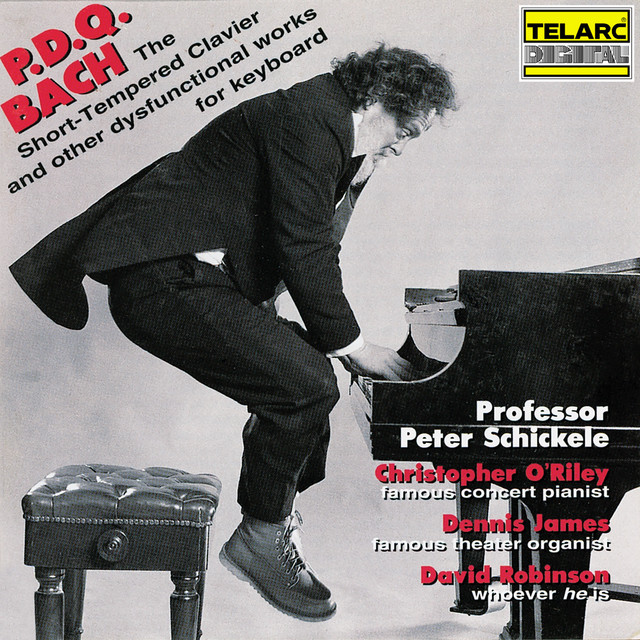
PDQ Bach: The Short-Tempered Clavier and Other Dysfunctional Works for Keyboard
Peter Schickele, Christopher O'Riley, Dennis James, David Robinson
Glass
1991
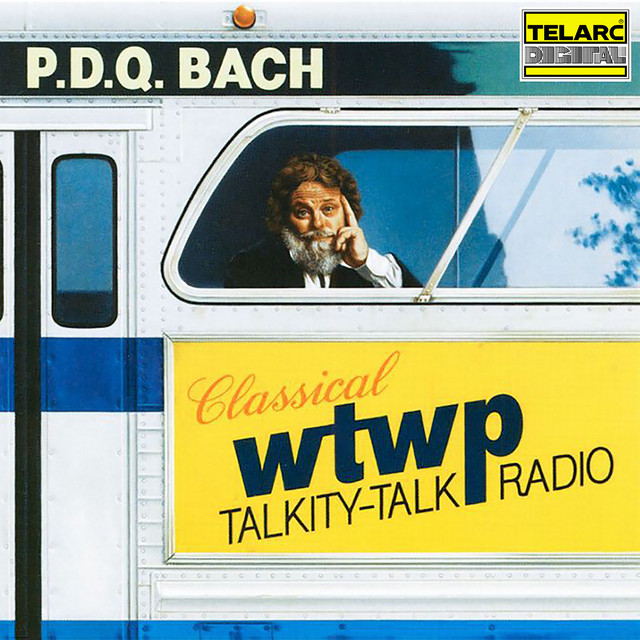
P.D.Q. Bach: Classical WTWP Talkity-Talk Radio
Peter Schickele, P.D.Q.Bach
Classical Trumpet
Similar artists
5
/5
Disney
Comedy
Show Tunes
Wrestling
5
/5
Hans Zimmer
Score
Soundtrack
Classical
1
/5
Various Artists
Soundtrack
Afro-Funk
Alternative Rock
4
/5
Johann Sebastian Bach
Baroque
Classical
Baroque Suite
4
/5
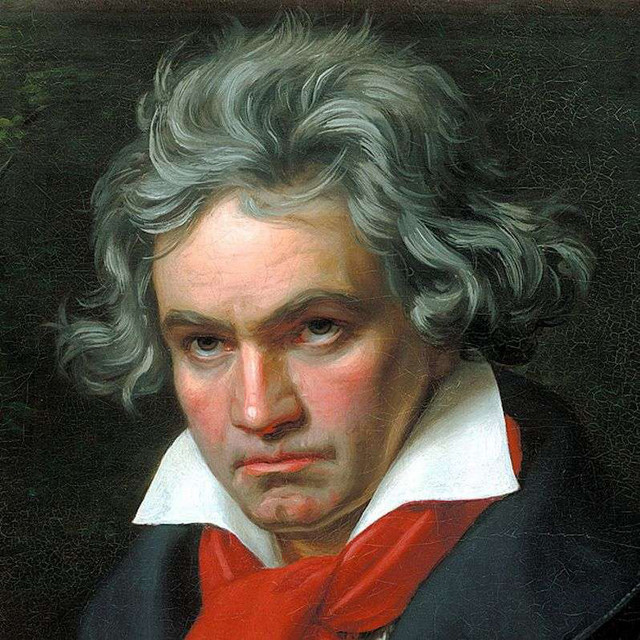
Ludwig van Beethoven
Classical
Classical Period
Romantic Classical
4
/5
Philharmonia Orchestra
Classical
Opera
Historic Orchestral Performance
3
/5
Slovenská filharmónia
Ballet
Classical
Classical Trumpet
3
/5
ORF Radio-Symphonieorchester Wien
Orchestral
Opera
Austro-German Modernism
3
/5
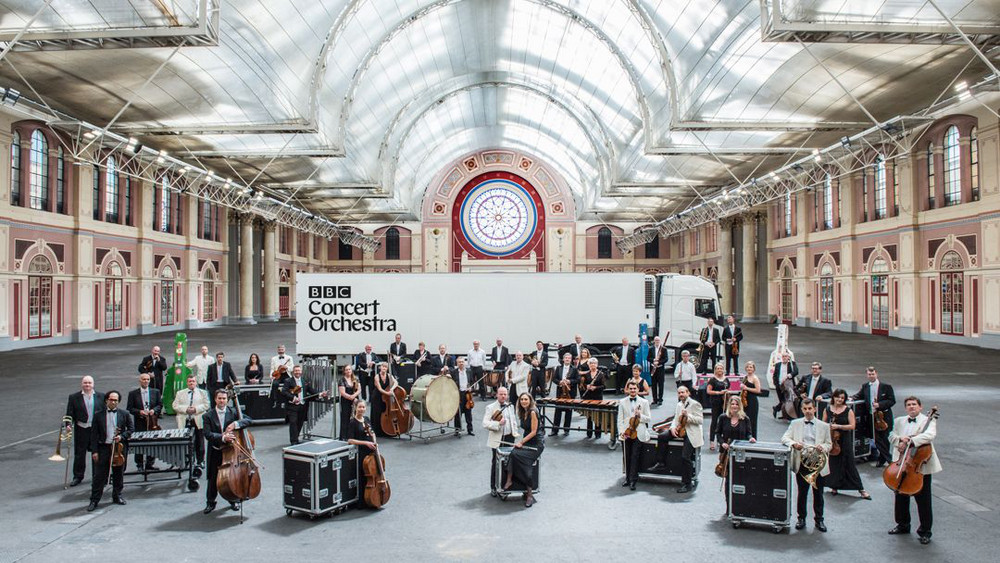
BBC Concert Orchestra
Classical
Orchestral
Classic Soundtrack
3
/5
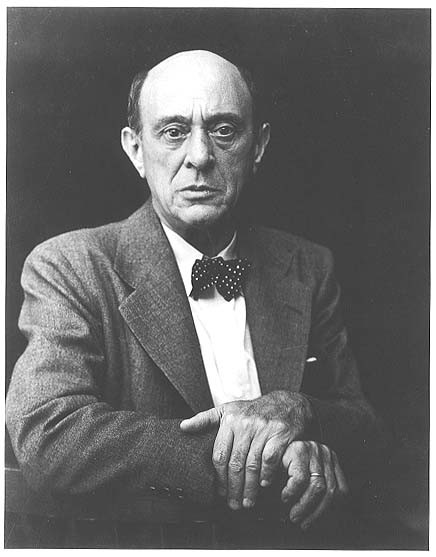
Arnold Schoenberg
Expressionism
Second Viennese School
Serialism
Download our mobile app
Get the Melodigging app and start digging for new genres on the go
Download on the App Store
Get it on Google Play
© 2026 Melodigging
Give feedback
Legal
Melodding was created as a tribute to
Every Noise at Once
, which inspired us to help curious minds keep digging into music's ever-evolving genres.