Your digging level
Description
Wrestling music is the umbrella term for entrance themes, hype tracks, stingers, and broadcast cues written for professional wrestling.
It blends the immediacy of rock and metal riffing, the swagger and bass of hip hop, the bombast of arena-ready pop/electronic production, and the cinematic language of soundtracks.
Because themes must telegraph a character’s persona in seconds, tracks emphasize bold hooks, chantable motifs, and high-impact intros that work in noisy arenas and on television.



History
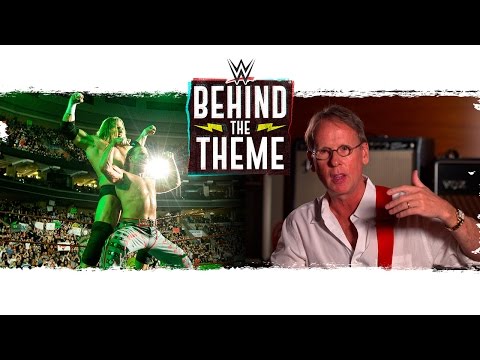
Promoters experimented with walk‑on music in the 1970s, but it became a defining device in the 1980s United States scene when national TV exposure demanded instantly recognizable personas. Composers began crafting purpose‑built themes with big riffs, drum-machine punch, and cinematic stingers to cue crowd reactions the moment an entrance started.
As wrestling expanded on cable and pay‑per‑view, in‑house composers and producers professionalized the sound: high-gain guitars, gated drums, synth brass, and hooky vocal tags. Entrance CDs and televised PPVs spread themes beyond the ring, fixing the idea that every performer needed a signature song keyed to their character.
The music absorbed contemporary rock (alternative, nu metal), hip hop, and modern pop production. Third‑party bands and artists were increasingly commissioned, while broadcast packages adopted trailer‑style scoring with epic hits, drops, and whooshes. Digital distribution made themes available as products in their own right.
High-definition broadcasts and streaming pushed louder, cleaner mixes and sub‑heavy drops. Producers fold in EDM/industrial textures, trap‑influenced drums, and cinematic sound design. International promotions advanced distinct flavors—J‑rock/metal, Latin urban, or hybrid electronic—while social platforms turned themes into memes, workout staples, and entrance‑reaction content.
-
•
Sketch 3 quick motifs and pick the strongest.
•Produce a 12‑second “cold open” sting and test it against crowd noise SFX.
•Build A/B sections with energy ramps and a clean loop point.
•Deliver multiple cuts: full (2–3 min), TV edit (60–90 s), 12‑s sting, and loop.