Genres
Artists
Albums
Make Music
Sign in
Sign in
Artists
Classical
Artists
Classical
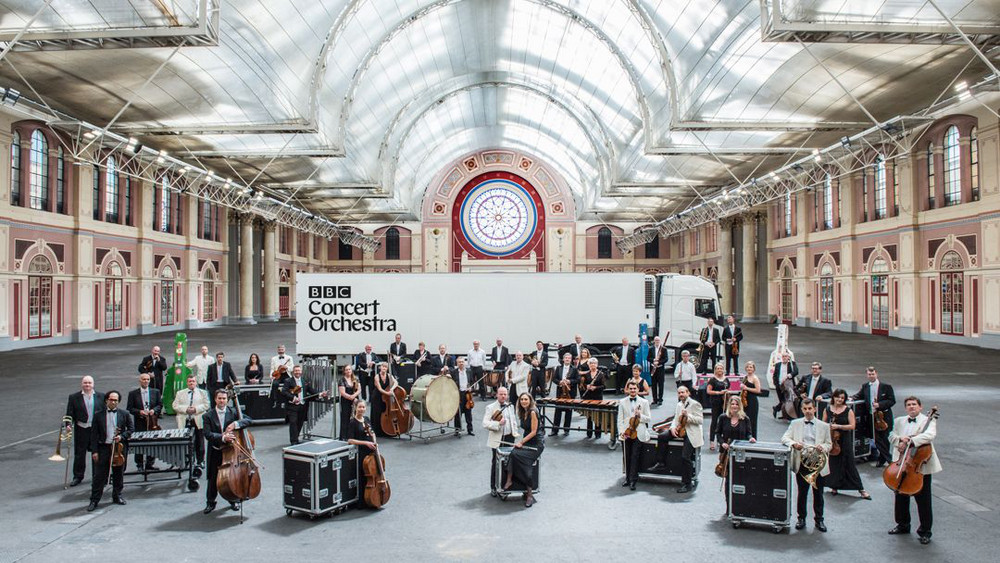
BBC Concert Orchestra
2007–2019
·
2 albums
Listen
3
/5
Genres
New Isolationism
New isolationism is a contemporary strain of isolationist ambient and post-industrial minimalism that emerged in the 2010s, particularly around Scandinavian experimental labels and studios. It foregrounds intimate, close-mic’d sound, negative space, and a quiet-but-present noise floor; its pieces feel both internal and architectural, like rooms built from reverb tails, tape hiss, and soft electronics. Sonically, the style blends glacial drones, fragile chamber timbres (strings, organ, piano), lo‑fi electronics, and field recordings into stark, slow-evolving tableaux. Melodic information is sparse—often only a few tones or gestures—while rhythm is either absent or reduced to distant pulses, heartbeats, or mechanical cycles. Vocals, when they appear, are murmured, diaristic, or abstracted by pitch and time manipulation. Aesthetically, new isolationism is post‑internet and diaristic: it captures solitude, memory, and dislocation with a palette that feels personal yet estranged, drawing as much from contemporary gallery sound practice as from classic dark ambient.
Discover
Listen
Pov: Indie
"pov: indie" is a social-media-native microstyle built around short, cinematic indie-pop/indie-rock snippets designed to accompany a first-person (POV) narrative. Instead of being defined by a single new musical technique, it is defined by context: the music is chosen or written to feel like the soundtrack to a specific moment (a crush, a late-night walk, moving to a new city, seasonal nostalgia). Sonically it typically uses bright but soft guitars or synths, intimate vocals, simple memorable hooks, and production that reads clearly on phone speakers. The emotional tone is often wistful, tender, and “coming-of-age,” with lyrics that can be understood quickly in a 10–30 second clip.
Discover
Listen
Writing
Writing is a functional, streaming-era microgenre designed to support reading and writing by providing an unobtrusive sonic backdrop. It favors gentle dynamics, sparse textures, and a stable emotional temperature that reduces distraction while maintaining a subtle sense of flow. The sound palette commonly blends modern classical elements (felt piano, light strings), ambient pads and drones, soft post-rock guitars with long reverb tails, and understated downtempo or lo-fi rhythms. Tempos are typically slow to moderate (often 60–90 BPM) or pulse-free, with simple, repetitive motifs and gradual evolution rather than dramatic contrasts. Harmonically, it leans on consonant, slowly changing chords, modal centers, and extended triads for warmth, avoiding sharp dissonance or sudden modulations. Vocals, when present at all, are wordless; most tracks are instrumental to preserve focus.
Discover
Listen
Deep Soundtrack
Deep soundtrack is a modern, cinematic substyle that emphasizes low, immersive textures, slow-moving harmony, and spacious ambience over bombast. It sits at the intersection of ambient music, post-classical scoring, and contemporary film/TV/game underscore, favoring drones, soft pulses, and intimate instruments (piano, strings, analog synths) treated with generous space and subtle sound design. Rather than foregrounding memorable themes or trailer-scale crescendos, deep soundtrack cultivates mood: tense, melancholic, or quietly hopeful. It is designed to sit under narrative, visuals, or concentration—music that breathes, evolves slowly, and suggests emotion without overwhelming it.
Discover
Listen
Classic Soundtrack
Classic soundtrack refers to the orchestral film-scoring tradition of the Golden and early Silver Ages of cinema, roughly from the 1930s through the 1960s. It is characterized by lush symphonic writing, leitmotivic themes for characters and settings, and dramatic, film-synchronized orchestration that mirrors on-screen emotion and action. Drawing on late-Romantic and early 20th‑century classical idioms, classic soundtracks favor sweeping strings, bold brass fanfares, expressive woodwinds, harp and celesta color, and a percussion palette ranging from timpani to snare drum and cymbals. Harmony often blends chromatic late-Romantic language, impressionistic color, and occasional jazz inflections (particularly in noir and urban dramas). The result is a richly thematic, narrative-driven musical style that shaped the sonic identity of cinema for decades.
Discover
Listen
Classical Trumpet
Classical trumpet refers to the tradition of trumpet performance and repertoire within Western art music, spanning from the Baroque clarino style on natural trumpets to modern works for valved C and B♭ trumpets and piccolo trumpet. It emphasizes brilliance, clarity of articulation, and a singing, vocal approach to melody. Core contexts include concertos, sonatas, orchestral and chamber parts, and liturgical or ceremonial fanfares. The idiom draws on historically informed performance for early music and on the full palette of modern techniques, mutes, and extended colors in contemporary works.
Discover
Listen
Orchestral
Orchestral music refers to compositions written for an orchestra—a large ensemble typically built around a string section (violins, violas, cellos, double basses), complemented by woodwinds, brass, percussion, and often harp, keyboard, or other auxiliary instruments. A conductor coordinates the ensemble, shaping balance, phrasing, and expression. The style emphasizes coloristic timbre combinations, dynamic range from the softest pianissimo to explosive tuttis, and textures that can shift seamlessly between transparent chamber-like writing and monumental masses of sound. Orchestral writing underpins concert genres such as symphonies, overtures, and tone poems, as well as opera, ballet, and modern film and game scores. While orchestral writing evolved across centuries, its core craft centers on melody, counterpoint, harmony, register, and orchestration—the art of assigning musical ideas to instruments to achieve clarity, contrast, and narrative impact.
Discover
Listen
Classical
Classical music is the notated art-music tradition of Europe and its global descendants, characterized by durable forms, carefully codified harmony and counterpoint, and a literate score-based practice. The term “classical” can refer broadly to the entire Western art-music lineage from the Medieval era to today, not just the Classical period (c. 1750s–1820s). It privileges long-form structures (such as symphonies, sonatas, concertos, masses, and operas), functional or modal harmony, thematic development, and timbral nuance across ensembles ranging from solo instruments to full orchestras and choirs. Across centuries, the style evolved from chant and modal polyphony to tonal harmony, and later to post-tonal idioms, while maintaining a shared emphasis on written notation, performance practice, and craft.
Discover
Listen
Show all 8 genres
Albums
2019
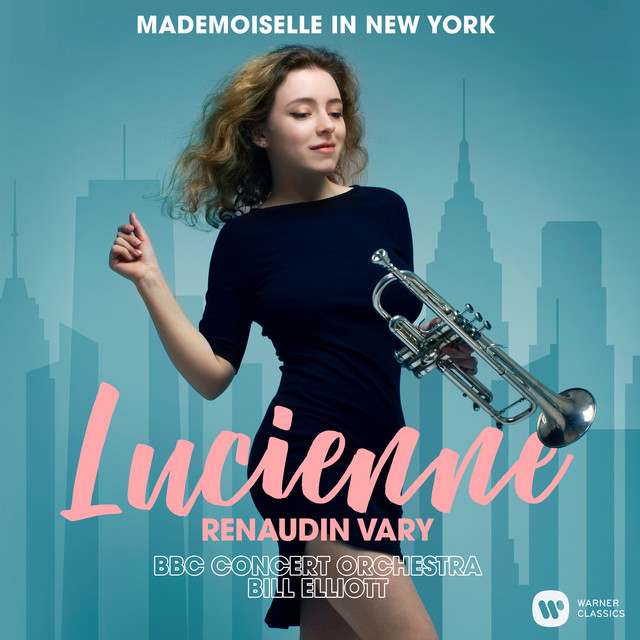
Mademoiselle in New York
Lucienne Renaudin Vary, Bill Elliot, BBC Concert Orchestra
Classical Trumpet
2007
The Film Music of John Addison
John Addison, Rumon Gamba, BBC Concert Orchestra
Classic Soundtrack
Similar artists
4
/5
Johann Sebastian Bach
Baroque
Classical
Baroque Suite
4
/5
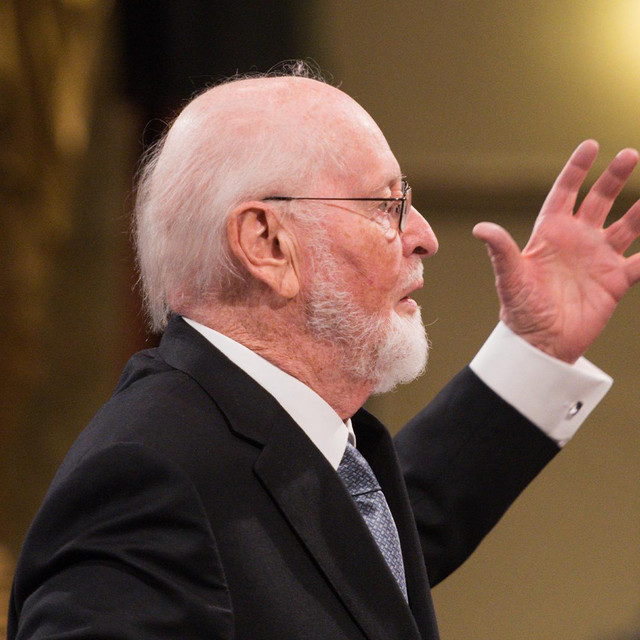
John Williams
Soundtrack
Classical
Orchestral
3
/5
ORF Radio-Symphonieorchester Wien
Orchestral
Opera
Austro-German Modernism
3
/5
Israel Philharmonic Orchestra
Baroque
Classical
Concerto
5
/5
Hans Zimmer
Score
Soundtrack
Classical
4
/5
London Symphony Orchestra
Classical
Ballet
American Classical Piano
4
/5
Berliner Philharmoniker
Classical
Symphony
Romantic Classical
4
/5
Herbert von Karajan
Classical
Symphonic Poem
Symphony
4
/5
Pyotr Ilyich Tchaikovsky
Classical
Moscow School
Ballet
4
/5
Royal Philharmonic Orchestra
Classical
Classical Bass
Historic Orchestral Performance
Download our mobile app
Get the Melodigging app and start digging for new genres on the go
Download on the App Store
Get it on Google Play
© 2026 Melodigging
Give feedback
Legal
Melodding was created as a tribute to
Every Noise at Once
, which inspired us to help curious minds keep digging into music's ever-evolving genres.