Genres
Artists
Albums
Make Music
Sign in
Sign in
Artists
Baroque
Artists
Baroque
Israel Philharmonic Orchestra
1992–2000
·
2 albums
Listen
3
/5
Genres
432hz
432hz is a wellness-oriented ambient/New Age micro-genre built around tuning music to the alternative concert pitch A=432 Hz instead of the modern standard A=440 Hz. In practice, 432hz releases are largely instrumental, slow-tempo, and reverb-rich, combining soft pads, drones, gentle piano, bowls/chimes, and nature sounds. Tracks are marketed for relaxation, meditation, yoga, sleep, and "energy" or "chakra" work, and are frequently tagged with wellness keywords. While advocates claim psychoacoustic or physiological benefits from 432 Hz tuning, these claims remain unproven; the sound signature audiences respond to is the calm production, consonant harmony, and spacious mixing typical of ambient and New Age music. As a streaming-native style, 432hz thrives on platforms like YouTube and Spotify where long-form background listening, SEO-friendly titling, and looping visuals support use-cases such as study, mindfulness, and sleep.
Discover
Listen
Writing
Writing is a functional, streaming-era microgenre designed to support reading and writing by providing an unobtrusive sonic backdrop. It favors gentle dynamics, sparse textures, and a stable emotional temperature that reduces distraction while maintaining a subtle sense of flow. The sound palette commonly blends modern classical elements (felt piano, light strings), ambient pads and drones, soft post-rock guitars with long reverb tails, and understated downtempo or lo-fi rhythms. Tempos are typically slow to moderate (often 60–90 BPM) or pulse-free, with simple, repetitive motifs and gradual evolution rather than dramatic contrasts. Harmonically, it leans on consonant, slowly changing chords, modal centers, and extended triads for warmth, avoiding sharp dissonance or sudden modulations. Vocals, when present at all, are wordless; most tracks are instrumental to preserve focus.
Discover
Listen
Classic Soundtrack
Classic soundtrack refers to the orchestral film-scoring tradition of the Golden and early Silver Ages of cinema, roughly from the 1930s through the 1960s. It is characterized by lush symphonic writing, leitmotivic themes for characters and settings, and dramatic, film-synchronized orchestration that mirrors on-screen emotion and action. Drawing on late-Romantic and early 20th‑century classical idioms, classic soundtracks favor sweeping strings, bold brass fanfares, expressive woodwinds, harp and celesta color, and a percussion palette ranging from timpani to snare drum and cymbals. Harmony often blends chromatic late-Romantic language, impressionistic color, and occasional jazz inflections (particularly in noir and urban dramas). The result is a richly thematic, narrative-driven musical style that shaped the sonic identity of cinema for decades.
Discover
Listen
Italian Baritone
Italian baritone refers to the operatic vocal tradition and repertoire for the baritone voice as cultivated in Italy, especially during the 19th-century Romantic era and into the verismo period. It is characterized by supple bel canto technique (legato singing, even emission, and elegant phrasing), the chiaroscuro tonal ideal, and rhetorical, text-forward delivery in Italian. In the mid-to-late 19th century, composers such as Verdi shaped the "Verdian baritone" archetype—noble yet powerful, capable of both cantabile lines and dramatic declamation—before verismo added a more speech-like intensity and raw dramatic realism. The style is inseparable from Italian-language opera, with hallmark roles such as Rigoletto, Germont, Iago, Nabucco, and Gianni Schicchi, typically supported by a full romantic orchestra and the conventional scena/aria structures of Italian opera.
Discover
Listen
Concerto
A concerto is a large-scale composition that sets one or more solo instruments in dynamic dialogue with an orchestra. Its core idea is contrast—between soloist and tutti—and the dramatic negotiation of power, color, and thematic responsibility. While Baroque concertos often relied on ritornello form, the Classical era standardized a three-movement plan (fast–slow–fast) with sonata principles in the opening movement. The Romantic period emphasized virtuosity and expressive foregrounding of the soloist, and the 20th–21st centuries broadened the palette with new instruments, harmonies, and formats. Across eras, the concerto remains a showcase for instrumental character, technical brilliance, and the art of orchestral conversation.
Discover
Listen
Baroque
Baroque is a period and style of Western art music spanning roughly 1600–1750. It is characterized by the birth of functional tonality, the widespread use of basso continuo (figured bass), and a love of contrast—between soloist and ensemble, loud and soft, and different timbres. Hallmark genres and forms of the era include opera, cantata, oratorio, concerto (especially the concerto grosso), dance suite, sonata, and fugue. Textures range from expressive monody to intricate counterpoint, and melodies are richly ornamented with trills, mordents, and appoggiaturas. Baroque music flourished in churches, courts, and theaters across Europe, with regional styles (Italian, French, German, English) shaping distinctive approaches to rhythm, dance, harmony, and ornamentation.
Discover
Listen
Orchestral
Orchestral music refers to compositions written for an orchestra—a large ensemble typically built around a string section (violins, violas, cellos, double basses), complemented by woodwinds, brass, percussion, and often harp, keyboard, or other auxiliary instruments. A conductor coordinates the ensemble, shaping balance, phrasing, and expression. The style emphasizes coloristic timbre combinations, dynamic range from the softest pianissimo to explosive tuttis, and textures that can shift seamlessly between transparent chamber-like writing and monumental masses of sound. Orchestral writing underpins concert genres such as symphonies, overtures, and tone poems, as well as opera, ballet, and modern film and game scores. While orchestral writing evolved across centuries, its core craft centers on melody, counterpoint, harmony, register, and orchestration—the art of assigning musical ideas to instruments to achieve clarity, contrast, and narrative impact.
Discover
Listen
Opera
Opera is a large-scale theatrical genre that combines music, drama, and visual spectacle, in which the story is primarily conveyed through singing accompanied by an orchestra. It unites solo voices, ensembles, and chorus with staging, costumes, and often dance to create a total artwork. Emerging in late Renaissance Italy and flourishing in the Baroque era, opera developed signature forms such as recitative (speech-like singing that advances the plot) and aria (lyrical numbers that explore character and emotion). Over the centuries it evolved diverse national styles—Italian bel canto, French grand opéra, German music drama—while continually experimenting with orchestration, harmony, narrative structure, and stagecraft.
Discover
Listen
Classical
Classical music is the notated art-music tradition of Europe and its global descendants, characterized by durable forms, carefully codified harmony and counterpoint, and a literate score-based practice. The term “classical” can refer broadly to the entire Western art-music lineage from the Medieval era to today, not just the Classical period (c. 1750s–1820s). It privileges long-form structures (such as symphonies, sonatas, concertos, masses, and operas), functional or modal harmony, thematic development, and timbral nuance across ensembles ranging from solo instruments to full orchestras and choirs. Across centuries, the style evolved from chant and modal polyphony to tonal harmony, and later to post-tonal idioms, while maintaining a shared emphasis on written notation, performance practice, and craft.
Discover
Listen
Show all 9 genres
Albums
2000
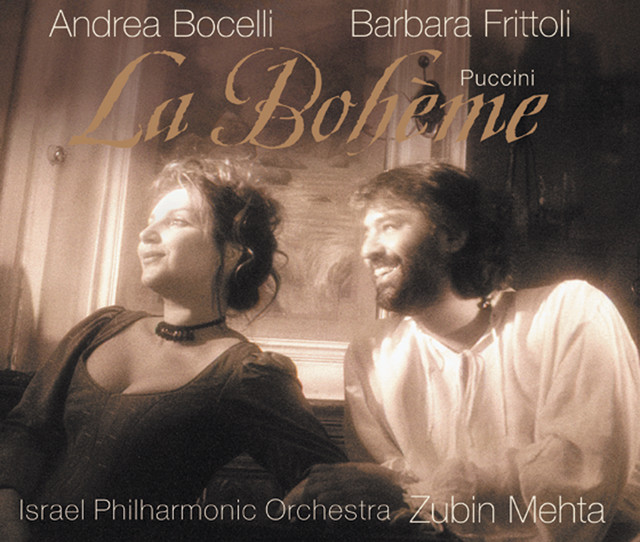
Puccini: La Bohème
Giacomo Puccini, Andrea Bocelli, Barbara Frittoli, Israel Philharmonic Orchestr…
Italian Baritone
1992
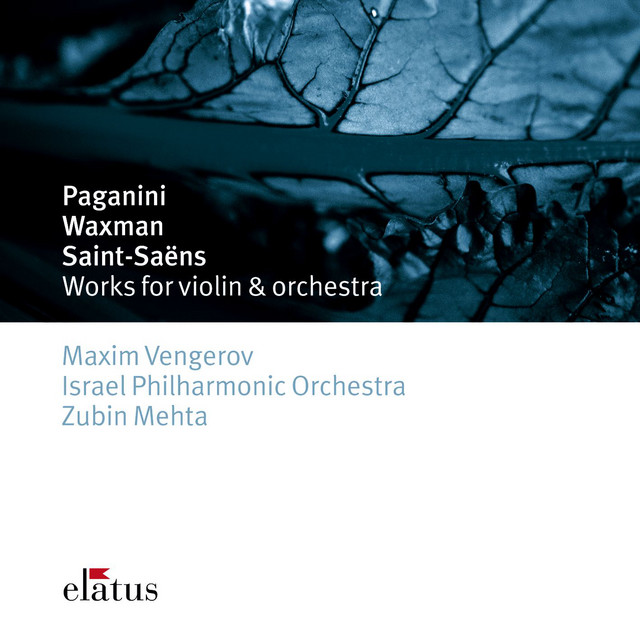
Works for Violin and Orchestra
Paganini, Waxman, Saint‐Saëns; Maxim Vengerov, Israel Philharmonic Orchestra, Z…
Classic Soundtrack
Similar artists
4
/5
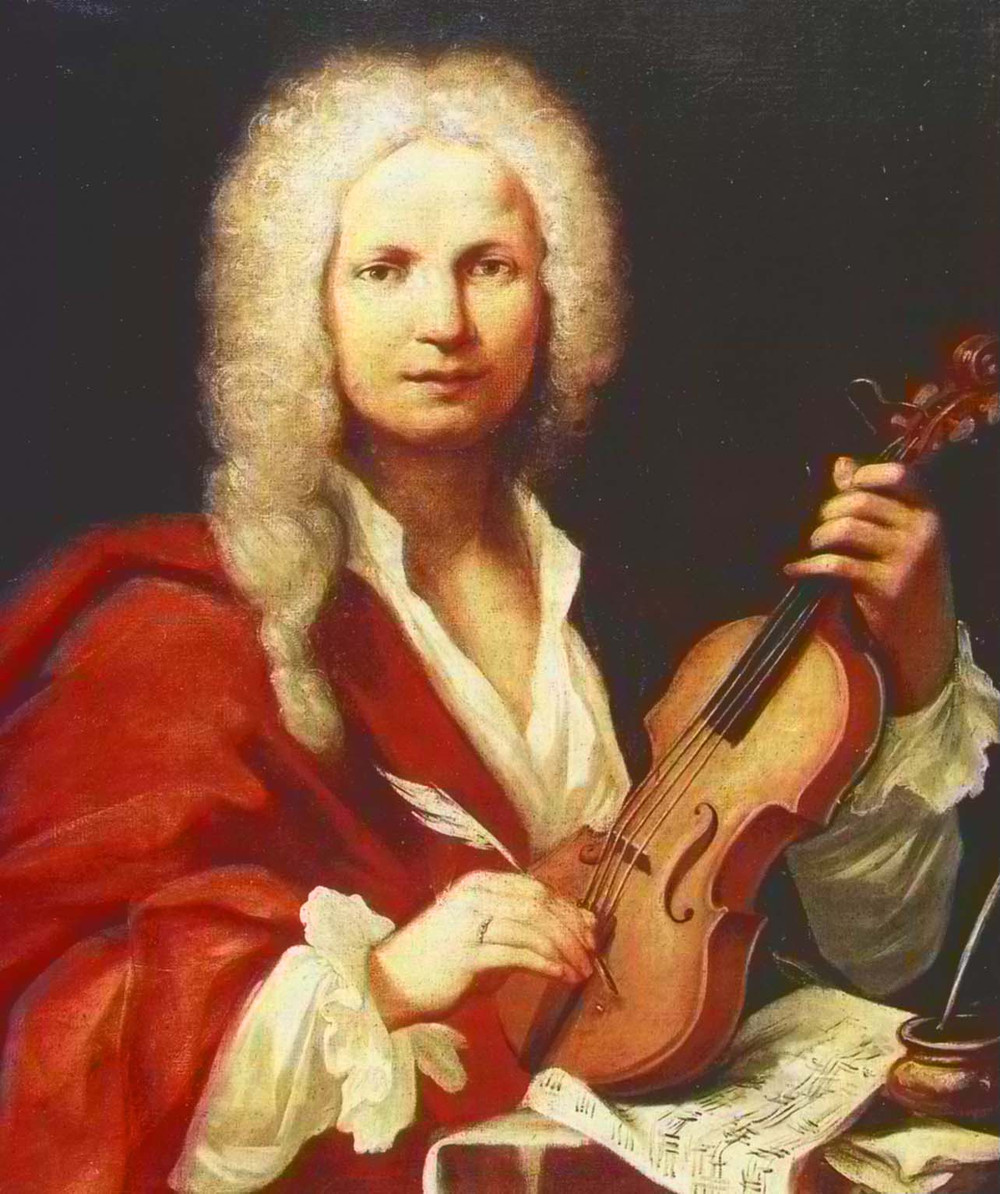
Antonio Vivaldi
Baroque
Classical
Opera Seria
4
/5
English Chamber Orchestra
Baroque
Classical
Concerto
3
/5
Academy of Ancient Music
Classical
Concerto
Baroque
3
/5
Christopher Hogwood
Classical
Baroque
Concerto
3
/5
Nikolaus Harnoncourt
Baroque
Classical
Opera
3
/5
Akademie für Alte Musik Berlin
Baroque
Classical
Opera
3
/5
Concerto Köln
Classical
Opera
Baroque
3
/5
Orchestra of the Age of Enlightenment
Baroque
Classical
Concerto
3
/5
Freiburger Barockorchester
Classical
Baroque
Concerto
3
/5
Giovanni Antonini
Baroque
Classical
Opera
Download our mobile app
Get the Melodigging app and start digging for new genres on the go
Download on the App Store
Get it on Google Play
© 2026 Melodigging
Give feedback
Legal
Melodding was created as a tribute to
Every Noise at Once
, which inspired us to help curious minds keep digging into music's ever-evolving genres.