


Genres
Artists
Albums
Make Music
Sign in
Sign in
Artists
American Early Music
Artists
American Early Music
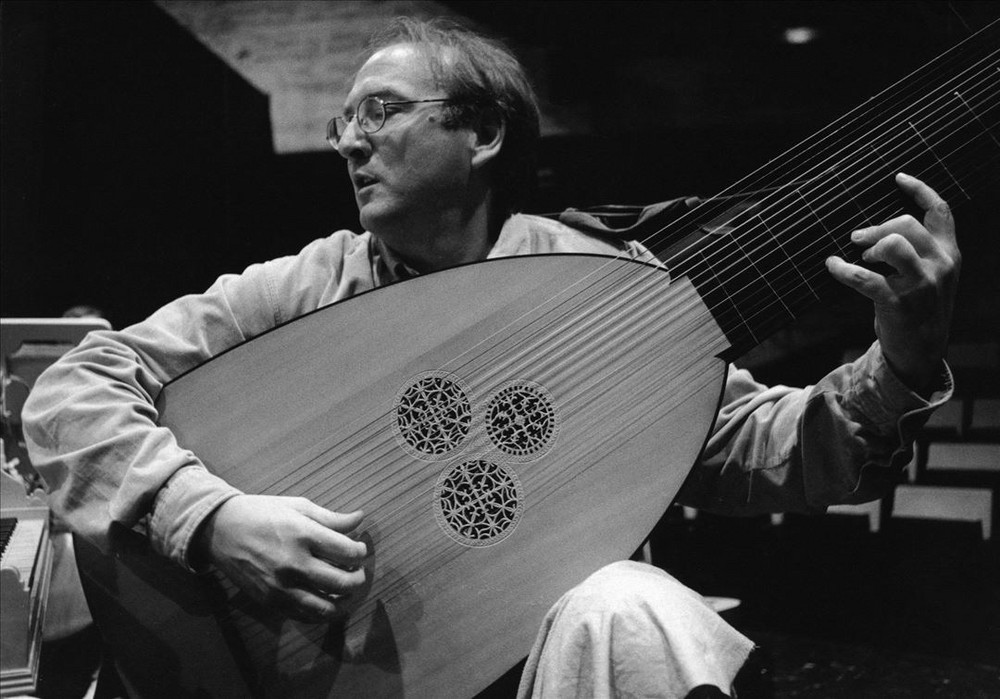
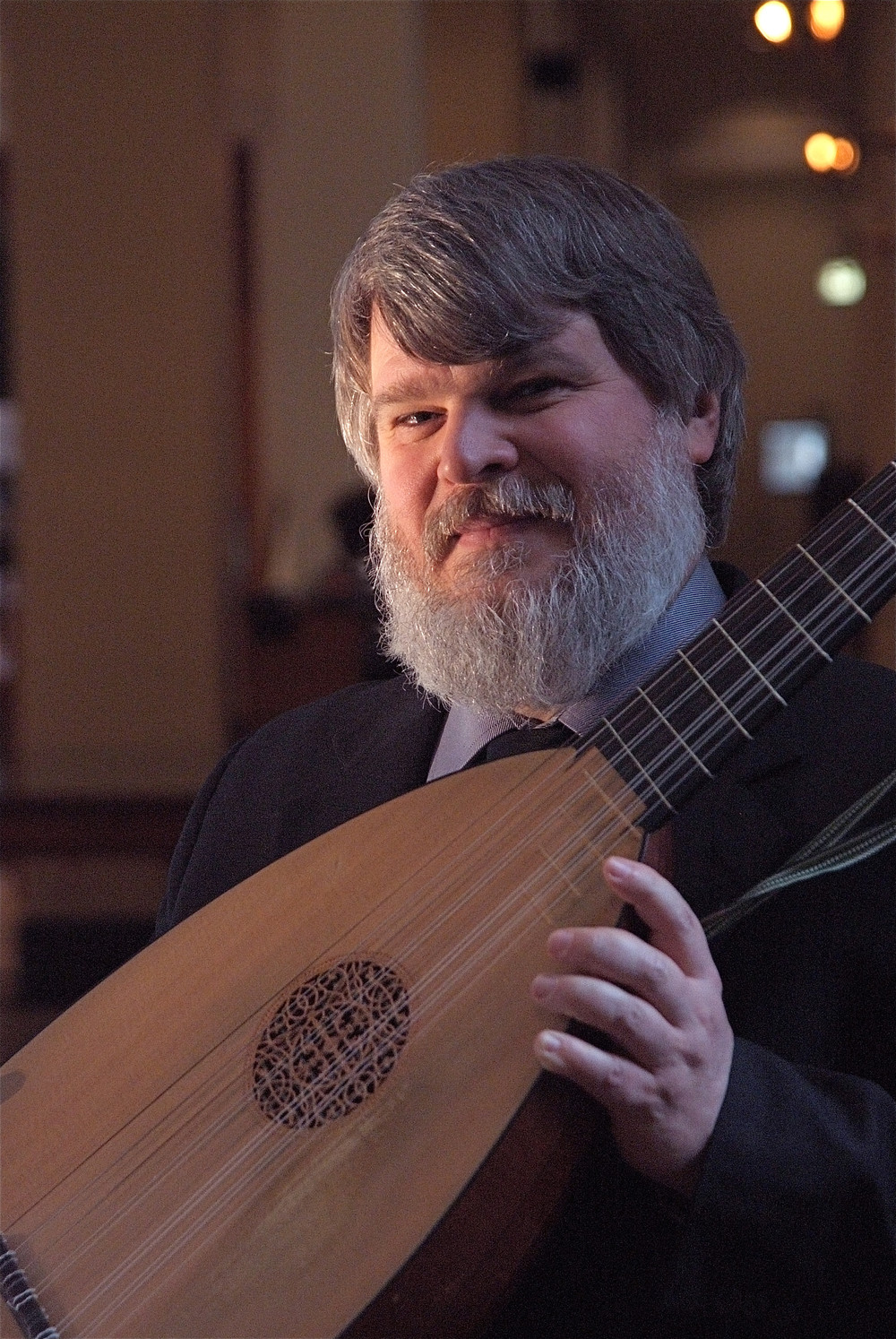
Paul O'Dette
1995–2020
·
6 albums
Listen
2
/5
Genres
American Early Music
American early music is the U.S. branch of the post‑war early‑music revival devoted to the historically informed performance of Medieval, Renaissance, and Baroque repertoires (roughly c. 1100–1750). It centers on period instruments, historically appropriate tunings and temperaments, small ensemble forces, and style‑specific articulation, ornamentation, and rhetoric. Although the repertory largely originates in Europe, American early music also embraces colonial and mission‑era sources from North and Latin America, and it is shaped by U.S. institutions, festivals, ensembles, university programs, and instrument builders that took root from the mid‑20th century onward.
Discover
Listen
Baroque Singing
Baroque singing is the vocal practice of the Baroque era (c. 1600–1750), centered on expressive text delivery, rhetorical phrasing, and codified ornamentation. It grew from the shift toward solo song with continuo (monody) and the burgeoning of opera, cantata, and oratorio. Stylistically, it balances two complementary worlds: declamatory recitative (to advance text and drama) and highly ornate aria (to display beauty and virtuosity). Singers employ trills, appoggiaturas, mordents, properly prepared cadential trills, messa di voce, passaggi (rapid runs), and extempore diminutions—always guided by the words’ meaning and Baroque “affects.” Performance practice emphasizes clear diction, flexible but discreet vibrato (often a predominantly straight tone with vibrato as ornament), historically-informed tempi and articulation, and continuo-led textures (harpsichord, theorbo, organ, cello/violone). Pitch and temperament are often historical (e.g., A≈415). Treatises by Caccini, Tosi, and Mancini remain core references for technique, style, and ornamentation.
Discover
Listen
Baroque
Baroque is a period and style of Western art music spanning roughly 1600–1750. It is characterized by the birth of functional tonality, the widespread use of basso continuo (figured bass), and a love of contrast—between soloist and ensemble, loud and soft, and different timbres. Hallmark genres and forms of the era include opera, cantata, oratorio, concerto (especially the concerto grosso), dance suite, sonata, and fugue. Textures range from expressive monody to intricate counterpoint, and melodies are richly ornamented with trills, mordents, and appoggiaturas. Baroque music flourished in churches, courts, and theaters across Europe, with regional styles (Italian, French, German, English) shaping distinctive approaches to rhythm, dance, harmony, and ornamentation.
Discover
Listen
Instrumental
Instrumental is music created and performed without sung lyrics, placing the expressive weight on melody, rhythm, harmony, and timbre produced by instruments. As an umbrella practice it appears in many cultures, but its modern identity cohered in Baroque-era Europe when purely instrumental forms such as the sonata, concerto, and dance suites began to flourish. Since then, instrumental thinking—developing motives, structuring form without text, and showcasing timbral contrast—has informed everything from orchestral music and solo piano repertoire to post-rock, film scores, and beat-driven electronic styles. Instrumental works can be intimate (solo or chamber) or expansive (full orchestra), narrative (programmatic) or abstract (absolute music). The absence of lyrics invites listeners to project imagery and emotion, making the style a natural fit for cinema, games, and contemplative listening.
Discover
Listen
Classical
Classical music is the notated art-music tradition of Europe and its global descendants, characterized by durable forms, carefully codified harmony and counterpoint, and a literate score-based practice. The term “classical” can refer broadly to the entire Western art-music lineage from the Medieval era to today, not just the Classical period (c. 1750s–1820s). It privileges long-form structures (such as symphonies, sonatas, concertos, masses, and operas), functional or modal harmony, thematic development, and timbral nuance across ensembles ranging from solo instruments to full orchestras and choirs. Across centuries, the style evolved from chant and modal polyphony to tonal harmony, and later to post-tonal idioms, while maintaining a shared emphasis on written notation, performance practice, and craft.
Discover
Listen
Medieval
Medieval music refers to the diverse sacred and secular musical practices of Europe between the fall of the Western Roman Empire and the dawn of the Renaissance. It spans more than eight centuries, from early monophonic chant to the first notated polyphony. Core features include the use of church modes rather than major/minor, extensive reliance on vocal music (Latin sacred chant as well as vernacular song), and the progressive development from unmeasured chant to rhythmic modal notation and, later, mensural notation. Texture evolves from monophony (plainchant, troubadour songs) to organum, conductus, and the motet, culminating in complex isorhythmic works by the late 13th–14th centuries. Secular traditions—troubadours and trouvères in France, Minnesänger in German lands, and the Iberian Cantigas—coexisted with and influenced sacred practice. Instruments such as the vielle, harp, psaltery, recorder, shawm, hurdy-gurdy, and portative organ often doubled or accompanied voices, though much music remained purely vocal.
Discover
Listen
Albums
2020
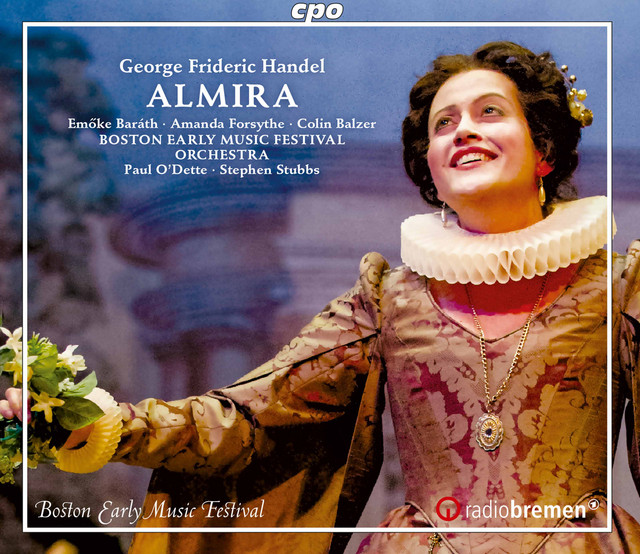
Handel: Almira, HWV 1
George Frideric Handel, Emőke Baráth, Amanda Forsythe, Colin Balzer, Christian…
American Early Music
2019
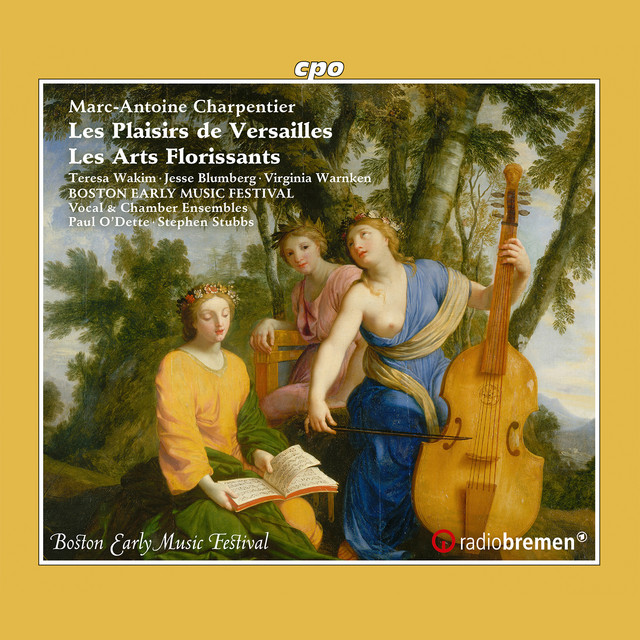
Charpentier: Les plaisirs de Versailles, H. 480 & Les arts florissants, H. 487
Marc-Antoine Charpentier, Teresa Wakim, Virginia Warnken, Jesse Blumberg, Bosto…
American Early Music
2016
Handel: Acis and Galatea, HWV 49
George Frideric Handel, Aaron Sheehan, Teresa Wakim, Boston Early Music Festiva…
Baroque Singing
2000
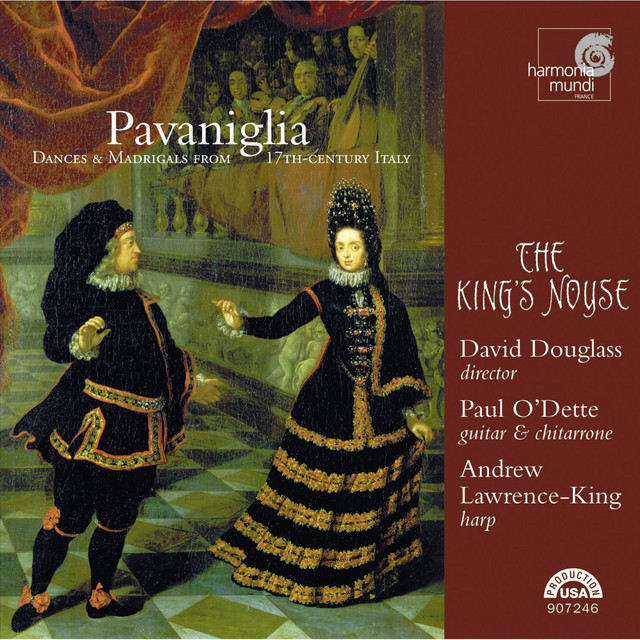
Pavaniglia - Dances & Madrigals from 17th-century Italy
The King's Noyse, Andrew Lawrence-King, David Douglass, Paul O'Dette, Ellen Har…
American Early Music
1997
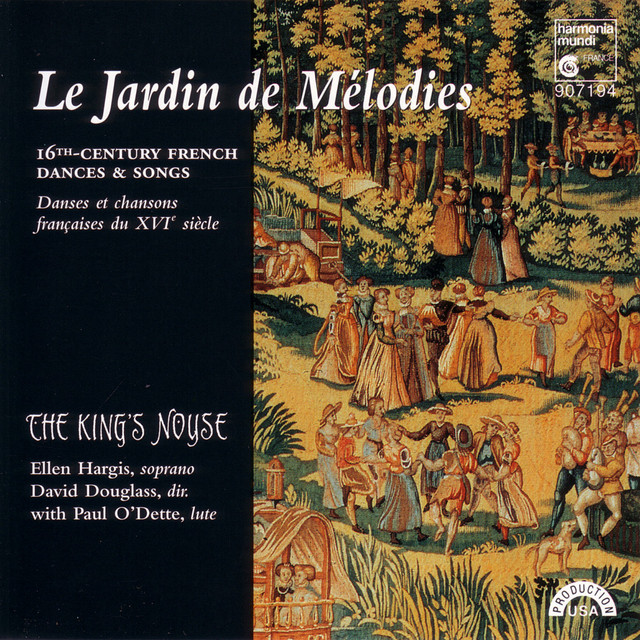
Le Jardin De Melodies: 16th Century French Dances & Songs
The King's Noyse, Ellen Hargis, Paul O'Dette, David Douglass
American Early Music
1995
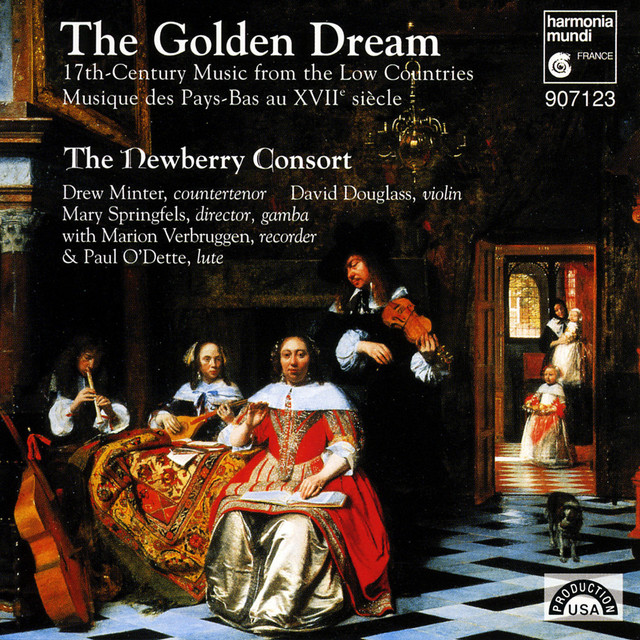
The Golden Dream (17th Century Music from the Low Countries)
The Newberry Consort, Marion Verbruggen, Mary Springfels, Paul O'Dette
American Early Music
Similar artists
2
/5
Stephen Stubbs
American Early Music
Medieval
Opera
4
/5
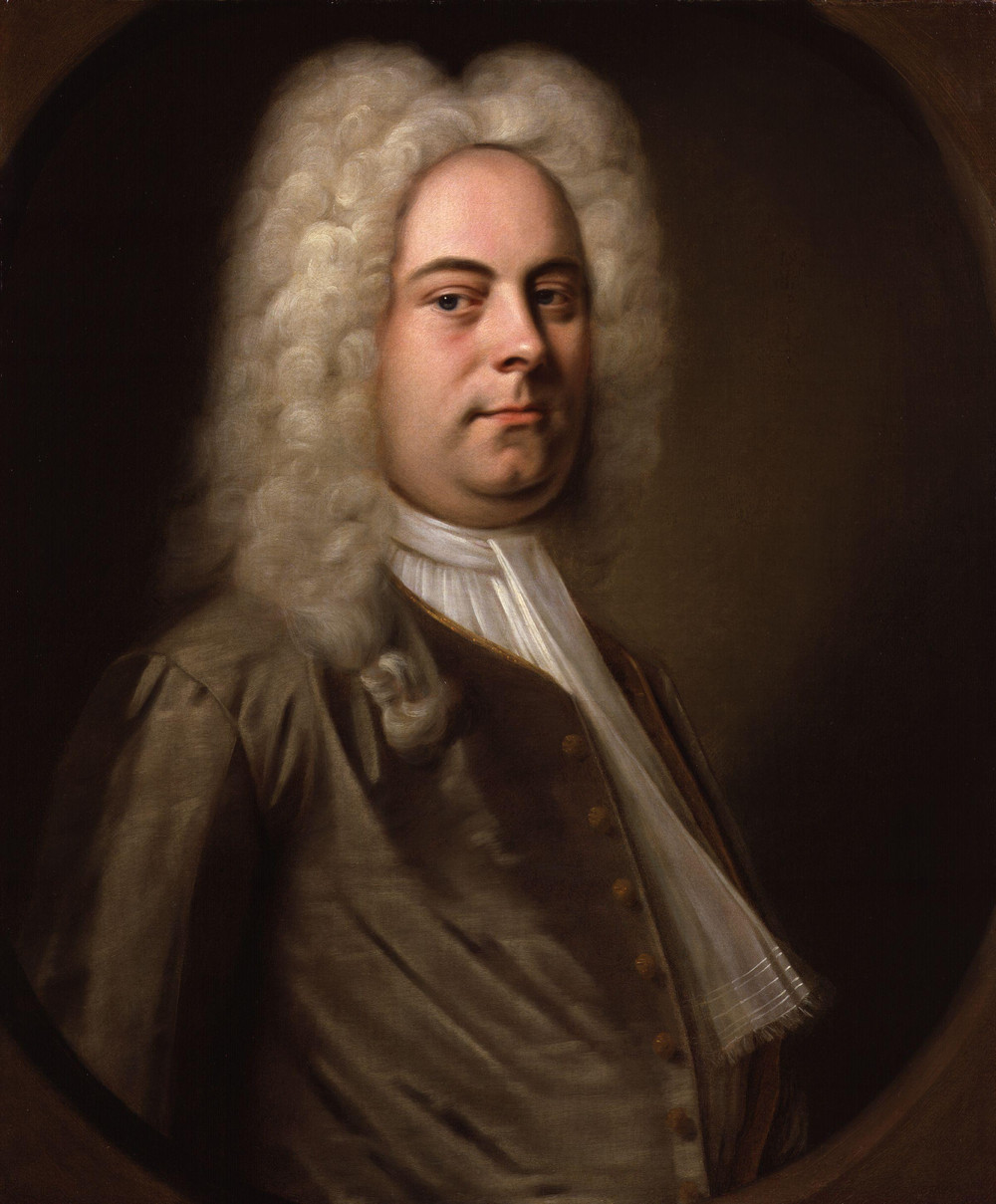
George Frideric Handel
Classical
Opera Seria
Classical Countertenor
3
/5
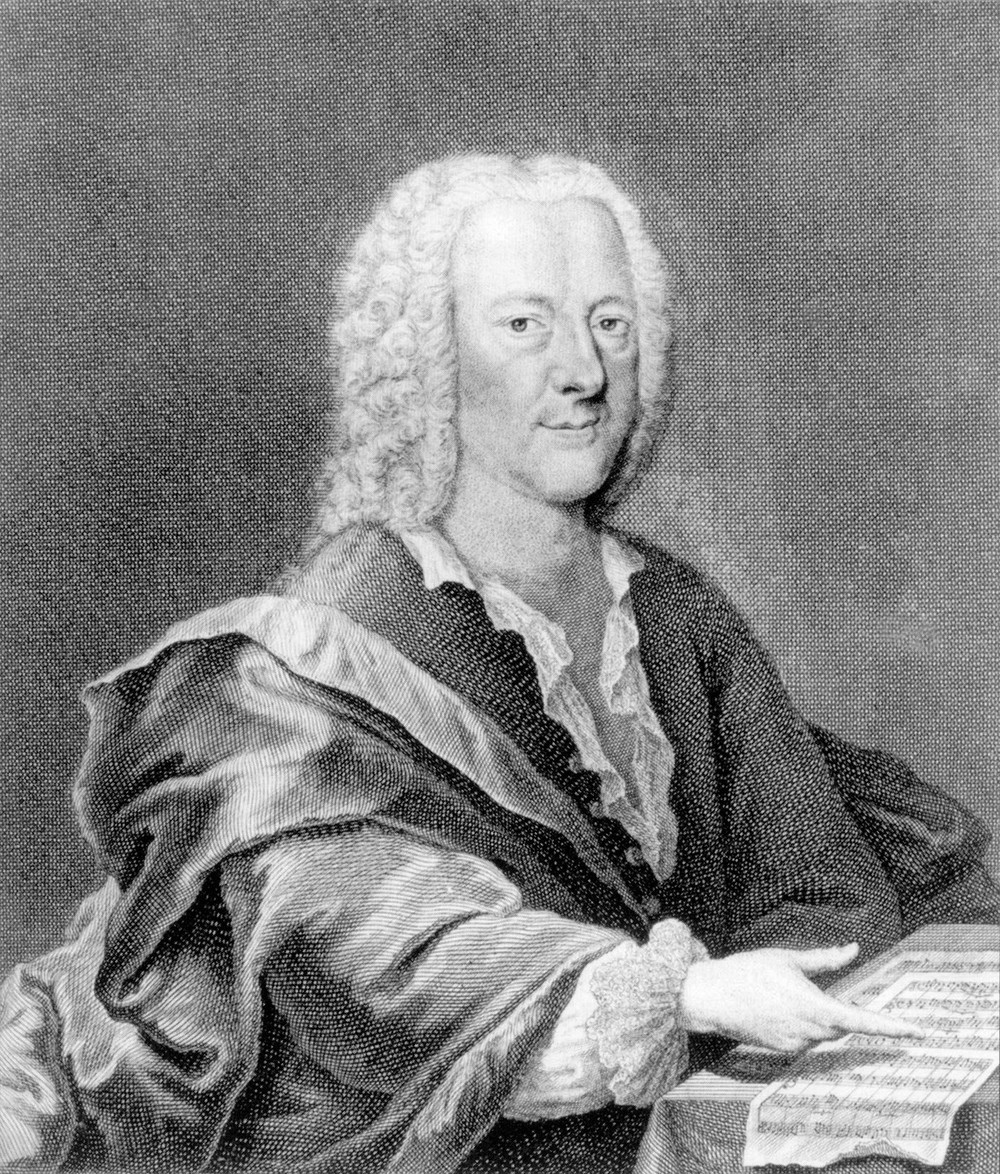
Georg Philipp Telemann
Baroque Woodwind
Fantasia
Recorder
3
/5
Christina Pluhar
Classical
Italian Folk Music
Baroque
2
/5
Le Poème Harmonique
Renaissance
Classical
Baroque
2
/5
Chœur De Chambre De Namur
Opera
Classical
Tragédie En Musique
2
/5
Andrew Lawrence-King
Baroque
Celtic
Early Music
2
/5
Marc-Antoine Charpentier
Tragédie En Musique
Baroque Singing
Classical
2
/5
Guillaume Dufay
Franco-Flemish School
Classical
Medieval
2
/5
Vincent Dumestre
Classical
Baroque Singing
Medieval
Download our mobile app
Get the Melodigging app and start digging for new genres on the go
Download on the App Store
Get it on Google Play
© 2026 Melodigging
Give feedback
Legal
Melodding was created as a tribute to
Every Noise at Once
, which inspired us to help curious minds keep digging into music's ever-evolving genres.