Genres
Artists
Albums
Make Music
Sign in
Sign in
Artists
Classical
Artists
Classical
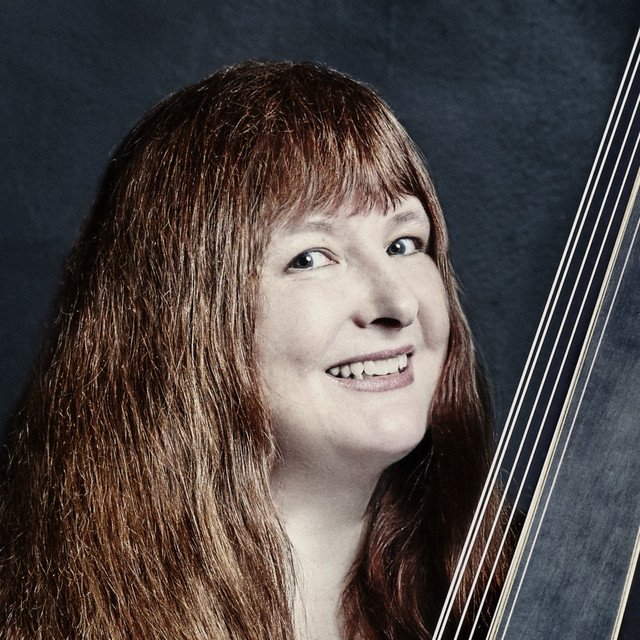
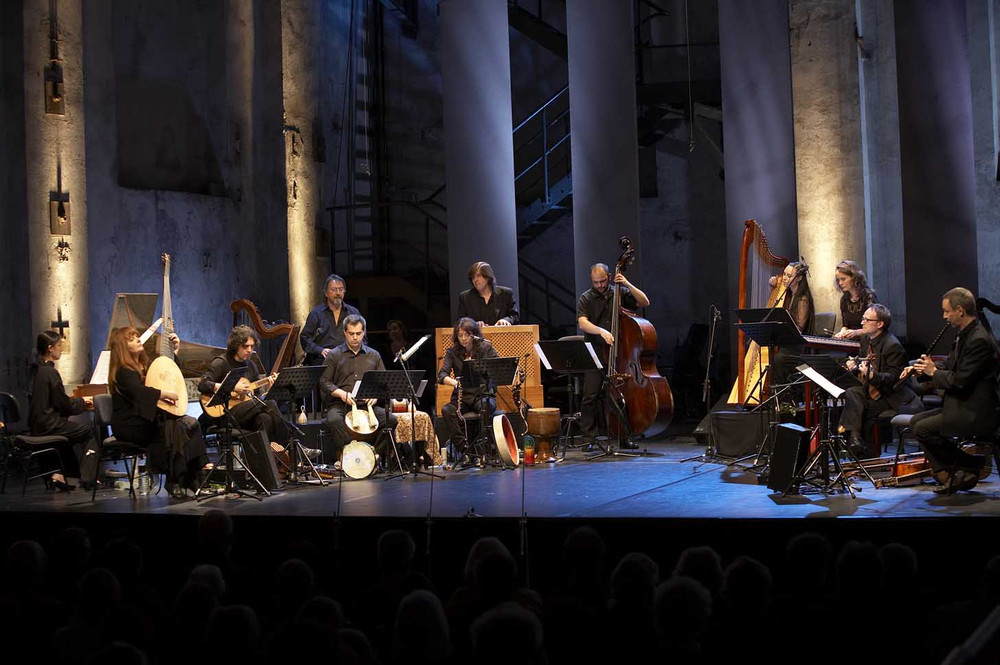
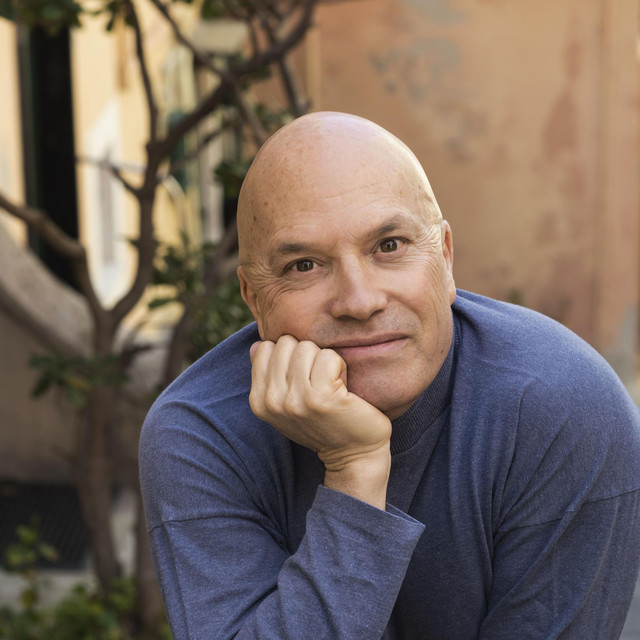
Christina Pluhar
2002–2021
·
4 albums
Listen
3
/5
Genres
Italian Folk Music
Italian folk music encompasses a mosaic of regional traditions that developed across the Italian peninsula and islands, each with distinct languages/dialects, instruments, dance rhythms, and vocal practices. While the roots reach far back, the repertoire and identity we recognize today were largely documented and consolidated from the 19th century onward. Characteristic elements include lively dance forms such as tarantella, pizzica, saltarello, and tammurriata; robust polyphonic traditions like Sardinia’s canto a tenore and Liguria’s trallalero; narrative stornelli and ballads; and ritual songs tied to the seasons, work, and devotion. Typical instruments are frame drums (tamburello/tammorra), diatonic accordion (organetto), Italian bagpipes (zampogna) with shawm (ciaramella), launeddas (Sardinia), chitarra battente, mandolin, and fiddle. Modal melodies, drones, and call-and-response vocals are common throughout. Beyond entertainment, the music historically served social and spiritual functions—from communal dance to religious processions and even the famous (and debated) "tarantism" healing rituals in the South. In modern times it thrives in both local festivities and the global world-music circuit.
Discover
Listen
European Folk Music
European folk music is an umbrella term for the traditional, community-based music practices of Europe, spanning ballads, dance tunes, ritual songs, and work songs passed down largely through oral transmission. It emphasizes local languages, modal melodies, and characteristic rhythms linked to social dances and seasonal customs. While many of its musical roots are older, the idea of “folk” as a category coalesced in the 19th century alongside nation-building, when collectors and scholars documented village repertoires and instruments. Today, European folk music encompasses both preserved regional traditions and living, evolving practices that continue to inform contemporary genres.
Discover
Listen
Italian Music
Italian music is the broad musical tradition and industry of Italy, spanning art, folk, sacred, and popular idioms. It is globally renowned for birthing opera, shaping instrumental forms such as the concerto and sonata, and cultivating a lyrical, melody‑forward aesthetic known through bel canto and the canzone tradition. From medieval chant and Renaissance polyphony to Baroque virtuosity and Romantic opera, Italian music has repeatedly defined international taste. In the 20th century it evolved through film scoring, singer‑songwriters (cantautori), and dance genres like Italo‑disco and Italo house, while regional folk styles (e.g., tarantella, Neapolitan song) remain central to its identity.
Discover
Listen
Tarantella
Tarantella is a family of fast, swirling southern Italian folk dances and song-forms associated with regions such as Calabria, Campania (tammurriata), Sicily, and Apulia/Salento (pizzica). In music, it is typically in compound duple meter (6/8 or 12/8), driven by the sharp rattle and rolls of the tamburello (frame tambourine), with lutes and guitars (chitarra battente), mandolin, organetto (diatonic accordion), zampogna (bagpipes), and reedy shawms (ciaramella) providing melody and drones. Stylistically, tarantella pieces often alternate between major and minor colorations and intensify through gradual accelerando, encouraging a whirling, call-and-response dance. Historically linked to the folkloric cure for “tarantism,” the modern tarantella has become one of the most recognizable symbols of southern Italian musical identity and a staple of stage performance and festival culture across Italy, Greece, and Malta.
Discover
Listen
Classical
Classical music is the notated art-music tradition of Europe and its global descendants, characterized by durable forms, carefully codified harmony and counterpoint, and a literate score-based practice. The term “classical” can refer broadly to the entire Western art-music lineage from the Medieval era to today, not just the Classical period (c. 1750s–1820s). It privileges long-form structures (such as symphonies, sonatas, concertos, masses, and operas), functional or modal harmony, thematic development, and timbral nuance across ensembles ranging from solo instruments to full orchestras and choirs. Across centuries, the style evolved from chant and modal polyphony to tonal harmony, and later to post-tonal idioms, while maintaining a shared emphasis on written notation, performance practice, and craft.
Discover
Listen
Medieval
Medieval music refers to the diverse sacred and secular musical practices of Europe between the fall of the Western Roman Empire and the dawn of the Renaissance. It spans more than eight centuries, from early monophonic chant to the first notated polyphony. Core features include the use of church modes rather than major/minor, extensive reliance on vocal music (Latin sacred chant as well as vernacular song), and the progressive development from unmeasured chant to rhythmic modal notation and, later, mensural notation. Texture evolves from monophony (plainchant, troubadour songs) to organum, conductus, and the motet, culminating in complex isorhythmic works by the late 13th–14th centuries. Secular traditions—troubadours and trouvères in France, Minnesänger in German lands, and the Iberian Cantigas—coexisted with and influenced sacred practice. Instruments such as the vielle, harp, psaltery, recorder, shawm, hurdy-gurdy, and portative organ often doubled or accompanied voices, though much music remained purely vocal.
Discover
Listen
Albums
2021
2
/5
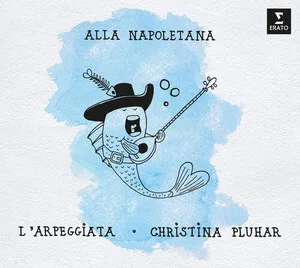
Alla Napoletana
L' Arpeggiata / Christina Pluhar
Tarantella
Classical
2004
1
/5
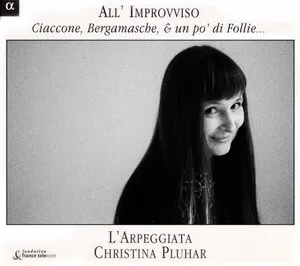
All'improvviso: Ciaccone, bergamasche, & un po' di follie...
L' Arpeggiata / Christina Pluhar
Italian Folk Music
Classical
2002
1
/5
Homo fugit velut umbra...
[anonymous] / L' Arpeggiata / Christina Pluhar
Italian Folk Music
Italian Music
Classical
2002
1
/5
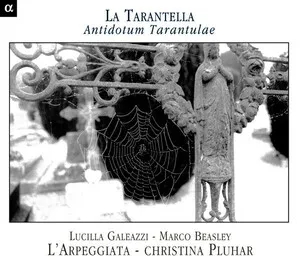
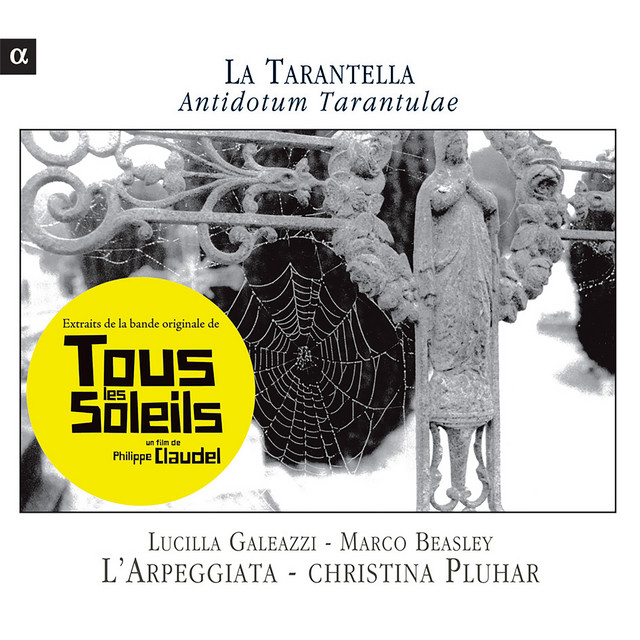
La tarantella: Antidotum tarantulae
L' Arpeggiata / Christina Pluhar / Lucilla Galeazzi / Marco Beasley
Tarantella
Italian Folk Music
Italian Music
Similar artists
3
/5
L'Arpeggiata
Classical
Italian Folk Music
Italian Music
2
/5
Marco Beasley
Medieval
Traditional Music
Classical
2
/5
Lucilla Galeazzi
Baroque
Canzone Napoletana
Renaissance
2
/5
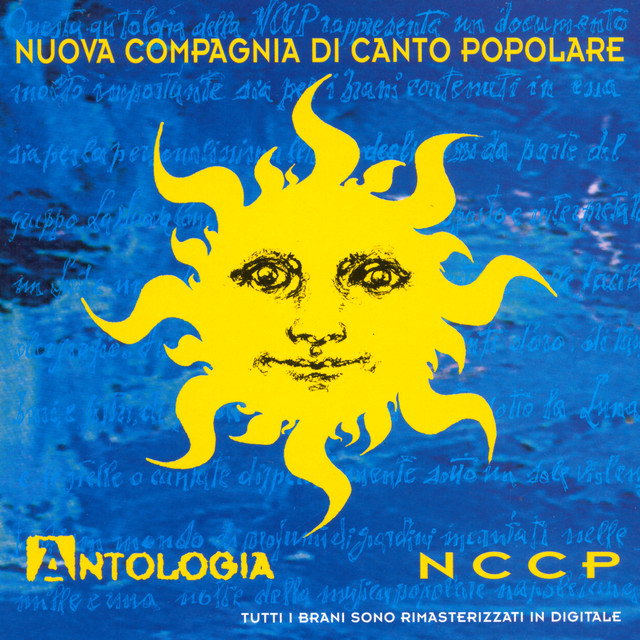
Nuova Compagnia Di Canto Popolare
Canzone Napoletana
Italian Folk Music
Italian Singer-Songwriter
3
/5
Angelo Branduardi
Canzone D'autore
Italian Music
Italian Singer-Songwriter
1
/5
Atrium Musicae de Madrid
Medieval
Andalusian Classical
Arabic Classical Music
4
/5
Wolfgang Amadeus Mozart
Classical
Requiem
Classical Period
3
/5
Anonymous
Ars Antiqua
Gregorian Chant
Medieval
3
/5
Jordi Savall
Renaissance
Baroque
Classical
3
/5
Hildegard von Bingen
Gregorian Chant
Plainchant
Classical
Download our mobile app
Get the Melodigging app and start digging for new genres on the go
Download on the App Store
Get it on Google Play
© 2026 Melodigging
Give feedback
Legal
Melodding was created as a tribute to
Every Noise at Once
, which inspired us to help curious minds keep digging into music's ever-evolving genres.