Genres
Artists
Albums
Make Music
Sign in
Sign in
Artists
Jazz
Artists
Jazz
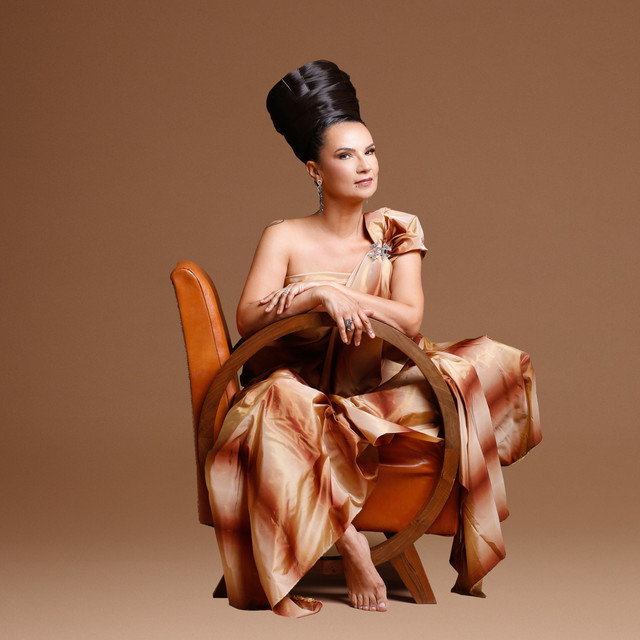
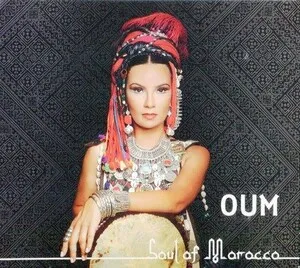
Oum
2009–2019
·
4 albums
Listen
3
/5
Genres
Maimouna
Maimouna is a contemporary Francophone West- and Central‑African club style and dance craze that emerged in the early 2020s, most strongly associated with Côte d’Ivoire’s hyperactive urban party scene. It blends upbeat Afropop songcraft with street‑level chant, call‑and‑response hooks, and kinetic, percussion‑forward beats designed for viral dance challenges. Typical tracks ride a mid‑fast 100–118 BPM groove with shaker and cowbell patterns, handclaps, snare rushes, and short synth stabs or guitar licks. Vocals often mix Nouchi (Ivorian street slang) with French, using playful boasts, dance instructions, and catchy refrains. The production is bright and punchy, favoring simple harmonic loops so the crowd‑energy, chants, and choreography lead the experience.
Discover
Listen
Moroccan Pop
Moroccan pop is contemporary, radio‑friendly music from Morocco that blends North African rhythms and modes with global pop craft. It draws on chaabi street grooves, gnawa bass patterns, and Andalusian ornamentation while embracing glossy production, catchy toplines, and dance‑floor energy. Sung primarily in Moroccan Arabic (Darija), it often weaves in French, Standard Arabic, Amazigh (Tamazight), and occasional English phrases. The sound palette ranges from darbuka, bendir, and qraqeb to modern drum machines, synths, and Auto‑Tune, yielding sleek hooks that sit comfortably between Arab pop, French pop, R&B, hip hop, EDM, and, more recently, reggaeton and Afro‑leaning rhythms.
Discover
Listen
Arab Alternative
Arab alternative is an independent, non-mainstream movement from the Arab world that blends Western alternative and indie aesthetics with Arabic melodic modes (maqam), rhythms (iqa'at), and vernacular lyrics. It favors a DIY ethos, hybrid instrumentation, and intimate or socially aware storytelling over glossy commercial pop formulas. Typical arrangements fuse electric guitars, bass, and drum kits with oud, buzuq, qanun, or darbuka, and often weave in trip-hop textures, synth pads, and field recordings. Vocals draw on Arabic ornamentation and microtonal inflections, while lyrics span dialects (Levantine, Egyptian, Maghrebi, Gulf) and address identity, urban life, love, and politics. The result ranges from moody, downtempo electronica to gritty post‑punk and dreamy indie rock—always grounded in a distinctly Arabic sensibility.
Discover
Listen
World
World music is a broad, industry-coined umbrella for traditional, folk, and contemporary popular styles from around the globe that fall outside the Anglo-American pop mainstream. The label emerged in the 1980s as a retail and marketing category to group diverse regional musics for international distribution. Musically, it spans acoustic and electric instrumentation; modal, pentatonic, and microtonal pitch systems; and rhythms ranging from cyclical grooves and polyrhythms to asymmetrical meters. While the term can obscure local specificity, it also facilitated cross-cultural collaboration, festivals, and recordings that brought regional genres to wider audiences.
Discover
Listen
Sahrawi Music
Sahrawi music is the modern and traditional music of the Sahrawi people of Western Sahara and the refugee camps across the border in Algeria. It blends Bedouin-Hassaniya poetic traditions and modal melodies with hand-drum grooves, call-and-response vocals, and (in contemporary practice) electric guitar textures. At its core are the tbal (frame drum), communal female choruses with ululations, and solo vocal lines that carry richly metaphorical poetry about desert life, love, exile, and political struggle. Since the late 1970s, musicians have adapted the timbre and phrasing of older instruments like the tidinit (lute) and ardin (harp) to the electric guitar, creating cyclical, trance-like riffs over swaying 6/8 and 12/8 rhythms. The result is a sound that feels both intimate and epic: rooted in Hassaniya verse and North African maqam-like modes, yet energized by amplified guitars and a resilient, communal performance ethos shaped by displacement and resistance.
Discover
Listen
Soul
Soul is a genre of popular music that blends the spiritual fervor and vocal techniques of African‑American gospel with the grooves and song forms of rhythm & blues and the harmonic palette of jazz and blues. It is defined by impassioned, melismatic lead vocals; call‑and‑response with backing singers; handclaps and a strong backbeat; syncopated bass lines; and memorable horn or string riffs. Typical instrumentation includes drum kit, electric bass, electric guitar, piano or Hammond organ, horns (trumpet, saxophone, trombone), and sometimes orchestral strings. Lyrically, soul ranges from love and heartbreak to pride, social commentary, and spiritual yearning. Regionally distinct scenes—such as Detroit’s Motown, Memphis/Stax, Muscle Shoals, Chicago, New Orleans, and Philadelphia—shaped different flavors of soul, while the style’s emotional directness and rhythmic drive made it a cornerstone of later funk, disco, contemporary R&B, and hip hop.
Discover
Listen
Folk
Folk is a song-centered acoustic tradition rooted in community storytelling, everyday life, and social history. It emphasizes clear melodies, simple harmonies, and lyrics that foreground narrative, protest, and personal testimony. As a modern recorded genre, folk coalesced in the early-to-mid 20th century in the United States out of older ballad, work song, and rural dance traditions. It typically features acoustic instruments (guitar, banjo, fiddle, mandolin, harmonica), strophic song forms, and participatory singing (choruses, call-and-response).
Discover
Listen
Jazz
Jazz is an improvisation-centered music tradition that emerged from African American communities in the early 20th century. It blends blues feeling, ragtime syncopation, European harmonic practice, and brass band instrumentation into a flexible, conversational art. Defining features include swing rhythm (a triplet-based pulse), call-and-response phrasing, blue notes, and extended harmonies built on 7ths, 9ths, 11ths, and 13ths. Jazz is as much a way of making music—spontaneous interaction, variation, and personal sound—as it is a set of forms and tunes. Across its history, jazz has continually hybridized, from New Orleans ensembles and big-band swing to bebop, cool and hard bop, modal and free jazz, fusion, and contemporary cross-genre experiments. Its influence permeates global popular and art music.
Discover
Listen
Blues
Blues is an African American musical tradition defined by expressive "blue notes," call-and-response phrasing, and a characteristic use of dominant-seventh harmony in cyclical song forms (most famously the 12‑bar blues). It is as much a feeling as a form, conveying sorrow, resilience, humor, and hard-won joy. Musically, blues commonly employs the I–IV–V progression, swung or shuffled rhythms, and the AAB lyric stanza. Melodies lean on the minor/major third ambiguity and the flattened fifth and seventh degrees. Core instruments include voice, guitar (acoustic or electric), harmonica, piano, bass, and drums, with slide guitar, bends, and vocal melismas as signature techniques. Over time the blues has diversified into regional and stylistic currents—Delta and Piedmont country blues, urban Chicago and Texas blues, West Coast jump and boogie-woogie—while profoundly shaping jazz, rhythm & blues, rock and roll, soul, funk, and much of modern popular music.
Discover
Listen
Gospel
Gospel is a vocal-centered Christian genre whose lyrics explicitly express faith, salvation, hope, and communal testimony. Performances emphasize expressive lead vocals, choirs, call-and-response, and congregational participation, often supported by piano/organ, handclaps, and a rhythm section. While the modern form coalesced in the early 20th century through urban church music and the work of composer–leaders such as Thomas A. Dorsey, its roots trace back to earlier Christian hymnody and African American sacred traditions. Across cultures and denominations, gospel functions in worship, evangelism, community celebration, and—by the late 20th century—in commercial recordings and concerts. Stylistically, gospel spans traditional quartet and choir styles, “gospel blues,” and contemporary fusions with R&B, soul, pop, and hip hop. What unites these strands are dominant vocals, testimonial lyrics grounded in Scripture and lived experience, and a performance practice designed to move both spirit and body.
Discover
Listen
Gnawa
Gnawa is a spiritual, trance-based music of Morocco associated with the Gnawa brotherhoods, a community with roots in sub‑Saharan Africa and Sufi Islam. It centers on a deep, percussive bass lute called the guembri (also known as sintir or hajhuj), the bright metallic clatter of iron castanets (qraqeb/krakebs), unison handclaps, and call‑and‑response vocals. Performances often unfold in an all‑night ritual called a lila (derdeba), where cyclical 6/8 grooves and repetitive chants invite communal participation and induce a trance state. The repertoire invokes saints and ancestral spirits (mluk), moving through color-coded suites and intensifying rhythmic layers. While firmly rooted in West African rhythmic sensibilities, Gnawa also absorbs Maghrebi and Sufi aesthetics, producing a sound that is both devotional and intensely groove‑driven.
Discover
Listen
Show all 11 genres
Albums
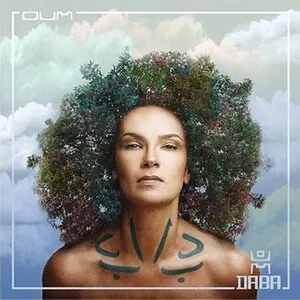
2019
1
/5
Daba
OUM
Sahrawi Music
Blues
Folk
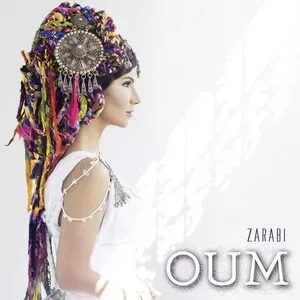
2015
1
/5
Zarabi
OUM
Sahrawi Music
Folk
Gospel
2013
1
/5
Soul of Morocco
OUM
Sahrawi Music
2009
1
/5
Lik'Oum
OUM
Sahrawi Music
Similar artists
3
/5
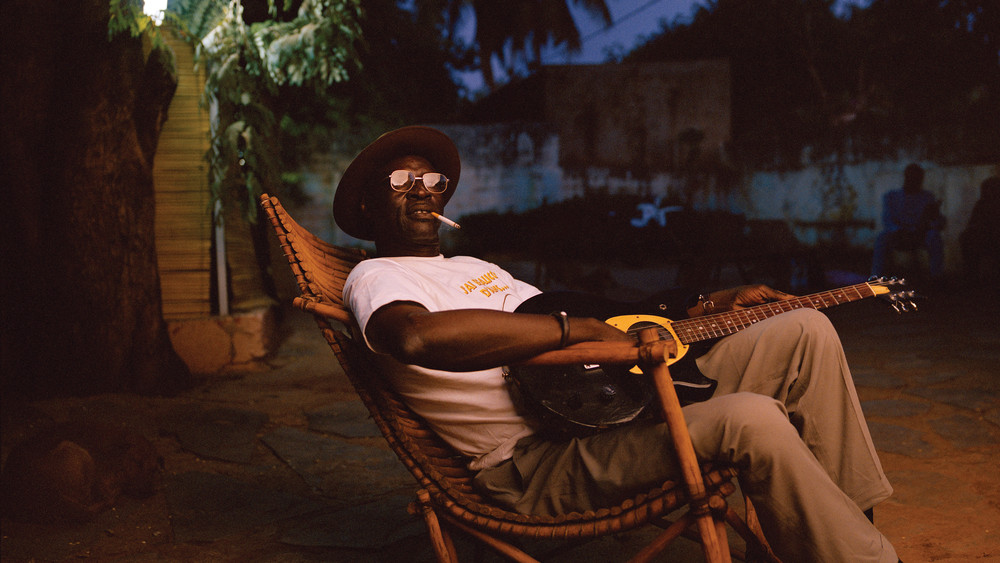
Ali Farka Touré
Songhai Music
Blues
Desert Blues
1
/5
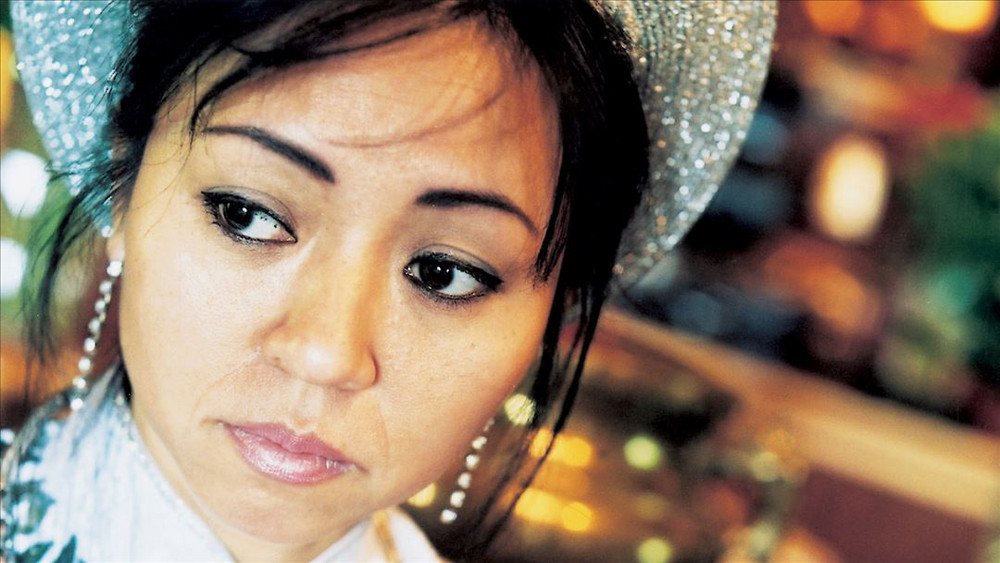
Huong Thanh
Vietnamese Folk Music
Vietnamese Music
Jazz
1
/5
Various Artists
Afro-Funk
Alternative Rock
Ambient
3
/5
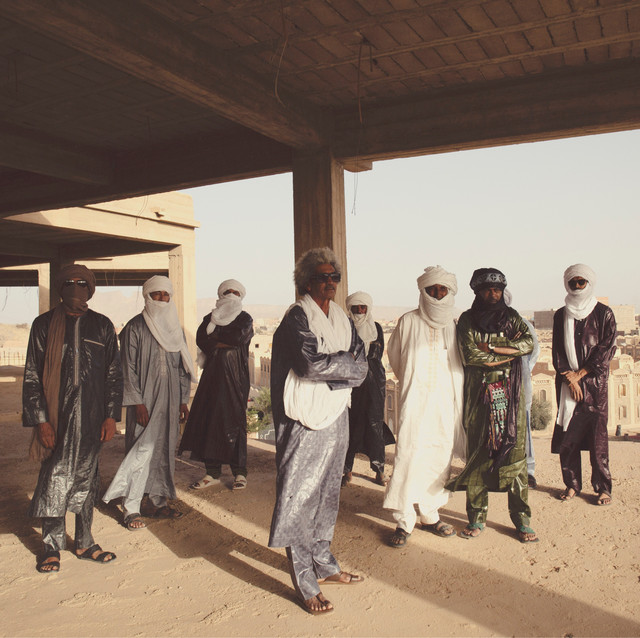
Tinariwen
Desert Blues
Musique Touareg
Tuareg Guitar
2
/5
Nass El Ghiwane
Gnawa
African Folk Music
Algerian Chaabi
2
/5
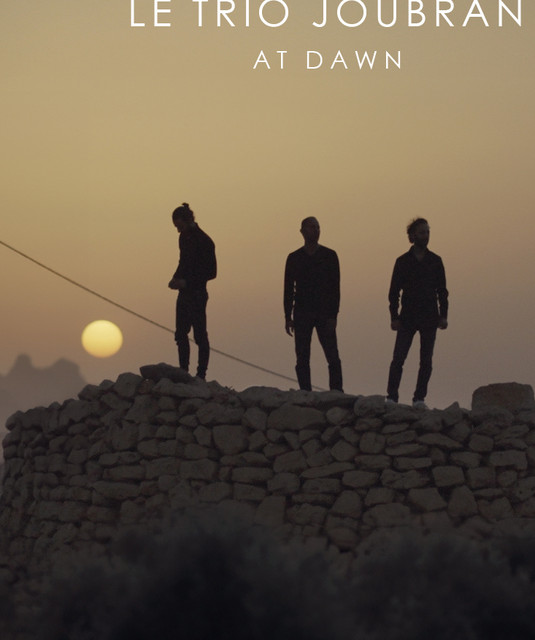
Le Trio Joubran
Arabic Jazz
Arabic Folk Music
Gnawa
2
/5
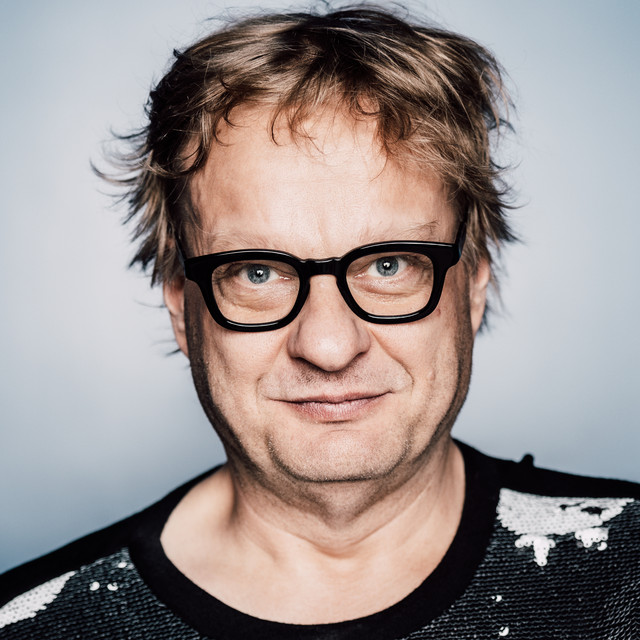
Iiro Rantala
Jazz
Gnawa
Neoclassicism
2
/5
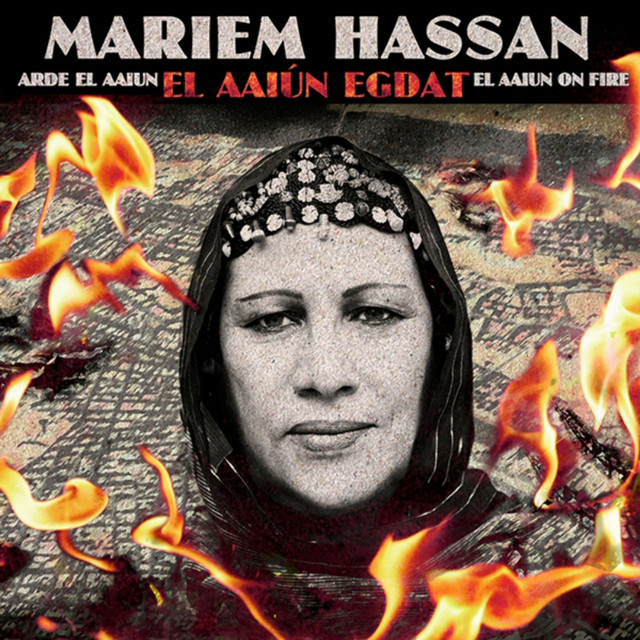
Mariem Hassan
Sahrawi Music
Gnawa
Souldies
2
/5
Daniel García
Jazz
Modern Jazz Trio
Gnawa
2
/5
Nguyên Lê
Jazz
French Jazz
Gnawa
Download our mobile app
Get the Melodigging app and start digging for new genres on the go
Download on the App Store
Get it on Google Play
© 2026 Melodigging
Give feedback
Legal
Melodding was created as a tribute to
Every Noise at Once
, which inspired us to help curious minds keep digging into music's ever-evolving genres.