Genres
Artists
Albums
Make Music
Sign in
Sign in
Artists
Big Band
Artists
Big Band
Orrin Evans
2021–2022
·
2 albums
Listen
1
/5
Genres
Contemporary Jazz
Contemporary jazz is an umbrella term for post-1970 jazz that absorbs advances from post‑bop, fusion, free jazz, modern classical, and global traditions while retaining the core values of improvisation and interaction. It favors a flexible rhythmic feel (from straight‑8 to polyrhythms), modal and post‑tonal harmony, and a producer’s ear for space, texture, and sound design. Unlike earlier era labels tied to a single movement, contemporary jazz denotes a living, evolving practice. It ranges from intimate acoustic trios to electronics‑enhanced ensembles, often using odd meters, ambient timbres, and song forms that move beyond the 32‑bar standard. The result is a wide spectrum—from lyrical, ECM‑influenced spaciousness to groove‑forward, rhythmically intricate music influenced by funk and world traditions.
Discover
Listen
Straight-Ahead Jazz
Straight-ahead jazz is a mainstream, acoustic jazz style that became clearly defined in the 1960s, drawing heavily on the swing, bebop, and hard bop language of the prior two decades. It generally avoids the rock backbeat and amplification associated with jazz-rock fusion, and it also avoids the open-ended, texture-based approaches of free jazz. Typical features include swinging ride-cymbal time, walking bass lines, conventional piano comping, head–solos–head song forms, and improvisation rooted in functional harmony (blues, rhythm changes, and standard song progressions). Ensembles are usually small groups (trio to sextet), with an emphasis on interaction, strong time feel, and clearly articulated melodic improvisation.
Discover
Listen
Hard Bop
Hard bop is a mid‑1950s subgenre of jazz that extends bebop’s virtuosic improvisation while bringing back a more explicitly African‑American groove. It incorporates pronounced influences from blues, rhythm & blues, and gospel—especially evident in riff‑based heads, church‑like harmonic movements on piano, and earthy saxophone phrasing. Compared with bebop, hard bop favors stronger backbeat accents, more grounded bass lines, and memorable, soulful melodies, all while retaining fast, harmonically rich improvisation when desired. Typical ensembles are small groups (often quintets) with trumpet, tenor sax, piano, bass, and drums. The style’s hallmark is the blend of bop harmony and lines with blues/gospel feeling and a driving swing feel.
Discover
Listen
Modern Jazz Piano
Modern jazz piano is a piano-led jazz style that emphasizes sophisticated harmony, flexible time feel, and highly personalized improvisation. Compared with earlier stride and swing-era approaches, it typically uses richer chord extensions, altered dominants, modal harmony, and more advanced voice-leading. The style can be heard in small-group settings (trios and quartets) and solo piano, ranging from lyrical ballad playing to angular, rhythmically complex post-bop language. It often balances clear melodic storytelling with contemporary harmonic color, and it commonly integrates influences from classical music, soul, and modern jazz aesthetics.
Discover
Listen
Big Band
Big band is a large-ensemble style of jazz and popular dance music built around brass, reed, and rhythm sections playing arranged parts. Typical instrumentation includes five saxophones (often doubling clarinet/flute), four trombones, four trumpets, and a rhythm section of piano, guitar, upright bass, and drum set. The music emphasizes swing rhythms, call-and-response between sections, riff-based writing, and dramatic shout choruses, while leaving space for improvised solos. Born in American ballrooms and theaters, big band became the sound of the Swing Era, providing both music for dancing and a platform for sophisticated arranging and orchestration that shaped much of 20th‑century jazz and popular music.
Discover
Listen
Jazz
Jazz is an improvisation-centered music tradition that emerged from African American communities in the early 20th century. It blends blues feeling, ragtime syncopation, European harmonic practice, and brass band instrumentation into a flexible, conversational art. Defining features include swing rhythm (a triplet-based pulse), call-and-response phrasing, blue notes, and extended harmonies built on 7ths, 9ths, 11ths, and 13ths. Jazz is as much a way of making music—spontaneous interaction, variation, and personal sound—as it is a set of forms and tunes. Across its history, jazz has continually hybridized, from New Orleans ensembles and big-band swing to bebop, cool and hard bop, modal and free jazz, fusion, and contemporary cross-genre experiments. Its influence permeates global popular and art music.
Discover
Listen
Albums
2022
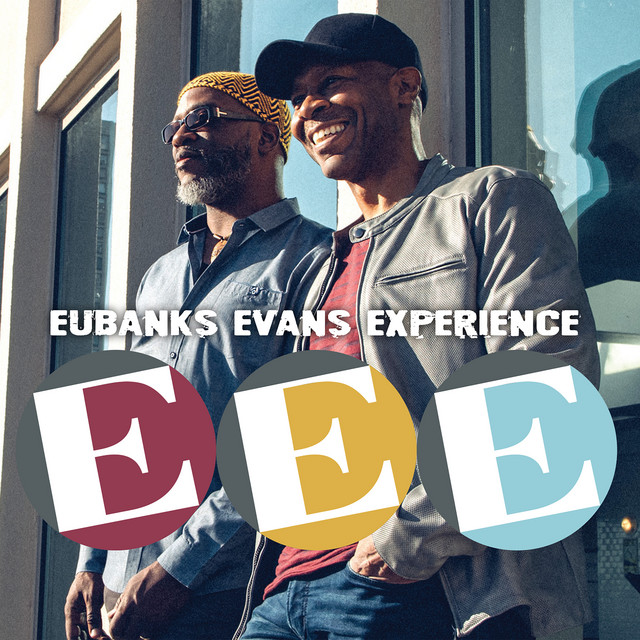
EEE (Eubanks-Evans-Experience)
Orrin Evans, Kevin Eubanks
Modern Jazz Piano
2021
1
/5
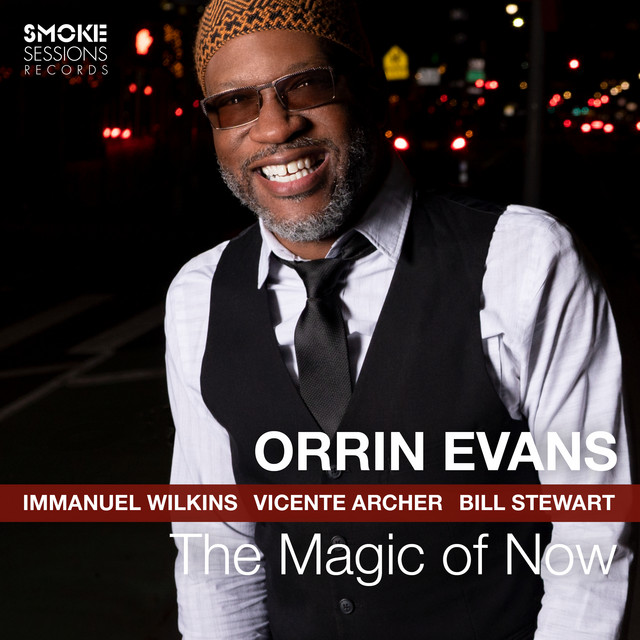
The Magic of Now
Orrin Evans
Straight-Ahead Jazz
Contemporary Jazz
Similar artists
4
/5
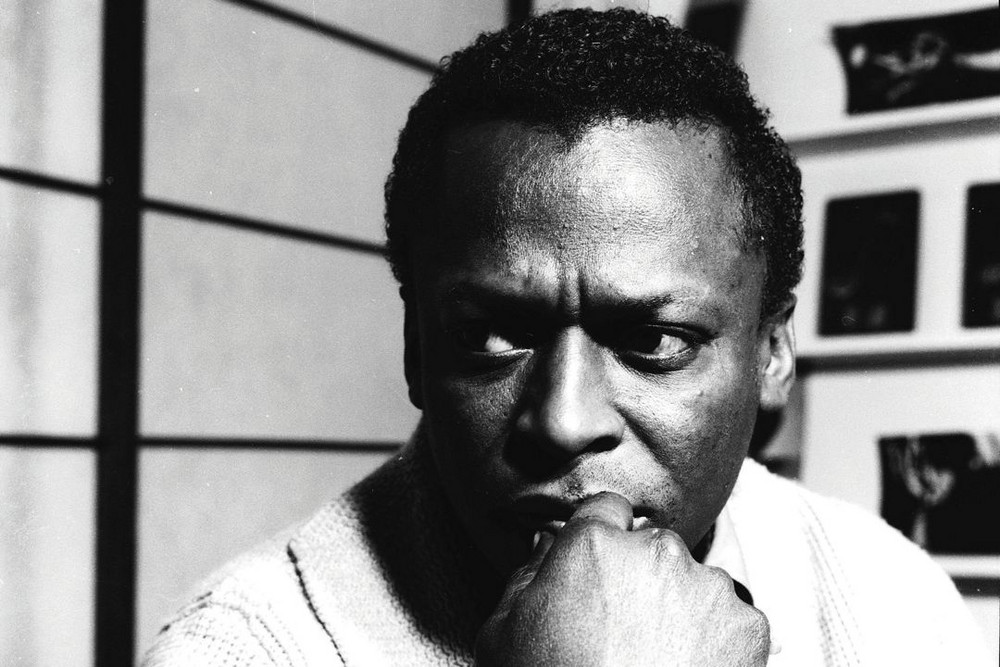
Miles Davis
Hard Bop
Jazz
Jazz Fusion
3
/5
Oliver Nelson
Jazz
Hard Bop
Big Band
3
/5
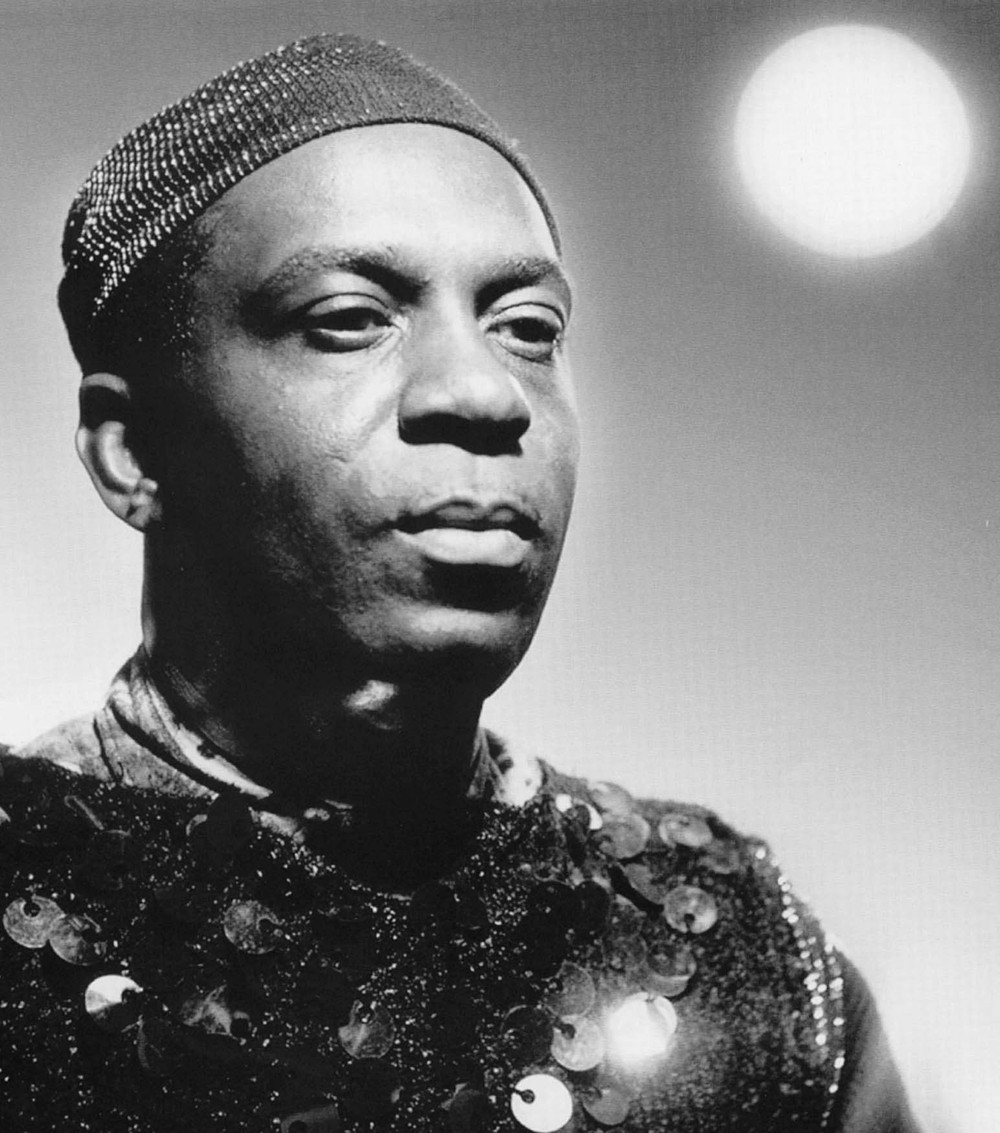
Sun Ra
Free Jazz
Jazz
Avant-Garde Jazz
4
/5
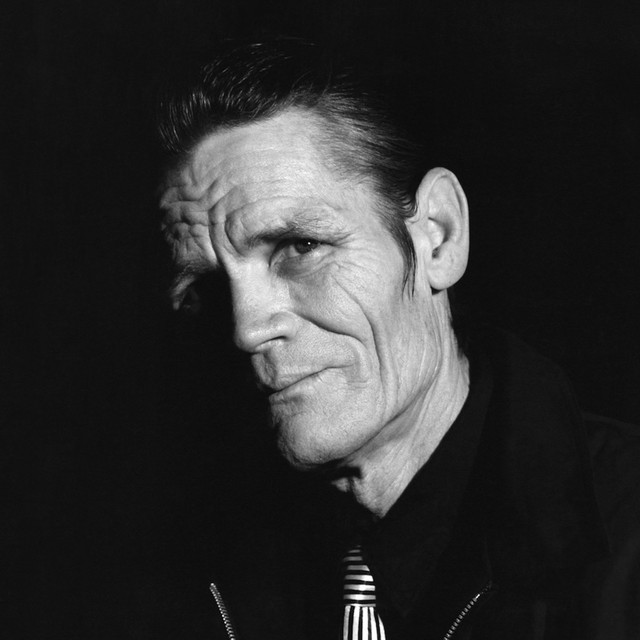
Chet Baker
Cool Jazz
Jazz
Jazz Trumpet
3
/5
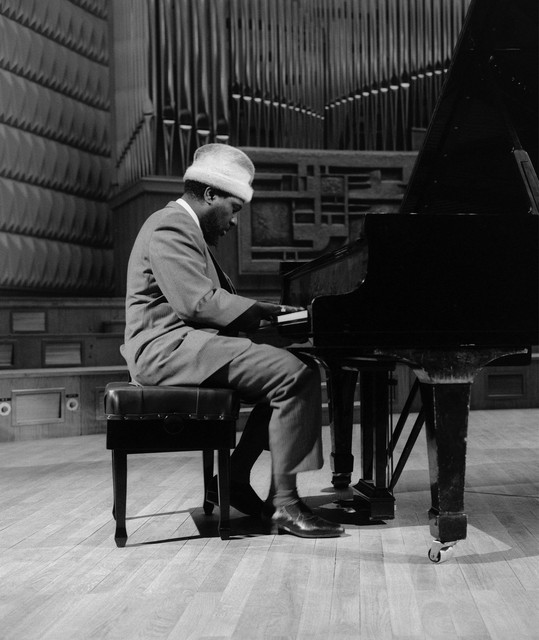
Thelonious Monk
Hard Bop
Jazz
Bebop
3
/5
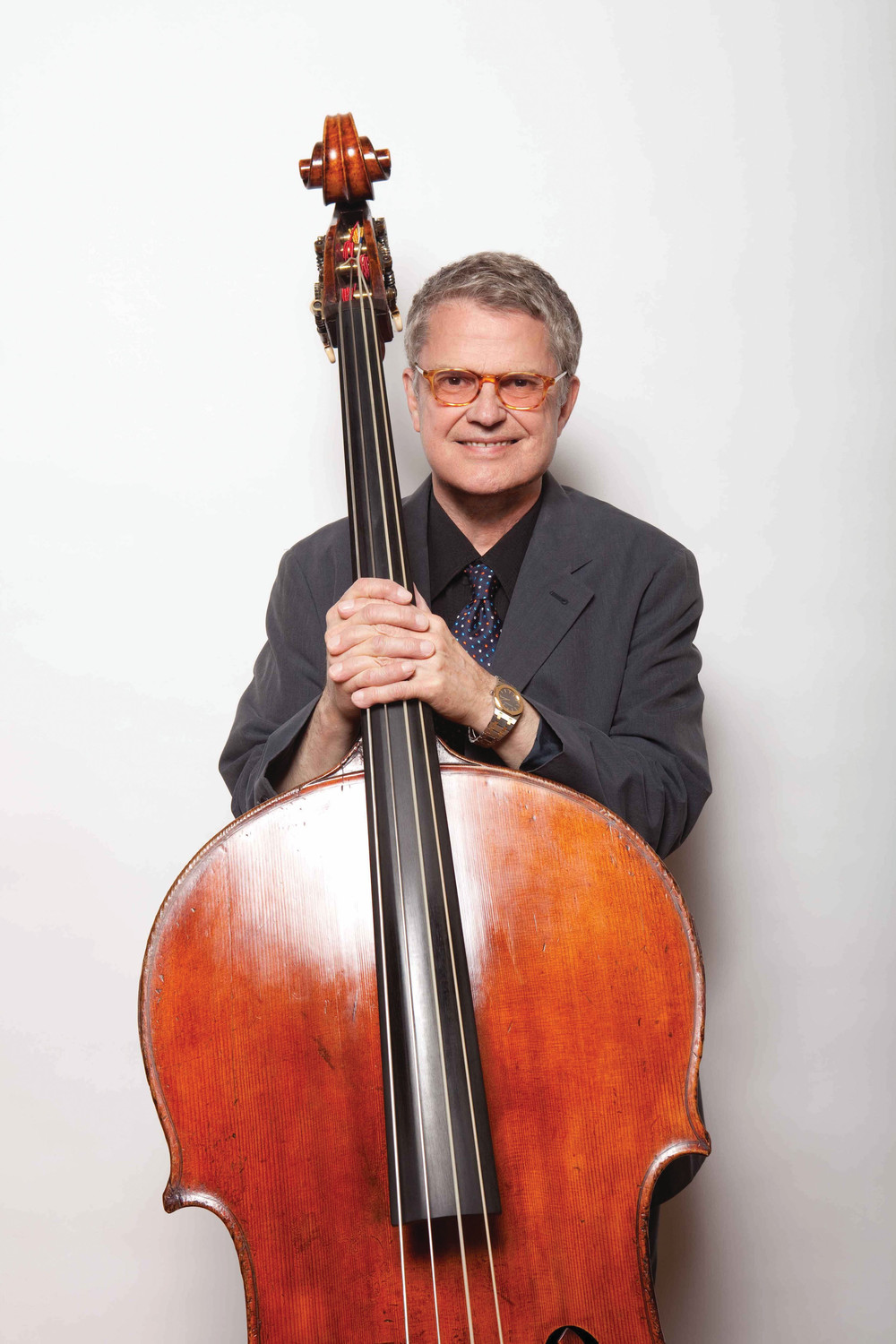
Charlie Haden
Jazz
Avant-Garde Jazz
Big Band
2
/5
Randy Brecker
Big Band
Jazz
Jazz Fusion
3
/5
Cyrus Chestnut
Christian Jazz
Jazz
Modern Jazz Piano
4
/5
Duke Ellington
Big Band
Swing
Jazz
3
/5
Teddy Wilson
Stride
Big Band
Hard Bop
Download our mobile app
Get the Melodigging app and start digging for new genres on the go
Download on the App Store
Get it on Google Play
© 2026 Melodigging
Give feedback
Legal
Melodding was created as a tribute to
Every Noise at Once
, which inspired us to help curious minds keep digging into music's ever-evolving genres.