Genres
Artists
Albums
Make Music
Sign in
Sign in
Artists
Big Band
Artists
Big Band
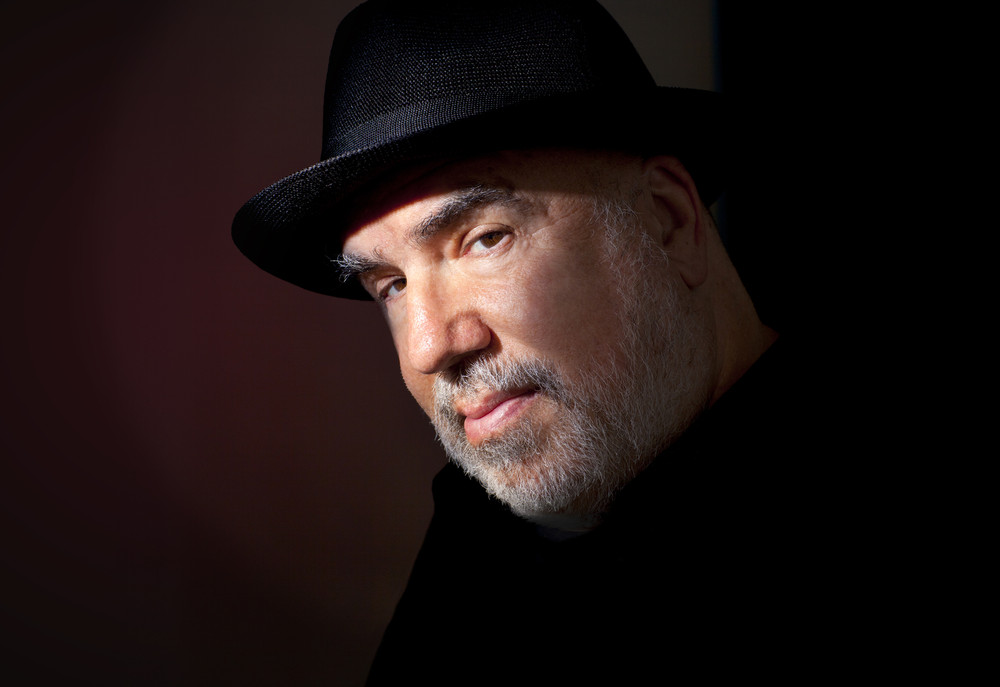
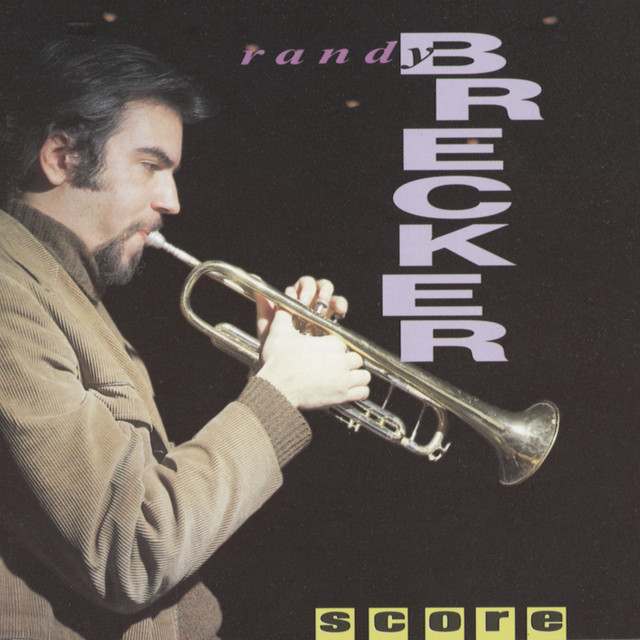
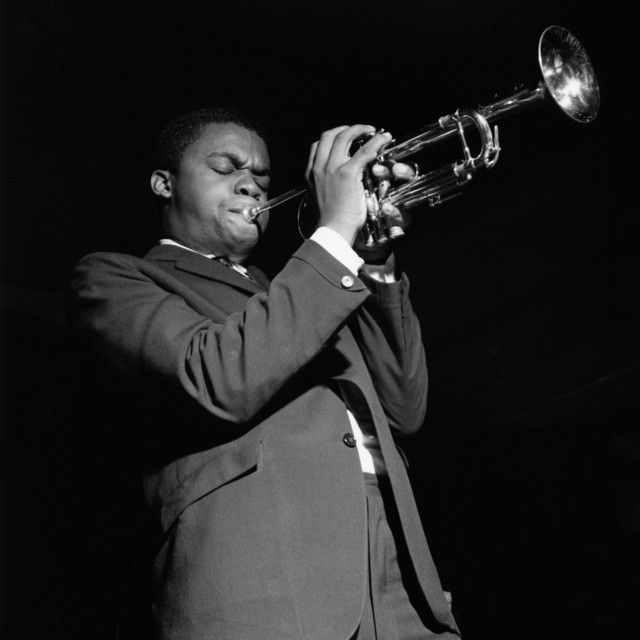
Randy Brecker
1969
·
1 album
Listen
2
/5
Genres
Ai
AI (artificial intelligence) as a music genre refers to works in which machine-learning systems are central to generating, arranging, or performing core musical material, rather than being used only as peripheral studio tools. The style spans fully generative ambient soundscapes and pop songs written from text prompts, to voice-cloned performances and neural resynthesis of timbres. Stylistically it borrows from contemporary electronic and internet-born aesthetics (hyperpop, vaporwave, IDM, electropop), while foregrounding the uncanny, synthetic qualities of ML models. Beyond sonics, AI music is also a process-driven genre: datasets, prompts, model architectures, and iterative sampling are treated as creative choices on par with chords or instrumentation. Ethical and legal questions around training data, consent, and authorship are part of its identity and discourse.
Discover
Listen
Contemporary Post-Bop
Contemporary post-bop is a modern continuation of the post-bop language, balancing the harmonic sophistication of bebop and hard bop with modal harmony, free-jazz openness, and updated rhythmic concepts. It typically favors small acoustic ensembles (saxophone or trumpet-led groups with piano, double bass, and drums), although guitar often substitutes or augments the piano in many groups. Compared with classic post-bop of the 1960s, contemporary post-bop embraces broader metric variety (odd meters, mixed meter, and polyrhythms), more flexible forms, and a wider palette of timbres. The writing often features original compositions with memorable heads, extended harmonies, motivic development, and space for improvisation that can move fluidly from inside playing to harmonically “outside” lines. The aesthetic ranges from straight-ahead swing to straight-eighth textures, with influences from ECM-style lyricism, modern classical voicings, and contemporary groove-oriented feels. The result is music that sounds rooted in the jazz tradition yet distinctly current in touch and tone.
Discover
Listen
Jazz-Funk
Jazz-funk is a groove-forward hybrid of jazz improvisation and harmony with the rhythmic drive and backbeat of funk. It features syncopated basslines, crisp drum patterns, and tight horn or keyboard riffs, often organized around vamping two- or four-bar progressions rather than complex chord changes. The sound is defined by electric instruments—Fender Rhodes, Clavinet, analog and early digital synthesizers, electric bass, and wah-inflected guitar—alongside punchy horn sections and extended solos. Compared to traditional jazz, the harmonic language is leaner but still rich, emphasizing 9ths, 11ths, 13ths, and modal centers (especially Dorian). The music aims for deep, danceable pocket, slick production, and a soulful, urban feel.
Discover
Listen
Contemporary Jazz
Contemporary jazz is an umbrella term for post-1970 jazz that absorbs advances from post‑bop, fusion, free jazz, modern classical, and global traditions while retaining the core values of improvisation and interaction. It favors a flexible rhythmic feel (from straight‑8 to polyrhythms), modal and post‑tonal harmony, and a producer’s ear for space, texture, and sound design. Unlike earlier era labels tied to a single movement, contemporary jazz denotes a living, evolving practice. It ranges from intimate acoustic trios to electronics‑enhanced ensembles, often using odd meters, ambient timbres, and song forms that move beyond the 32‑bar standard. The result is a wide spectrum—from lyrical, ECM‑influenced spaciousness to groove‑forward, rhythmically intricate music influenced by funk and world traditions.
Discover
Listen
Jazz Fusion
Jazz fusion (often simply called "fusion") blends the improvisational language and harmonic richness of jazz with the amplified instruments, grooves, and song forms of rock, funk, and R&B. It typically features electric guitars, electric bass or fretless bass, Rhodes electric piano, clavinet, analog and digital synthesizers, and a drum kit playing backbeat- and syncopation-heavy patterns. Hallmarks include extended chords and modal harmony, complex and shifting meters, brisk unison lines, virtuosic improvisation, and a production aesthetic that embraces effects processing and studio craft. The style ranges from fiery, aggressive workouts to polished, atmospheric textures, often within the same piece. Emerging in the late 1960s and flourishing through the 1970s, jazz fusion became a bridge between jazz audiences and rock/funk listeners, shaping later styles such as jazz-funk, smooth jazz, nu jazz, and parts of progressive and technical rock/metal.
Discover
Listen
Hard Bop
Hard bop is a mid‑1950s subgenre of jazz that extends bebop’s virtuosic improvisation while bringing back a more explicitly African‑American groove. It incorporates pronounced influences from blues, rhythm & blues, and gospel—especially evident in riff‑based heads, church‑like harmonic movements on piano, and earthy saxophone phrasing. Compared with bebop, hard bop favors stronger backbeat accents, more grounded bass lines, and memorable, soulful melodies, all while retaining fast, harmonically rich improvisation when desired. Typical ensembles are small groups (often quintets) with trumpet, tenor sax, piano, bass, and drums. The style’s hallmark is the blend of bop harmony and lines with blues/gospel feeling and a driving swing feel.
Discover
Listen
Big Band
Big band is a large-ensemble style of jazz and popular dance music built around brass, reed, and rhythm sections playing arranged parts. Typical instrumentation includes five saxophones (often doubling clarinet/flute), four trombones, four trumpets, and a rhythm section of piano, guitar, upright bass, and drum set. The music emphasizes swing rhythms, call-and-response between sections, riff-based writing, and dramatic shout choruses, while leaving space for improvised solos. Born in American ballrooms and theaters, big band became the sound of the Swing Era, providing both music for dancing and a platform for sophisticated arranging and orchestration that shaped much of 20th‑century jazz and popular music.
Discover
Listen
Jazz
Jazz is an improvisation-centered music tradition that emerged from African American communities in the early 20th century. It blends blues feeling, ragtime syncopation, European harmonic practice, and brass band instrumentation into a flexible, conversational art. Defining features include swing rhythm (a triplet-based pulse), call-and-response phrasing, blue notes, and extended harmonies built on 7ths, 9ths, 11ths, and 13ths. Jazz is as much a way of making music—spontaneous interaction, variation, and personal sound—as it is a set of forms and tunes. Across its history, jazz has continually hybridized, from New Orleans ensembles and big-band swing to bebop, cool and hard bop, modal and free jazz, fusion, and contemporary cross-genre experiments. Its influence permeates global popular and art music.
Discover
Listen
Jazz Trumpet
Jazz trumpet is the idiomatic approach to playing the trumpet within jazz, where the instrument often serves as a lead melodic voice and improvisational vehicle. It is defined by expressive tone production, swing phrasing, blues inflection, and a wide palette of articulations and effects such as vibrato, growls, half-valve smears, shakes, fall-offs, and the creative use of mutes (Harmon, plunger, straight, cup, and bucket). Across its history, jazz trumpet has adapted to changing harmonic languages—from early New Orleans polyphony and swing-era melodies to bebop’s chromatic lines, hard bop’s gospel- and blues-rooted intensity, cool and modal lyricism, avant-garde freedom, electric fusion, and contemporary post-bop and crossover forms. The role of the jazz trumpeter spans leading themes (heads), creating spontaneous melodies over standard song forms, shaping ensemble textures, and communicating an individual sound and time feel, whether laid-back, on top of the beat, or deeply behind it.
Discover
Listen
Show all 9 genres
Albums
1969
1
/5
Score
Randy Brecker
Contemporary Post-Bop
Jazz Trumpet
Similar artists
1
/5
Various Artists
Afro-Funk
Alternative Rock
Ambient
3
/5
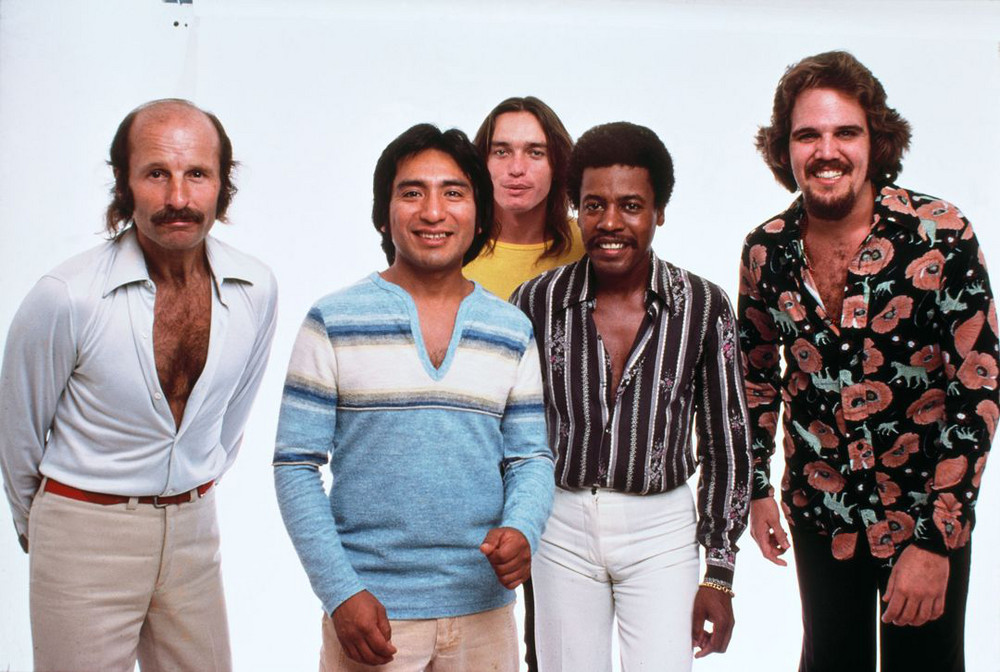
Weather Report
Free Jazz
Jazz
Jazz Fusion
3
/5
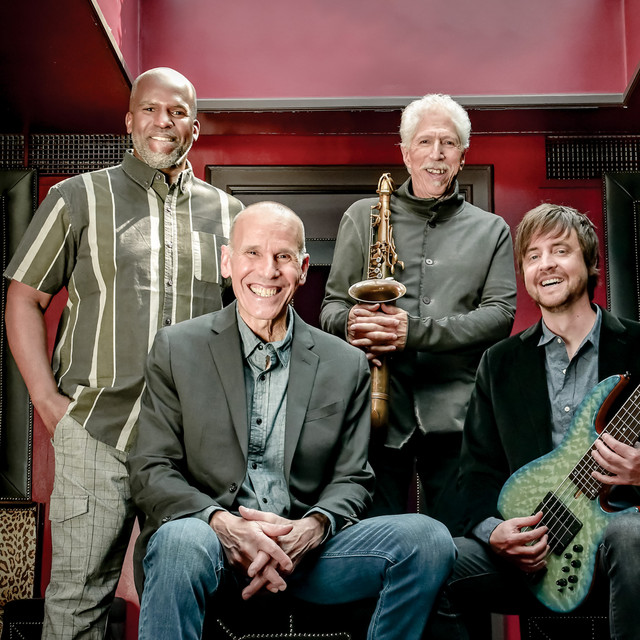
Yellowjackets
Jazz
Jazz Fusion
Jazz-Funk
3
/5
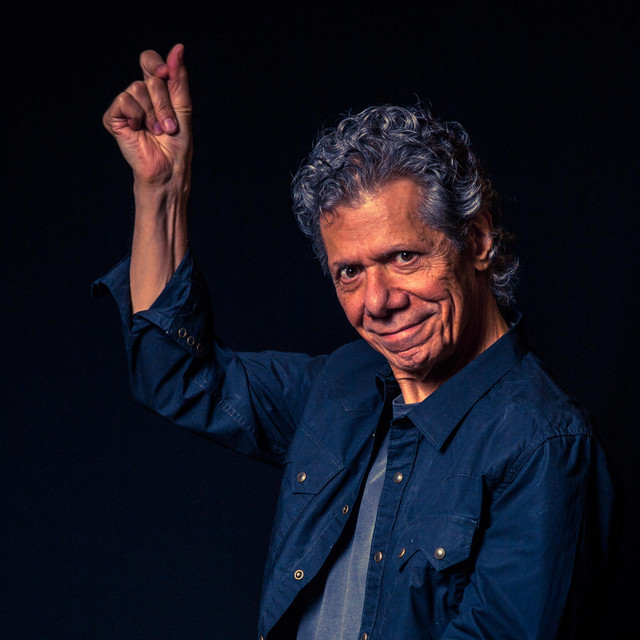
Chick Corea
Ecm Style Jazz
Jazz Fusion
Free Jazz
3
/5
Freddie Hubbard
Jazz
Hard Bop
Jazz-Funk
4
/5
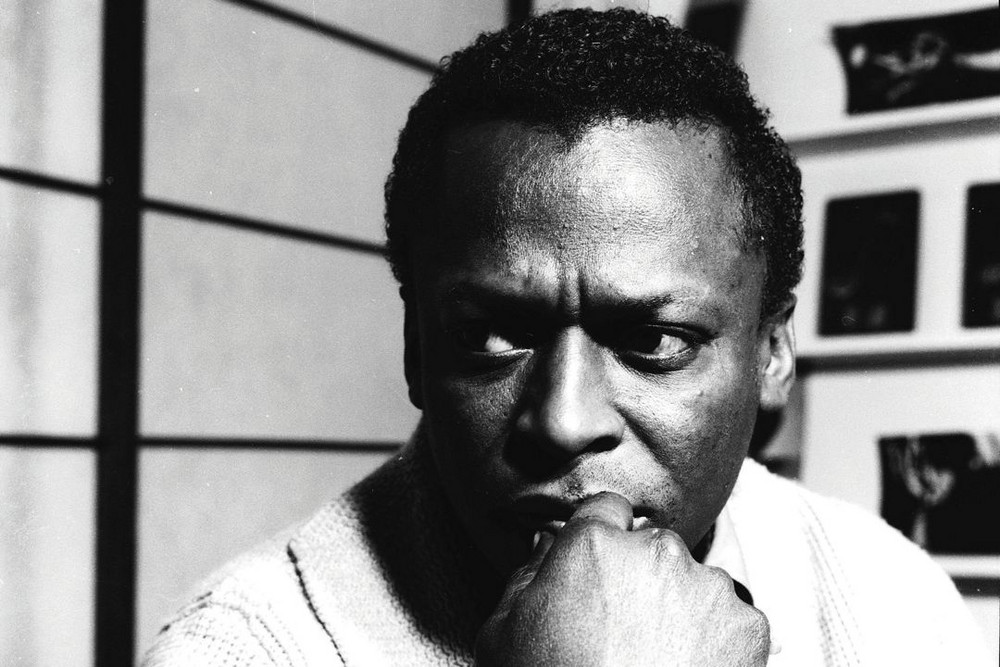
Miles Davis
Jazz
Jazz Fusion
Hard Bop
4
/5
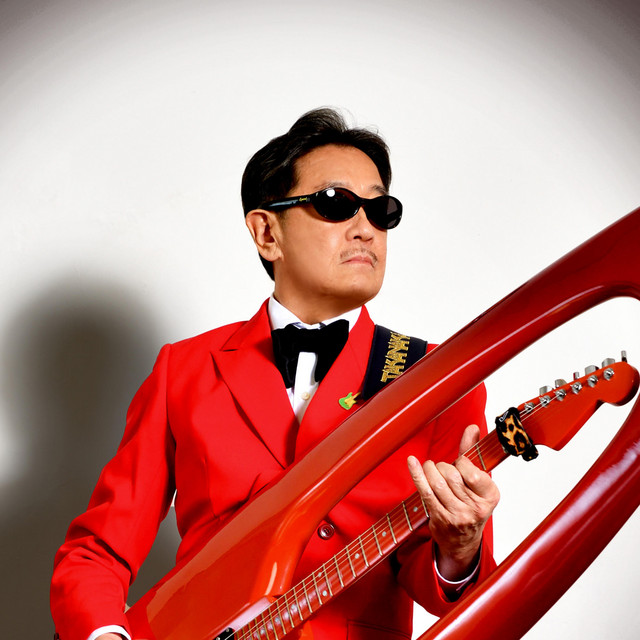
Masayoshi Takanaka
Jazz Fusion
Jazz-Funk
City Pop
3
/5
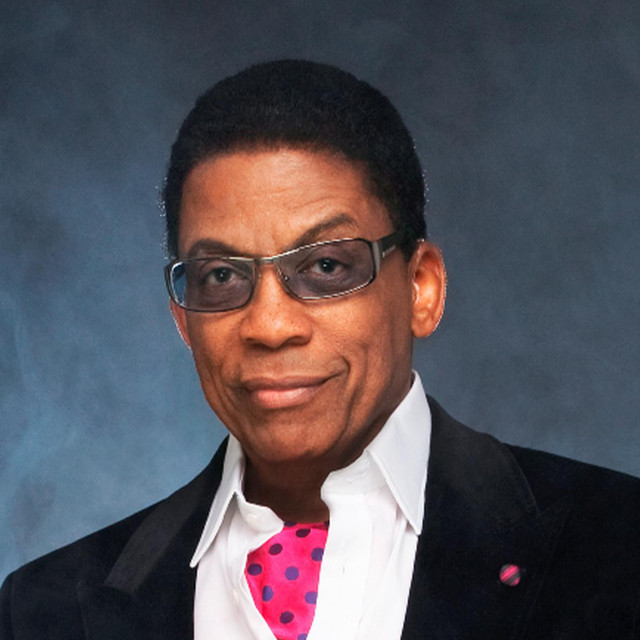
Herbie Hancock
Jazz
Jazz Fusion
Jazz-Funk
3
/5
CASIOPEA
Jazz Fusion
Jazz
Jazz-Funk
3
/5
Donald Byrd
Jazz-Funk
Hard Bop
Soul Jazz
Download our mobile app
Get the Melodigging app and start digging for new genres on the go
Download on the App Store
Get it on Google Play
© 2026 Melodigging
Give feedback
Legal
Melodding was created as a tribute to
Every Noise at Once
, which inspired us to help curious minds keep digging into music's ever-evolving genres.