Your digging level

For this genre
0/8
🏆
Sign in, then listen to this genre to level up

Description

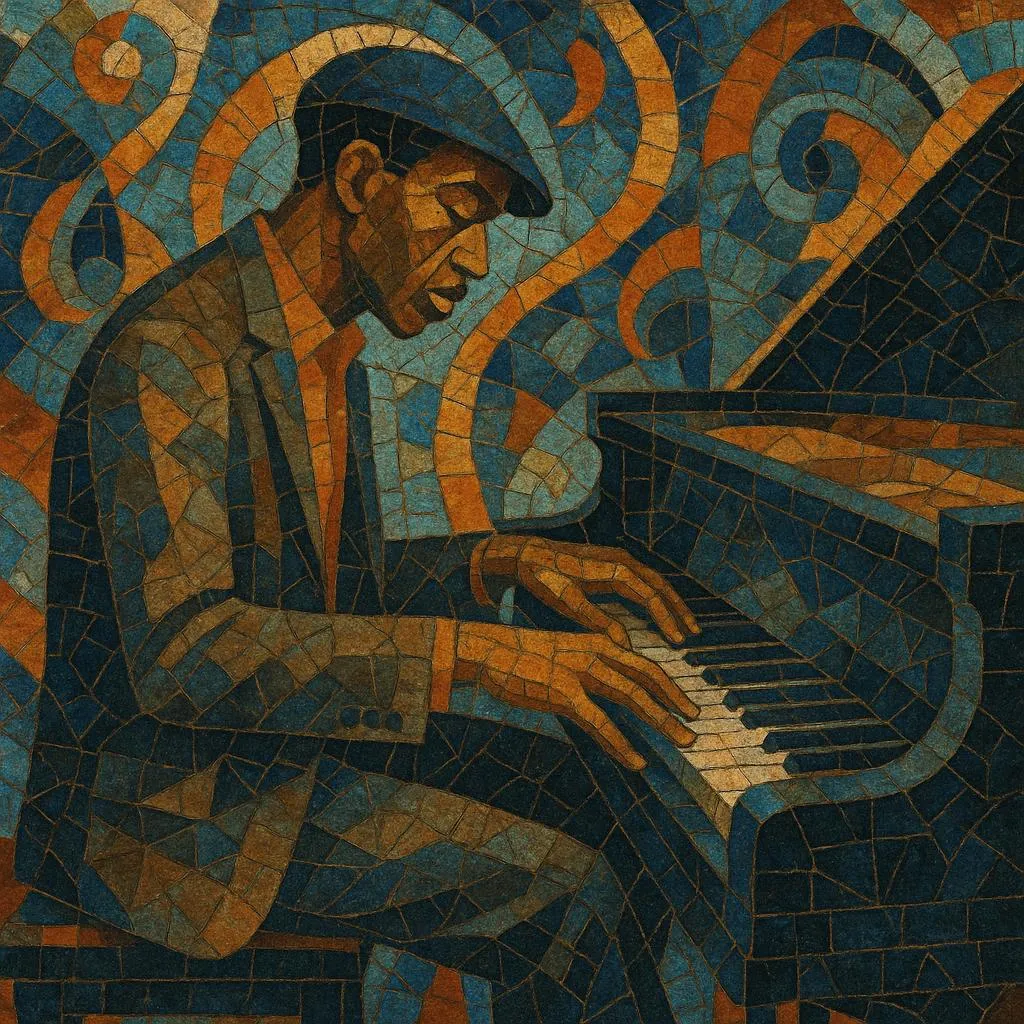
Modern jazz piano is a piano-led jazz style that emphasizes sophisticated harmony, flexible time feel, and highly personalized improvisation.

Compared with earlier stride and swing-era approaches, it typically uses richer chord extensions, altered dominants, modal harmony, and more advanced voice-leading.

The style can be heard in small-group settings (trios and quartets) and solo piano, ranging from lyrical ballad playing to angular, rhythmically complex post-bop language.

It often balances clear melodic storytelling with contemporary harmonic color, and it commonly integrates influences from classical music, soul, and modern jazz aesthetics.


Sources: Spotify, Wikipedia, Discogs, Rate Your Music, MusicBrainz, and other online sources

History

Roots (1940s70s)

Modern jazz piano grows out of bebop and hard bop language, where pianists expanded harmonic vocabulary, comping concepts, and improvisational phrasing.

In the 1950s and 1960s, post-bop and modal approaches widened the harmonic and rhythmic palette, encouraging longer-form development and more ambiguous tonal centers.

Expansion (1970s90s)

Electric keyboards and fusion aesthetics influenced touch, groove concepts, and the use of vamp-based forms, even when players returned to acoustic piano.

At the same time, the ECM and contemporary jazz scenes favored spacious production, lyrical phrasing, and a more transparent ensemble sound that strongly shaped modern piano trio sensibilities.

Contemporary era (2000spresent)

Modern jazz piano today is highly pluralistic: some players extend post-bop language with advanced rhythmic displacement and polyrhythms, while others blend jazz harmony with pop forms, neo-soul grooves, or classical minimalism.

The genre remains centered on improvisation and interaction, but modern recording and global influences have broadened both the sound and the repertoire.

How to make a track in this genre

Instrumentation
•   Start with acoustic piano as the lead voice. The most common ensemble is piano trio (piano, double bass, drums). •   Add saxophone or guitar for a quartet/quintet if you want more counterpoint and front-line interplay.
Harmony & voicings
•   Use extended harmony: 9ths, 11ths, 13ths, and altered dominants (9, 11, 13). •   Practice modern rootless voicings in the left hand (3rd/7th plus color tones) while the right hand states melody or improvises. •   Incorporate modal harmony (e.g., Dorian, Mixolydian, melodic minor modes) and planing/parallel voicings for color.
Rhythm & time feel
•   Develop strong swing feel, but also work on straight-eighth grooves and mixed feels. •   Use rhythmic displacement, syncopation, and polyrhythms (e.g., 3 over 2, 5 over 4) while keeping phrases melodic. •   Comp sparsely at times to leave space; at other times use dense rhythmic figures that lock with the drummer.
Form & composition approaches
•   Write tunes with modern jazz forms: AABA, ABAC, or through-composed sections, but also consider vamp-based heads. •   Create memorable melodies that imply the harmony rather than spelling it out; allow the changes to support improvisation. •   Use turnarounds and reharmonization (tritone substitution, backdoor dominants, diminished passing chords) to increase harmonic motion.
Improvisation vocabulary
•   Combine bebop language (enclosures, chromatic approach tones) with modal development and motivic repetition. •   Target guide tones (3rds and 7ths) and connect them with smooth voice-leading. •   Practice playing over iiVI with multiple options: diatonic, altered, diminished/whole-tone, and melodic minor-derived lines.
Performance & ensemble interaction
•   Treat the trio as a conversation: respond to drum accents and bass movement rather than playing continuously. •   Shape solos dynamically with clear arcs: start simple, build intensity, then resolve with space and melodic clarity.

Top tracks

Locked
Share your favorite track to unlock other users’ top tracks
Influenced by
Has influenced
Challenges
Digger Battle
Let's see who can find the best track in this genre
© 2026 Melodigging
Melodding was created as a tribute to Every Noise at Once, which inspired us to help curious minds keep digging into music's ever-evolving genres.
Buy me a coffee for Melodigging