Genres
Artists
Albums
Make Music
Sign in
Sign in
Artists
Hard Bop
Artists
Hard Bop
Thelonious Monk
1951–2017
·
34 albums
Listen
3
/5
Genres
Soundclown
Soundclown is an internet-born remix and mashup style that thrives on comedic juxtaposition, bait‑and‑switch reveals, and hyper-referential sample collage. It blends pop hits, game and cartoon music, ad jingles, meme sounds, and viral speech into quick-cut audio gags. The genre developed across YouTube and SoundCloud, favoring shock humor, nostalgia, and absurdity over traditional song form. Hallmarks include sudden key/tempo whiplash, exaggerated pitch-shifts, ear‑rending “earrape” peaks, and punchline drops that transform a familiar source into something hilariously incongruent. Because it is fundamentally platform-native, soundclown is as much a memetic editing culture as a musical style. Its tracks often function like sonic shitposts: fast, punchy, and built for instant recognition and shareability.
Discover
Listen
Pianissimo
Pianissimo is a contemporary micro‑genre centered on very soft, intimate piano music designed for calm focus, rest, and reflection. It borrows the classical dynamic marking “pp” (very soft) as an aesthetic principle: close‑miked, felt‑damped pianos, sparse harmonies, slow tempos, and generous ambience. Emerging alongside the streaming era’s focus/sleep/reading playlists, the style sits between post‑classical minimalism and ambient music. Pieces are typically short miniatures, diatonic and melodic, with unobtrusive movement—music that can live comfortably in the background yet rewards attentive listening. Occasional cello or soft strings, subtle tape hiss, and long reverbs are common textural companions. Historically it traces a line from Satie’s quiet piano idiom and the American minimalist school to the 2000s–2010s “neo‑classical” wave (Einaudi, Frahm, Arnalds), but with an explicitly hushed, domestic sound that foregrounds tenderness, space, and restraint.
Discover
Listen
Contemporary Jazz
Contemporary jazz is an umbrella term for post-1970 jazz that absorbs advances from post‑bop, fusion, free jazz, modern classical, and global traditions while retaining the core values of improvisation and interaction. It favors a flexible rhythmic feel (from straight‑8 to polyrhythms), modal and post‑tonal harmony, and a producer’s ear for space, texture, and sound design. Unlike earlier era labels tied to a single movement, contemporary jazz denotes a living, evolving practice. It ranges from intimate acoustic trios to electronics‑enhanced ensembles, often using odd meters, ambient timbres, and song forms that move beyond the 32‑bar standard. The result is a wide spectrum—from lyrical, ECM‑influenced spaciousness to groove‑forward, rhythmically intricate music influenced by funk and world traditions.
Discover
Listen
Post-Bop
Post-bop is a modern jazz style that emerged in the early-to-mid 1960s as a synthesis of bebop, hard bop, modal jazz, cool jazz, third stream ideas, and the experimental impulses of the avant‑garde. It typically features acoustic small ensembles (often trumpet, saxophone, piano, bass, and drums) interacting with highly flexible time, non-functional or modal harmony, and motivic development rather than relying strictly on bebop chord cycles. Its sound balances structure and freedom: forms are clearly composed and often intricate, but improvisers stretch time feels, reharmonize on the fly, and use advanced harmonic colors such as quartal voicings, pedal points, and chromatic planing. Canonical touchstones include Miles Davis’s mid‑’60s Second Great Quintet (e.g., E.S.P., Nefertiti), Wayne Shorter’s Speak No Evil, Herbie Hancock’s Maiden Voyage, Andrew Hill’s Point of Departure, and many mid‑’60s Blue Note recordings that pushed beyond hard bop.
Discover
Listen
Hard Bop
Hard bop is a mid‑1950s subgenre of jazz that extends bebop’s virtuosic improvisation while bringing back a more explicitly African‑American groove. It incorporates pronounced influences from blues, rhythm & blues, and gospel—especially evident in riff‑based heads, church‑like harmonic movements on piano, and earthy saxophone phrasing. Compared with bebop, hard bop favors stronger backbeat accents, more grounded bass lines, and memorable, soulful melodies, all while retaining fast, harmonically rich improvisation when desired. Typical ensembles are small groups (often quintets) with trumpet, tenor sax, piano, bass, and drums. The style’s hallmark is the blend of bop harmony and lines with blues/gospel feeling and a driving swing feel.
Discover
Listen
Free Jazz
Free jazz is a radical branch of jazz that rejects fixed chord progressions, strict meter, and conventional song forms in favor of collective improvisation, textural exploration, and spontaneous interaction. Musicians prioritize timbre, dynamics, and gesture as much as pitch and harmony, often using extended techniques (multiphonics, overblowing, prepared piano) and unconventional sounds. While rooted in the blues and earlier jazz vocabularies, free jazz frees improvisers from pre-set harmonic cycles, allowing lines to unfold over tonal centers, shifting modes, drones, or complete atonality. Rhythm sections may float without a steady pulse, or drive with layered polyrhythms and “energy playing.” The result ranges from contemplative soundscapes to cathartic, high-intensity eruptions. Culturally, the genre intersected with the civil rights era and broader avant-garde movements, emphasizing autonomy, community, and new possibilities for musical expression.
Discover
Listen
Bebop
Bebop is a modern jazz style characterized by fast tempos, intricate melodies, and harmonically advanced improvisation. It moved jazz from dance-oriented big-band music to art-focused small-ensemble performance, prioritizing virtuosity and spontaneous creativity. Typical bebop groups are quintets or quartets featuring trumpet, alto or tenor saxophone, piano, double bass, and drums. The music emphasizes asymmetrical phrasing, extended chords and substitutions, and contrafacts—new melodies written over the chord changes of popular songs. Rhythm sections center time on the ride cymbal, with the bass walking and the drummer "dropping bombs" on snare and bass drum. Melodies are angular and chromatic, and soloists outline rapidly shifting harmonies with bebop scales, enclosure tones, and altered dominants.
Discover
Listen
Cool Jazz
Cool jazz is a modern jazz style marked by relaxed tempos, lighter tone, and a focus on arrangement, counterpoint, and timbral clarity. It favors understatement over virtuoso display and uses dynamics, space, and balance to create an airy, "cool" ambience. Emerging in the late 1940s, the style drew on bebop’s harmonic sophistication while smoothing its angular edges, often incorporating classical techniques such as linear writing and orchestral color. Hallmarks include brushed drums, lyrical improvisation, careful voice-leading, and unusual instrumentation (for jazz) like French horn and tuba alongside trumpet, saxophones, trombone, piano, bass, and drums. Although associated with the U.S. West Coast in the 1950s, cool jazz originated in New York through sessions led by Miles Davis and arranged by Gil Evans and others. It went on to influence bossa nova, third stream, modal jazz, and later smooth jazz and lounge aesthetics.
Discover
Listen
Soundtrack
Soundtrack is music created to accompany and enhance visual media such as film, television, and video games. It includes original scores (instrumental or vocal music composed specifically for the picture) and, at times, curated compilations of pre-existing songs. Stylistically, soundtrack is a meta-genre that can encompass orchestral symphonic writing, jazz, electronic and synth-driven textures, choral forces, popular song, and experimental sound design. Its defining trait is functional storytelling: themes, motifs, harmony, rhythm, and timbre are shaped by narrative needs, character psychology, pacing, and editing. Common features include leitmotifs for characters or ideas, modular cues that can be edited to picture, dynamic orchestration for dramatic range, and production approaches that sit well under dialogue and sound effects. Because it must synchronize to picture, soundtrack often uses clear dramatic arcs, tempo maps, and hit points.
Discover
Listen
Big Band
Big band is a large-ensemble style of jazz and popular dance music built around brass, reed, and rhythm sections playing arranged parts. Typical instrumentation includes five saxophones (often doubling clarinet/flute), four trombones, four trumpets, and a rhythm section of piano, guitar, upright bass, and drum set. The music emphasizes swing rhythms, call-and-response between sections, riff-based writing, and dramatic shout choruses, while leaving space for improvised solos. Born in American ballrooms and theaters, big band became the sound of the Swing Era, providing both music for dancing and a platform for sophisticated arranging and orchestration that shaped much of 20th‑century jazz and popular music.
Discover
Listen
Jazz
Jazz is an improvisation-centered music tradition that emerged from African American communities in the early 20th century. It blends blues feeling, ragtime syncopation, European harmonic practice, and brass band instrumentation into a flexible, conversational art. Defining features include swing rhythm (a triplet-based pulse), call-and-response phrasing, blue notes, and extended harmonies built on 7ths, 9ths, 11ths, and 13ths. Jazz is as much a way of making music—spontaneous interaction, variation, and personal sound—as it is a set of forms and tunes. Across its history, jazz has continually hybridized, from New Orleans ensembles and big-band swing to bebop, cool and hard bop, modal and free jazz, fusion, and contemporary cross-genre experiments. Its influence permeates global popular and art music.
Discover
Listen
Stride
Stride (often called Harlem stride piano) is an early jazz piano style distinguished by a powerful, syncopated left hand that "strides" between low bass notes or octaves on beats 1 and 3 and mid‑range chords on beats 2 and 4, while the right hand plays a highly embellished melody, runs, and improvised variations. Emerging in New York City—especially Harlem—after ragtime, stride expanded the rhythmic looseness, harmonic richness, and improvisational freedom that would feed directly into swing and later jazz piano traditions. It is both virtuosic and danceable, equally suited to fast showpieces and tender ballads, and was central to piano "cutting contests" of the era.
Discover
Listen
Ragtime
Ragtime is an African American–rooted piano style that flourished from the 1890s to the 1910s, characterized by lively syncopation in the right hand against a steady, march-like “oom‑pah” accompaniment in the left hand. Typically written in 2/4 or 4/4 time and notated with straight (unswung) eighth notes, classic rags unfold in multiple 16‑bar strains, often in the form AABBACCDD. The music draws on cakewalk rhythms, marching-band forms, and popular song, and it became a sensation through sheet music, piano rolls, and parlor performance. Scott Joplin, known as the “King of Ragtime,” helped codify the genre’s refined, compositional approach, calling for moderate tempos and a clear, singing melody. Beyond solo piano, ragtime was arranged for small ensembles and orchestras, found a home in vaudeville and dance halls, and laid essential groundwork for early jazz, stride piano, and much of 20th‑century American popular music.
Discover
Listen
Instrumental
Instrumental is music created and performed without sung lyrics, placing the expressive weight on melody, rhythm, harmony, and timbre produced by instruments. As an umbrella practice it appears in many cultures, but its modern identity cohered in Baroque-era Europe when purely instrumental forms such as the sonata, concerto, and dance suites began to flourish. Since then, instrumental thinking—developing motives, structuring form without text, and showcasing timbral contrast—has informed everything from orchestral music and solo piano repertoire to post-rock, film scores, and beat-driven electronic styles. Instrumental works can be intimate (solo or chamber) or expansive (full orchestra), narrative (programmatic) or abstract (absolute music). The absence of lyrics invites listeners to project imagery and emotion, making the style a natural fit for cinema, games, and contemplative listening.
Discover
Listen
Show all 14 genres
Albums
2017
Les Liaisons Dangereuses 1960
Thelonious Monk
Hard Bop
Jazz
Soundtrack
2016
Round Midnight
Purcell, Saint‐Saëns, Monk, Fauré; Blechbläserquintett des Deutschen Symphonie‐…
Hard Bop
Jazz
Stride
1989
Straight No Chaser
Thelonious Monk
Jazz
1988
The London Collection
Thelonious Monk
Jazz
1985
More Genius of Thelonious Monk
Thelonious Monk
Jazz
1980
Blue Sphere
Thelonious Monk
Stride
Jazz
Post-Bop
1973
The Man I Love
Thelonious Monk
Hard Bop
Jazz
1972
Something in Blue
Thelonious Monk
Contemporary Jazz
Jazz
1969
Monk’s Blues
Thelonious Sphere Monk
Bebop
Jazz
1968
2
/5
Underground
Thelonious Monk
Hard Bop
Jazz
1967
3
/5
Straight, No Chaser
Thelonious Monk
Post-Bop
Jazz
1964
Monk.
Thelonious Monk
Jazz
1964
It’s Monk’s Time
Thelonious Monk
Jazz
1964
3
/5
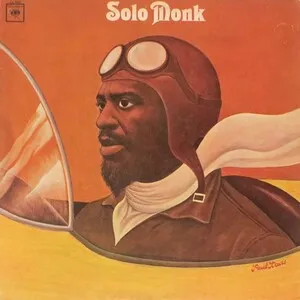
Solo Monk
Thelonious Monk
Ragtime
Jazz
1963
Criss-Cross
Thelonious Monk
Jazz
Post-Bop
1963
3
/5
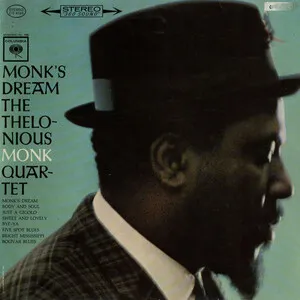
Monk's Dream
The Thelonious Monk Quartet
Hard Bop
Instrumental
Jazz
1961
Thelonious Monk with John Coltrane
Thelonious Monk with John Coltrane
Bebop
Hard Bop
Jazz
1959
Thelonious Alone in San Francisco
Thelonious Monk
Jazz
1958
Art Blakey’s Jazz Messengers With Thelonious Monk
Art Blakey’s Jazz Messengers with Thelonious Monk
Bebop
Hard Bop
Jazz
1958
In Orbit
Clark Terry with Thelonious Monk
Hard Bop
Jazz
1957
Thelonious Himself
Thelonious Monk
Jazz
1957
Mulligan Meets Monk
Thelonious Monk and Gerry Mulligan
Cool Jazz
Jazz
1957
2
/5
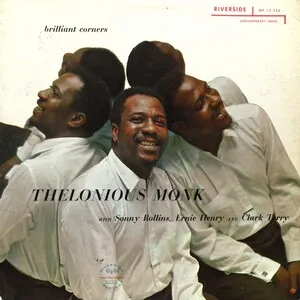
Brilliant Corners
Thelonious Monk
Hard Bop
Jazz
1957
2
/5
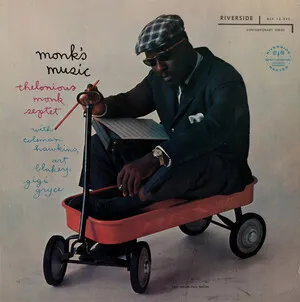
Monk's Music
Thelonious Monk Septet
Hard Bop
1956
Monk
Thelonious Monk
Jazz
1956
The Unique Thelonious Monk
Thelonious Monk
Jazz
1955
3
/5
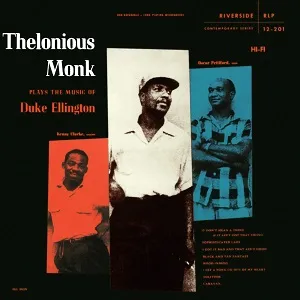
Thelonious Monk Plays the Music of Duke Ellington
Thelonious Monk
Bebop
Contemporary Jazz
Jazz
1954
Thelonious Monk Plays
Thelonious Monk
Hard Bop
Jazz
Stride
1954
Piano Solo
Thelonious Monk
Bebop
Hard Bop
Jazz
1954
2
/5
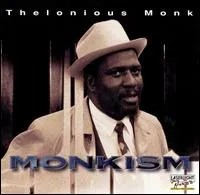
Monkism
Thelonious Monk
Stride
Ragtime
1953
Thelonious Monk Trio
Thelonious Monk
Hard Bop
Jazz
1952
Genius of Modern Music, Volume 2
Thelonious Monk
Bebop
Hard Bop
Jazz
1951
Genius of Modern Music, Volume 1
Thelonious Monk
Bebop
Jazz
Solo Monk
Thelonious Monk
Stride
Similar artists
4
/5
John Coltrane
Free Jazz
Hard Bop
Jazz
4
/5
Miles Davis
Jazz
Jazz Fusion
Hard Bop
3
/5
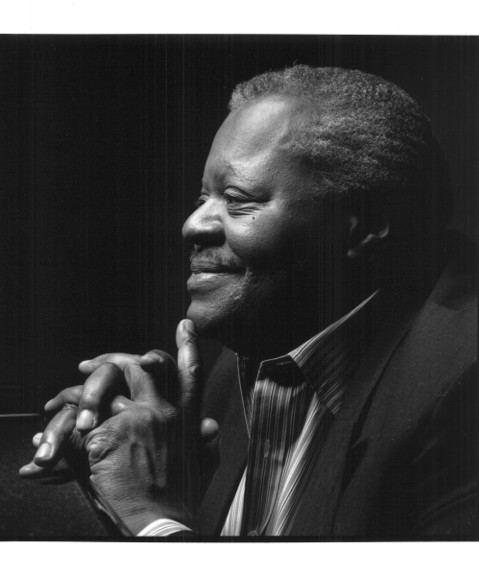
Oscar Peterson
Jazz
Bebop
Cool Jazz
4
/5
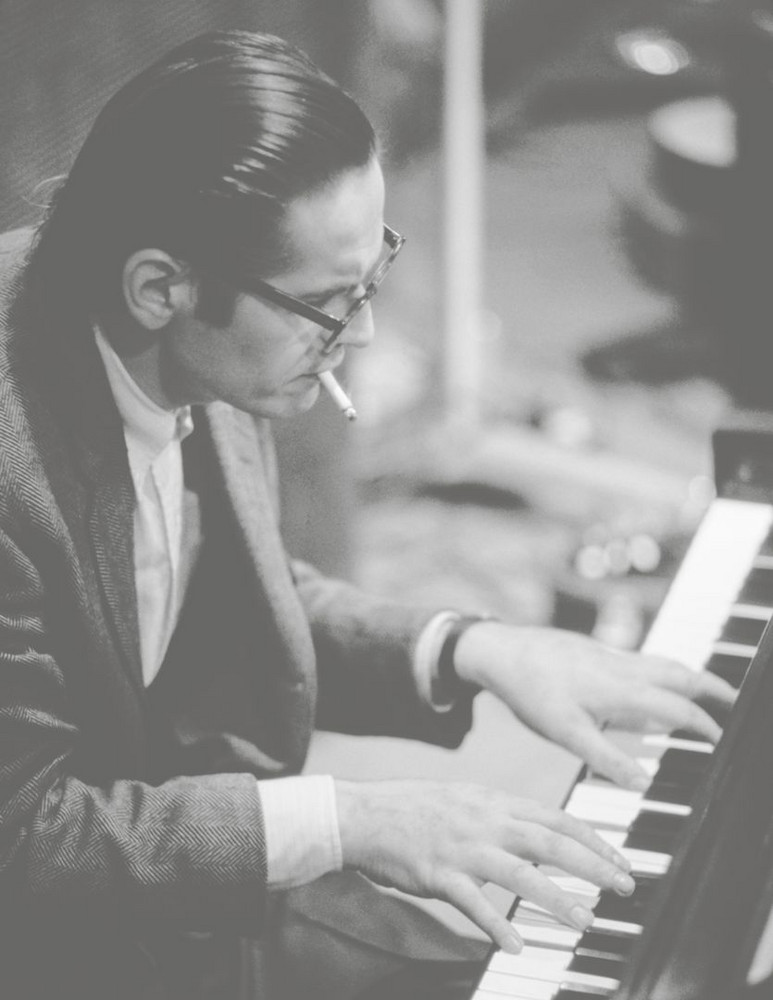
Bill Evans
Cool Jazz
Jazz
Bebop
3
/5
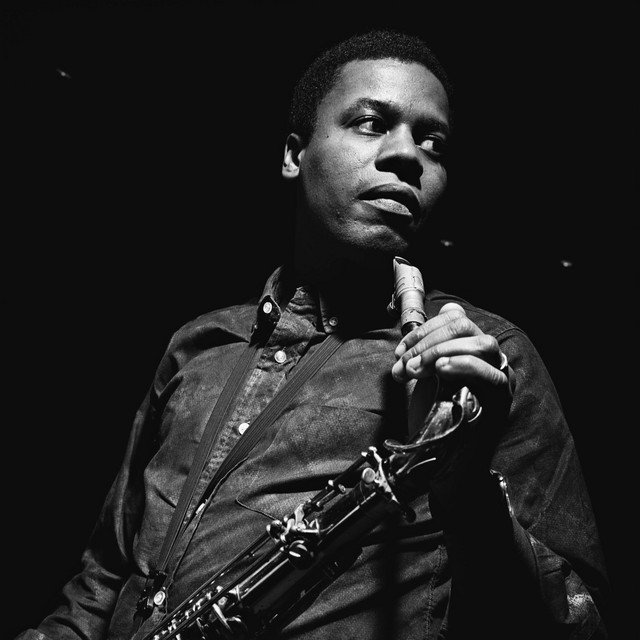
Wayne Shorter
Hard Bop
Jazz
Bebop
3
/5
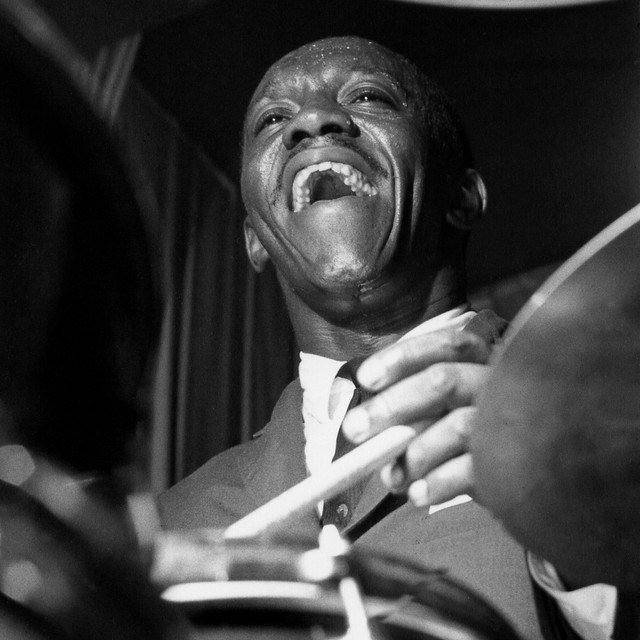
Art Blakey & The Jazz Messengers
Hard Bop
Jazz
Bebop
3
/5
The Dave Brubeck Quartet
Cool Jazz
Jazz
Bebop
3
/5
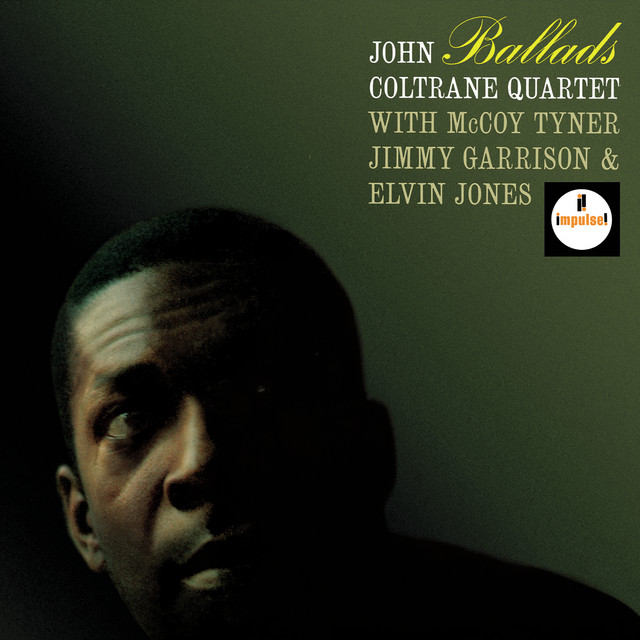
John Coltrane Quartet
Free Jazz
Hard Bop
Jazz
3
/5
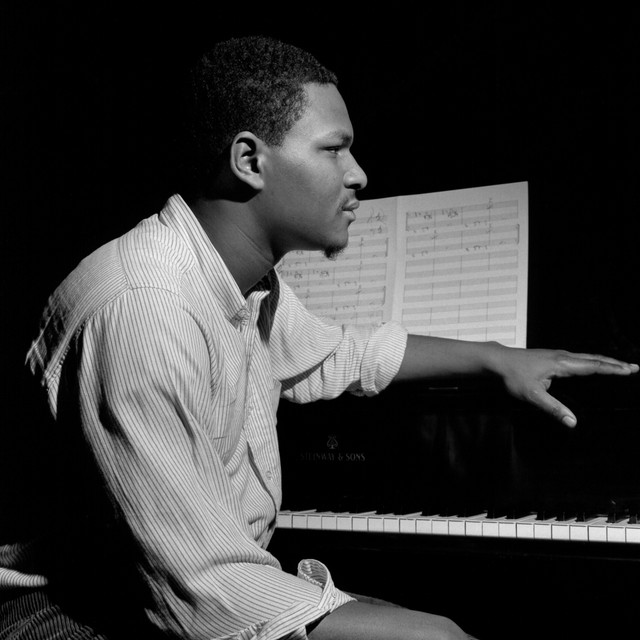
McCoy Tyner
Bebop
Cool Jazz
Free Jazz
3
/5
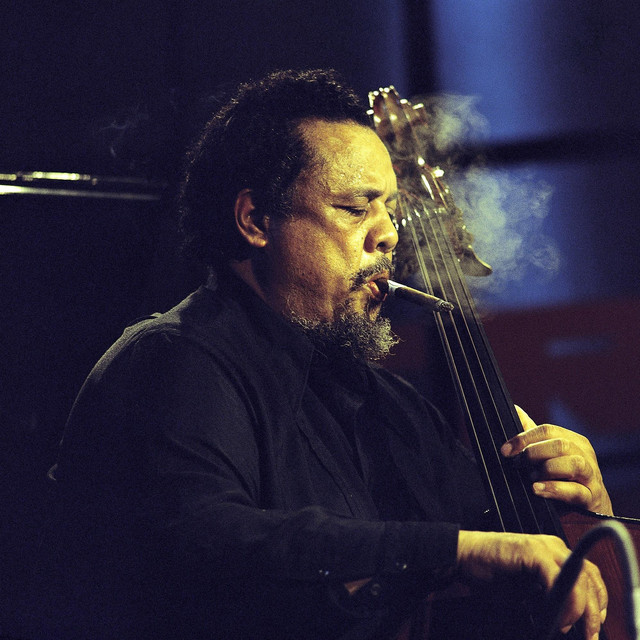
Charles Mingus
Jazz
Hard Bop
Post-Bop
Download our mobile app
Get the Melodigging app and start digging for new genres on the go
Download on the App Store
Get it on Google Play
© 2026 Melodigging
Give feedback
Legal
Melodding was created as a tribute to
Every Noise at Once
, which inspired us to help curious minds keep digging into music's ever-evolving genres.