Genres
Artists
Albums
Make Music
Sign in
Sign in
Artists
Christian Jazz
Artists
Christian Jazz
Cyrus Chestnut
2018
·
1 album
Listen
3
/5
Genres
Background Piano
Background piano is a contemporary, minimalist piano style designed to sit comfortably behind other activities such as reading, study, work, or meditation. The pieces are short, spacious, and consonant, prioritizing mood and texture over virtuosic display. Typical tracks feature soft dynamics (often with felted or muted pianos), slow tempos, gentle ostinatos, and simple diatonic harmonies colored by added 2nds or 9ths. Subtle ambience—room tone, reverb, light tape hiss—blurs edges and enhances a sense of stillness. It is music that rewards close listening yet never demands it, aligning with the ambient principle of being “as ignorable as it is interesting.”
Discover
Listen
Contemporary Jazz
Contemporary jazz is an umbrella term for post-1970 jazz that absorbs advances from post‑bop, fusion, free jazz, modern classical, and global traditions while retaining the core values of improvisation and interaction. It favors a flexible rhythmic feel (from straight‑8 to polyrhythms), modal and post‑tonal harmony, and a producer’s ear for space, texture, and sound design. Unlike earlier era labels tied to a single movement, contemporary jazz denotes a living, evolving practice. It ranges from intimate acoustic trios to electronics‑enhanced ensembles, often using odd meters, ambient timbres, and song forms that move beyond the 32‑bar standard. The result is a wide spectrum—from lyrical, ECM‑influenced spaciousness to groove‑forward, rhythmically intricate music influenced by funk and world traditions.
Discover
Listen
Christian Jazz
Christian jazz (often called sacred jazz or gospel jazz) blends the language of jazz—swing, improvisation, and extended harmony—with Christian hymnody, liturgy, and devotional themes. It ranges from concert works like jazz masses and sacred concerts for choir, soloists, and big band, to small-combo arrangements of hymns performed at jazz vespers or church services. Typical textures include jazz rhythm sections supporting congregational song, instrumental reharmonizations of classic hymns, and call‑and‑response patterns borrowed from Black church traditions. Stylistically, it embraces swing and bebop vocabulary, blues inflection, and Latin grooves (such as bossa nova or Afro‑Cuban feels), as well as smoother contemporary backbeats. The result is a reverent yet creative idiom that invites improvisation while serving worship and spiritual reflection.
Discover
Listen
Post-Bop
Post-bop is a modern jazz style that emerged in the early-to-mid 1960s as a synthesis of bebop, hard bop, modal jazz, cool jazz, third stream ideas, and the experimental impulses of the avant‑garde. It typically features acoustic small ensembles (often trumpet, saxophone, piano, bass, and drums) interacting with highly flexible time, non-functional or modal harmony, and motivic development rather than relying strictly on bebop chord cycles. Its sound balances structure and freedom: forms are clearly composed and often intricate, but improvisers stretch time feels, reharmonize on the fly, and use advanced harmonic colors such as quartal voicings, pedal points, and chromatic planing. Canonical touchstones include Miles Davis’s mid‑’60s Second Great Quintet (e.g., E.S.P., Nefertiti), Wayne Shorter’s Speak No Evil, Herbie Hancock’s Maiden Voyage, Andrew Hill’s Point of Departure, and many mid‑’60s Blue Note recordings that pushed beyond hard bop.
Discover
Listen
Modern Jazz Piano
Modern jazz piano is a piano-led jazz style that emphasizes sophisticated harmony, flexible time feel, and highly personalized improvisation. Compared with earlier stride and swing-era approaches, it typically uses richer chord extensions, altered dominants, modal harmony, and more advanced voice-leading. The style can be heard in small-group settings (trios and quartets) and solo piano, ranging from lyrical ballad playing to angular, rhythmically complex post-bop language. It often balances clear melodic storytelling with contemporary harmonic color, and it commonly integrates influences from classical music, soul, and modern jazz aesthetics.
Discover
Listen
Hard Bop
Hard bop is a mid‑1950s subgenre of jazz that extends bebop’s virtuosic improvisation while bringing back a more explicitly African‑American groove. It incorporates pronounced influences from blues, rhythm & blues, and gospel—especially evident in riff‑based heads, church‑like harmonic movements on piano, and earthy saxophone phrasing. Compared with bebop, hard bop favors stronger backbeat accents, more grounded bass lines, and memorable, soulful melodies, all while retaining fast, harmonically rich improvisation when desired. Typical ensembles are small groups (often quintets) with trumpet, tenor sax, piano, bass, and drums. The style’s hallmark is the blend of bop harmony and lines with blues/gospel feeling and a driving swing feel.
Discover
Listen
Jazz
Jazz is an improvisation-centered music tradition that emerged from African American communities in the early 20th century. It blends blues feeling, ragtime syncopation, European harmonic practice, and brass band instrumentation into a flexible, conversational art. Defining features include swing rhythm (a triplet-based pulse), call-and-response phrasing, blue notes, and extended harmonies built on 7ths, 9ths, 11ths, and 13ths. Jazz is as much a way of making music—spontaneous interaction, variation, and personal sound—as it is a set of forms and tunes. Across its history, jazz has continually hybridized, from New Orleans ensembles and big-band swing to bebop, cool and hard bop, modal and free jazz, fusion, and contemporary cross-genre experiments. Its influence permeates global popular and art music.
Discover
Listen
Show all 7 genres
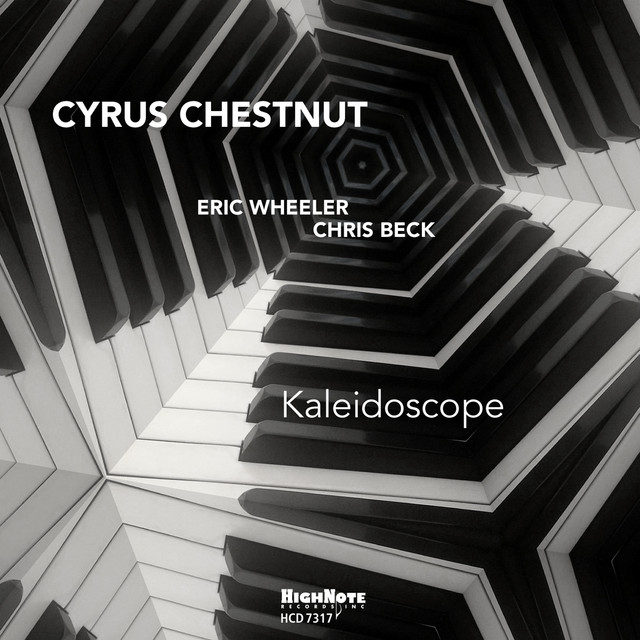
Albums
2018
Kaleidoscope
Cyrus Chestnut
Modern Jazz Piano
Similar artists
2
/5
Eric Scott Reed
Christian Jazz
Jazz
Modern Jazz Piano
3
/5
Kirk Whalum
Christian Jazz
Jazz
Smooth Jazz
3
/5
Aaron Parks
Ecm Style Jazz
Jazz Fusion
Contemporary Jazz
2
/5
Gerald Clayton
Jazz
Modern Jazz Piano
Straight-Ahead Jazz
2
/5
Taylor Eigsti
Jazz
Modern Jazz Piano
Contemporary Jazz
2
/5
John Hicks
Hard Bop
Jazz
Modern Jazz Piano
4
/5
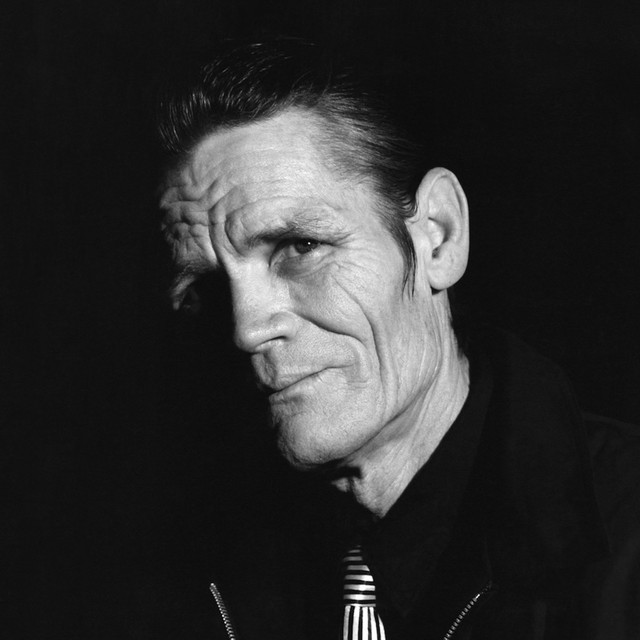
Chet Baker
Cool Jazz
Jazz
Jazz Trumpet
4
/5
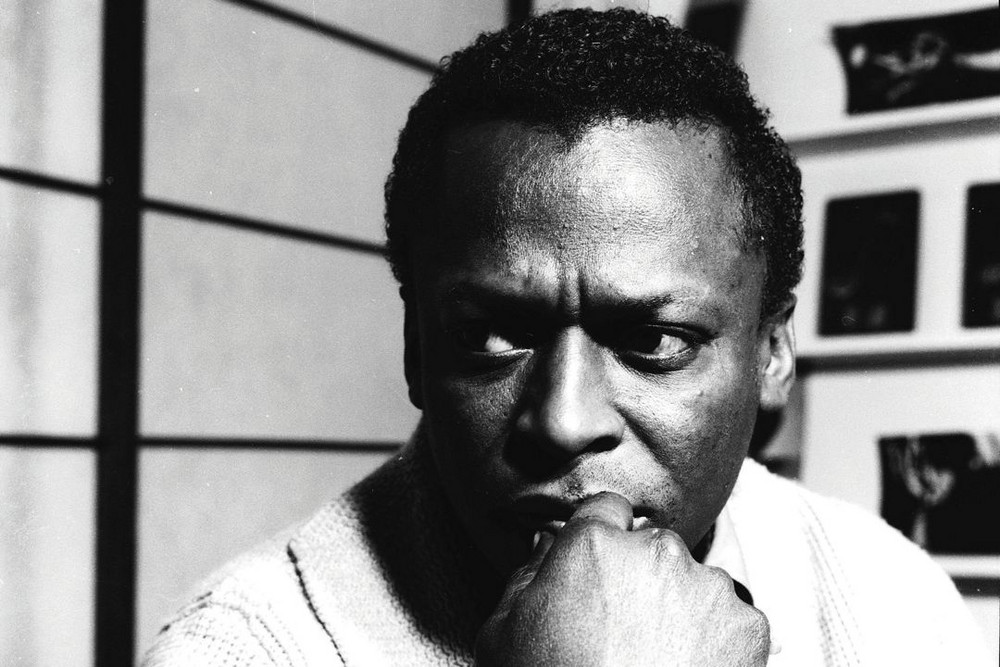
Miles Davis
Hard Bop
Jazz
Jazz Fusion
4
/5
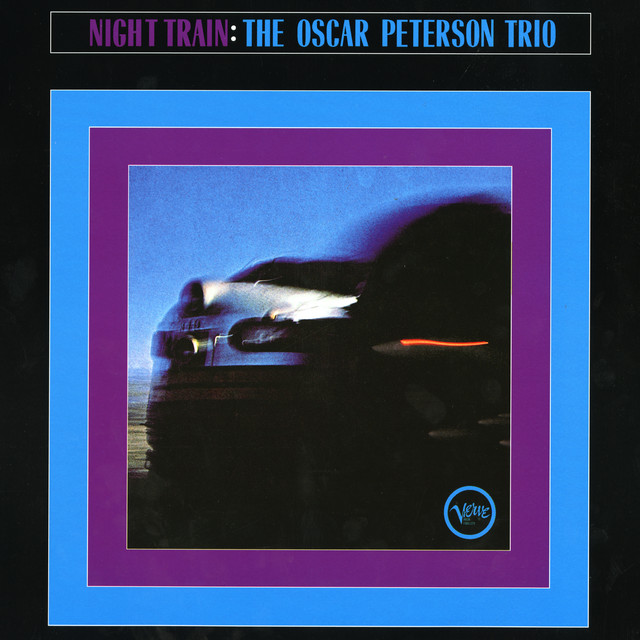
Oscar Peterson Trio
Contemporary Post-Bop
Bebop
Cool Jazz
3
/5
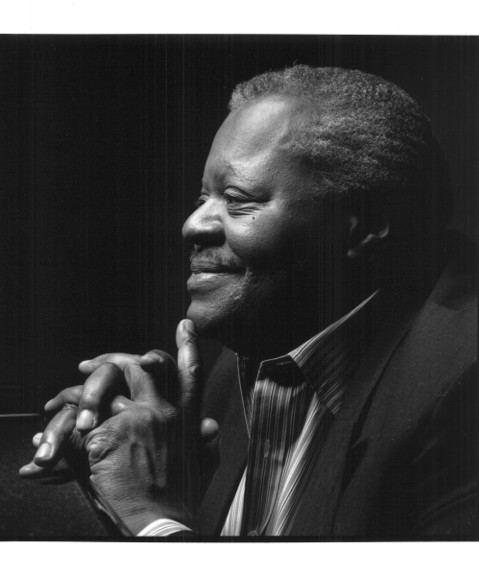
Oscar Peterson
Jazz
Bebop
Cool Jazz
Download our mobile app
Get the Melodigging app and start digging for new genres on the go
Download on the App Store
Get it on Google Play
© 2026 Melodigging
Give feedback
Legal
Melodding was created as a tribute to
Every Noise at Once
, which inspired us to help curious minds keep digging into music's ever-evolving genres.