Genres
Artists
Albums
Make Music
Sign in
Sign in
Artists
Score
Artists
Score
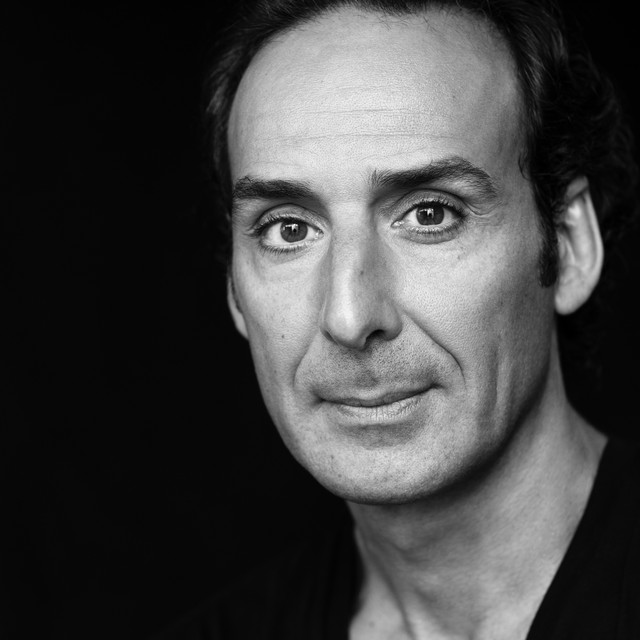
Nicholas Britell
2015–2025
·
26 albums
Listen
4
/5
Genres
Corecore
Corecore is an internet-native, collage-heavy audiovisual microgenre that turns the endless stream of online content into emotionally charged montages. It typically pairs melancholic or atmospheric music with rapid-fire edits of news clips, social-media posts, movie fragments, webcam confessions, and found audio, using juxtaposition to evoke overload, alienation, and fragile intimacy in the age of feeds. While it is primarily known as a video-editing aesthetic (especially on TikTok), its musical identity leans on ambient, vaporwave, breakcore, and experimental collage, favoring texture, mood, and narrative over traditional song structure. Rather than having a fixed sonic palette, corecore uses existing tracks—often downtempo, hazy, or nostalgic—then re-contextualizes them with speech samples and visual montage to produce catharsis and social commentary.
Discover
Listen
G-House
G-house ("gangsta house") is a club-focused fusion of house music and hip-hop, characterized by dark, low-slung basslines, shuffling house drums, and rap vocals or samples with a streetwise, West Coast swagger. Typically sitting around 120–126 BPM, it borrows the groove and arrangement discipline of deep/tech house while foregrounding the attitude and timbral aesthetics of gangsta rap and G-funk. Vocal hooks are often pitched, chopped, or looped, sitting over minimal, sub-heavy bass figures and crisp 909/808-derived percussion. The result is music that feels both sleek and menacing—built for late-night dancefloors with a noir, urban edge.
Discover
Listen
High Vibe
High vibe is a contemporary, wellness-oriented microgenre that blends uplifting pop songwriting with gentle electronic textures and spiritually tinged lyrics. It emphasizes positivity, gratitude, self-empowerment, and connection to nature, often employing soothing vocal timbres, airy pads, acoustic guitars or piano, and light, mid-tempo grooves. The production is spacious and warm, favoring reverb-washed atmospheres, soft percussion, and subtle world-influenced instrumentation to create a sense of calm elevation. While rooted in pop accessibility, high vibe draws on new age and devotional traditions, bringing mantra-like hooks and affirmational refrains into modern indie and electronic frameworks.
Discover
Listen
No Beat
No beat is a Brazilian, producer‑driven tag and scene that grew around baile funk and adjacent regional party styles, where the beatmaker’s identity (often voiced as the tag “X no beat!”) is foregrounded. Musically it pulls from funk carioca’s Miami‑bass lineage, paredão/car‑sound‑system aesthetics, and newer dark, minimalist strands (e.g., bruxaria), yielding hard sub‑bass, sparse percussion at 130–150+ BPM, abrupt mutes, chopped/ported vocals, and crowd‑command call‑outs. In some regional pockets the groove leans into arrochadeira/brega influences and trap textures (“trapfunk”). Rather than meaning “without drums,” the label signals a producer‑centric baile funk approach that thrives in street parties and sound‑system culture and has fed into today’s global club and trap‑funk cross‑pollination.
Discover
Listen
New Isolationism
New isolationism is a contemporary strain of isolationist ambient and post-industrial minimalism that emerged in the 2010s, particularly around Scandinavian experimental labels and studios. It foregrounds intimate, close-mic’d sound, negative space, and a quiet-but-present noise floor; its pieces feel both internal and architectural, like rooms built from reverb tails, tape hiss, and soft electronics. Sonically, the style blends glacial drones, fragile chamber timbres (strings, organ, piano), lo‑fi electronics, and field recordings into stark, slow-evolving tableaux. Melodic information is sparse—often only a few tones or gestures—while rhythm is either absent or reduced to distant pulses, heartbeats, or mechanical cycles. Vocals, when they appear, are murmured, diaristic, or abstracted by pitch and time manipulation. Aesthetically, new isolationism is post‑internet and diaristic: it captures solitude, memory, and dislocation with a palette that feels personal yet estranged, drawing as much from contemporary gallery sound practice as from classic dark ambient.
Discover
Listen
Reading Indie
Reading indie refers to the contemporary indie-rock and indie-pop scene centered on Reading, Berkshire (UK). It blends jangly and driving guitar textures with anthemic choruses and a distinctly British melodic sensibility. The sound often sits between post-punk revival bite, festival-ready alternative rock, and (via local history) shoegaze shimmer. Songs balance energetic, danceable rhythms with bittersweet, small‑town storytelling and youthful urgency, making the style travel well from clubs to big outdoor stages.
Discover
Listen
Southern Americana
Southern Americana is a regional strain of Americana rooted in the musical vernacular of the U.S. South. It blends songwriting-first aesthetics with the organic textures of country, folk, and blues, and the swagger of Southern rock. Typical recordings feature warm, lived‑in tones: Telecasters and acoustic guitars alongside pedal steel, Hammond organ, fiddle, mandolin, and harmony vocals. Lyrically it is grounded in place—small towns, highways, kudzu, pine line horizons—and in the South’s complicated histories of faith, work, love, and loss. The groove ranges from back‑porch shuffles and waltzes to swampy, slow‑burn rhythms, keeping the focus on stories and melody rather than studio gloss.
Discover
Listen
Deep Soundtrack
Deep soundtrack is a modern, cinematic substyle that emphasizes low, immersive textures, slow-moving harmony, and spacious ambience over bombast. It sits at the intersection of ambient music, post-classical scoring, and contemporary film/TV/game underscore, favoring drones, soft pulses, and intimate instruments (piano, strings, analog synths) treated with generous space and subtle sound design. Rather than foregrounding memorable themes or trailer-scale crescendos, deep soundtrack cultivates mood: tense, melancholic, or quietly hopeful. It is designed to sit under narrative, visuals, or concentration—music that breathes, evolves slowly, and suggests emotion without overwhelming it.
Discover
Listen
Flint Sound
Flint sound is a contemporary Michigan rap style centered in Flint, United States. It is characterized by fast, minimal, piano- or organ-led beats, dry and upfront vocals, and bar-by-bar “punch‑in” delivery that often rides slightly ahead of or behind the grid for a conversational, off‑kilter feel. The production typically favors bright piano loops, staccato 808 slides, crisp claps or rimshots, and sparse percussion, leaving plenty of space for relentless punchlines, gritty street reportage, and mischievous humor. While hard-edged and streetwise, the style frequently leans into charismatic personality and wit, making it both aggressive and infectious for dancing.
Discover
Listen
Isekai
Isekai (lit. "another world") in music refers to songs and scores written for anime and games where characters are transported—often accidentally or involuntarily—into a parallel universe or fantasy world. In practice, it is a sub-current of Japanese anisong and soundtrack culture whose soundworld emphasizes the wonder, peril, and empowerment arcs typical of isekai narratives. Musically, isekai blends high-impact J‑pop/J‑rock openings (OPs) with hybrid orchestral scores: soaring string ostinati, heroic brass, choir pads, and EDM/rock rhythm sections used to frame battles, leveling-up sequences, and portal moments. Endings (EDs) often pivot to lyrical, nostalgic or bittersweet pop to reflect homesickness, found-family bonds, or the protagonist’s inner monologue.
Discover
Listen
Sleep
Sleep is a functional music category designed to support falling asleep and sustaining restful, uninterrupted sleep. It favors extremely low stimulation: slow or absent pulse, very soft dynamics, long envelopes, and timbres that avoid sharp transients. Stylistically, it borrows from ambient and new-age traditions (drones, gentle pads, soft piano), environmental and field recordings (rain, waves, wind), and unobtrusive tonal fragments. Production emphasizes smooth spectral balance, minimal movement, and gradual change so the listener can disengage without sudden arousal. In the streaming era, “sleep” became a distinct, curated space: long-form tracks and continuous mixes, colored-noise beds, and sparse neoclassical motifs, optimized for bedtime routines, night-long playback, and bedroom acoustics.
Discover
Listen
Slushwave
Slushwave is a vaporwave-derived microgenre that stretches samples and synth textures into foggy, glacial soundscapes. Tracks are typically very slow, drenched in reverb and delay, and layered with tape hiss, vinyl crackle, and other lo‑fi artifacts to create an enveloping, dreamlike ambience. Rather than the chopped, ironic collage associated with early vaporwave, slushwave favors long pads, smeared chords, and minimal or absent percussion. When drums appear, they are subdued and distant. The genre often draws from new age, city pop, smooth jazz, and soft adult‑contemporary sources, pitching them down and elongating them into warm, melancholic drones that evoke late‑night memory, urban solitude, and liminal spaces.
Discover
Listen
Cinematic Classical
Cinematic classical is a contemporary stream of concert and media-oriented composition that merges classical orchestration with the pacing, narrative arcs, and textural sound design of film music. Typically centered on piano and strings, it favors slow-moving harmonies, ostinatos, spacious reverb, and emotive, diatonic melodies that build in dynamic intensity. Many works adopt a minimalist or post-minimalist vocabulary—repetition, gradual change, and clear tonal centers—while incorporating modern production techniques (felt piano, tape saturation, synth pads, subtle pulses) to achieve a widescreen, evocative sound. The style thrives both in standalone albums and in sync contexts (film, TV, trailers), where self-contained “cues” develop clear arcs—intro, build, climax, release—designed to support visual storytelling without sacrificing musical integrity.
Discover
Listen
Hip Hop
Hip hop is a cultural and musical movement that emerged from Black, Latino, and Caribbean communities, centering around rapping (MCing), DJing/turntablism, sampling-based production, and rhythmic speech over beats. It prioritizes groove, wordplay, and storytelling, often reflecting the social realities of urban life. Musically, hip hop is built on drum-centric rhythms (from breakbeats to 808 patterns), looped samples, and bass-forward mixes. Lyrically, it ranges from party anthems and braggadocio to political commentary and intricate poetic forms, with flow, cadence, and rhyme density as core expressive tools. Beyond music, hip hop encompasses a broader culture, historically intertwined with graffiti, b-boying/b-girling (breakdance), fashion, and street entrepreneurship, making it both an art form and a global social language.
Discover
Listen
Soul Jazz
Soul jazz is a groove-forward branch of jazz that blends the improvisational language of hard bop with the churchy harmonies of gospel and the backbeat of rhythm & blues. It favors memorable riffs, earthy tones, and a strong, danceable pulse over dense harmonic complexity. Typical settings include Hammond B-3 organ trios (organ, guitar, drums) or small combos with saxophone or trumpet. Tunes often use blues forms, minor-key vamps, and gospel cadences, featuring call-and-response figures, pentatonic and blues-scale lines, and a relaxed but insistent pocket. The overall aesthetic is warm, direct, and soulful—equally at home in jazz clubs, lounges, and on the radio.
Discover
Listen
Score
Score refers to original music composed to synchronize with and shape the narrative of visual media—primarily film, television, and, later, video games. Unlike a “soundtrack,” which often compiles pre-existing songs, a score is written to picture, uses timing cues to support storytelling beat by beat, and develops recurring themes (leitmotifs) for characters, settings, or ideas. The palette ranges from late‑Romantic orchestration and modernist harmony to jazz idioms, electronic sound design, and global instrumentation. Hallmarks include thematic development, hit points, motif variation, orchestration color, and a close relationship with sound effects and dialogue in the final mix.
Discover
Listen
Jazz
Jazz is an improvisation-centered music tradition that emerged from African American communities in the early 20th century. It blends blues feeling, ragtime syncopation, European harmonic practice, and brass band instrumentation into a flexible, conversational art. Defining features include swing rhythm (a triplet-based pulse), call-and-response phrasing, blue notes, and extended harmonies built on 7ths, 9ths, 11ths, and 13ths. Jazz is as much a way of making music—spontaneous interaction, variation, and personal sound—as it is a set of forms and tunes. Across its history, jazz has continually hybridized, from New Orleans ensembles and big-band swing to bebop, cool and hard bop, modal and free jazz, fusion, and contemporary cross-genre experiments. Its influence permeates global popular and art music.
Discover
Listen
Blues
Blues is an African American musical tradition defined by expressive "blue notes," call-and-response phrasing, and a characteristic use of dominant-seventh harmony in cyclical song forms (most famously the 12‑bar blues). It is as much a feeling as a form, conveying sorrow, resilience, humor, and hard-won joy. Musically, blues commonly employs the I–IV–V progression, swung or shuffled rhythms, and the AAB lyric stanza. Melodies lean on the minor/major third ambiguity and the flattened fifth and seventh degrees. Core instruments include voice, guitar (acoustic or electric), harmonica, piano, bass, and drums, with slide guitar, bends, and vocal melismas as signature techniques. Over time the blues has diversified into regional and stylistic currents—Delta and Piedmont country blues, urban Chicago and Texas blues, West Coast jump and boogie-woogie—while profoundly shaping jazz, rhythm & blues, rock and roll, soul, funk, and much of modern popular music.
Discover
Listen
Classical
Classical music is the notated art-music tradition of Europe and its global descendants, characterized by durable forms, carefully codified harmony and counterpoint, and a literate score-based practice. The term “classical” can refer broadly to the entire Western art-music lineage from the Medieval era to today, not just the Classical period (c. 1750s–1820s). It privileges long-form structures (such as symphonies, sonatas, concertos, masses, and operas), functional or modal harmony, thematic development, and timbral nuance across ensembles ranging from solo instruments to full orchestras and choirs. Across centuries, the style evolved from chant and modal polyphony to tonal harmony, and later to post-tonal idioms, while maintaining a shared emphasis on written notation, performance practice, and craft.
Discover
Listen
Organic Ambient
Organic ambient is a name found on Every Noise at Once, a map of genres identified by Spotify, and in the playlist “The Sound of Organic Ambient” from The Sounds of Spotify; little has been written about it. The music is often instrumental and drumless, built from sustained synthesizer pads, slow chord changes and deep drones. Rather than following a strong beat, it tends to drift, with occasional arpeggiated or bell-like tones adding movement. Some tracks blend the electronic textures with environmental sounds, including water and wind. Wide stereo mixes, generous reverb and occasional delay give the music a spacious, enveloping quality. The prevailing mood is serene, meditative and dreamy, sometimes with a touch of melancholy. Its artists are also associated with ambient, drone and space music: styles that favor sustained tones, gradual changes and atmosphere over conventional song structures. Many titles evoke landscapes, dreams, memory or outer space, as in “Evening Mist,” “Drawing You from Memory” and “Passing Through Dust Clouds.” The playlist tracks range from 2010 to 2024, while linked albums include releases from 2025 and 2026.
Discover
Listen
Show all 20 genres
Albums
2025
Jay Kelly: Original Motion Picture Soundtrack
Nicholas Britell
Cinematic Classical
Classical
Score
2025
Andor: Season 2 - Vol. 2 (Episodes 4-6)
Brandon Roberts & Nicholas Britell
Cinematic Classical
2023
The Winning Time Sessions: Season One (HBO Original Series Soundtrack)
Nicholas Britell & Robert Glasper
Cinematic Classical
Classical
Score
2023
Succession: Season 4 (HBO Original Series Soundtrack)
Nicholas Britell
Score
2023
Carmen: Original Motion Picture Soundtrack
Nicholas Britell
Cinematic Classical
Classical
Score
2022
Andor: Vol. 3 (Episodes 9–12)
Nicholas Britell
Cinematic Classical
2022
She Said (Original Motion Picture Score)
Nicholas Britell & Caitlin Sullivan
Cinematic Classical
Classical
Score
2022
Andor: Vol. 2 (Episodes 5–8)
Nicholas Britell
Cinematic Classical
2022
Andor: Vol. 1 (Episodes 1–4)
Nicholas Britell
Cinematic Classical
2022
Succession: Season 3 (HBO Original Series Soundtrack)
Nicholas Britell
Score
2021
Don’t Look Up (Soundtrack from the Netflix film)
Nicholas Britell
Cinematic Classical
Classical
Score
2021
The Underground Railroad: Volume 3
Nicholas Britell
Score
2021
The Underground Railroad: Volume 2
Nicholas Britell
Score
2021
Cruella: Original Score
Nicholas Britell
Score
2021
The Underground Railroad: Volume 1 (Amazon Original Series Score)
Nicholas Britell
Score
2020
Succession: Season 2
Nicholas Britell
Score
2019
The King
Nicholas Britell
Cinematic Classical
Classical
Score
2019
Succession: Season 1
Nicholas Britell
Score
2018
Vice: Original Motion Picture Score
Nicholas Britell
Score
2018
If Beale Street Could Talk
Nicholas Britell
Jazz
Score
Soul Jazz
2017
Battle of the Sexes
Nicholas Britell
Score
2016
Moonlight: Original Motion Picture Soundtrack
Nicholas Britell
Blues
Hip Hop
Jazz
2016
The Seventh Fire
Nicholas Britell
Cinematic Classical
Classical
Score
2016
Free State of Jones (Original Motion Picture Soundtrack)
Nicholas Britell
Score
2016
A Tale of Love and Darkness
Nicholas Britell
Score
2015
The Big Short
Nicholas Britell
Score
Similar artists
Hide discovered
4
/5
Ryuichi Sakamoto
Ambient
Electronic
Classical
1
/5
Various Artists
Soundtrack
Afro-Funk
Alternative Rock
5
/5
Hans Zimmer
Score
Soundtrack
Classical
4
/5
Danny Elfman
Score
Soundtrack
Classical
4
/5
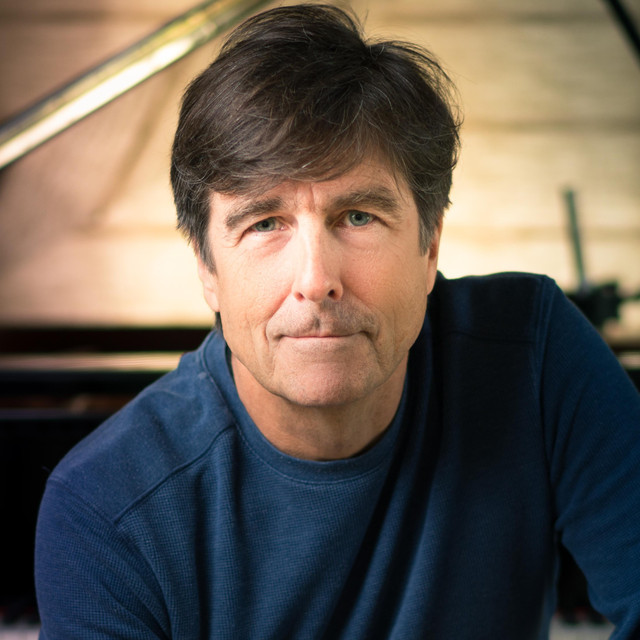
Thomas Newman
Soundtrack
Score
Classical
4
/5
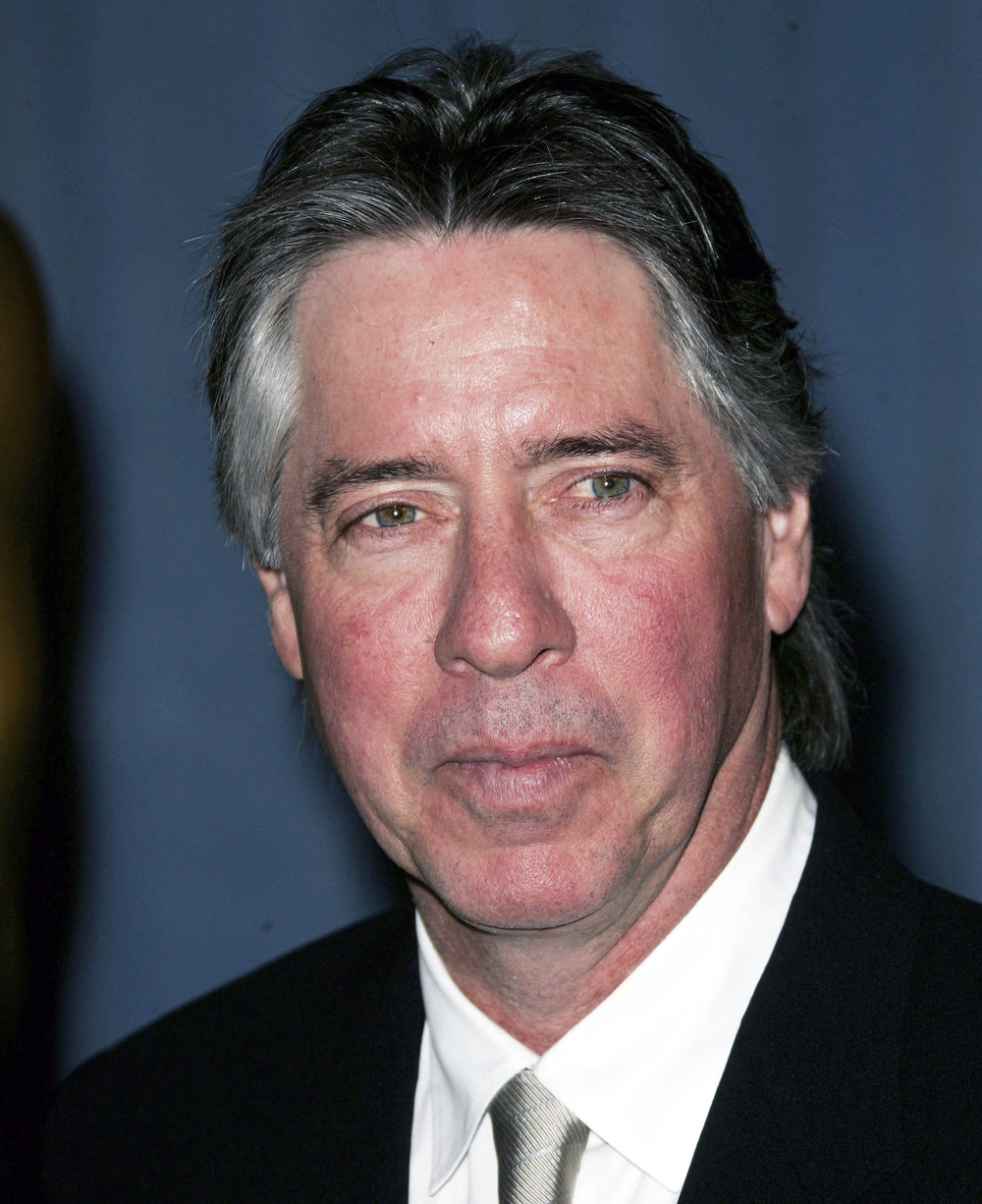
Alan Silvestri
Soundtrack
Classical
Cinematic Classical
4
/5
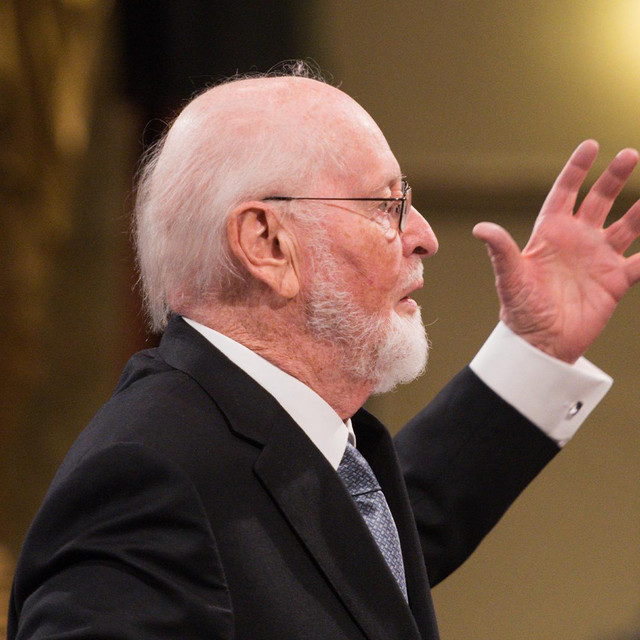
John Williams
Soundtrack
Classical
Score
4
/5
Howard Shore
Score
Soundtrack
Classical
4
/5
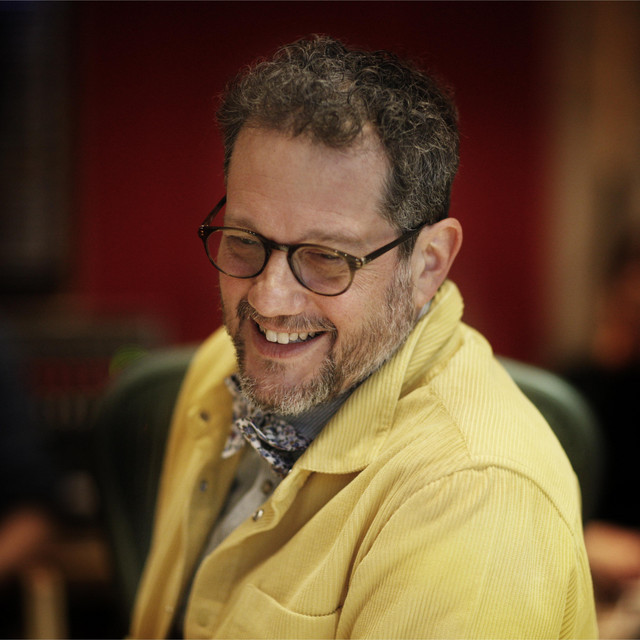
Michael Giacchino
Score
Soundtrack
Classical
4
/5
Alexandre Desplat
Cinematic Classical
Classical
Soundtrack
Download our mobile app
Get the Melodigging app and start digging for new genres on the go
Download on the App Store
Get it on Google Play
© 2026 Melodigging
Give feedback
About & FAQ
Legal
Melodding was created as a tribute to
Every Noise at Once
, which inspired us to help curious minds keep digging into music's ever-evolving genres.