Genres
Artists
Albums
Make Music
Sign in
Sign in
Artists
Deep Soundtrack
Artists
Deep Soundtrack
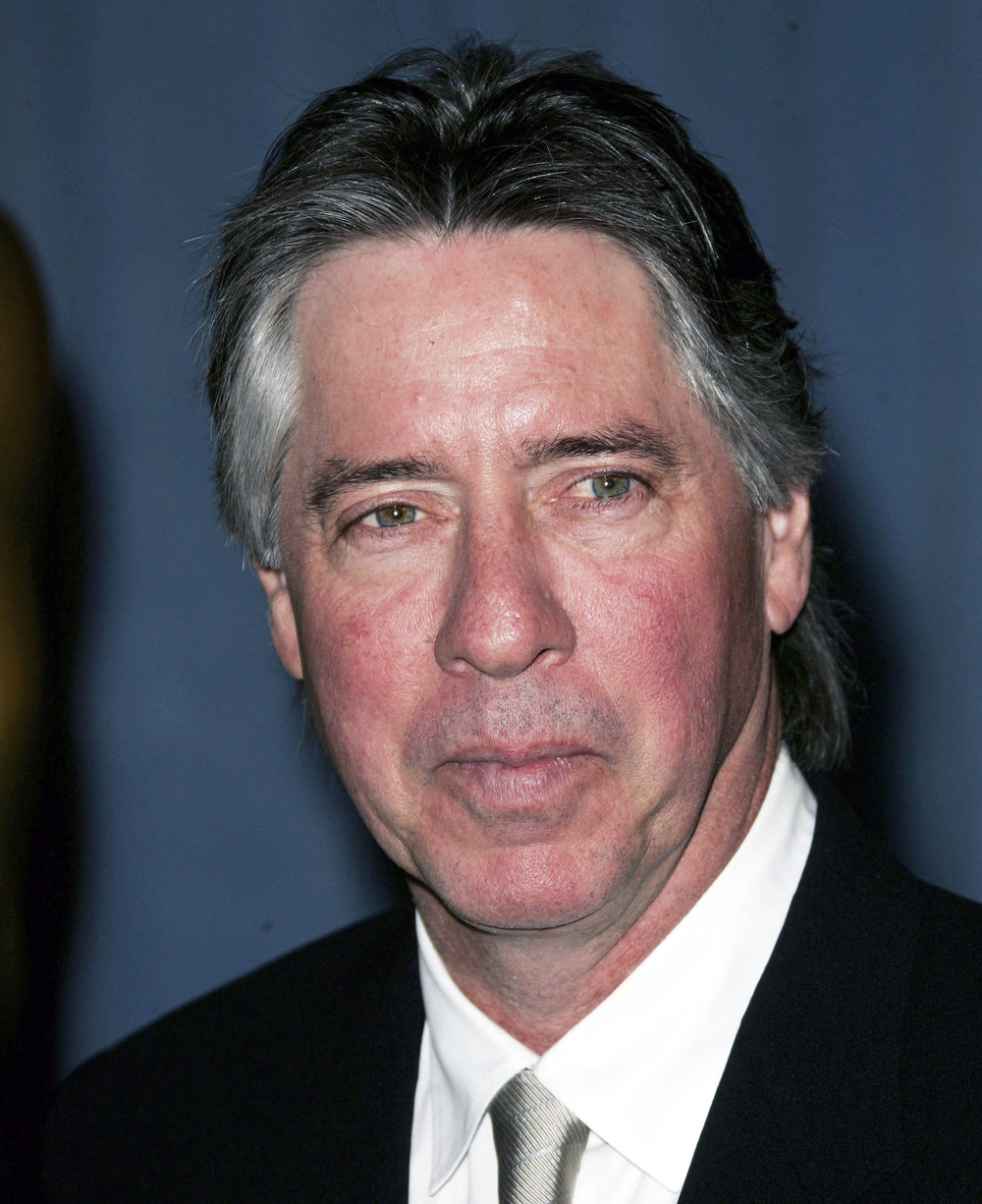
Alan Silvestri
2019–2022
·
2 albums
Listen
4
/5
Genres
Deep Soundtrack
Deep soundtrack is a modern, cinematic substyle that emphasizes low, immersive textures, slow-moving harmony, and spacious ambience over bombast. It sits at the intersection of ambient music, post-classical scoring, and contemporary film/TV/game underscore, favoring drones, soft pulses, and intimate instruments (piano, strings, analog synths) treated with generous space and subtle sound design. Rather than foregrounding memorable themes or trailer-scale crescendos, deep soundtrack cultivates mood: tense, melancholic, or quietly hopeful. It is designed to sit under narrative, visuals, or concentration—music that breathes, evolves slowly, and suggests emotion without overwhelming it.
Discover
Listen
Flint Sound
Flint sound is a contemporary Michigan rap style centered in Flint, United States. It is characterized by fast, minimal, piano- or organ-led beats, dry and upfront vocals, and bar-by-bar “punch‑in” delivery that often rides slightly ahead of or behind the grid for a conversational, off‑kilter feel. The production typically favors bright piano loops, staccato 808 slides, crisp claps or rimshots, and sparse percussion, leaving plenty of space for relentless punchlines, gritty street reportage, and mischievous humor. While hard-edged and streetwise, the style frequently leans into charismatic personality and wit, making it both aggressive and infectious for dancing.
Discover
Listen
Christmas Product
“Christmas product” is a meta‑category of holiday recordings designed primarily as functional, keyword‑optimized music products rather than as artist‑driven albums. These releases are typically studio or library sessions that package public‑domain carols and well‑known seasonal standards in accessible styles, often under generic ensemble names, for use in playlists, in‑store ambience, television bumpers, ads, and low‑cost compilations. Sonically, the style leans on bright, welcoming arrangements (strings, choir pads, sleigh bells, glockenspiel, light rhythm sections) and familiar melodic treatments that evoke classic Christmas sentimentality. Tracks are usually mastered for consistency and utility (clean intros, sting endings, tidy cut‑downs), enabling seamless placement across media and streaming contexts.
Discover
Listen
432hz
432hz is a wellness-oriented ambient/New Age micro-genre built around tuning music to the alternative concert pitch A=432 Hz instead of the modern standard A=440 Hz. In practice, 432hz releases are largely instrumental, slow-tempo, and reverb-rich, combining soft pads, drones, gentle piano, bowls/chimes, and nature sounds. Tracks are marketed for relaxation, meditation, yoga, sleep, and "energy" or "chakra" work, and are frequently tagged with wellness keywords. While advocates claim psychoacoustic or physiological benefits from 432 Hz tuning, these claims remain unproven; the sound signature audiences respond to is the calm production, consonant harmony, and spacious mixing typical of ambient and New Age music. As a streaming-native style, 432hz thrives on platforms like YouTube and Spotify where long-form background listening, SEO-friendly titling, and looping visuals support use-cases such as study, mindfulness, and sleep.
Discover
Listen
Wave
Wave is an internet-born electronic genre that emerged in the mid‑2010s, blending half‑time trap rhythms with ambient pads, emotive minor‑key harmony, and dubstep-informed sound design. It favors atmosphere and mood over maximal aggression, often pairing wide, reverb‑washed textures with weighty 808 subs and sparse melodic leads. Tracks typically sit around 120–140 BPM with a half‑time feel (60–70 BPM perceived), featuring crisp hi‑hat flicks, roomy snares on beat three, and long, cinematic builds and breakdowns. Vocals, when present, tend to be ethereal phrases or chopped one‑shots used as textures rather than full verses. While rooted in online communities and labels/collectives, Wave gradually crossed over to physical club spaces, maintaining a balance between headphone introspection and dancefloor momentum.
Discover
Listen
Pop Soul
Pop soul is a crossover style that blends the emotive vocals, gospel-rooted harmonies, and backbeat of soul music with the concise song forms, catchy hooks, and polished production of mainstream pop. It emphasizes memorable choruses, smooth lead vocals, tight background harmonies, and radio-friendly arrangements designed for broad appeal. The sound is often defined by a crisp rhythm section, tambourine on the backbeat, melodic bass lines, piano/organ comping, handclaps, and lush string or horn arrangements. Originating with the Motown hit-making model, pop soul prized sophisticated songwriting and sleek studio craft that could connect equally on the dance floor and the pop charts.
Discover
Listen
Hollywood
Hollywood (as a music genre) denotes the stylistic language of American film music and screen musicals shaped around the Los Angeles studio system. It is characterized by lush late‑Romantic orchestration, bold leitmotivic themes linked to characters and ideas, and tightly synchronized cues that heighten on‑screen drama. While its orchestral core stems from European symphonic tradition brought by émigré composers, Hollywood music also absorbed American popular idioms—Tin Pan Alley songcraft, jazz/big‑band colors, and later rock, electronic timbres, and sound‑design—creating a flexible, narrative‑first style that can shift from sweeping romance to suspense, comedy, or spectacle within a single score. In practice, “Hollywood” spans two intertwined streams: (1) symphonic film scoring for dramas, adventures, epics, and animation, and (2) cinematic song forms found in screen musicals and contemporary film pop to carry story and character.
Discover
Listen
Orchestral Soundtrack
Orchestral soundtrack refers to film (and later television and game) scores written primarily for symphony orchestra, drawing on the language of Romantic and post-Romantic concert music while serving narrative and dramatic functions. The style emphasizes leitmotifs, rich orchestration, and a wide dynamic range to underscore character, mood, and on‑screen action. It balances thematic memorability with precise synchronization to picture, and often blends late‑Romantic harmony with Impressionist color, occasional modernist techniques, and, in contemporary practice, subtle electronic augmentation.
Discover
Listen
Soundtrack
Soundtrack is music created to accompany and enhance visual media such as film, television, and video games. It includes original scores (instrumental or vocal music composed specifically for the picture) and, at times, curated compilations of pre-existing songs. Stylistically, soundtrack is a meta-genre that can encompass orchestral symphonic writing, jazz, electronic and synth-driven textures, choral forces, popular song, and experimental sound design. Its defining trait is functional storytelling: themes, motifs, harmony, rhythm, and timbre are shaped by narrative needs, character psychology, pacing, and editing. Common features include leitmotifs for characters or ideas, modular cues that can be edited to picture, dynamic orchestration for dramatic range, and production approaches that sit well under dialogue and sound effects. Because it must synchronize to picture, soundtrack often uses clear dramatic arcs, tempo maps, and hit points.
Discover
Listen
Jazz
Jazz is an improvisation-centered music tradition that emerged from African American communities in the early 20th century. It blends blues feeling, ragtime syncopation, European harmonic practice, and brass band instrumentation into a flexible, conversational art. Defining features include swing rhythm (a triplet-based pulse), call-and-response phrasing, blue notes, and extended harmonies built on 7ths, 9ths, 11ths, and 13ths. Jazz is as much a way of making music—spontaneous interaction, variation, and personal sound—as it is a set of forms and tunes. Across its history, jazz has continually hybridized, from New Orleans ensembles and big-band swing to bebop, cool and hard bop, modal and free jazz, fusion, and contemporary cross-genre experiments. Its influence permeates global popular and art music.
Discover
Listen
Score
Score refers to original music composed to synchronize with and shape the narrative of visual media—primarily film, television, and, later, video games. Unlike a “soundtrack,” which often compiles pre-existing songs, a score is written to picture, uses timing cues to support storytelling beat by beat, and develops recurring themes (leitmotifs) for characters, settings, or ideas. The palette ranges from late‑Romantic orchestration and modernist harmony to jazz idioms, electronic sound design, and global instrumentation. Hallmarks include thematic development, hit points, motif variation, orchestration color, and a close relationship with sound effects and dialogue in the final mix.
Discover
Listen
Classical
Classical music is the notated art-music tradition of Europe and its global descendants, characterized by durable forms, carefully codified harmony and counterpoint, and a literate score-based practice. The term “classical” can refer broadly to the entire Western art-music lineage from the Medieval era to today, not just the Classical period (c. 1750s–1820s). It privileges long-form structures (such as symphonies, sonatas, concertos, masses, and operas), functional or modal harmony, thematic development, and timbral nuance across ensembles ranging from solo instruments to full orchestras and choirs. Across centuries, the style evolved from chant and modal polyphony to tonal harmony, and later to post-tonal idioms, while maintaining a shared emphasis on written notation, performance practice, and craft.
Discover
Listen
Spectra
Spectra appears on Every Noise at Once, a map of genres identified by Spotify, in Spotify’s genre labels for artists, and in The Sounds of Spotify playlist “The Sound of Spectra”; little has been written about it. Much of the music is spacious and contemplative, built from sustained synthesizer tones, slowly changing chords and repeating arpeggios. Some pieces have no drums or clear pulse, letting their patterns drift through reverberant space. Others settle into slow, heavy grooves with drums, deep electric bass and clean guitar alongside synthesizers. Vocals appear in some tracks, though instrumental music is prominent. The music ranges from beatless ambient and minimalist electronics to moody, slow-grooving music with blues, soul and art-pop elements. Its artists are also associated with drone, electroacoustic music and experimental music: sustained tones, repetition and processed sound help shape its atmospheric character. Moods range from serene and meditative to melancholic or nocturnal. Track titles appear in English, Spanish, French and other languages. The listed tracks and albums span releases from 1989 to 2025.
Discover
Listen
Show all 13 genres
Albums
2022
3
/5
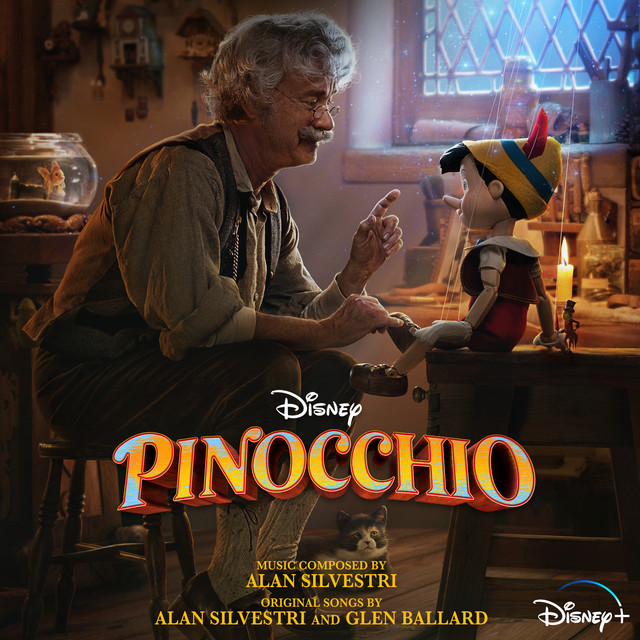
Pinocchio (Original Soundtrack)
Cynthia Erivo
Hollywood
Pop Soul
2019
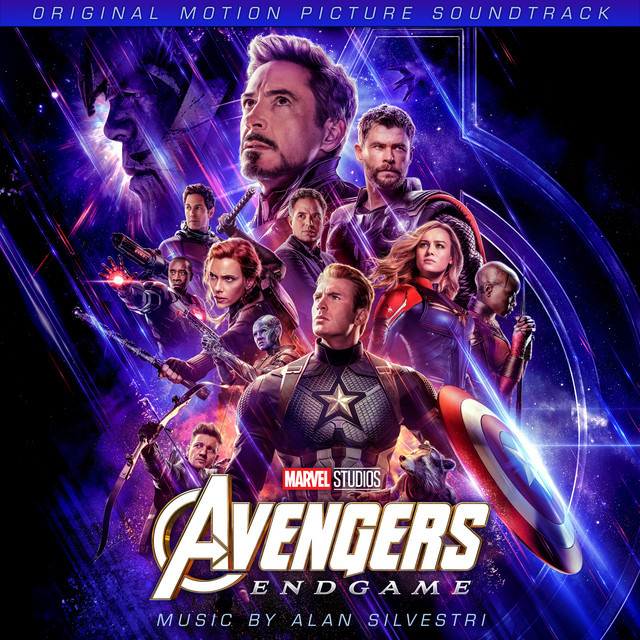
Avengers: Endgame (Original Motion Picture Soundtrack)
Alan Silvestri
Orchestral Soundtrack
Similar artists
5
/5
Disney
Comedy
Show Tunes
Wrestling
5
/5
Hans Zimmer
Country Dawn
Soundtrack
Classical
4
/5
John Williams
Soundtrack
Classical
Orchestral
4
/5
Ramin Djawadi
Soundtrack
Deep Soundtrack
Flint Sound
4
/5
Michael Giacchino
Soundtrack
Deep Soundtrack
Flint Sound
4
/5
Gavin Greenaway
Deep Soundtrack
Flint Sound
Indian Indie
4
/5
John Powell
Soundtrack
Orchestral
Classical
4
/5
James Horner
Soundtrack
Classical
Country Dawn
4
/5
James Newton Howard
Classical
Deep Soundtrack
Flint Sound
4
/5
Alexandre Desplat
Deep Soundtrack
Flint Sound
Pet Calming
Download our mobile app
Get the Melodigging app and start digging for new genres on the go
Download on the App Store
Get it on Google Play
© 2026 Melodigging
Give feedback
Legal
Melodding was created as a tribute to
Every Noise at Once
, which inspired us to help curious minds keep digging into music's ever-evolving genres.