Genres
Artists
Albums
Make Music
Sign in
Sign in
Artists
Baroque
Artists
Baroque
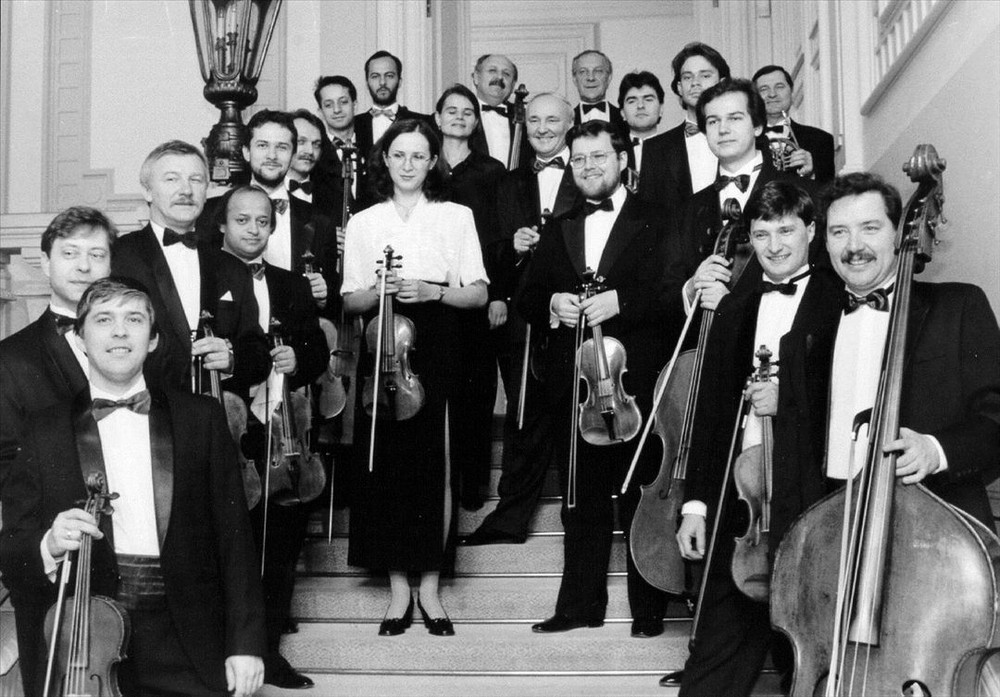
New Bach Collegium Musicum Leipzig
1965–1991
·
2 albums
Listen
2
/5
Genres
Historical Keyboard
Historical keyboard is a performance-oriented classical genre focused on playing repertoire on period-appropriate keyboard instruments—harpsichord, clavichord, fortepiano, early pianos, and historical organs—using techniques, tunings, and aesthetics drawn from the time the music was written. Rather than treating the modern concert grand as the default, historical keyboard prioritizes the specific colors and mechanics of older instruments (plectrum-plucked harpsichords, tangent or gut-strung clavichords, Viennese and English fortepianos, tracker-action organs). Performers adopt historical temperaments, historical pitch standards (e.g., A=415, 430, or local organ pitches), period fingering and articulation, and documented practices of ornamentation, cadenzas, and continuo realization. The result is a palette of timbres and articulations that illuminate Baroque, Classical, and early Romantic repertoire with clarity, speech-like phrasing, and historically grounded rhetoric.
Discover
Listen
Classical Contralto
Classical contralto refers to the lowest standard female voice type in Western classical music, with a rich, dark timbre and a comfortable tessitura centered in the lower middle register. Typical written range spans roughly E3–F5 (or even down to C3 for true contraltos), with the most resonant, characteristic sound in the low and low‑middle range. The contralto voice is heard in opera, oratorio, cantata, lieder/art song, and symphonic choral repertoire. It often embodies characters of gravitas—mothers, sorceresses, noble confidantes—or delivers contemplative and devotional solos in sacred works. Stylistically, contraltos excel at sustained legato, chiaroscuro shading, and text‑centered delivery; in Baroque music they also negotiate tasteful ornamentation with a dignified, grounded color that differs from the brilliance of soprano or the warmth of mezzo-soprano.
Discover
Listen
Concerto
A concerto is a large-scale composition that sets one or more solo instruments in dynamic dialogue with an orchestra. Its core idea is contrast—between soloist and tutti—and the dramatic negotiation of power, color, and thematic responsibility. While Baroque concertos often relied on ritornello form, the Classical era standardized a three-movement plan (fast–slow–fast) with sonata principles in the opening movement. The Romantic period emphasized virtuosity and expressive foregrounding of the soloist, and the 20th–21st centuries broadened the palette with new instruments, harmonies, and formats. Across eras, the concerto remains a showcase for instrumental character, technical brilliance, and the art of orchestral conversation.
Discover
Listen
Baroque
Baroque is a period and style of Western art music spanning roughly 1600–1750. It is characterized by the birth of functional tonality, the widespread use of basso continuo (figured bass), and a love of contrast—between soloist and ensemble, loud and soft, and different timbres. Hallmark genres and forms of the era include opera, cantata, oratorio, concerto (especially the concerto grosso), dance suite, sonata, and fugue. Textures range from expressive monody to intricate counterpoint, and melodies are richly ornamented with trills, mordents, and appoggiaturas. Baroque music flourished in churches, courts, and theaters across Europe, with regional styles (Italian, French, German, English) shaping distinctive approaches to rhythm, dance, harmony, and ornamentation.
Discover
Listen
Chamber Music
Chamber music is a tradition of composed music for small ensembles—typically one player per part—intended for intimate spaces such as courts, salons, and private rooms rather than large public halls. Its aesthetic emphasizes clarity of texture, conversational interplay among parts, and balance without a conductor. Hallmark formations include the string quartet, piano trio, wind quintet, string quintet, and various mixed ensembles. Multi‑movement cycles (often in sonata form) and finely wrought counterpoint are common, ranging from Baroque trio sonatas to Classical string quartets and modern works with expanded timbres and techniques. Because of its scale and transparency, chamber music has long been a proving ground for compositional craft and ensemble musicianship, shaping the core of Western art music from the Baroque through the present.
Discover
Listen
Classical
Classical music is the notated art-music tradition of Europe and its global descendants, characterized by durable forms, carefully codified harmony and counterpoint, and a literate score-based practice. The term “classical” can refer broadly to the entire Western art-music lineage from the Medieval era to today, not just the Classical period (c. 1750s–1820s). It privileges long-form structures (such as symphonies, sonatas, concertos, masses, and operas), functional or modal harmony, thematic development, and timbral nuance across ensembles ranging from solo instruments to full orchestras and choirs. Across centuries, the style evolved from chant and modal polyphony to tonal harmony, and later to post-tonal idioms, while maintaining a shared emphasis on written notation, performance practice, and craft.
Discover
Listen
Albums
1991
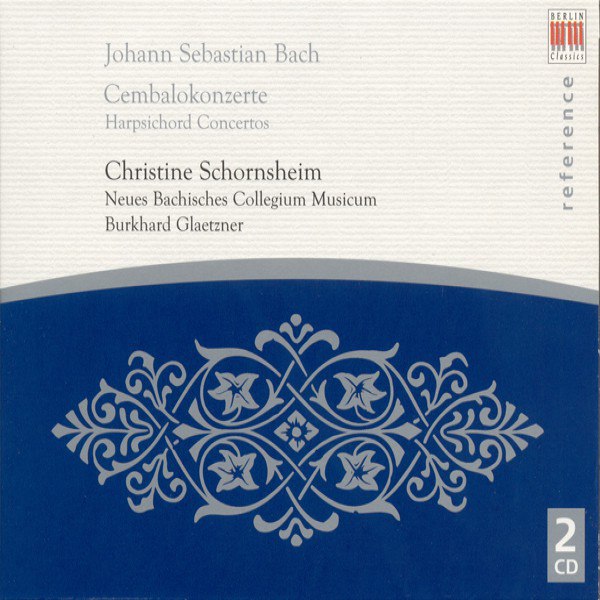
Johann Sebastian Bach: Harpsichord Concertos (Schornsheim, New Bach Collegium Musicum, Glaetzner)
Johann Sebastian Bach, New Bach Collegium Musicum Leipzig
Historical Keyboard
1965
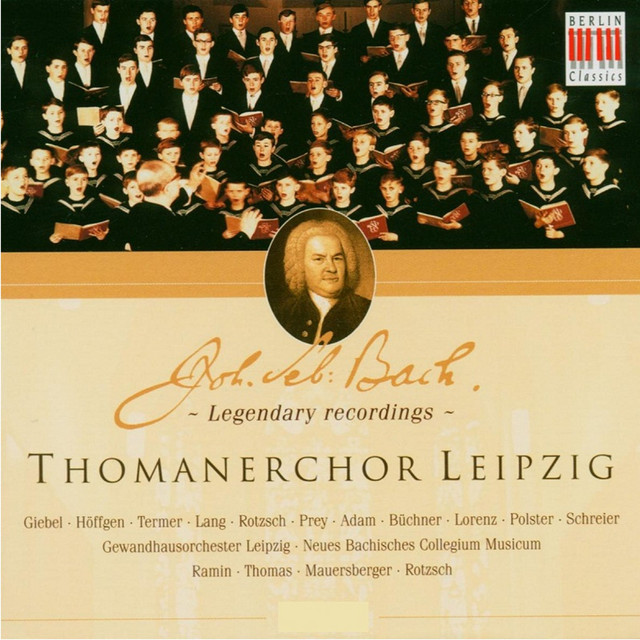
Bach: Thomanerchor Leipzig (Legendary recordings)
Johann Sebastian Bach, Thomanerchor Leipzig, Günther Ramin, Kurt Thomas, Erhard…
Classical Contralto
Similar artists
4
/5
Johann Sebastian Bach
Baroque
Classical
Baroque Suite
4
/5
Academy of St. Martin in the Fields
Baroque
Classical
Classical Performance
4
/5
English Chamber Orchestra
Baroque
Classical
Concerto
4
/5
Capella Istropolitana
Classical
Chamber Orchestra
Orchestral
3
/5
Orpheus Chamber Orchestra
Baroque
Chamber Music
Classical
3
/5
Trevor Pinnock
Baroque
Concerto
Classical
3
/5
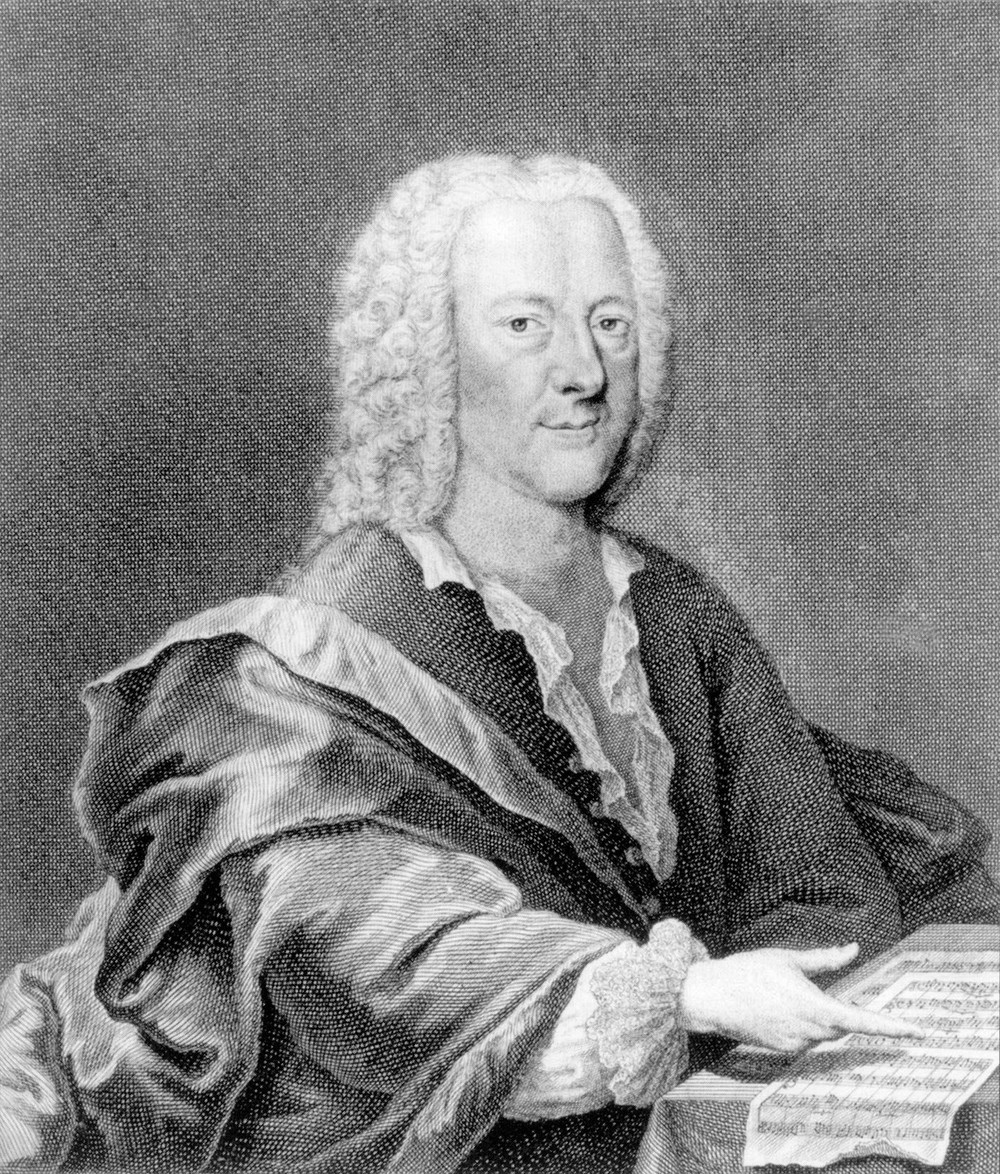
Georg Philipp Telemann
Baroque Woodwind
Fantasia
Recorder
3
/5
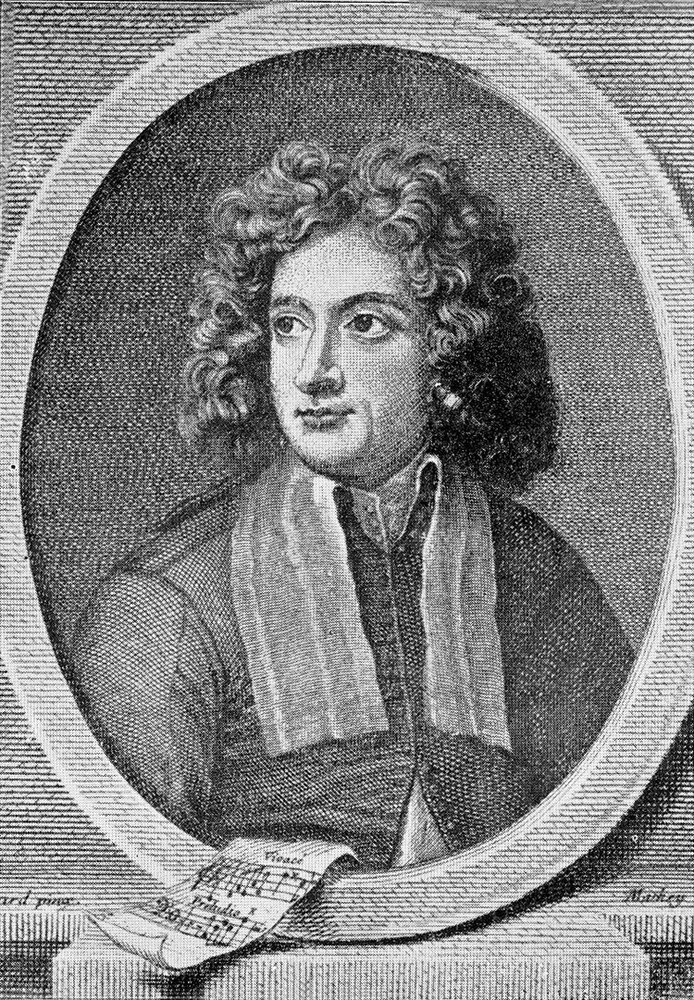
Arcangelo Corelli
Baroque
Baroque Violin
Classical
3
/5
Sinfonia Varsovia
Baroque
Chamber Music
Classical
3
/5
Isaac Stern
Classical
Chamber Music
Concerto
Download our mobile app
Get the Melodigging app and start digging for new genres on the go
Download on the App Store
Get it on Google Play
© 2026 Melodigging
Give feedback
Legal
Melodding was created as a tribute to
Every Noise at Once
, which inspired us to help curious minds keep digging into music's ever-evolving genres.