Genres
Artists
Albums
Make Music
Sign in
Sign in
Artists
Tango
Artists
Tango
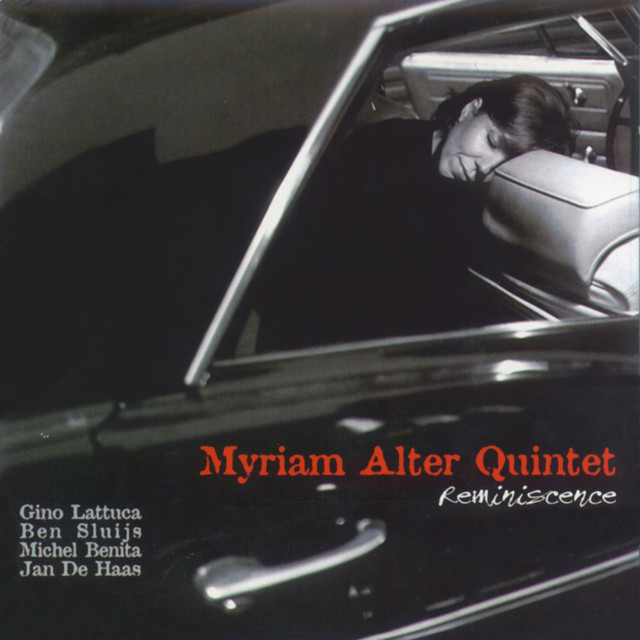
Myriam Alter
2002
·
1 album
Listen
2
/5
Genres
Contemporary Jazz
Contemporary jazz is an umbrella term for post-1970 jazz that absorbs advances from post‑bop, fusion, free jazz, modern classical, and global traditions while retaining the core values of improvisation and interaction. It favors a flexible rhythmic feel (from straight‑8 to polyrhythms), modal and post‑tonal harmony, and a producer’s ear for space, texture, and sound design. Unlike earlier era labels tied to a single movement, contemporary jazz denotes a living, evolving practice. It ranges from intimate acoustic trios to electronics‑enhanced ensembles, often using odd meters, ambient timbres, and song forms that move beyond the 32‑bar standard. The result is a wide spectrum—from lyrical, ECM‑influenced spaciousness to groove‑forward, rhythmically intricate music influenced by funk and world traditions.
Discover
Listen
World Fusion
World fusion is a broad, exploratory approach that blends musical traditions from different cultures with contemporary forms such as jazz, rock, ambient, and electronic music. Rather than being tied to a single folk lineage, it privileges hybrid instrumentation, modal and rhythmic vocabularies from around the globe, and collaborative performance practices. Compared with the more pop-oriented worldbeat, world fusion tends to be more improvisational, texture-driven, and studio- or ensemble-focused. It commonly juxtaposes instruments like oud, kora, sitar, tabla, duduk, and frame drums with electric guitar, synthesizers, and jazz rhythm sections, often emphasizing modal harmony, drones, polyrhythms, and odd meters.
Discover
Listen
Post-Bop
Post-bop is a modern jazz style that emerged in the early-to-mid 1960s as a synthesis of bebop, hard bop, modal jazz, cool jazz, third stream ideas, and the experimental impulses of the avant‑garde. It typically features acoustic small ensembles (often trumpet, saxophone, piano, bass, and drums) interacting with highly flexible time, non-functional or modal harmony, and motivic development rather than relying strictly on bebop chord cycles. Its sound balances structure and freedom: forms are clearly composed and often intricate, but improvisers stretch time feels, reharmonize on the fly, and use advanced harmonic colors such as quartal voicings, pedal points, and chromatic planing. Canonical touchstones include Miles Davis’s mid‑’60s Second Great Quintet (e.g., E.S.P., Nefertiti), Wayne Shorter’s Speak No Evil, Herbie Hancock’s Maiden Voyage, Andrew Hill’s Point of Departure, and many mid‑’60s Blue Note recordings that pushed beyond hard bop.
Discover
Listen
Jazz
Jazz is an improvisation-centered music tradition that emerged from African American communities in the early 20th century. It blends blues feeling, ragtime syncopation, European harmonic practice, and brass band instrumentation into a flexible, conversational art. Defining features include swing rhythm (a triplet-based pulse), call-and-response phrasing, blue notes, and extended harmonies built on 7ths, 9ths, 11ths, and 13ths. Jazz is as much a way of making music—spontaneous interaction, variation, and personal sound—as it is a set of forms and tunes. Across its history, jazz has continually hybridized, from New Orleans ensembles and big-band swing to bebop, cool and hard bop, modal and free jazz, fusion, and contemporary cross-genre experiments. Its influence permeates global popular and art music.
Discover
Listen
Tango
Tango is a song-and-dance music from the Río de la Plata region, crystallizing in Buenos Aires (Argentina) and Montevideo (Uruguay) in the late 19th century. It is characterized by a melancholic, dramatic tone; richly expressive melodies; and a distinctive rhythmic feel rooted in the habanera and milonga. Core ensembles feature bandoneón, violin(s), piano, double bass, and sometimes guitar, forming the famed orquesta típica. Across the 1920s–1950s it became a worldwide craze, moving from rough immigrant bars to grand salons and radio, developing highly sophisticated arranging and performance practices. Lyrics often employ lunfardo (Buenos Aires slang) and dwell on urban nostalgia, love, betrayal, and the neighborhood (el barrio). Note on terminology: in flamenco, “tangos” is a distinct palo (song form) with a lively 4/4 compás, often in A Phrygian, closely related in feeling to rumba flamenca. Although it shares the name and a spirited character, flamenco tangos is a different tradition from the Río de la Plata tango described above.
Discover
Listen
Albums
2002
2
/5
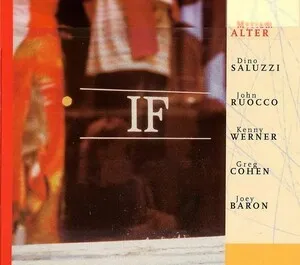
If
Myriam Alter
Tango
Jazz
Similar artists
1
/5
Various Artists
Afro-Funk
Alternative Rock
Ambient
3
/5
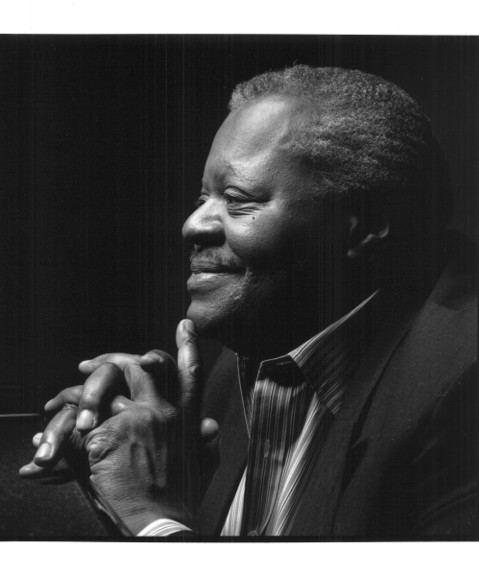
Oscar Peterson
Jazz
Bebop
Cool Jazz
3
/5
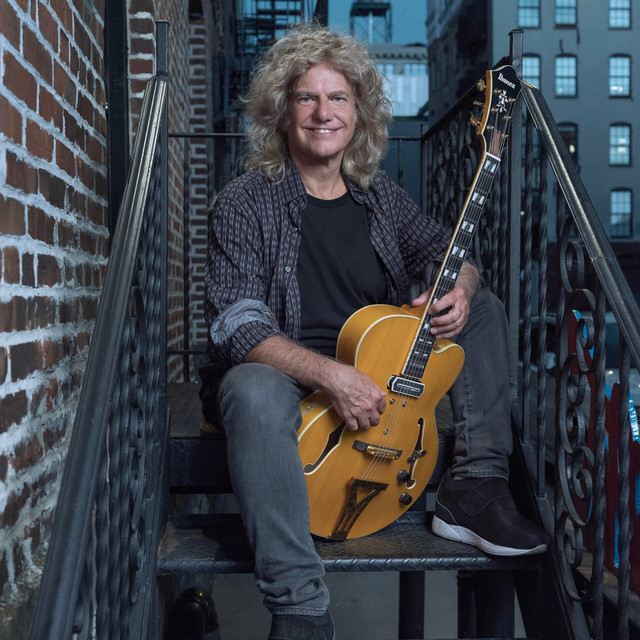
Pat Metheny
Avant-Garde Jazz
Jazz
Jazz Fusion
3
/5
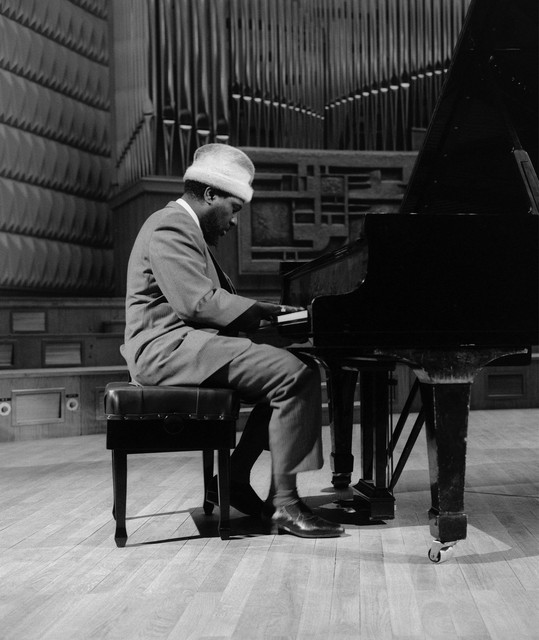
Thelonious Monk
Jazz
Hard Bop
Bebop
3
/5
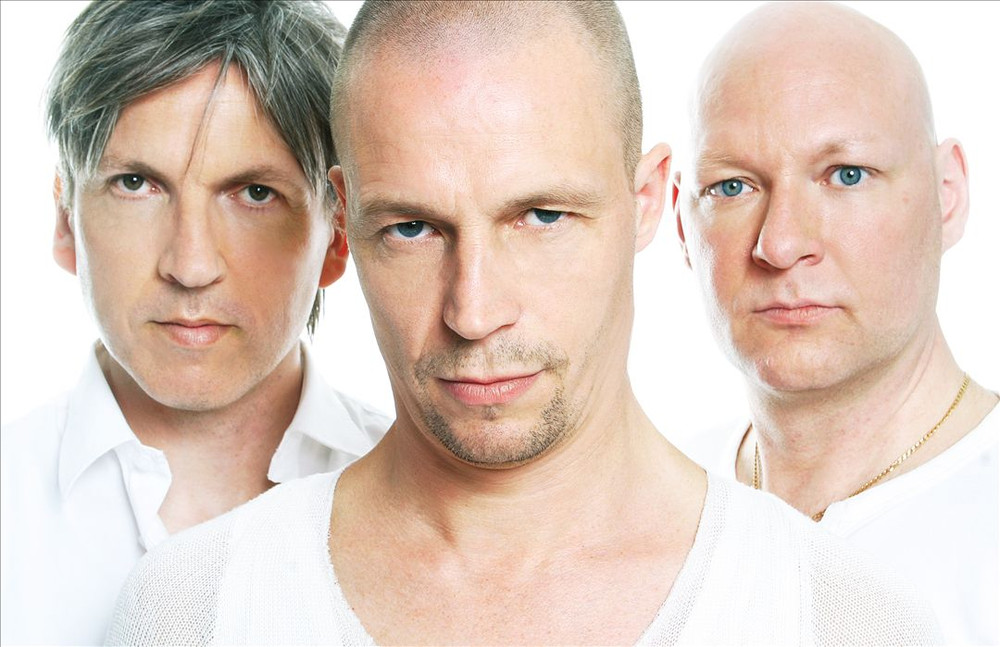
Esbjörn Svensson Trio
Jazz
Modern Jazz Trio
Contemporary Jazz
3
/5
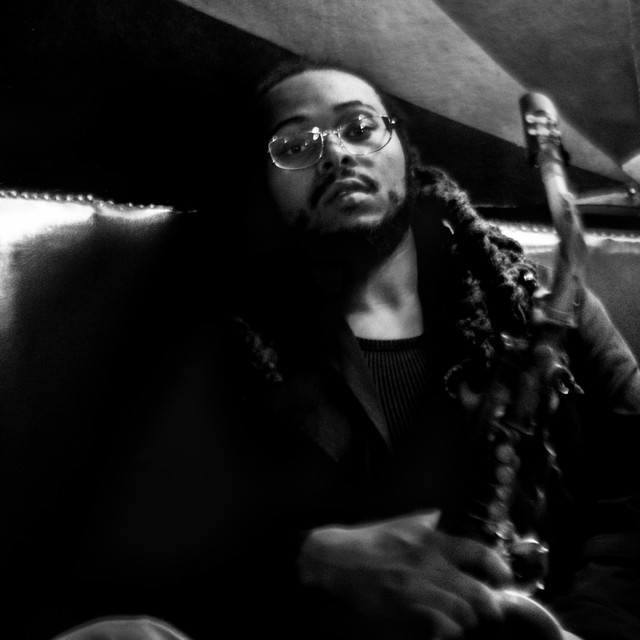
Immanuel Wilkins
Contemporary Jazz
Jazz
Free Jazz
2
/5
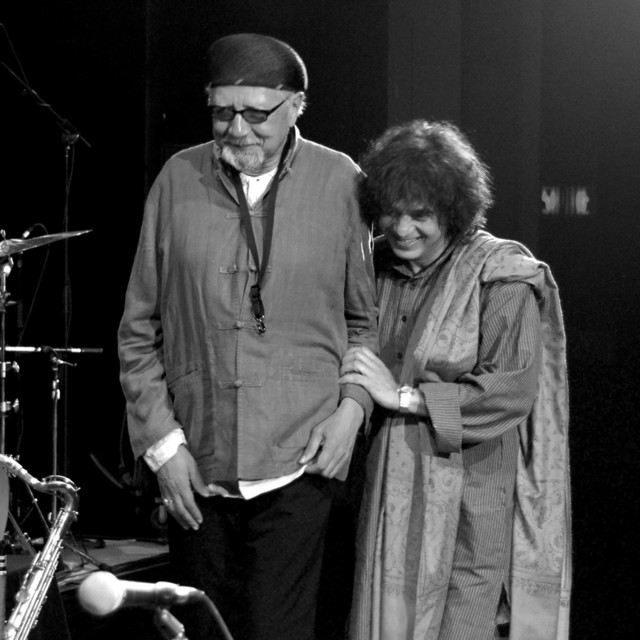
Charles Lloyd
Jazz
Free Jazz
Contemporary Jazz
3
/5
Dhafer Youssef
Arabic Jazz
Jazz
Sufi
1
/5
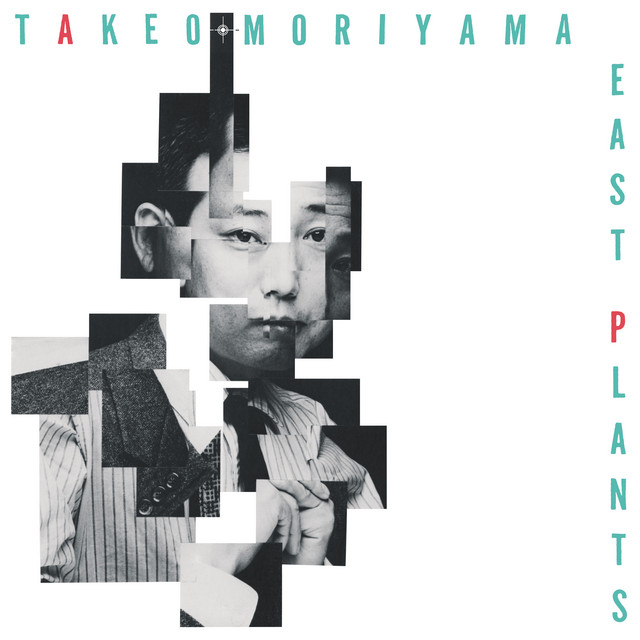
Takeo Moriyama
Free Jazz
Spiritual Jazz
Contemporary Jazz
3
/5
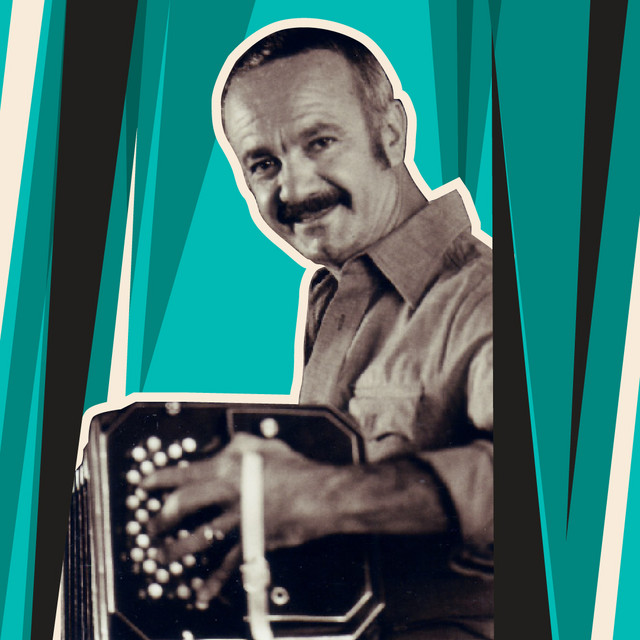
Astor Piazzolla
Nuevo Tango
Tango
Rioplatense Music
Download our mobile app
Get the Melodigging app and start digging for new genres on the go
Download on the App Store
Get it on Google Play
© 2026 Melodigging
Give feedback
Legal
Melodding was created as a tribute to
Every Noise at Once
, which inspired us to help curious minds keep digging into music's ever-evolving genres.