Genres
Artists
Albums
Make Music
Sign in
Sign in
Artists
Classical
Artists
Classical
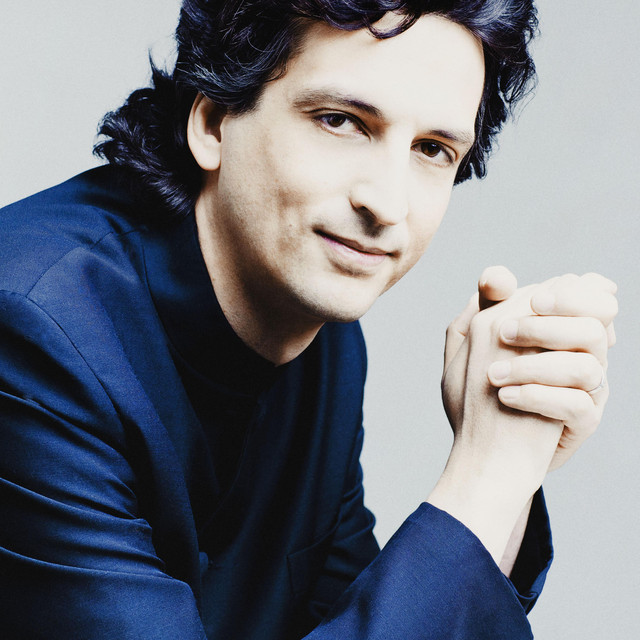
Michael Sanderling
2009–2013
·
2 albums
Listen
3
/5
Genres
Late Romantic Era
Late Romantic era refers to the final flowering of 19th‑century Romantic music, roughly from the 1860s to the early 1910s. It is characterized by maximal orchestral forces, lush chromatic harmony, long‑breathed melody, and a highly expressive, often narrative approach to form. Composers expanded tonal language through extended and altered chords, distant modulations, and intricate leitmotivic development, while stretching classical forms (symphony, opera, concerto, symphonic poem) to epic scale. Programmatic ideas, philosophical themes, and intense emotional contrasts are common, and rubato, timbral color, and virtuoso orchestration play central roles.
Discover
Listen
String Orchestra
A string orchestra is an orchestral ensemble made exclusively (or almost exclusively) of bowed string instruments—first and second violins, violas, cellos, and double basses—forming a homogeneous “string choir.” Unlike full symphony orchestras, which mix winds, brass, and percussion, the string orchestra’s color palette is built from a single instrumental family. This gives it exceptional flexibility in blend, balance, and nuance: from transparent, madrigal‑like counterpoint to rich, organ‑like sonorities, and from whispering sul tasto textures to incisive martelé and spiccato rhythms. Historically rooted in the Baroque concerto grosso and early sinfonia, the string orchestra later became a favored medium for serenades, suites, and modern mini‑symphonies. Today it is equally at home in concert halls, education and youth programs, and cross‑over projects, and it remains a go‑to sound for film and media when warmth, clarity, and expressivity are desired.
Discover
Listen
Classical
Classical music is the notated art-music tradition of Europe and its global descendants, characterized by durable forms, carefully codified harmony and counterpoint, and a literate score-based practice. The term “classical” can refer broadly to the entire Western art-music lineage from the Medieval era to today, not just the Classical period (c. 1750s–1820s). It privileges long-form structures (such as symphonies, sonatas, concertos, masses, and operas), functional or modal harmony, thematic development, and timbral nuance across ensembles ranging from solo instruments to full orchestras and choirs. Across centuries, the style evolved from chant and modal polyphony to tonal harmony, and later to post-tonal idioms, while maintaining a shared emphasis on written notation, performance practice, and craft.
Discover
Listen
Albums
2013
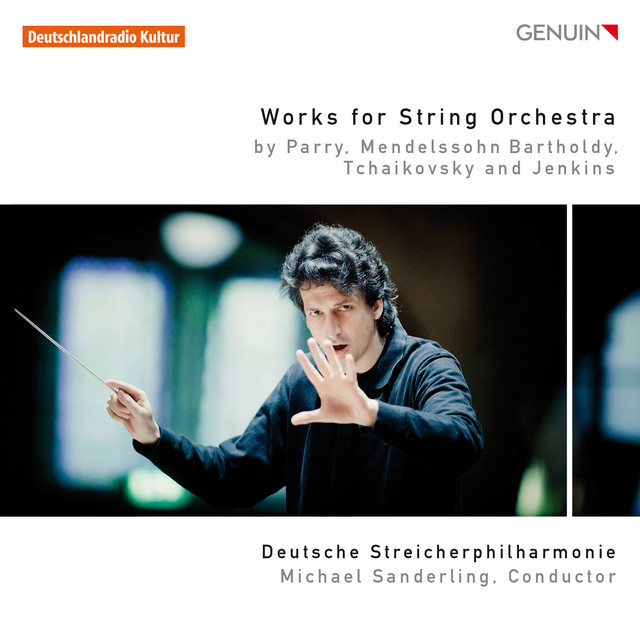
Works for String Orchestra
Parry, Mendelssohn Bartholdy, Tchaikovsky, Jenkins; Deutsche Streicherphilharmo…
String Orchestra
2009
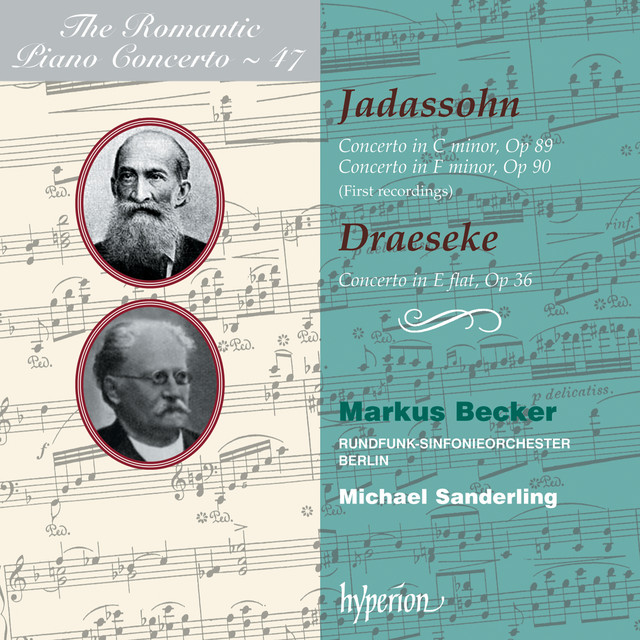
Draeseke & Jadassohn: Piano Concertos (Hyperion Romantic Piano Concerto 47)
Markus Becker, Salomon Jadassohn, Rundfunk-Sinfonieorchester Berlin, Felix Drae…
Late Romantic Era
Similar artists
4
/5
Wolfgang Amadeus Mozart
Classical
Requiem
Classical Period
4
/5
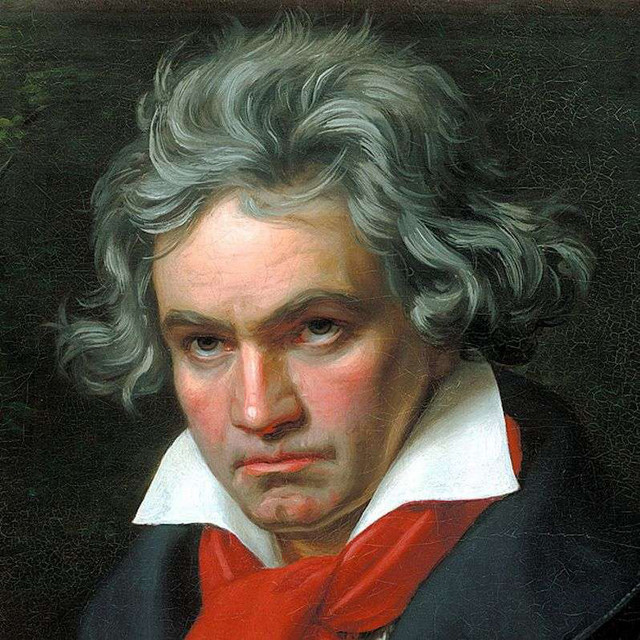
Ludwig van Beethoven
Classical
Classical Period
Romantic Classical
4
/5
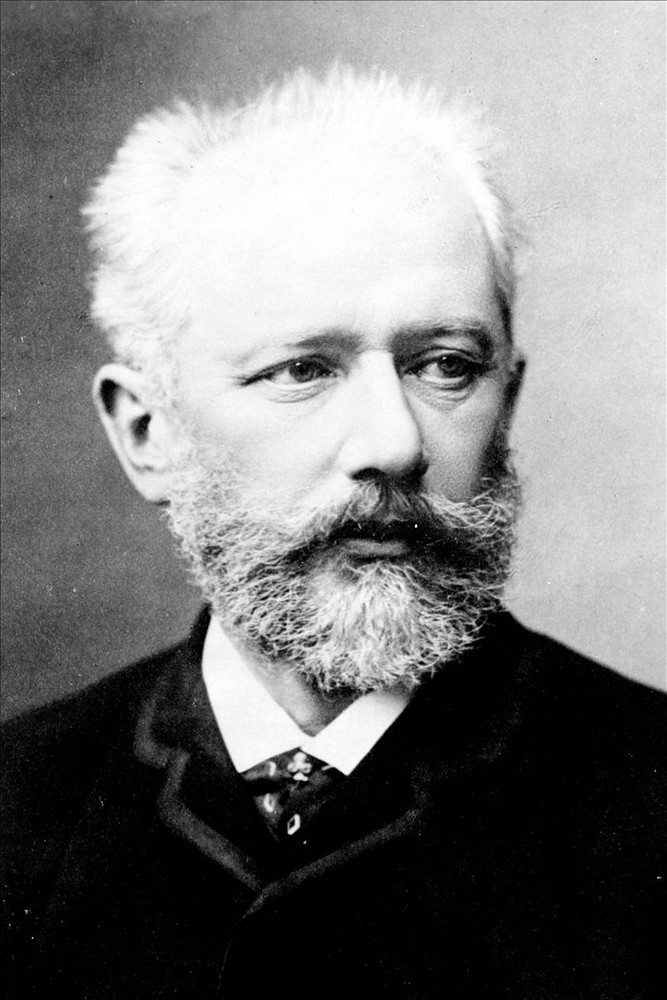
Pyotr Ilyich Tchaikovsky
Classical
Moscow School
Ballet
4
/5
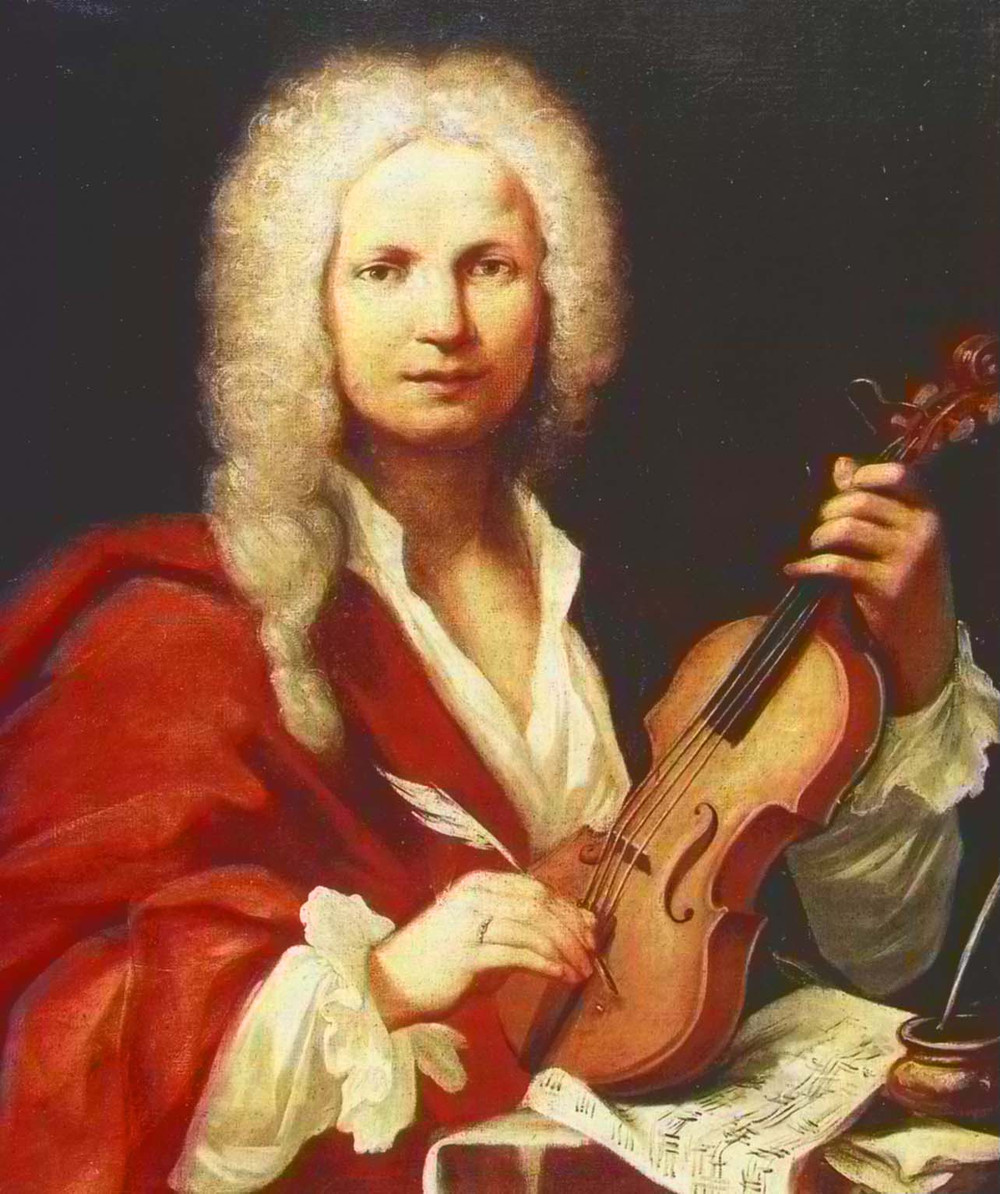
Antonio Vivaldi
Baroque
Classical
Opera Seria
4
/5
Wiener Philharmoniker
Classical
Romantic Classical
Romanticism
4
/5
I Virtuosi Italiani
Classical
Concerto
Chamber Choir
4
/5
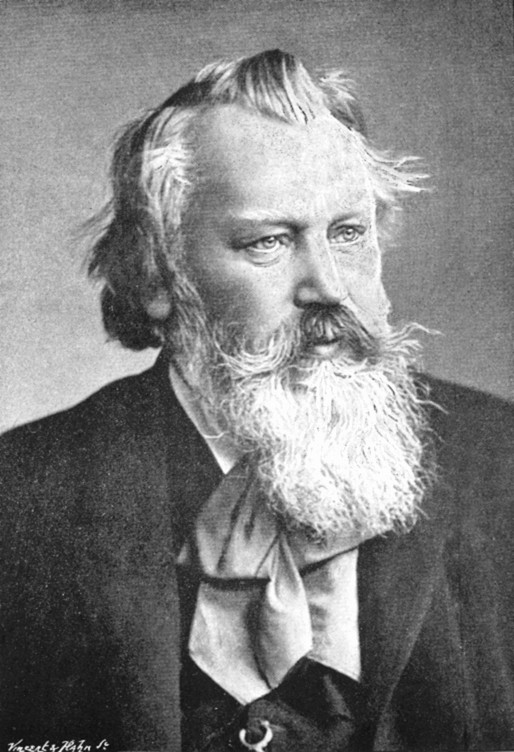
Johannes Brahms
Classical Clarinet
Classical Piano Quartet
Concerto
4
/5
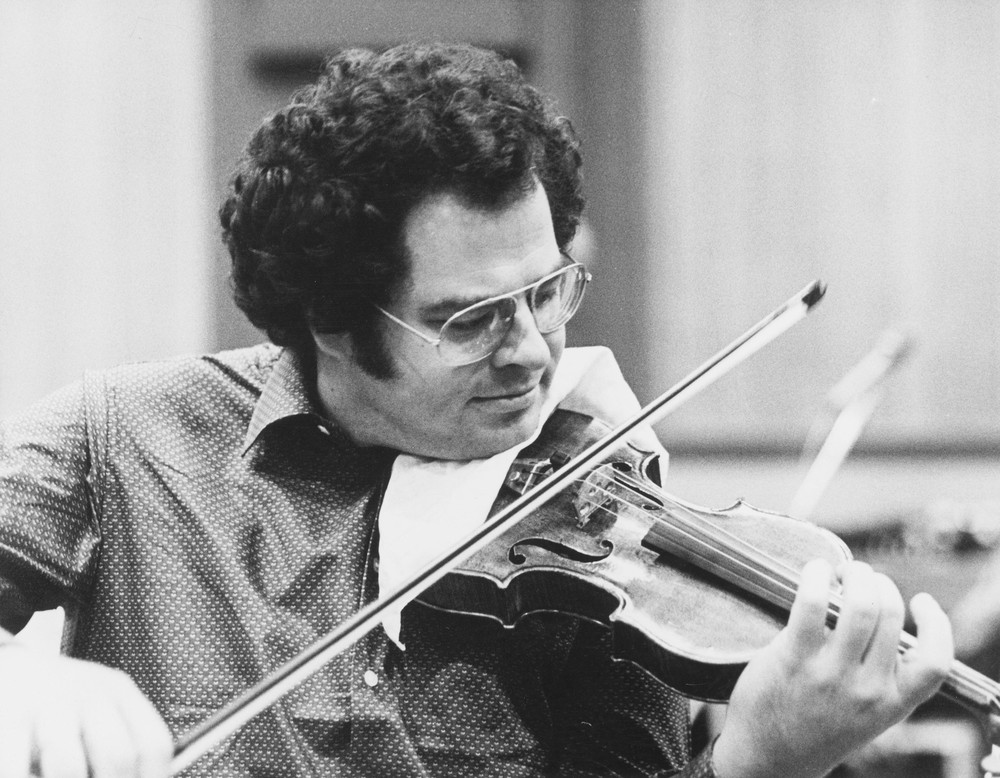
Itzhak Perlman
Concerto
Chamber Music
Classical
4
/5
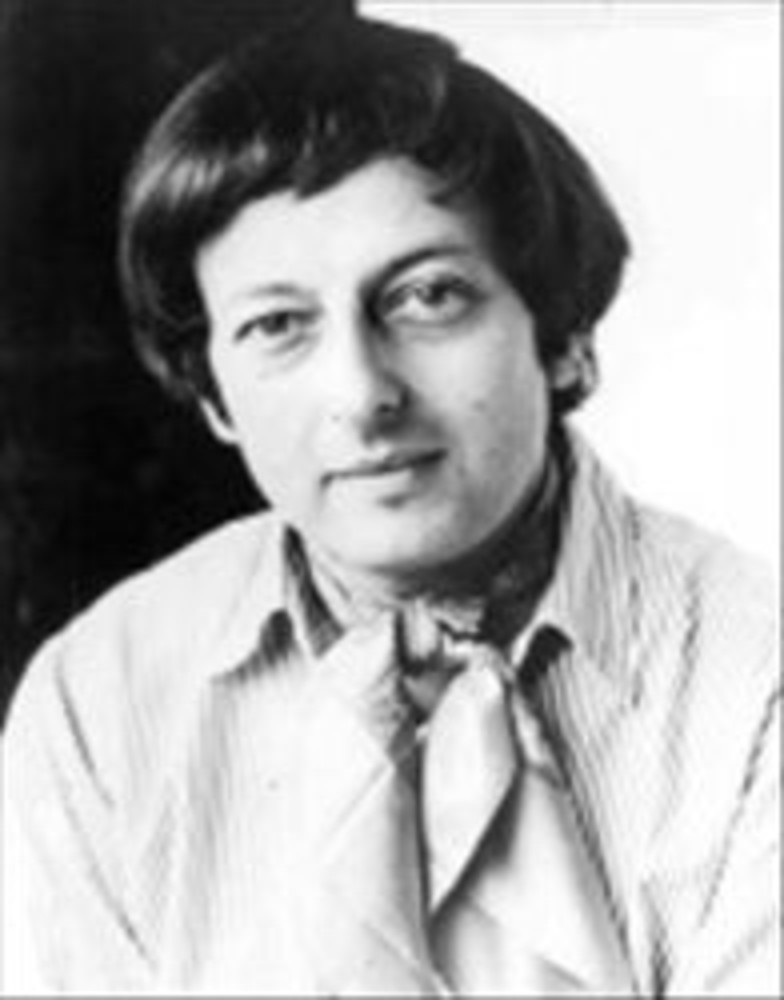
André Previn
Orchestral Performance
Ballet
Classical
4
/5
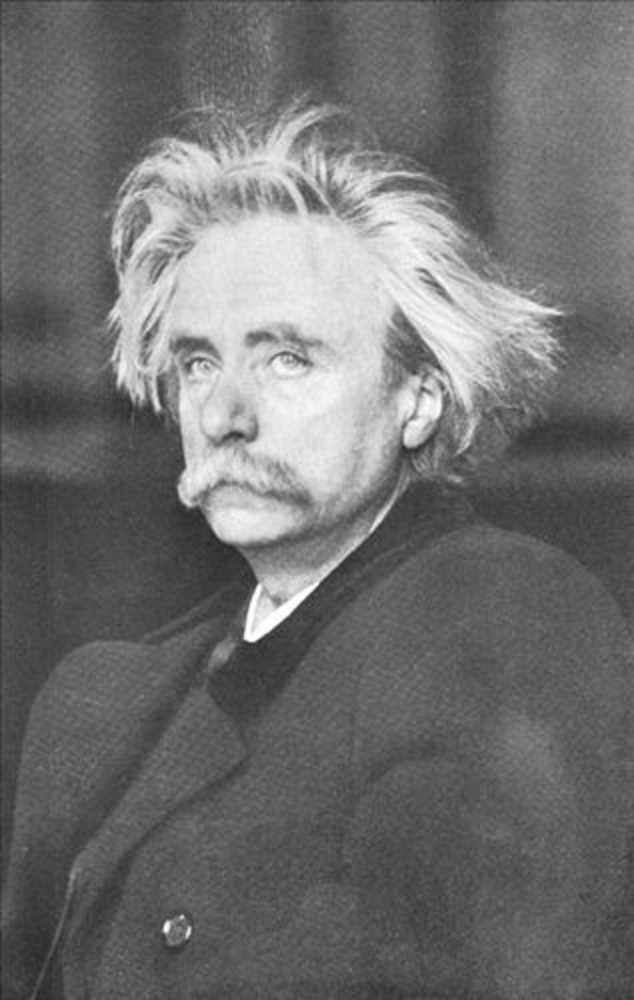
Edvard Grieg
Nordic Classical Piano
Character Piece
Classical
Download our mobile app
Get the Melodigging app and start digging for new genres on the go
Download on the App Store
Get it on Google Play
© 2026 Melodigging
Give feedback
Legal
Melodding was created as a tribute to
Every Noise at Once
, which inspired us to help curious minds keep digging into music's ever-evolving genres.