Genres
Artists
Albums
Make Music
Sign in
Sign in
Artists
Post-Disco
Artists
Post-Disco
Material
1981–1998
·
4 albums
Listen
2
/5
Genres
Post-Disco
Post-disco emerged at the turn of the 1980s as club music adapted to the backlash against late-1970s disco. It kept disco’s dance-floor focus but pared down the orchestral lushness, replacing strings and large horn sections with drum machines, synthesizers, and tighter funk- and soul-informed grooves. The style favors mid-tempo, bass-forward rhythms (often around 105–120 BPM), crisp handclaps, syncopated rhythm guitar, and glossy keyboard textures. It served as a bridge between classic disco and later developments like boogie, electro-funk, house, freestyle, and dance-pop, defining the sonic palette of early 1980s urban contemporary R&B.
Discover
Listen
Mutant Disco
Mutant disco is a hybrid, downtown New York dance sound that splices the four‑on‑the‑floor pulse of disco with the angularity of post‑punk, the abrasiveness of no wave, and the groove science of funk and dub. Coined and popularized around ZE Records’ 1981 compilation “Mutant Disco: A Subtle Discolation of the Norm,” it embraces irony, art‑school playfulness, and cosmopolitan polyrhythms. Expect rubbery basslines, clipped guitar scratches, hand percussion, early synths, and talk‑sung or theatrical vocals that subvert disco’s glossy hedonism while keeping its dancefloor logic intact. The style is loose by design—less a rigid formula than a creative ethos that remixes disco with downtown experimentalism, Caribbean/Latin flavors, and DIY punk energy.
Discover
Listen
Worldbeat
Worldbeat is a pop-oriented fusion that blends contemporary Western production (pop, rock, dance, and electronic) with rhythms, instruments, scales, and vocal styles drawn from diverse musical traditions around the world. It typically features layered percussion, polyrhythms, call-and-response vocals, and multilingual or code-switching lyrics, while maintaining accessible song forms and hook-driven choruses. Arrangements often juxtapose drum kits, bass guitar, and synths with instruments such as kora, mbira, oud, sitar, djembe, balafon, or charango. As a retail and radio category in the 1980s–1990s, worldbeat served both as a creative space for cross-cultural collaboration and a marketing umbrella, attracting praise for bridge-building and criticism for occasional exoticism or unequal credit-sharing.
Discover
Listen
Acid Jazz
Acid jazz is a groove-focused fusion that blends the rhythmic drive of 1970s funk and soul with jazz harmony, improvisation, and DJ culture. Emerging from the UK club scene in the late 1980s, it revived crate-dug "rare groove" aesthetics and reintroduced live instrumentation—Hammond organ, Rhodes, horns, and tight rhythm sections—into contemporary dance music. Stylistically, acid jazz favors mid-tempo, syncopated rhythms, vamp-based structures, extended chords, and concise solos, often paired with warm, analog-leaning production. It sits between dancefloor energy and lounge sophistication, bridging DJs, bands, and studio producers while maintaining a polished, urban, and feel-good mood.
Discover
Listen
Dub Poetry
Dub poetry is a form of performance poetry that merges spoken-word delivery with the bass-heavy, spacious rhythms of reggae and dub. Unlike Jamaican toasting (the DJ "talk-over" tradition), dub poets typically recite crafted, page-ready poems with deliberate meter, imagery, and rhetorical structure, performing them over live bands or pre-recorded "version" tracks sculpted with echo, delay, and reverb. The style is closely tied to Rastafarian consciousness and social commentary, addressing themes such as anti-racism, diaspora identity, working-class struggle, and state violence. Vocals are often delivered in Jamaican patois (or Caribbean English), with strong rhythmic phrasing that locks into one‑drop and steppers grooves while the mix engineer uses dub techniques to frame the voice in space.
Discover
Listen
No Wave
No wave is a late-1970s New York City underground movement that rejected the orthodoxies of punk, rock, and pop in favor of abrasive sonics, anti-virtuosic playing, and an art-forward, confrontational attitude. Its sound ranges from skronky, free-jazz-influenced sax blasts and scraping, detuned guitars to rigid, mechanical rhythms and stark, minimal song structures. Lyrics are often spoken, shouted, or declaimed in a deadpan or feral style, addressing urban anxiety, alienation, and cultural decay. More than a fixed style, no wave was a short, intense rupture: a scene of musicians and artists who intentionally dismantled conventional harmony, groove, and song form to foreground texture, noise, and performance as critique.
Discover
Listen
Punk
Punk is a fast, abrasive, and minimalist form of rock music built around short songs, stripped-down instrumentation, and confrontational, anti-establishment lyrics. It emphasizes DIY ethics, raw energy, and immediacy over virtuosity, often featuring distorted guitars, shouted or sneered vocals, and simple, catchy melodies. Typical songs run 1–3 minutes, sit around 140–200 BPM, use power chords and basic progressions (often I–IV–V), and favor live, unpolished production. Beyond sound, punk is a cultural movement encompassing zines, independent labels, political activism, and a fashion vocabulary of ripped clothes, leather, and safety pins.
Discover
Listen
Experimental Rock
Experimental rock is a broad, exploratory branch of rock music that prioritizes innovation over convention. It stretches rock’s core instrumentation and song forms through unusual timbres, extended techniques, nonstandard tunings, chance procedures, and studio-as-instrument production. Drawing on avant-garde composition, free jazz, minimalism, and electronic/tape music, experimental rock often rejects verse–chorus structures in favor of drones, suites, collage, and improvisation. It embraces dissonance and noise as expressive tools, employs odd or fluid meters, and incorporates non-rock instruments, found sounds, and unconventional recording methods. The result is a lineage of music that treats rock not as a fixed style but as a laboratory for new sound worlds.
Discover
Listen
Funk
Funk is a rhythm-forward African American popular music style that centers on groove, syncopation, and interlocking parts. Rather than emphasizing complex chord progressions, funk builds tight, repetitive vamps that highlight the rhythm section and create an irresistible dance feel. The genre is marked by syncopated drum patterns, melodic yet percussive bass lines, choppy guitar "chanks," punchy horn stabs, call‑and‑response vocals, and a strong backbeat. Funk’s stripped-down harmony, prominent use of the one (accenting the downbeat), and polyrhythmic layering draw deeply from soul, rhythm and blues, jazz, gospel, and African rhythmic traditions. From James Brown’s late-1960s innovations through the expansive P-Funk universe and the slicker sounds of the 1970s and 1980s, funk has continually evolved while seeding countless other genres, from disco and hip hop to house and modern R&B.
Discover
Listen
Jazz
Jazz is an improvisation-centered music tradition that emerged from African American communities in the early 20th century. It blends blues feeling, ragtime syncopation, European harmonic practice, and brass band instrumentation into a flexible, conversational art. Defining features include swing rhythm (a triplet-based pulse), call-and-response phrasing, blue notes, and extended harmonies built on 7ths, 9ths, 11ths, and 13ths. Jazz is as much a way of making music—spontaneous interaction, variation, and personal sound—as it is a set of forms and tunes. Across its history, jazz has continually hybridized, from New Orleans ensembles and big-band swing to bebop, cool and hard bop, modal and free jazz, fusion, and contemporary cross-genre experiments. Its influence permeates global popular and art music.
Discover
Listen
Show all 10 genres
Albums
1998
1
/5
The Road to the Western Lands
Material
Dub Poetry
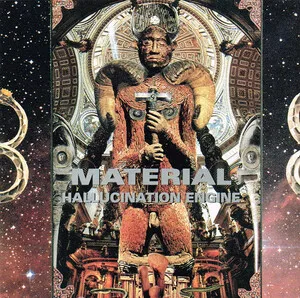
1994
1
/5
Hallucination Engine
Material
Worldbeat
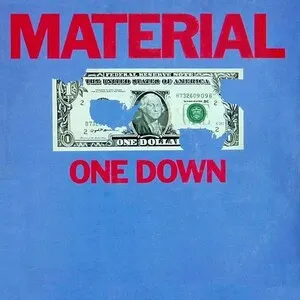
1982
1
/5
One Down
Material
Mutant Disco
1981
1
/5
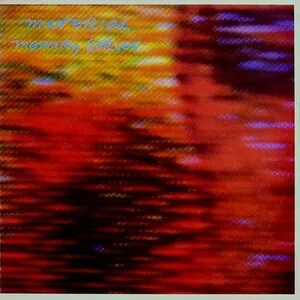
Memory Serves
Material
No Wave
Similar artists
2
/5
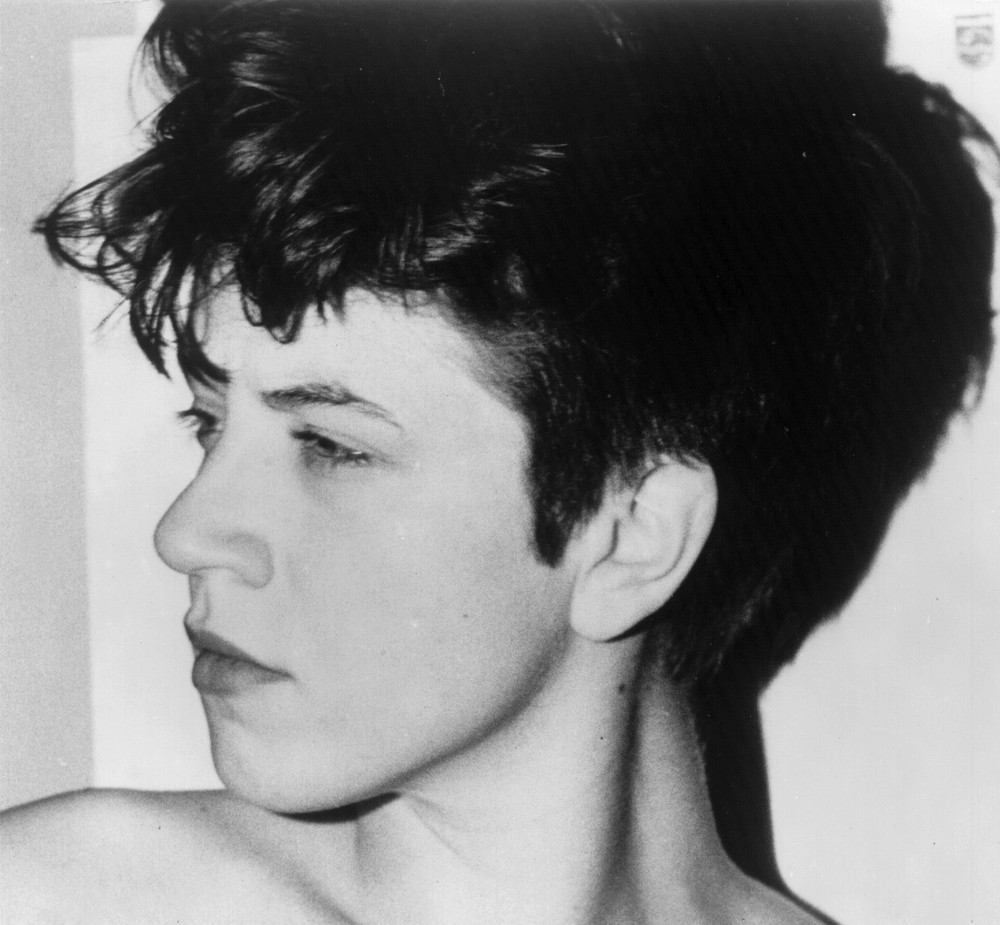
Lizzy Mercier Descloux
No Wave
Disco
Mutant Disco
1
/5
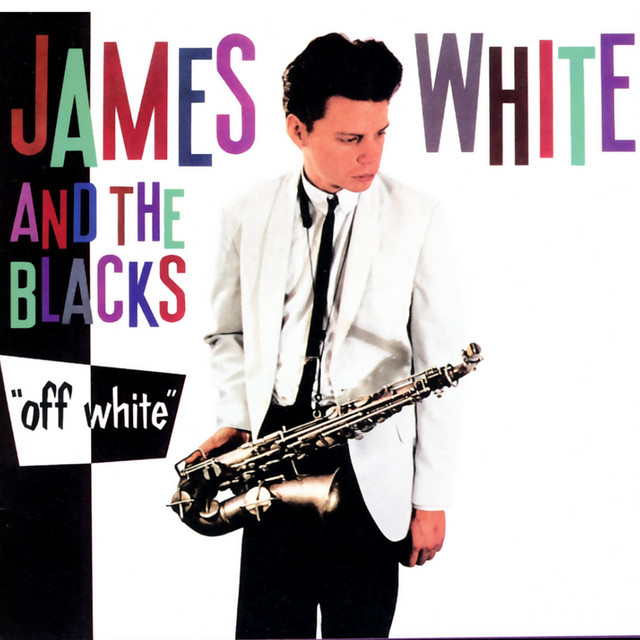
James White And The Blacks
No Wave
Post-Disco
Post-Punk
3
/5
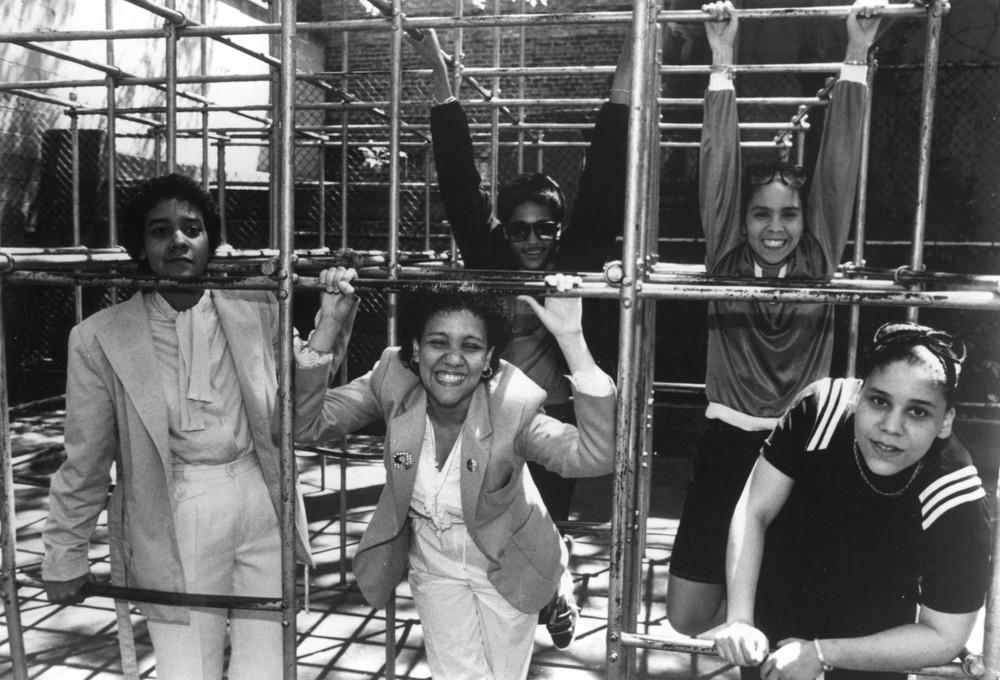
ESG
No Wave
Post-Disco
Post-Punk
1
/5
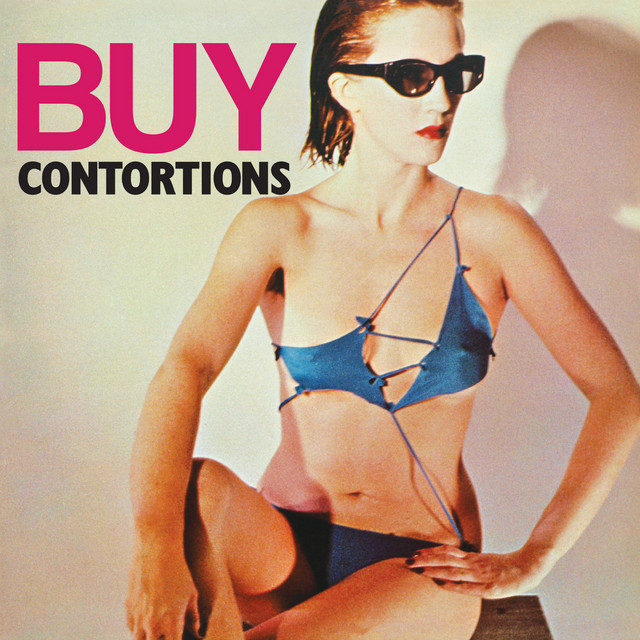
The Contortions
Avant-Garde
Noise Rock
Post-Disco
1
/5
Cristina
Digital Horror
Post-Disco
Mutant Disco
1
/5
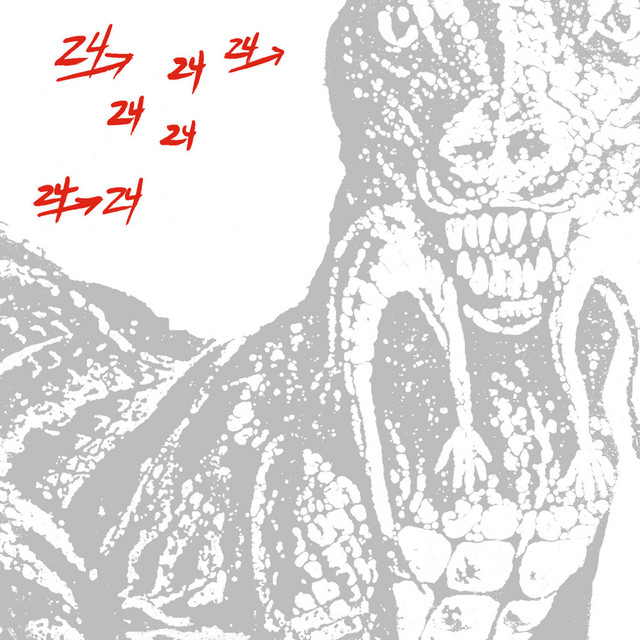
Dinosaur L
Post-Disco
Disco
Electronic
1
/5
Maximum Joy
Post-Disco
Post-Punk
Mutant Disco
4
/5
Patrice Rushen
Disco
Funk
Jazz-Funk
3
/5
Cheryl Lynn
Disco
Minneapolis Sound
Post-Disco
3
/5
Shalamar
Disco
Funk
Post-Disco
Download our mobile app
Get the Melodigging app and start digging for new genres on the go
Download on the App Store
Get it on Google Play
© 2026 Melodigging
Give feedback
Legal
Melodding was created as a tribute to
Every Noise at Once
, which inspired us to help curious minds keep digging into music's ever-evolving genres.