Genres
Artists
Albums
Make Music
Sign in
Sign in
Artists
Digital Horror
Artists
Digital Horror
Cristina
2011
·
1 album
Listen
1
/5
Genres
Digital Horror
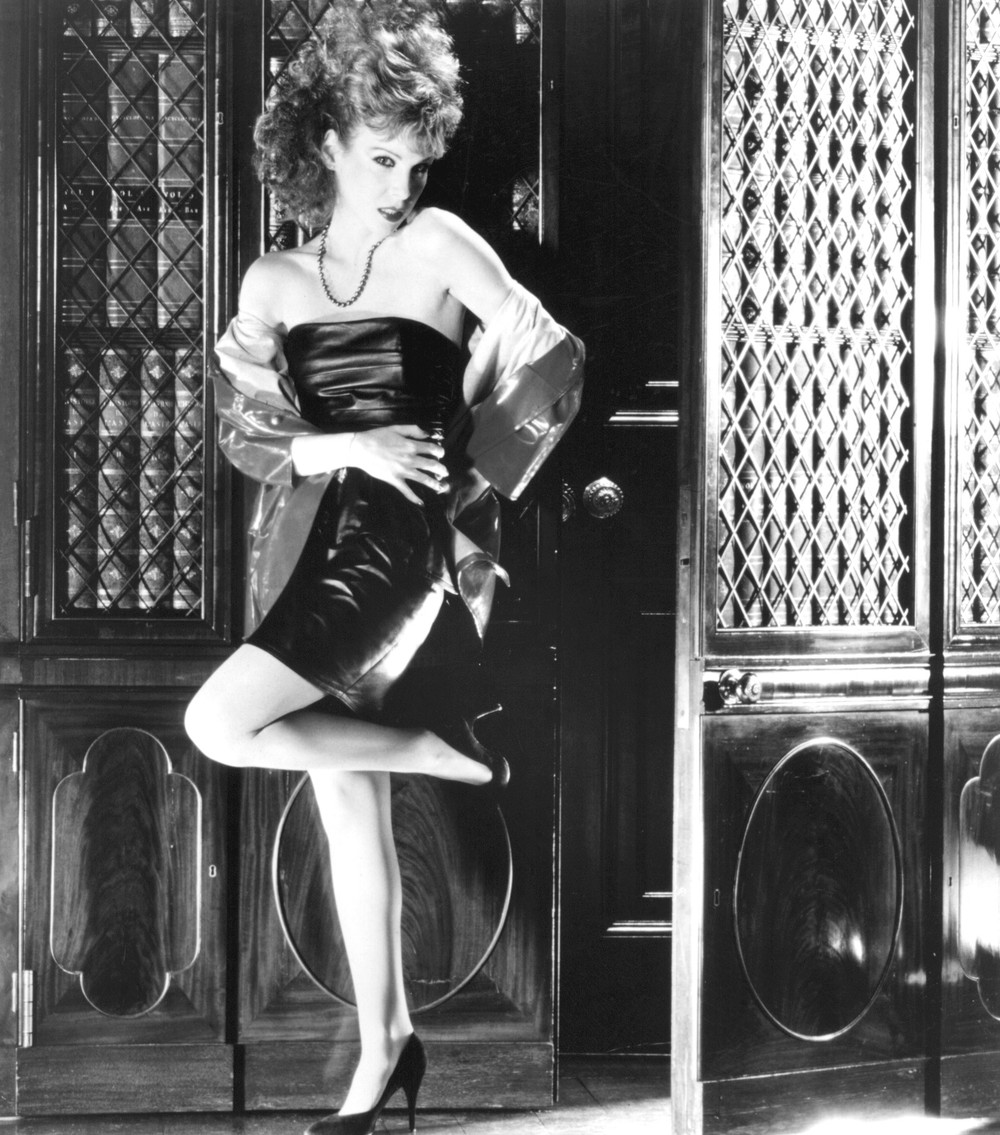
Digital horror is a contemporary horror aesthetic that focuses on dread emerging from networked technologies, software, and always‑on media. Narratives and sound worlds revolve around screens, social platforms, livestreams, malware, deepfakes, and the uncanny presence of algorithmic systems. In music and sound design, the style translates this fear of the digital into glitching textures, corrupted audio artifacts, synthetic drones, and the weaponization of familiar interface sounds (alerts, keyboards, notification pings). It often blends dark ambient, industrial noise, and hauntological sampling to suggest threats that live inside code, clouds, and data centers—consistent with the wider definition that emphasizes anxiety and supernatural menace arising from the Internet and modern media.
Discover
Listen
J-Division
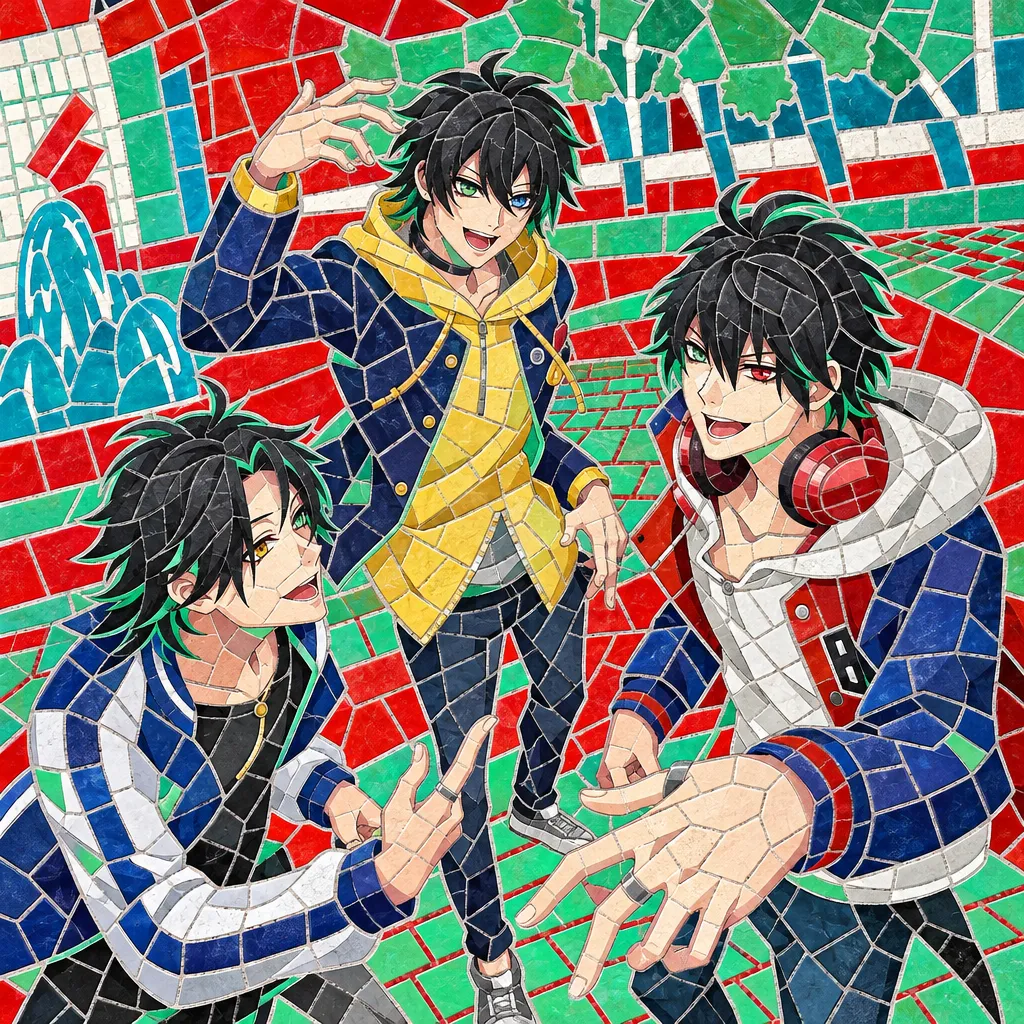
J-division is a contemporary Japanese media‑mix pop and hip‑hop scene centered on “2.5D” idol projects and voice‑actor (seiyu) character units. Songs are typically credited to fictional characters and performed by their voice actors, fusing glossy J‑pop with EDM drops, trap‑influenced beats, and anison (anime song) theatricality. The “division” idea reflects franchise formats that pit city‑ or team‑based units against one another in story‑driven releases, live events, and stage productions. The sound ranges from bright, dance‑floor J‑pop to cypher‑style rap tracks, often featuring tightly choreographed hooks, stacked harmonies, dramatic key changes, and narrative lyrics that extend a franchise’s worldbuilding.
Discover
Listen
Post-Disco
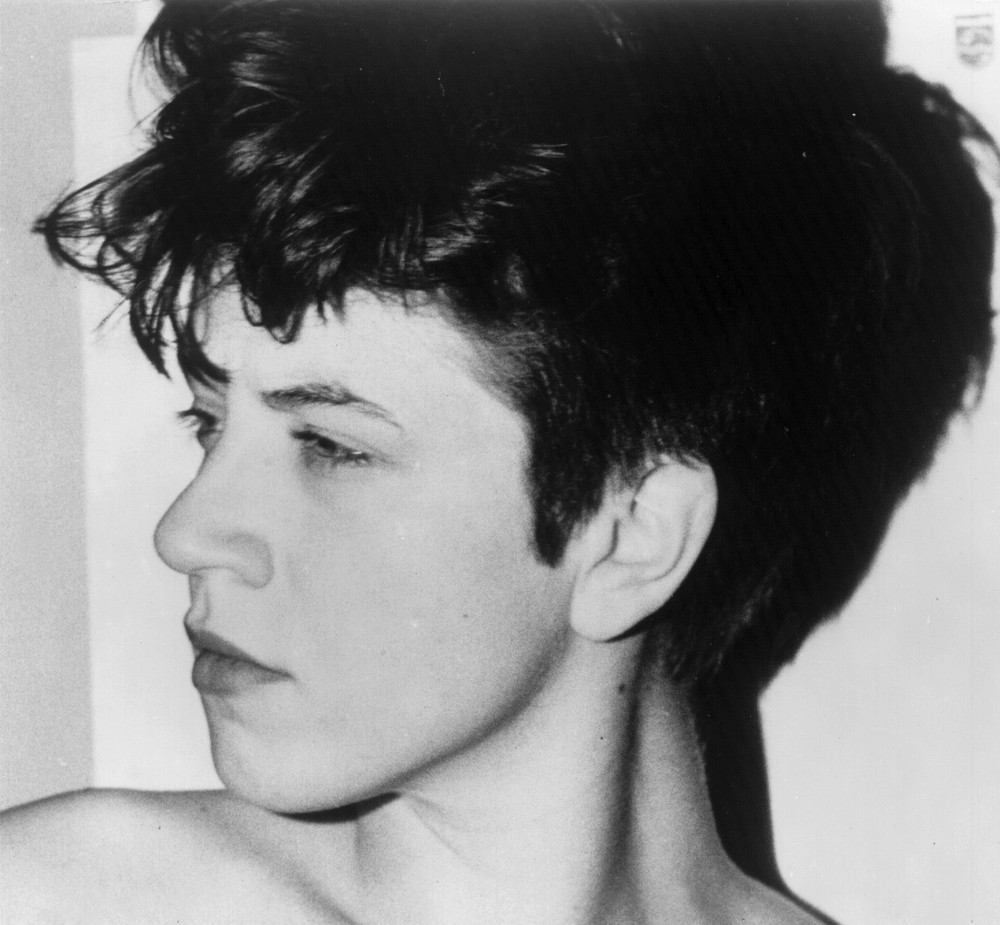
Post-disco emerged at the turn of the 1980s as club music adapted to the backlash against late-1970s disco. It kept disco’s dance-floor focus but pared down the orchestral lushness, replacing strings and large horn sections with drum machines, synthesizers, and tighter funk- and soul-informed grooves. The style favors mid-tempo, bass-forward rhythms (often around 105–120 BPM), crisp handclaps, syncopated rhythm guitar, and glossy keyboard textures. It served as a bridge between classic disco and later developments like boogie, electro-funk, house, freestyle, and dance-pop, defining the sonic palette of early 1980s urban contemporary R&B.
Discover
Listen
Mutant Disco
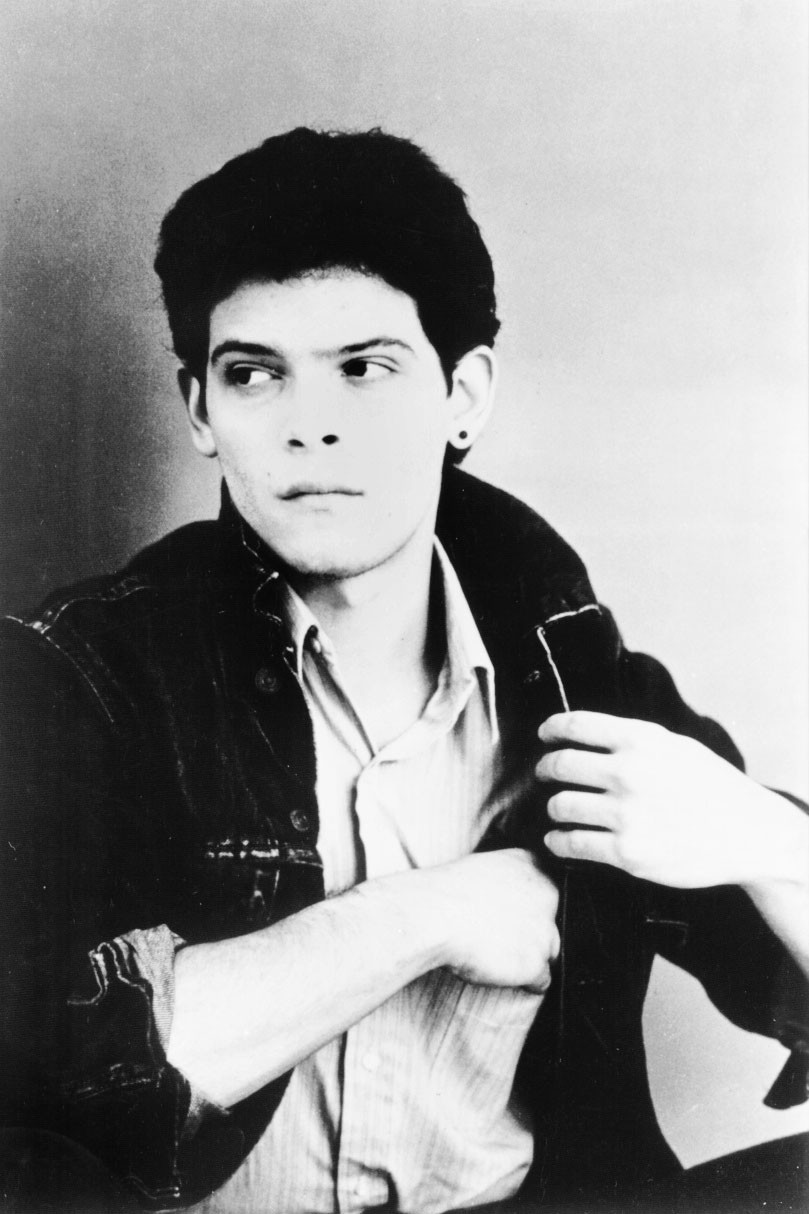
Mutant disco is a hybrid, downtown New York dance sound that splices the four‑on‑the‑floor pulse of disco with the angularity of post‑punk, the abrasiveness of no wave, and the groove science of funk and dub. Coined and popularized around ZE Records’ 1981 compilation “Mutant Disco: A Subtle Discolation of the Norm,” it embraces irony, art‑school playfulness, and cosmopolitan polyrhythms. Expect rubbery basslines, clipped guitar scratches, hand percussion, early synths, and talk‑sung or theatrical vocals that subvert disco’s glossy hedonism while keeping its dancefloor logic intact. The style is loose by design—less a rigid formula than a creative ethos that remixes disco with downtown experimentalism, Caribbean/Latin flavors, and DIY punk energy.
Discover
Listen
Pigfuck
Pigfuck is a caustic, noise-scraped strain of American underground rock that emerged in the mid‑1980s. It mashes the velocity and antagonism of punk with the abrasion of no wave and the mechanical thud of early industrial, often delivered with a blackly comic, misanthropic streak. Typical tracks lurch on repetitive, bass-forward riffs, blown-out guitar texture, and pummeling drum patterns (frequently tom-heavy or even drum-machine driven). Vocals are barked, sneered, or deadpan, while lyrics dwell on the grotesque, blue-collar absurdity, and the uglier corners of American life. Production is intentionally raw and dry—close-miked, low on reverb, and happy to leave in feedback, clipping, and unpleasant overtones.
Discover
Listen
No Wave
No wave is a late-1970s New York City underground movement that rejected the orthodoxies of punk, rock, and pop in favor of abrasive sonics, anti-virtuosic playing, and an art-forward, confrontational attitude. Its sound ranges from skronky, free-jazz-influenced sax blasts and scraping, detuned guitars to rigid, mechanical rhythms and stark, minimal song structures. Lyrics are often spoken, shouted, or declaimed in a deadpan or feral style, addressing urban anxiety, alienation, and cultural decay. More than a fixed style, no wave was a short, intense rupture: a scene of musicians and artists who intentionally dismantled conventional harmony, groove, and song form to foreground texture, noise, and performance as critique.
Discover
Listen
Albums
2011
1
/5
Cristina
Cristina
Mutant Disco
Similar artists
2
/5
Lizzy Mercier Descloux
No Wave
Disco
Mutant Disco
2
/5
Material
Post-Disco
Dub Poetry
Mutant Disco
1
/5
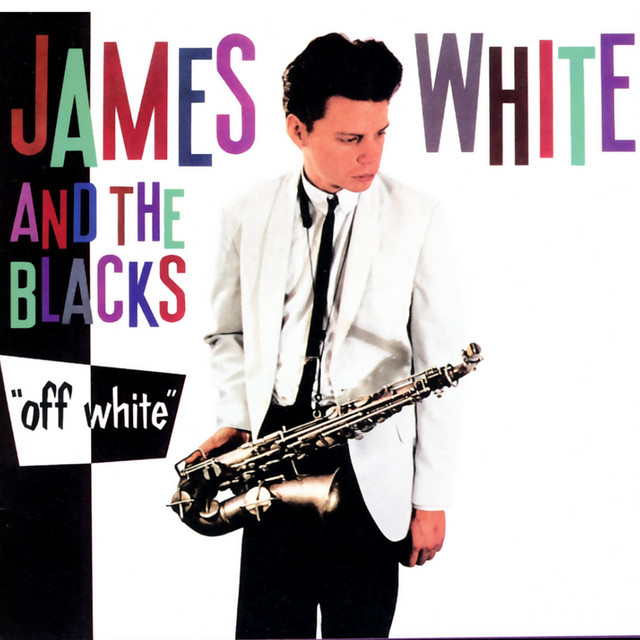
James White And The Blacks
No Wave
Post-Disco
Post-Punk
1
/5
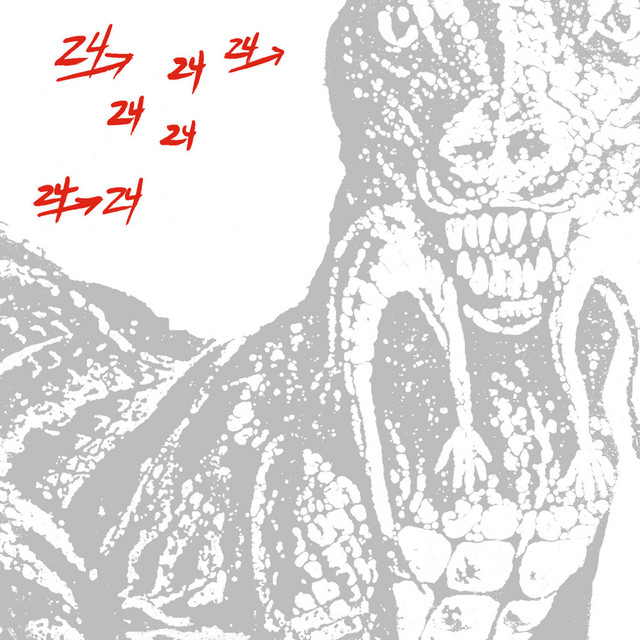
Dinosaur L
Post-Disco
Disco
Electronic
1
/5
Maximum Joy
Post-Disco
Post-Punk
Mutant Disco
3
/5
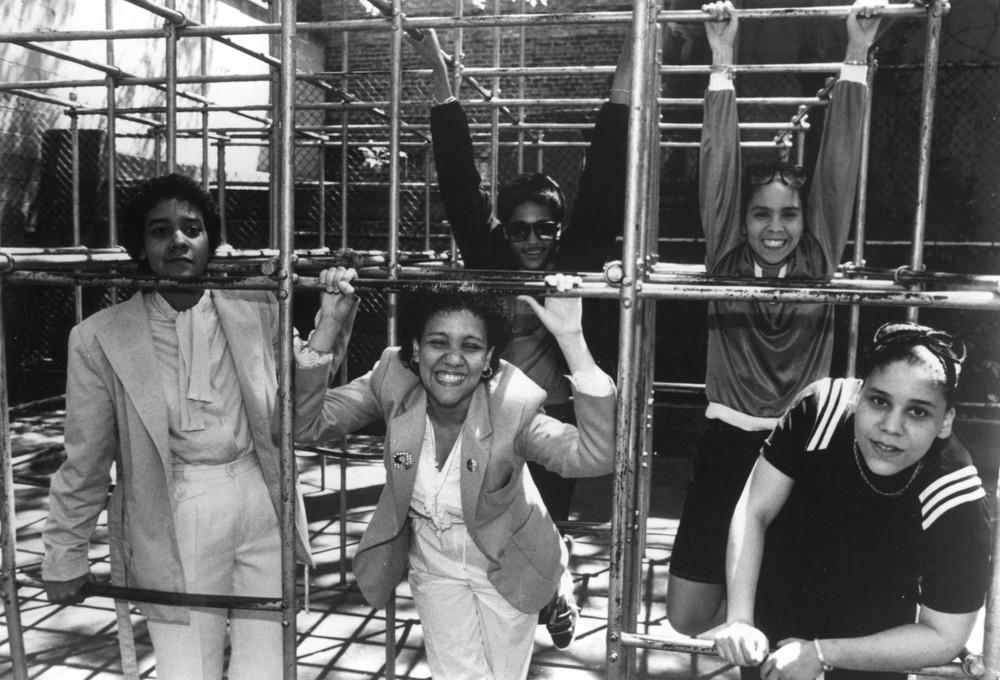
ESG
No Wave
Post-Disco
Post-Punk
1
/5
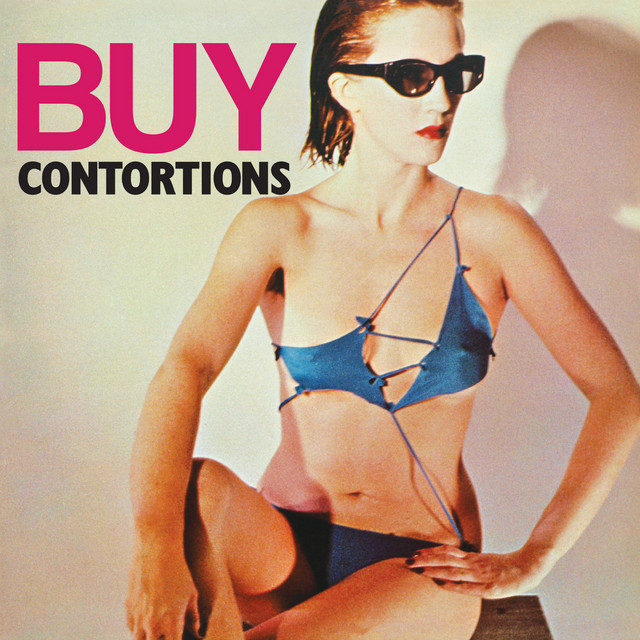
The Contortions
Avant-Garde
Noise Rock
Post-Disco
5
/5
Drake
Canadian Hip Hop
Hip Hop
Rap
5
/5
The Weeknd
Contemporary R&b
Alternative R&b
Pop
5
/5
Ariana Grande
Pop
Contemporary R&b
Trap Soul
Download our mobile app
Get the Melodigging app and start digging for new genres on the go
Download on the App Store
Get it on Google Play
© 2026 Melodigging
Give feedback
Legal
Melodding was created as a tribute to
Every Noise at Once
, which inspired us to help curious minds keep digging into music's ever-evolving genres.