Genres
Artists
Albums
Make Music
Sign in
Sign in
Artists
Jazz Metal
Artists
Jazz Metal
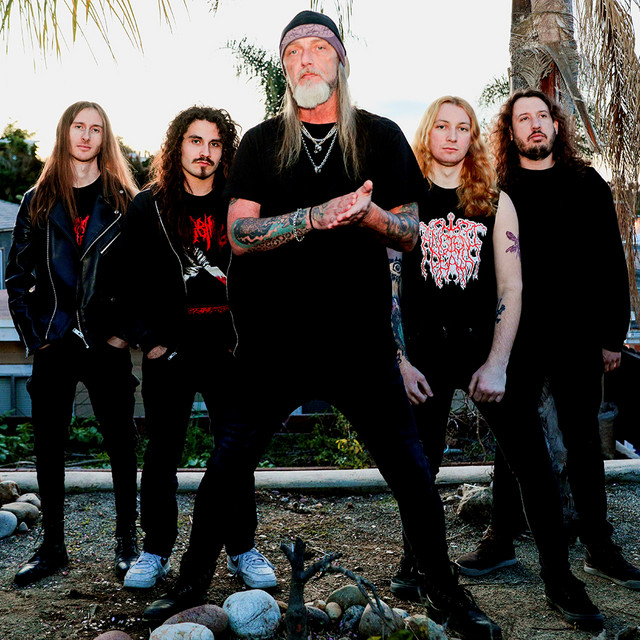
Massacre
1991–2025
·
13 albums
Listen
2
/5
Genres
Cavernous Death Metal
Cavernous death metal is a murky, reverb-drenched strain of old-school death metal that foregrounds claustrophobic atmosphere over clinical precision. Hallmarks include extremely downtuned guitars, tremolo-picked and chromatic riffing, lurching doom-laden passages, and very deep, often indecipherable guttural vocals. Production aesthetics are central: drums are thunderous yet blurred, guitars and bass form a monolithic wall of low-end, and large-room or plate reverbs smear the mix to evoke the feeling of sound emanating from a subterranean chamber. Rather than bright, high-fidelity tones, the style prefers darkness, distance, and density—suggesting sinister space, decay, and ancient dread. Compositionally it draws on early 1990s death and death-doom blueprints, but the 2010s revival codified the "cavernous" sound as a distinct aesthetic, emphasizing mood, negative space, and oppressive resonance as much as riffcraft.
Discover
Listen
Rock Sónico
Rock sónico is an Argentine alternative rock current from the early-to-mid 1990s that fused shoegaze textures, noise rock abrasion, and dream pop ambience with the melodic sensibility of local rock nacional. It is defined by thick, effects-laden guitar layers, hazy or ethereal vocals, hypnotic mid‑tempo grooves, and a pop-art sensibility that embraced irony, sensuality, and futurist imagery. While indebted to UK/US indie and shoegaze, rock sónico localized those influences through Spanish-language lyrics, danceable rhythms, and production aesthetics that favored saturated timbres and immersive atmospheres.
Discover
Listen
Groove Metal
Groove metal is a heavy metal subgenre defined by mid‑tempo, syncopated, and riff‑centric songwriting that prioritizes head‑nodding "groove" over sheer speed. Guitars are typically down‑tuned and palm‑muted, locking tightly to a punchy, backbeat‑driven drum feel and muscular bass lines. Vocals are usually aggressive shouts or barks with occasional melodic or anthemic passages, while lead guitars favor pinched harmonics, blues‑tinged bends, and compact, percussive phrases rather than long neo‑classical runs. Production tends to be tight and weighty, emphasizing a thick, modern rhythm‑guitar tone and precise drum transients. Stylistically, groove metal grew out of late‑’80s thrash and hardcore but slowed and widened the rhythms, borrowing the feel of funk metal’s syncopation and, in some cases, southern rock’s swagger.
Discover
Listen
Jazz Metal
Jazz metal is a hybrid of jazz’s harmonic language and improvisational ethos with metal’s amplified intensity and rhythmic power. It typically blends distorted guitars and aggressive drumming with extended chords, modal harmony, walking or fretless bass lines, and passages of real-time improvisation. Many bands adopt progressive song forms, odd meters, and polyrhythms, toggling between heavy riffs and spacious, clean-toned jazz interludes. The result is a technically demanding, cerebral style that can range from atmospheric and fusion-like to extreme and abrasive.
Discover
Listen
Florida Death Metal
Florida death metal is a regional strain of death metal that crystallized in the late 1980s around the Tampa Bay area and nearby cities in Florida. It is characterized by low-tuned, highly palm-muted riffing, chromatic tremolo lines, rapid double‑kick or blast-beat drumming, and guttural, often reverb-dry vocals. Compared with other scenes, the Florida sound favored a tight, precise studio clarity—exemplified by Morrisound Recording and producer/engineer Scott Burns—so every riff, drum accent, and bass run cuts through. Lyrically, it spans gore and horror, occult and anti-religious themes, science fiction, and philosophical reflections, with some bands pushing toward technical and progressive ideas while retaining blunt, muscular intensity.
Discover
Listen
Death Metal
Death metal is an extreme subgenre of heavy metal defined by heavily distorted, low‑tuned guitars, rapid and complex riffing, blast beat drumming, and harsh guttural vocals. Its harmonic language favors chromaticism, dissonance, and tremolo-picked lines that create an ominous, abrasive atmosphere. Lyrically, death metal often explores dark or transgressive themes—mortality, mythology, anti-religion, psychological horror, and the macabre—sometimes with philosophical or social commentary. Production ranges from raw and cavernous to hyper-precise and technical, reflecting the genre’s many regional scenes and substyles. From the mid‑1980s Florida scene (Tampa) and parallel developments in the US, UK, and Sweden, death metal evolved into numerous branches including brutal death metal, technical death metal, melodic death metal, and death‑doom, each emphasizing different aspects of speed, complexity, melody, or heaviness.
Discover
Listen
Black Thrash
Black thrash (often called blackened thrash) fuses the speed, palm‑muted riffing, and precision of thrash metal with the raw timbre, tremolo picking, and satanic/occult aesthetics of first‑wave black metal. Sonically, it emphasizes cutting high‑gain guitars, relentless skank and d‑beats alternating with blasts, and rasped or barked vocals. Production tends toward a raw, live feel rather than glossy polish, keeping cymbals sizzling and guitars serrated. Lyrically and visually it leans into blasphemy, warfare, apocalypse, and leather‑and‑spikes iconography. The result is a feral, high‑velocity style that feels both old‑school and extreme: riff‑centric like thrash, but grim and caustic like black metal.
Discover
Listen
Grindcore
Grindcore is an extremely fast, abrasive fusion of hardcore punk and extreme metal characterized by blast-beat drumming, highly distorted down-tuned guitars, and a mix of guttural growls and high-pitched screams. Songs are typically very short—often under two minutes and sometimes just seconds—favoring intensity over traditional verse–chorus structures. Lyrically, grindcore spans politically charged and socially conscious themes (war, capitalism, animal rights) as well as gore and body horror (particularly in goregrind). Production ranges from raw, live-in-the-room ferocity to tight, modern clarity. The style is defined by relentless speed, dissonant or chromatic riffing, and sudden start–stop shifts that create a feeling of controlled chaos.
Discover
Listen
Thrash Metal
Thrash metal is an extreme subgenre of heavy metal defined by blistering tempos, tightly palm‑muted low‑register riffs, and sharp, aggressive execution. Songs commonly drive at 180–240 BPM, pairing chugging, down‑picked rhythms with shredding leads and rapid alternate‑picked lines. Drumming emphasizes double‑kick work, skank/D‑beat patterns, and abrupt, syncopated accents that lock tightly with the guitars. Vocals range from rough, shouted delivery to snarling barks and occasionally cleaner, declamatory phrasing. Lyrically, thrash favors social critique, anti‑authoritarian themes, war and dystopia, and street‑level realism, matching the music’s urgency. The overall aesthetic is lean, fast, and technical—channeling the speed and directness of hardcore punk through the tonal weight and precision of heavy metal.
Discover
Listen
Deathgrind
Deathgrind is a fusion of death metal and grindcore that combines the former’s low‑tuned, heavy riffing and guttural vocals with the latter’s ultra‑fast tempos, blast‑beat drumming, and short, abrupt song structures. Typical tracks run one to three minutes, feature rapid chromatic tremolo picking, sudden tempo shifts, and a relentless rhythmic attack. Vocals alternate between deep death‑metal growls and high‑pitched screams, while lyrics range from socio‑political critique to graphic, gore‑themed narratives depending on the band. Production tends to be tight and cutting, often with triggered kicks, aggressive guitar tones, and clear articulation so that riffs remain intelligible at extreme speed.
Discover
Listen
Grunge
Grunge is a guitar-driven subgenre of alternative rock that emerged in the mid-to-late 1980s in Seattle, United States. It fuses the raw aggression and DIY ethos of punk with the weight and riff-centric power of hard rock and heavy metal. Characterized by thick, heavily distorted guitars, dynamic quiet–loud song structures, and a visceral, unpolished production aesthetic, grunge foregrounds themes of alienation, apathy, social disaffection, and personal struggle. Vocals often shift between subdued, introspective verses and cathartic, shouted or soaring choruses, while lyrics tend toward confessional and existential tones. Beyond sound, grunge represented a cultural stance: anti-gloss, anti-virtuosity, and anti-commercial posturing—even as it became a global commercial force in the early 1990s.
Discover
Listen
Metal
Metal (often used to mean heavy metal in its broad, umbrella sense) is a loud, guitar-driven style of rock defined by high-gain distortion, emphatic and often martial rhythms, and a dense, powerful low end. It foregrounds riff-based songwriting, dramatic dynamics, virtuosic guitar solos, and commanding vocals that range from melodic wails to aggressive snarls and growls. Harmonically, metal favors minor modes, modal color (Aeolian, Phrygian), chromaticism, and tritone-inflected tension, while thematically it explores power, mythology, the occult, social critique, fantasy, and existential subjects. While adjacent to hard rock, metal typically pushes amplification, distortion, precision, and thematic intensity further, forming a foundation for many specialized subgenres.
Discover
Listen
Rock
Rock is a broad family of popular music centered on amplified instruments, a strong backbeat, and song forms that foreground riffs, choruses, and anthemic hooks. Emerging from mid‑20th‑century American styles like rhythm & blues, country, and gospel-inflected rock and roll, rock quickly expanded in scope—absorbing folk, blues, and psychedelic ideas—while shaping global youth culture. Core sonic markers include electric guitar (often overdriven), electric bass, drum kit emphasizing beats 2 and 4, and emotive lead vocals. Rock songs commonly use verse–chorus structures, blues-derived harmony, and memorable melodic motifs, ranging from intimate ballads to high‑energy, stadium‑sized performances.
Discover
Listen
Show all 13 genres
Albums
2025
1
/5
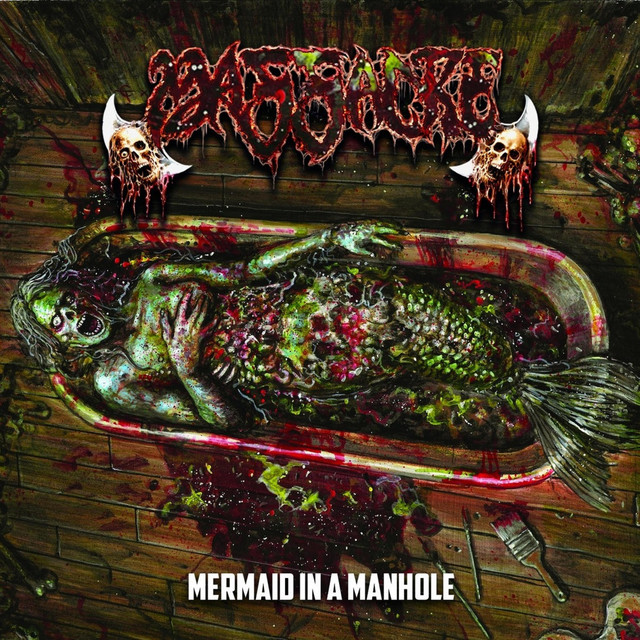
Mermaid in a Manhole
Massacre
Jazz Metal
Black Thrash
Florida Death Metal
2024
1
/5
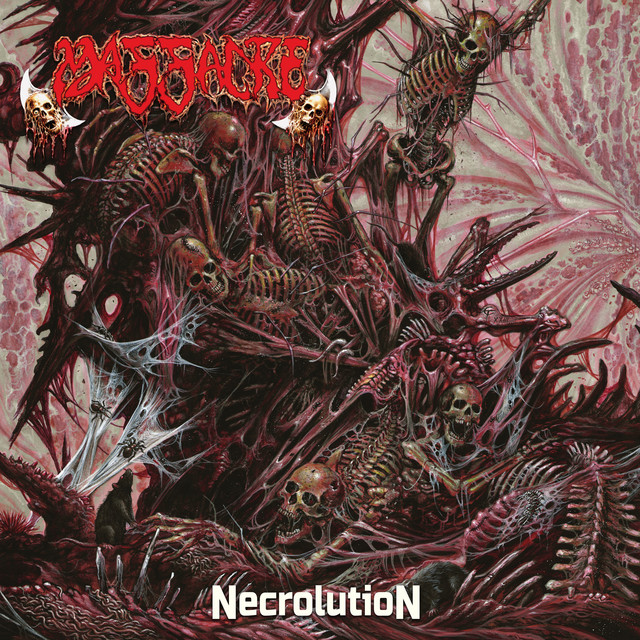
Necrolution
Massacre
Jazz Metal
Florida Death Metal
2024
1
/5
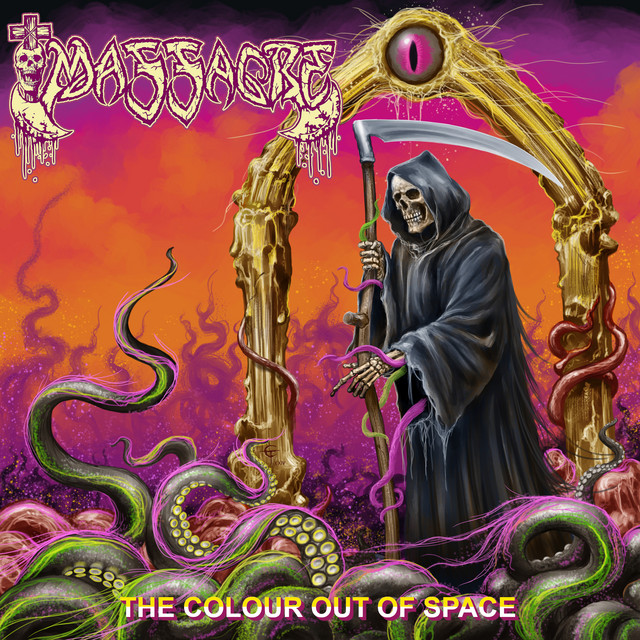
The Colour Out Of Space
Massacre
Jazz Metal
Florida Death Metal
2024
1
/5
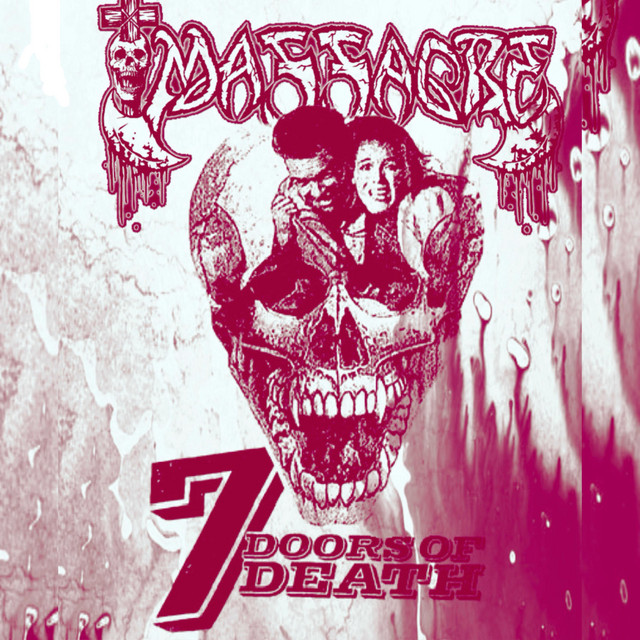
7 DOORS OF DEATH
Massacre
Jazz Metal
Florida Death Metal
Black Thrash
2024
1
/5
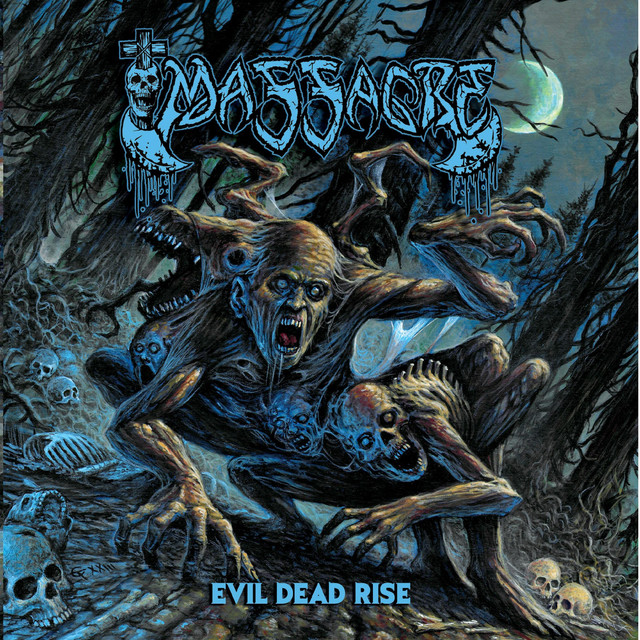
EVIL DEAD RISE
Massacre
Jazz Metal
Florida Death Metal
2024
1
/5
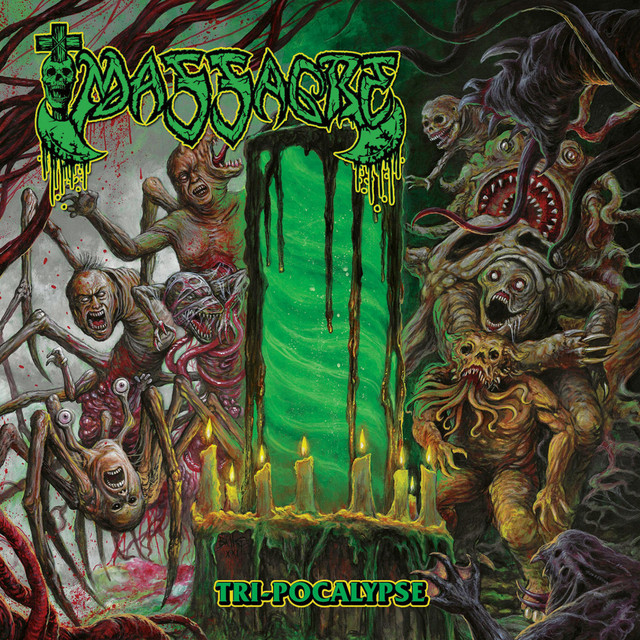
Tri-pocalypse
Massacre
Jazz Metal
2022
1
/5
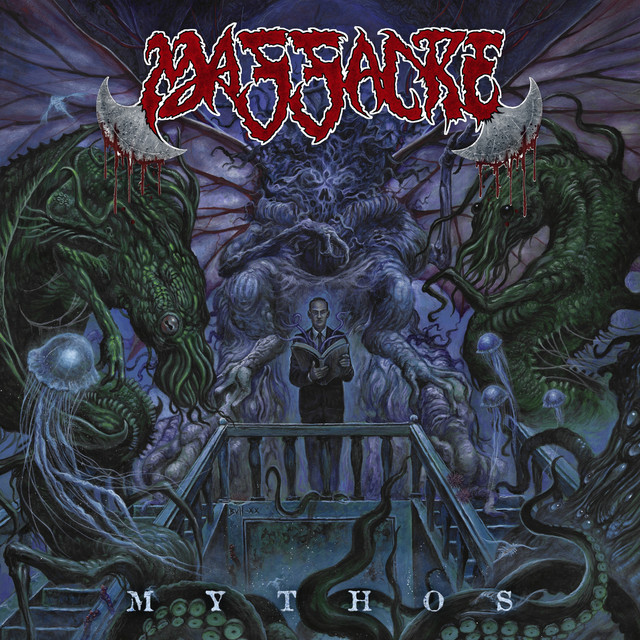
Mythos
Massacre
Jazz Metal
2022
1
/5
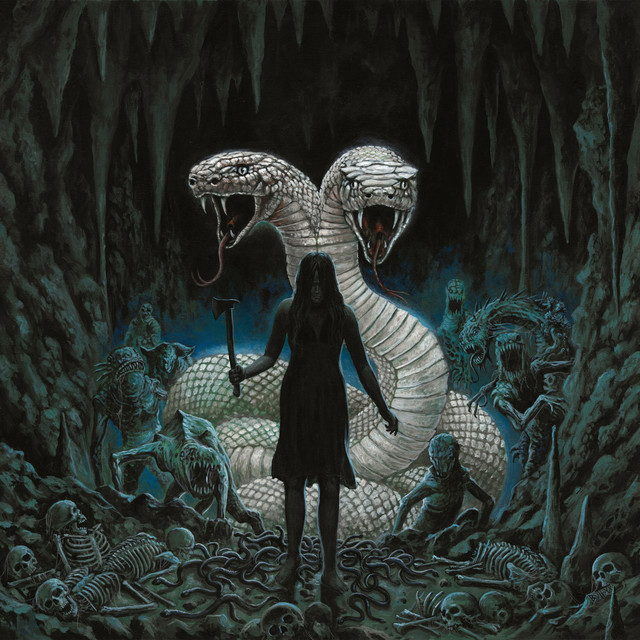
Behind The Serpent's Curse
Massacre
Jazz Metal
2021
2
/5
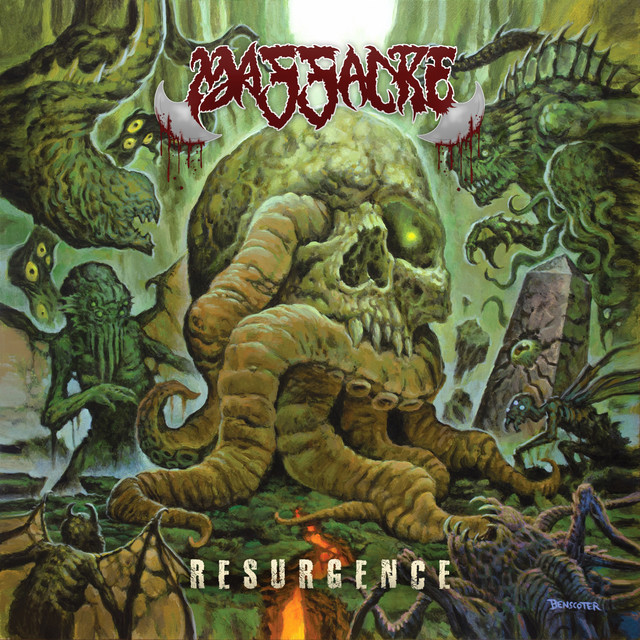
Resurgence
Massacre
Jazz Metal
Florida Death Metal
Death Metal
1996
2
/5
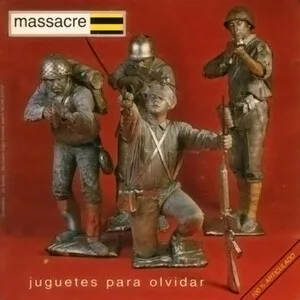
Juguetes para olvidar
Massacre
Rock Sónico
Grunge
1994
1
/5
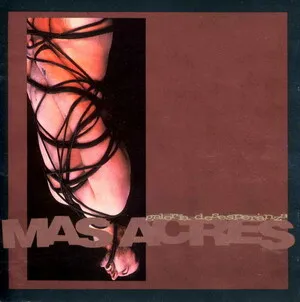
Galería desesperanza
Massacre
Rock Sónico
1991
3
/5
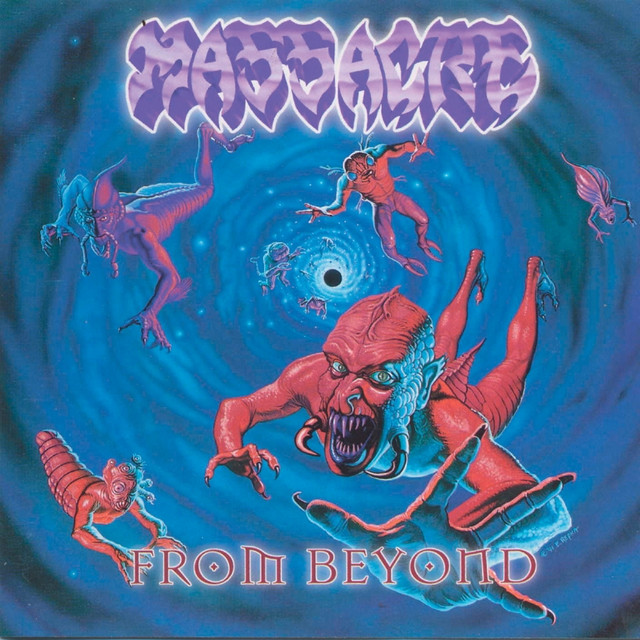
From Beyond
Massacre
Jazz Metal
Florida Death Metal
Black Thrash
1991
2
/5
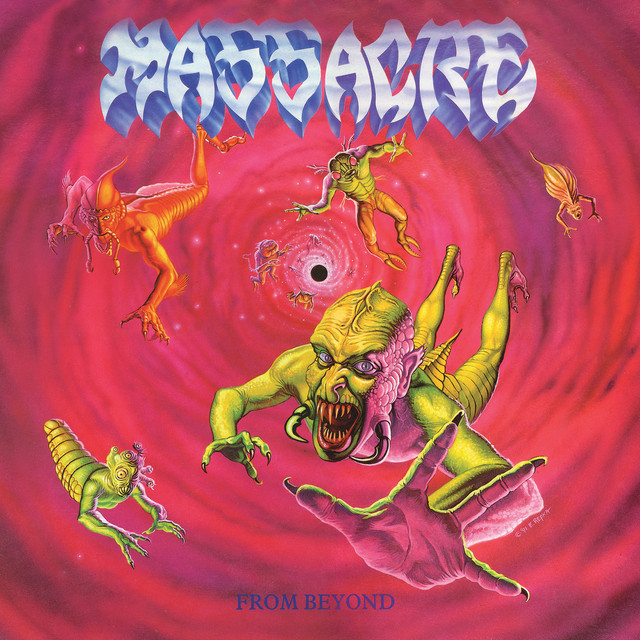
From Beyond (Full Dynamic Range Edition)
Massacre
Jazz Metal
Florida Death Metal
Black Thrash
Similar artists
2
/5
Atheist
Jazz Metal
Death Metal
Progressive Metal
3
/5
Morbid Angel
Florida Death Metal
Death Metal
Metal
2
/5
Hate Eternal
Florida Death Metal
Death Metal
Grindcore
2
/5
Incantation
Voidgrind
Death Metal
Rock
2
/5
Blasphemy
Black Metal
Black Thrash
Death Metal
2
/5
Archgoat
Black Metal
War Metal
Death Metal
2
/5
Sarcófago
Black Metal
Death Metal
Thrash Metal
2
/5
Monstrosity
Death Metal
Technical Death Metal
Florida Death Metal
1
/5
Massacra
Death Metal
Deathrash
Black Thrash
2
/5
Angelcorpse
Death Metal
Black Metal
Grindcore
Download our mobile app
Get the Melodigging app and start digging for new genres on the go
Download on the App Store
Get it on Google Play
© 2026 Melodigging
Give feedback
Legal
Melodding was created as a tribute to
Every Noise at Once
, which inspired us to help curious minds keep digging into music's ever-evolving genres.