Genres
Artists
Albums
Make Music
Sign in
Sign in
Artists
Black Metal
Artists
Black Metal
Sarcófago
1987–1991
·
2 albums
Listen
2
/5
Genres
Black Metal
Black metal is a form of extreme metal defined by fast tempos, tremolo‑picked guitar lines, blast‑beat drumming, shrieked or rasped vocals, and a deliberately raw, icy production aesthetic. Harmonically, it favors minor and modal collections (especially Aeolian and Phrygian), open-string drones, parallel fifths and fourths, tritones, and sparse or suspended chord voicings over blues-derived harmony. Arrangements often employ layered guitars, long-form song structures, and enveloping reverb to create a bleak, otherworldly atmosphere. The genre’s visual and thematic language is equally distinctive: corpse paint, monochrome artwork, and lyrics exploring anti-dogma, nature, pagan myth, cosmic nihilism, and misanthropy. While some scenes have been associated with controversy and extremism, the musical identity centers on sound, atmosphere, and aesthetics rather than any single ideology.
Discover
Listen
Death Metal
Death metal is an extreme subgenre of heavy metal defined by heavily distorted, low‑tuned guitars, rapid and complex riffing, blast beat drumming, and harsh guttural vocals. Its harmonic language favors chromaticism, dissonance, and tremolo-picked lines that create an ominous, abrasive atmosphere. Lyrically, death metal often explores dark or transgressive themes—mortality, mythology, anti-religion, psychological horror, and the macabre—sometimes with philosophical or social commentary. Production ranges from raw and cavernous to hyper-precise and technical, reflecting the genre’s many regional scenes and substyles. From the mid‑1980s Florida scene (Tampa) and parallel developments in the US, UK, and Sweden, death metal evolved into numerous branches including brutal death metal, technical death metal, melodic death metal, and death‑doom, each emphasizing different aspects of speed, complexity, melody, or heaviness.
Discover
Listen
Thrash Metal
Thrash metal is an extreme subgenre of heavy metal defined by blistering tempos, tightly palm‑muted low‑register riffs, and sharp, aggressive execution. Songs commonly drive at 180–240 BPM, pairing chugging, down‑picked rhythms with shredding leads and rapid alternate‑picked lines. Drumming emphasizes double‑kick work, skank/D‑beat patterns, and abrupt, syncopated accents that lock tightly with the guitars. Vocals range from rough, shouted delivery to snarling barks and occasionally cleaner, declamatory phrasing. Lyrically, thrash favors social critique, anti‑authoritarian themes, war and dystopia, and street‑level realism, matching the music’s urgency. The overall aesthetic is lean, fast, and technical—channeling the speed and directness of hardcore punk through the tonal weight and precision of heavy metal.
Discover
Listen
Black Thrash
Black thrash (often called blackened thrash) fuses the speed, palm‑muted riffing, and precision of thrash metal with the raw timbre, tremolo picking, and satanic/occult aesthetics of first‑wave black metal. Sonically, it emphasizes cutting high‑gain guitars, relentless skank and d‑beats alternating with blasts, and rasped or barked vocals. Production tends toward a raw, live feel rather than glossy polish, keeping cymbals sizzling and guitars serrated. Lyrically and visually it leans into blasphemy, warfare, apocalypse, and leather‑and‑spikes iconography. The result is a feral, high‑velocity style that feels both old‑school and extreme: riff‑centric like thrash, but grim and caustic like black metal.
Discover
Listen
Old School Thrash
Old school thrash is the first-wave style of thrash metal that emerged in the early to mid-1980s. It is defined by very fast tempos, tightly downpicked guitar riffs, palm-muted chugging, rapid-fire alternate picking, and aggressive, shouted or barked vocals. Drumming is built around the "thrash beat" (a fast 2/4 skank beat), brisk double-kick work, and sharp, accented snare hits. Harmonically, old school thrash stays close to minor modes (especially natural minor/Aeolian and Phrygian) with frequent chromatic runs and tritone-inflected riffs. Songs emphasize riff development, abrupt transitions, and high-energy guitar solos that combine pentatonic/blues vocabulary with modal and chromatic speed picking. Lyrically, it often confronts social and political issues, war, dystopia, and corruption, delivered with a confrontational, no-frills attitude. The production aesthetic is raw, punchy, and live-sounding: guitars are dry and immediate, bass is pick-driven and percussive, and drums are natural and forward, prioritizing impact over polish. The result is a lean, relentless sound designed for headbanging, circle pits, and mosh-driven intensity.
Discover
Listen
Speed Metal
Speed metal is a fast, precision-driven branch of heavy metal that crystallized at the turn of the 1980s. It emphasizes aggressive tempos, tightly synchronized riffing, and virtuosic lead guitar work, while generally retaining melodic, often clean or strident vocals. Compared with thrash metal, speed metal tends to be less percussive and more melodic, favoring galloping rhythms, twin-guitar harmonies, and classic verse–chorus structures. Drums often employ rapid double-time feels and double-bass patterns, while bass frequently mirrors the rhythm guitar to reinforce propulsion. Lyrical themes range from rebellion and street realism to fantasy, warfare, and sci‑fi.
Discover
Listen
Lo-Fi
Lo-fi is a music aesthetic and genre defined by an embrace of audible imperfections—tape hiss, clipping, room noise, distorted transients, and uneven performance—that would be treated as errors in high-fidelity recording. Emerging from the DIY ethos of American indie and punk scenes, lo-fi turns budget constraints and home-recording limitations into a signature sound. Songs are often intimate, direct, and unvarnished, prioritizing immediacy and personality over polish. Typical lo-fi recordings use 4-track cassette or similarly modest setups, simple chord progressions, and understated vocals, spanning rock, folk, pop, and experimental approaches while retaining a homemade warmth and nostalgic patina.
Discover
Listen
Technical Death Metal
Technical death metal (often shortened to tech-death) is a virtuosic, hyper-detailed branch of death metal characterized by complex song structures, rapid-fire tempo changes, and high-performance musicianship. It fuses the extremity and heaviness of death metal with the rhythmic sophistication of progressive metal and the harmonic vocabulary of jazz fusion. Signature elements include odd and shifting time signatures, polyrhythms, dissonant and chromatic harmony, through-composed or non-repeating structures, and intricate contrapuntal interplay between guitars and bass (often fretless). Drumming emphasizes precision blast beats, rapid double-kick patterns, metric modulation, and constant subdivision changes. Vocals are primarily deep growls or harsh screams, while lyrics frequently explore science, philosophy, metaphysics, and cosmology alongside the genre’s traditional dark themes. Production tends to favor clarity and separation to make dense arrangements intelligible, with tight, gated guitars, articulate bass presence, and drum sounds that capture transient detail. The result is aggressive, cerebral, and often breathtakingly technical music that rewards close listening.
Discover
Listen
Metal
Metal (often used to mean heavy metal in its broad, umbrella sense) is a loud, guitar-driven style of rock defined by high-gain distortion, emphatic and often martial rhythms, and a dense, powerful low end. It foregrounds riff-based songwriting, dramatic dynamics, virtuosic guitar solos, and commanding vocals that range from melodic wails to aggressive snarls and growls. Harmonically, metal favors minor modes, modal color (Aeolian, Phrygian), chromaticism, and tritone-inflected tension, while thematically it explores power, mythology, the occult, social critique, fantasy, and existential subjects. While adjacent to hard rock, metal typically pushes amplification, distortion, precision, and thematic intensity further, forming a foundation for many specialized subgenres.
Discover
Listen
Rock
Rock is a broad family of popular music centered on amplified instruments, a strong backbeat, and song forms that foreground riffs, choruses, and anthemic hooks. Emerging from mid‑20th‑century American styles like rhythm & blues, country, and gospel-inflected rock and roll, rock quickly expanded in scope—absorbing folk, blues, and psychedelic ideas—while shaping global youth culture. Core sonic markers include electric guitar (often overdriven), electric bass, drum kit emphasizing beats 2 and 4, and emotive lead vocals. Rock songs commonly use verse–chorus structures, blues-derived harmony, and memorable melodic motifs, ranging from intimate ballads to high‑energy, stadium‑sized performances.
Discover
Listen
Show all 10 genres
Albums
1991
2
/5
The Laws of Scourge
Sarcófago
Black Thrash
Death Metal
Rock
1987
2
/5
INRI
Sarcófago
Black Thrash
Black Metal
Lo-Fi
Similar artists
3
/5
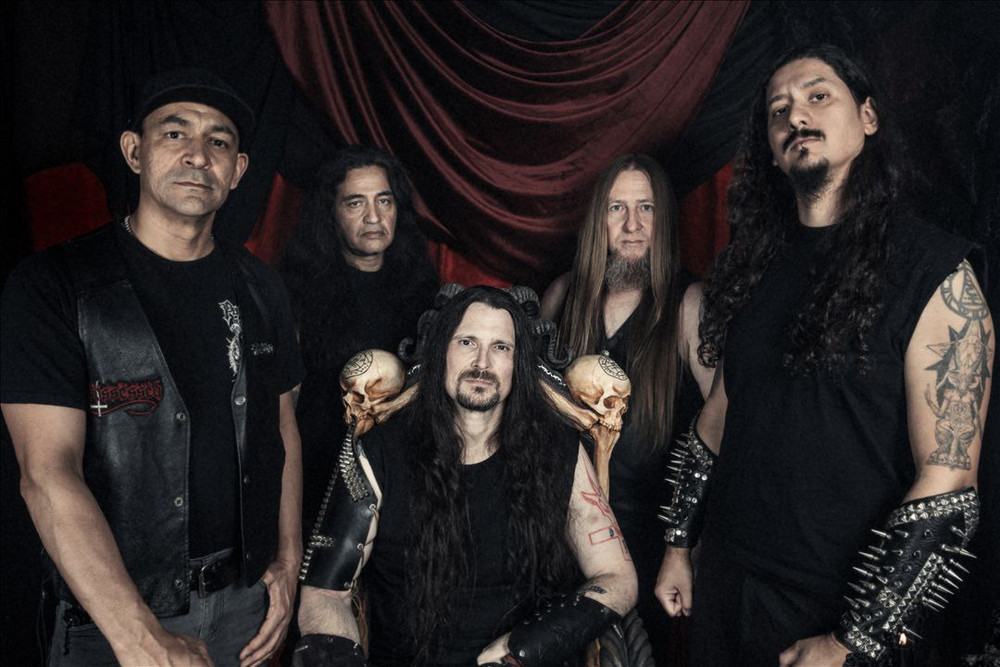
Celtic Frost
Thrash Metal
Black Metal
Doom Metal
2
/5
Possessed
Thrash Metal
Bay Area Thrash Metal
Black Metal
3
/5
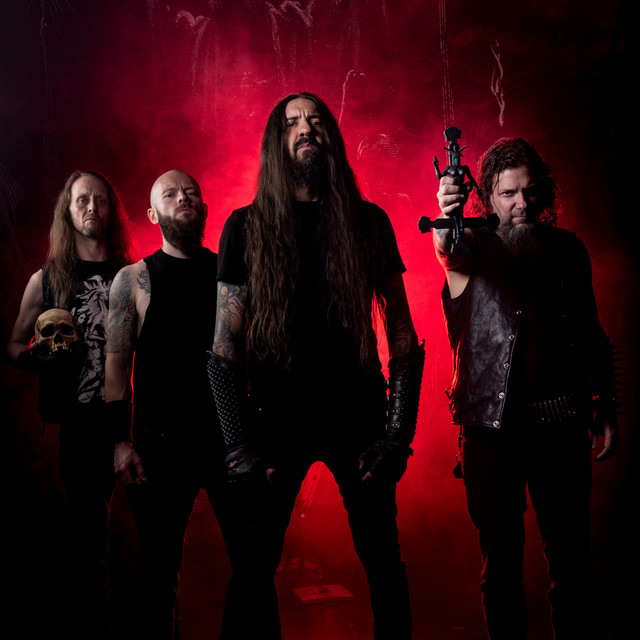
Vader
Black Metal
Brutal Death Metal
Death Metal
2
/5
Skeletonwitch
Black Metal
Death Metal
Melodic Death Metal
2
/5
Goatwhore
Black Metal
Death Metal
Metal
2
/5
Witchery
Black Metal
Death Metal
Metal
4
/5
Sepultura
Metal
Death Metal
Thrash Metal
3
/5
Sodom
Thrash Metal
Black Metal
Speed Metal
2
/5
Hellripper
Speed Metal
Black Metal
Black Thrash
2
/5
Sadus
Thrash Metal
Death Metal
Technical Thrash
Download our mobile app
Get the Melodigging app and start digging for new genres on the go
Download on the App Store
Get it on Google Play
© 2026 Melodigging
Give feedback
Legal
Melodding was created as a tribute to
Every Noise at Once
, which inspired us to help curious minds keep digging into music's ever-evolving genres.