Your digging level
Description
Florida death metal is a regional strain of death metal that crystallized in the late 1980s around the Tampa Bay area and nearby cities in Florida. It is characterized by low-tuned, highly palm-muted riffing, chromatic tremolo lines, rapid double‑kick or blast-beat drumming, and guttural, often reverb-dry vocals.
Compared with other scenes, the Florida sound favored a tight, precise studio clarity—exemplified by Morrisound Recording and producer/engineer Scott Burns—so every riff, drum accent, and bass run cuts through. Lyrically, it spans gore and horror, occult and anti-religious themes, science fiction, and philosophical reflections, with some bands pushing toward technical and progressive ideas while retaining blunt, muscular intensity.


History
Florida death metal emerged as a focal point of the nascent death metal movement, with Tampa, Orlando, and Fort Lauderdale forming a dense network of bands, venues, and tape-trading devotees. Early pillars included Death (founded by Chuck Schuldiner), Morbid Angel, Obituary, Deicide, Atheist, Cynic, Massacre, Nocturnus, Malevolent Creation, and Monstrosity.
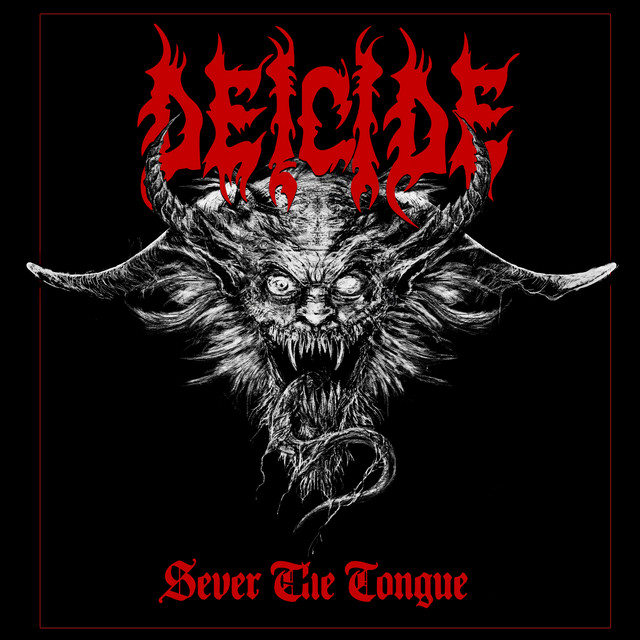
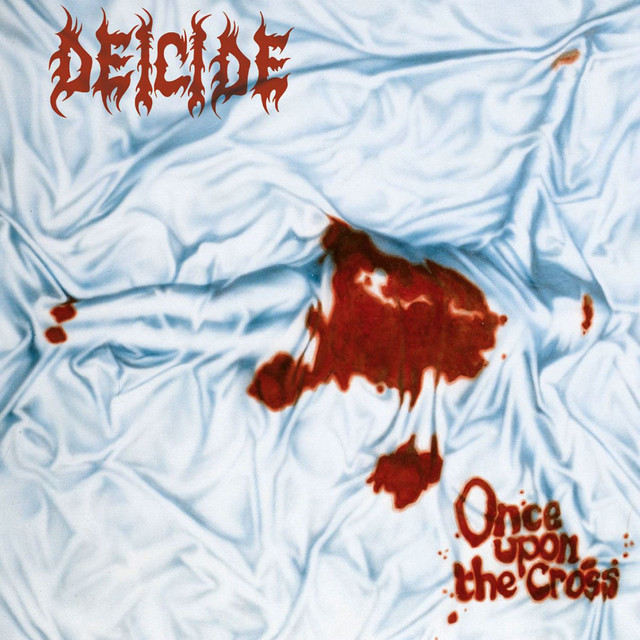
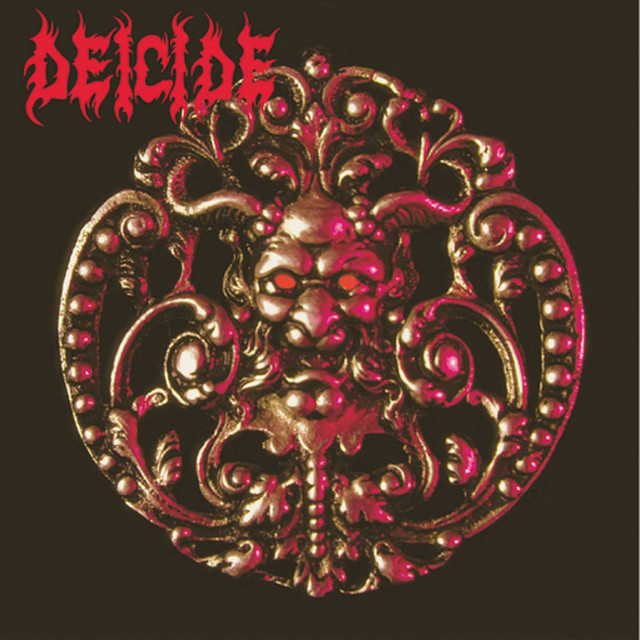
Morrisound Recording in Tampa—engineered by Scott Burns—became the sonic hub that standardized the scene’s clean yet heavy production: clear rhythm guitars, tight gating, audible bass, and click-precise drums. Labels such as Earache, Roadrunner, R/C, and Nuclear Blast signed Florida bands, propelling releases like Morbid Angel’s "Altars of Madness" (1989), Obituary’s "Slowly We Rot" (1989), Deicide’s "Deicide" (1990), and Death’s "Human" (1991) to global influence.
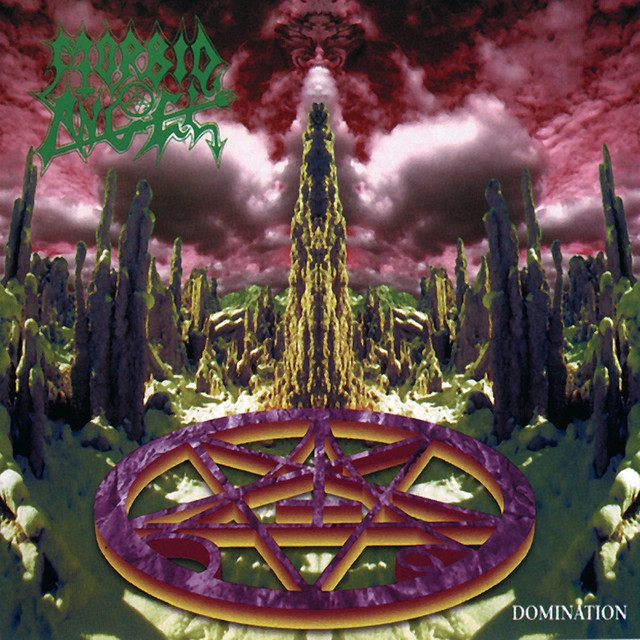
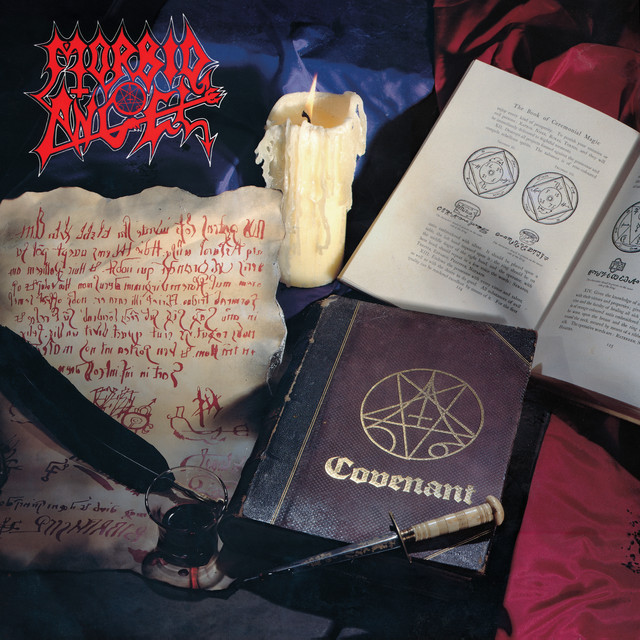
While rooted in speed and aggression, the scene branched quickly. Death, Atheist, and Cynic layered jazz-fusion touches, odd meters, and sophisticated harmony, while Deicide and Morbid Angel emphasized occult ferocity and infernal atmospheres. Obituary’s lurching, doom-tinged tempos showcased a different, stomping heaviness.
By the early 1990s, Florida was an international touchstone for extreme metal. As trends shifted later in the decade, some groups evolved or paused, but the scene’s impact persisted. Its precision-first production and riff-driven vocabulary seeded technical death metal and brutal death metal worldwide and helped set the foundation for later American extreme metal, including deathcore’s rhythmic and vocal language. Periodic revivals, new bands, and veteran returns keep the Florida tradition active.
Use two high-gain electric guitars, electric bass, and a drum kit with double-kick capability. Tune the guitars down (D standard or C standard are common) to enhance weight and allow comfortable low-register riffing.
Build songs from tightly locked, palm-muted riffs that alternate with tremolo-picked, chromatic or Phrygian-flavored lines. Emphasize motion between intervals like minor seconds, tritones, and flattened second degrees for a sinister color. Aim for long riff chains rather than strict verse–chorus forms, and introduce contrasting mid-tempo or halftime sections for dynamic impact.
Employ rapid double-kick patterns, blasts (traditional and alternating), and precise cymbal work. Interlock riff accents with kick placement to achieve the characteristic machine-tight churn. Break up intensity with stomping, doom-tinged grooves to spotlight hooks.
Use low, guttural growls or rasped barks delivered rhythmically tight and largely dry (minimal effects). Explore themes of death, horror, anti-religion/occultism, sci-fi, and existential questions. Keep lines concise and percussive to sit inside dense riffing.
Sequence riffs to escalate tension, then pivot to a slower, head-crushing section or a sudden tempo surge. Guitar solos can be a blend of atonal flurries, whammy squeals, and modal runs; keep phrasing aggressive and purposeful.
Prioritize clarity: hard-pan rhythm guitars, tight gating, and articulate bass that follows or counters the guitars. Capture drums with a focused, punchy close-mic approach; triggered kicks are acceptable if used tastefully. Avoid excessive ambience so intricate riffing remains intelligible.



Top albums