Genres
Artists
Albums
Make Music
Sign in
Sign in
Artists
Breakcore
Artists
Breakcore
Maple
2022
·
2 albums
Listen
3
/5
Genres
Scenecore
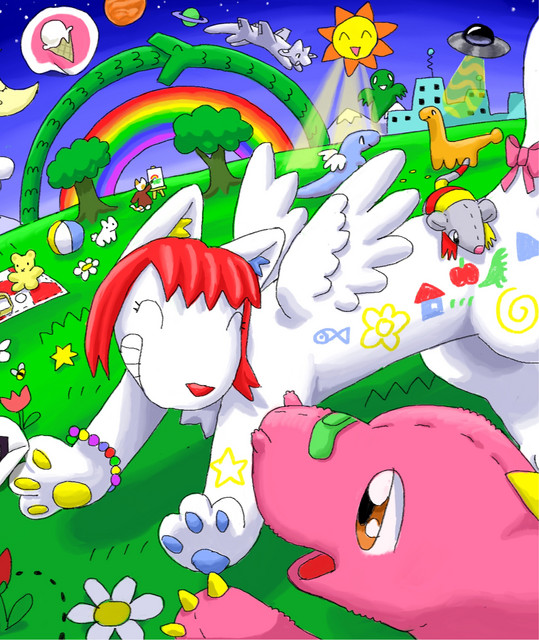
Scenecore is a net-native microgenre that revives mid‑2000s “scene kid” aesthetics—neon hair, slasher/gore imagery, and MySpace-era melodrama—inside a 2020s hyperpop/digicore production framework. Sonically it blends sped‑up, pitch‑shifted “kawaii” vocals with harsh, clipping drums and distorted 808s, breakcore-like edits, trancey supersaws, and nintendocore/Video‑game timbres. Hooks are chantable and meme-ready, lyrics swing between confessional emo and tongue‑in‑cheek horror, and the entire presentation is designed for short‑form virality on TikTok, SoundCloud, and Discord-driven micro‑communities. The result is an aggressive, glossy, and maximal style that feels simultaneously nostalgic and ultra‑online: part nightcore rush, part screamo‑rap catharsis, part cyber‑club euphoria.
Discover
Listen
Barber Beats
Barber beats is a vaporwave-adjacent microgenre characterized by slowed, loop-based instrumentals built from lounge, smooth jazz, and easy-listening samples. Producers emphasize a soft, cushiony drum groove, heavy time-stretching, subtle pitch shifting, and warm, dusty textures that evoke waiting rooms, lobbies, and late‑night cable atmospheres. Typical tracks sit around 85–105 BPM, lean on mellow chords, brushed snares or gentle drum-machine kits, and favor tasteful filtering, vinyl crackle, and roomy reverb. The result is hypnotic, low-stakes background music that feels both nostalgic and liminal—less overtly ironic than classic vaporwave, yet still rooted in sample-based moodcraft and retro corporate aesthetics.
Discover
Listen
Jersey Club Rap
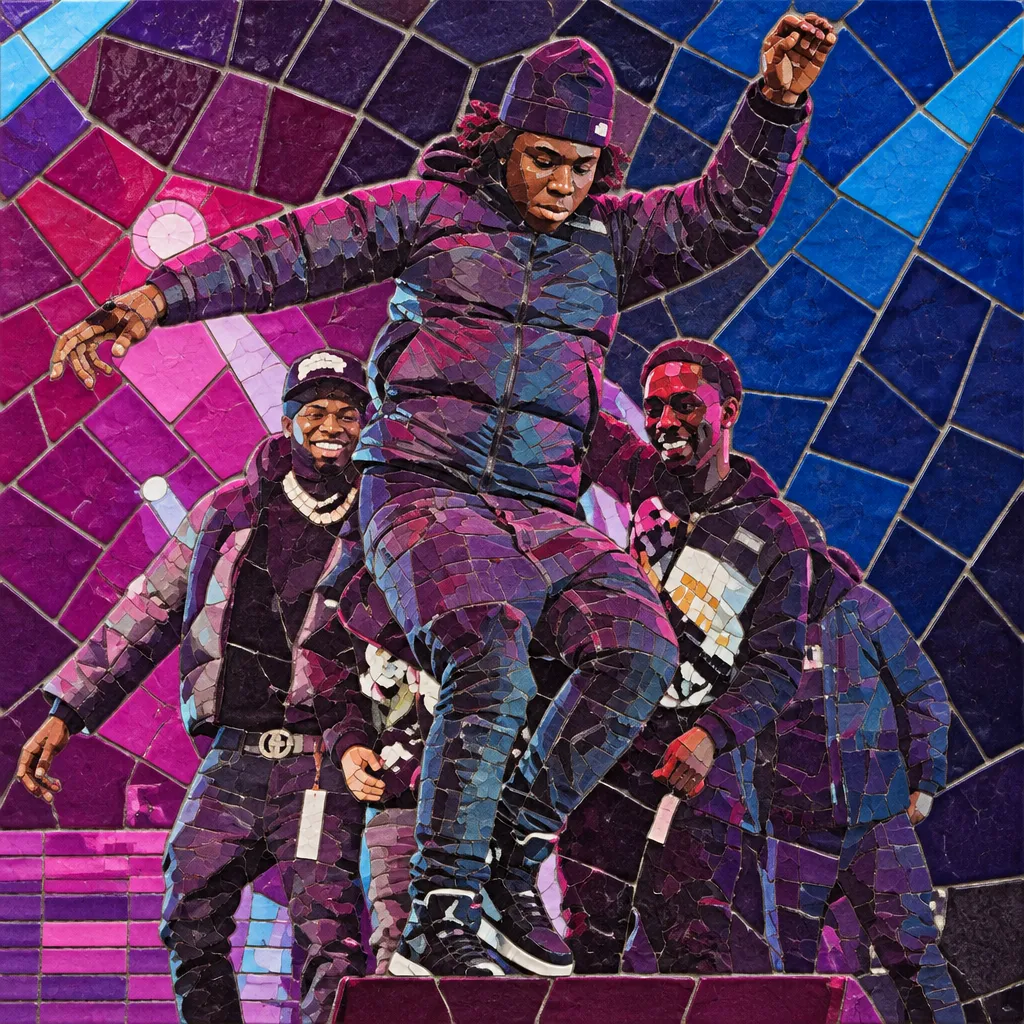
Jersey club rap fuses the kick-heavy, chopped-and-stuttered bounce of Jersey club with contemporary rap flows. It keeps the genre’s signature pounding triplet kicks, bed‑squeak/percussion stabs, and call‑and‑response energy, but streamlines the beats to leave space for verses and hooks. Compared with earlier Jersey club, it uses fewer obvious sample flips and leans toward cleaner, more atmospheric sound design so that rapping sits front and center.
Discover
Listen
Brony Music
Brony music is a fan-driven umbrella of songs and instrumentals inspired by My Little Pony: Friendship Is Magic and its fandom. It is not a single sonic formula but a community-defined scene spanning EDM, rock/metal, pop, orchestral, and hip hop. Producers and bands commonly write character-themed songs, episode retellings, and world-building pieces, often sampling dialogue, sound effects, or melodic fragments from the show. Releases spread primarily through YouTube, Bandcamp, and convention stages, with vibrant remix culture and collaborative projects. A hallmark is the meeting point of upbeat, anthemic hooks (friendship, hope, adventure) with internet-native production aesthetics (electro house, dubstep/brostep drops, eurobeat choruses), alongside acoustic ballads and cinematic/orchestral works that mirror the show’s storytelling.
Discover
Listen
Experimental Club Music
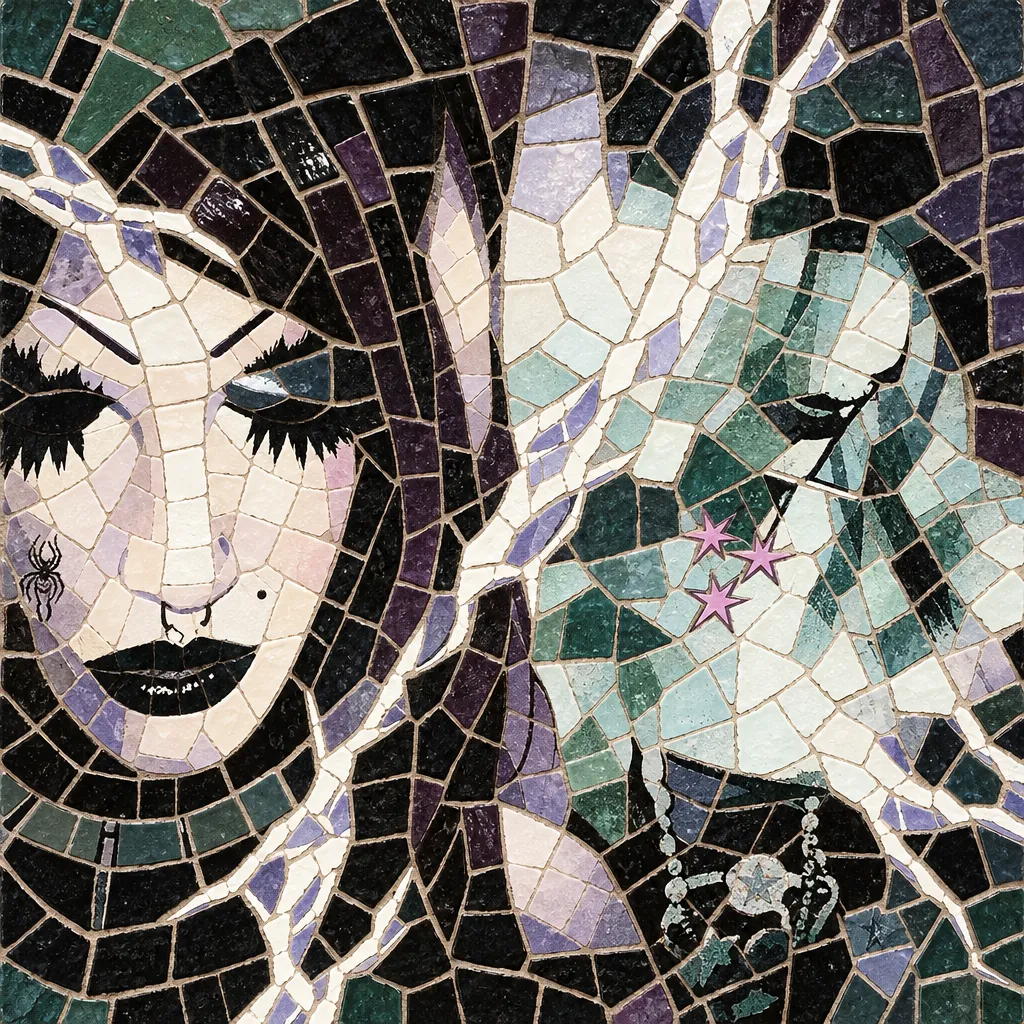
Experimental club music (often called post-club or deconstructed club) is a hybrid, avant‑garde approach to club production and performance that treats the dancefloor as a laboratory. It uses the grammar of contemporary club forms—heavy sub‑bass, kick patterns, samples, MC or chopped vocals—as raw material to be cut apart, collaged, and reassembled. Instead of four‑to‑the‑floor regularity, it favors asymmetry, abrupt contrasts, negative space, and extreme sound design drawn from noise, industrial, grime, ballroom/vogue, reggaeton, and internet culture. The result ranges from skeletal, percussive workouts to dense, cinematic soundscapes that can be as confrontational as they are cathartic. Just as importantly, the scene has been a site of diasporic, queer, and trans expression, where identity and politics are embedded in sonic choices and performance practice.
Discover
Listen
Gamecore
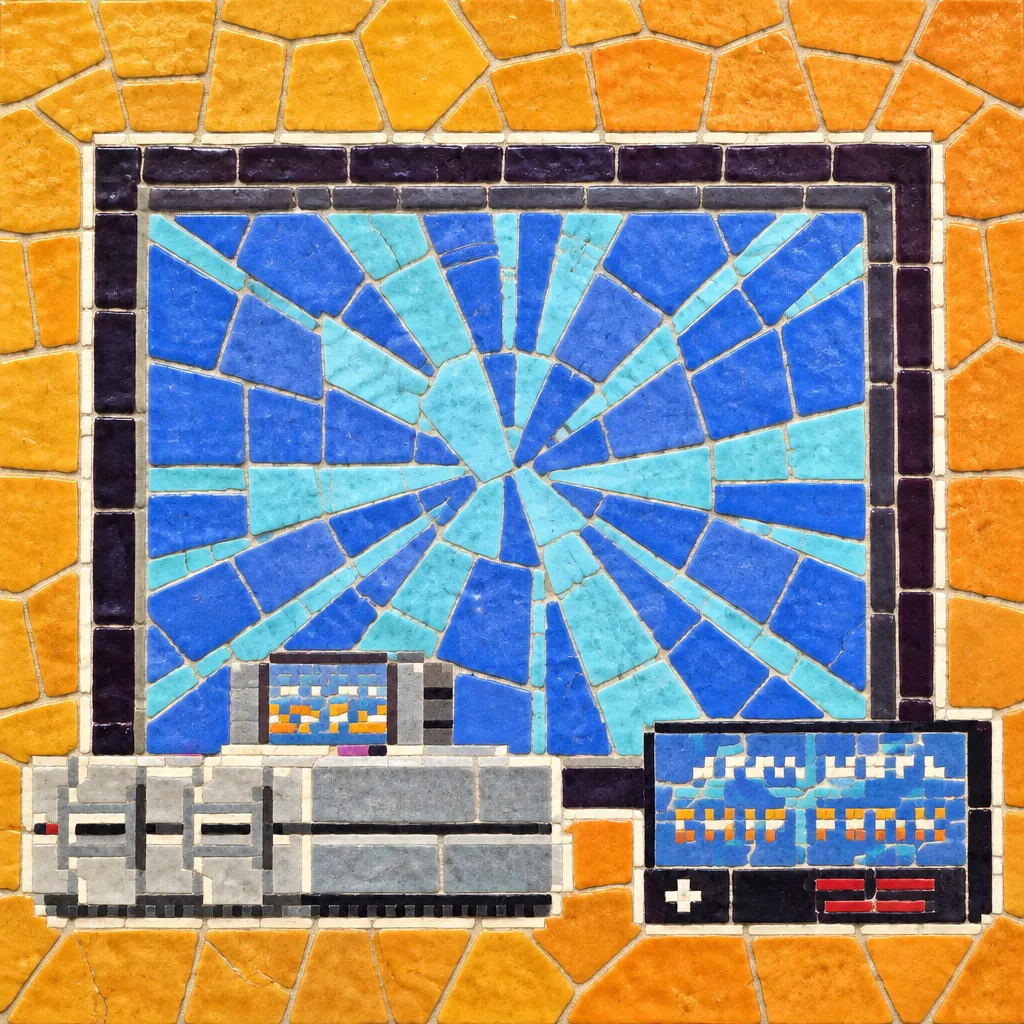
Gamecore is an internet-native electronic microgenre that fuses the timbres, melodies, and narrative tropes of classic and modern video game music with contemporary EDM songcraft. Its palette leans heavily on chiptune waveforms (square, triangle, noise), retro console/arcade sound effects, and leitmotif-style hooks, but frames them within club-forward rhythms and sound design drawn from electro house, future bass, glitch hop, dubstep, and drum & bass. The result is a bright, kinetic, and often nostalgic sound that feels like a “boss battle” drop or a euphoric level clear. Scenes and labels tied to VGM remix culture, doujin circles, and demoscene aesthetics helped codify the style, while streamers, esports content, and indie game culture amplified its reach.
Discover
Listen
Hyperpop
Hyperpop is an internet-native pop movement known for its maximalist sound design, pitch-shifted vocals, and frenetic genre collisions. It exaggerates pop tropes—ultra-bright synths, hard-clipping drums, sugary hooks—then smashes them together with elements of club music, trap, and experimental electronica. The style favors hyper-synthetic timbres, extreme processing (auto‑tune, formant shifting, heavy sidechaining, distortion), and abrupt structural left turns. Lyrically, it swings between irreverent internet humor and disarmingly sincere confessions, often reflecting online identity, queerness, and hyper-modern life. Although diverse, the common thread is a playful, self-aware push of pop to surreal, high-saturation extremes.
Discover
Listen
Glitchcore
Glitchcore is an internet-born microgenre that fuses pop-forward songwriting with hyperactive, digitally mangled sound design. It is characterized by bitcrushed and over-distorted synths, stuttered edits, sudden beat-switches, and heavily pitch-shifted, Auto-Tuned vocals. Arrangements tend to be short, hook-centric, and maximalist, often compressing multiple sections and textures into tracks that last 90–150 seconds. The genre borrows the emotive directness of emo rap and bedroom pop, the rhythmic backbone of trap, and the candy-coated sheen of hyperpop and bubblegum bass, while leaning into deliberate digital artifacts—glitches, dropouts, resampling, and hard clip distortion—as expressive tools. Culturally, glitchcore is inseparable from online communities (Discord, SoundCloud, TikTok), where rapid iteration, meme literacy, and DIY production workflows shaped its sound and aesthetics.
Discover
Listen
Glitchbreak
Glitchbreak is a late‑2010s, internet‑native microgenre that blends atmospheric drum‑and‑bass and jungle breakbeats with the abrasive, error‑as‑a‑texture ethos of glitch. Tracks typically deploy chopped Amen/Think breaks, granular or buffer‑stutter edits, bitcrushing, and timestretch artifacts under moody pads and wistful melodies. Compared with classic breakcore, the tempo and editing are often less manic, leaning toward a melancholic, introspective vibe tied to anime/Y2K net‑aesthetics and glitch art.
Discover
Listen
Digital Fusion
Digital fusion blends the hardware‑limited timbres of Chiptune and Bit Music with the harmonic language and arranging scope of jazz fusion, cinematic/classical writing, progressive music, and contemporary electronic production. Producers often start with authentic chip palettes (NES, Game Boy, YM2612/Genesis, or tracker/sample-based 8/16‑bit sets), then write harmonically rich progressions, orchestrate with layered synths and sample libraries, and sometimes add live performers (saxophone, guitar, bass, drums, strings). The result feels both retro and forward‑looking: agile, rhythmically intricate, melodically ear‑catchy, and frequently “filmic” in scope. Compared with straight Chiptune, digital fusion leans harder into jazz harmony, odd meters, and cinematic development; compared with jazztronica, it keeps a stronger attachment to console/arcade sound design and tracker‑style articulation.
Discover
Listen
Outsider House
Outsider house is a strain of house music that embraces lo‑fi production, raw textures, and a DIY ethos. Instead of the sleek, club‑polished sound of mainstream house, it foregrounds tape hiss, distortion, and gritty machine funk to create a hazy, intimate atmosphere. Often associated with early‑2010s labels and scenes that prized hardware jams and cassette aesthetics, outsider house sits at the fringes of house and techno while retaining steady 4/4 rhythms for dancefloor use. Tracks tend to be hypnotic and repetitive, with detuned pads, muffled drums, and understated basslines that feel both nostalgic and nocturnal.
Discover
Listen
Powerstomp
Powerstomp is a high-energy offshoot of UK Hardcore that emphasizes a heavy, stomping 4/4 kick, euphoric melodies, and festival-sized drops. It typically runs around 165–175 BPM, replacing the rolling breakbeats of older happy hardcore with hardstyle/gabber-weighted kicks, reverse-bass grooves, and bouncy offbeat basslines. Bright supersaw leads, hands-in-the-air breakdowns, chopped vocals, and simple, chantable riffs make it highly dancefloor-focused and immediately impactful.
Discover
Listen
Transpop
Transpop is a contemporary pop micro-scene centered on transgender and gender‑expansive artists and narratives. It blends glossy pop songwriting with internet‑native production aesthetics drawn from hyperpop, electropop, and bedroom pop. Stylistically, it favors hook‑forward melodies, bright synths, pitched and processed vocals, and beat palettes that oscillate between four‑on‑the‑floor dance-pop and trap‑influenced rhythms. Lyrically it foregrounds identity, euphoria, dysphoria, love, self‑fashioning, and chosen family, often with a confessional, diaristic tone. While global and community‑driven, the sound coalesced online (SoundCloud/Discord/TikTok) and in indie queer club spaces, making it both danceable and emotionally candid.
Discover
Listen
Nightcore
Nightcore is an internet-born editing style that speeds up and pitch‑raises existing songs—typically by around a third in speed—so the vocals become brighter and more youthful and the groove turns more urgent. Practically, a classic nightcore edit accelerates a pop, Eurodance, or trance source by roughly 20–35% (the canonical meme is ~35%), which also lifts the pitch by about five and a half semitones—similar to playing a 33⅓‑rpm record at 45 rpm. The result is euphoric, hook‑forward, and highly kinetic, and it is often presented with anime or fan‑art visuals that emphasize its internet‑native identity.
Discover
Listen
Breakcore
Breakcore is a high-intensity electronic music genre built around hyper-edited breakbeats, extreme dynamics, and a deliberately transgressive, collage-like approach to sampling. It prioritizes rhythmic complexity, abrupt structural shifts, and heavy sound design over smooth continuity. Typical tempos range from 160 to 220 BPM (and beyond), with the Amen break, Think break, and other classic breakbeats chopped into micro-fragments, re-sequenced, and processed with distortion, compression, and glitch edits. The palette freely fuses elements from jungle and drum and bass with gabber kicks, industrial noise, classical or choral snippets, ragga vocals, metal guitar samples, and odd-meter patterns. More than a single “sound,” breakcore is a methodology: confrontational energy, maximalist editing, and anti-formalist structures that often subvert dance-music expectations. It thrives in DIY scenes, warehouse parties, and netlabel cultures, where forward-pushing experimentation and boundary-blurring sampling are central values.
Discover
Listen
Glitch
Glitch is an experimental electronic music genre that foregrounds the sounds of technological error—digital clicks, pops, clipping, buffer underruns, CD skipping, software crashes, and bit‑reduction. Rather than hiding artifacts, producers use them as primary musical material, often arranged through extreme micro‑editing and non‑linear sequencing. Texturally, glitch spans austere minimalism to warm, hazy ambience. Rhythms tend to be fragmented and asymmetrical, with sudden cuts, stutters, and silences that create tension and negative space. The palette commonly includes sine‑tone grains, granular clouds, filtered noise, and hyper‑detailed percussive fragments, sometimes sitting over subdued drones or dub‑inflected low end. The style emerged in the late 1990s around labels such as Mille Plateaux, influenced by IDM, minimal techno, and the aesthetics of failure in digital media. It later permeated pop and beat‑driven styles through sound‑design techniques that evoke imperfection and transience.
Discover
Listen
Happy Hardcore
Happy hardcore is a fast, euphoric branch of the early UK rave continuum characterized by brisk tempos, 4/4 kicks, bright piano stabs, supersaw leads, and pitched-up “chipmunk” vocals. It emphasizes major-key harmony, catchy melodies, and ecstatic breakdowns, aiming for maximum uplift on the dancefloor. Compared to darker hardcore and gabber, happy hardcore favors feel-good hooks, singalong choruses, and sentimental atmospheres while retaining the relentless energy and drive of hardcore techno.
Discover
Listen
Show all 17 genres
Albums
2022
2
/5
SONGS TO PUT ON YOUR IPOD
Maple
Nightcore
Happy Hardcore
Music for Funny Animals
Maple
Nightcore
Similar artists
3
/5
Yameii Online
Breakcore
Glitch
Digicore
2
/5
Alice Gas
Breakcore
Etherpop
Gaming Edm
2
/5
Senses
Breakcore
Cloud Rap
Glitch
2
/5
3l3d3p
Breakcore
Glitch
Hyperpop
2
/5
nineishuman
Breakcore
Glitch
Hyperpop
2
/5
tracey brakes
Hyperpop
Brony Music
Electronic
2
/5
gingus
Mashcore
Dariacore
Breakcore
4
/5
Odetari
Nightcore
Krushclub
Jersey Club
4
/5
brakence
Glitch
Hyperpop
Glitchcore
4
/5
6arelyhuman
Dark Pop
Digital Horror
Experimental Club Music
Download our mobile app
Get the Melodigging app and start digging for new genres on the go
Download on the App Store
Get it on Google Play
© 2026 Melodigging
Give feedback
Legal
Melodding was created as a tribute to
Every Noise at Once
, which inspired us to help curious minds keep digging into music's ever-evolving genres.