Genres
Artists
Albums
Make Music
Sign in
Sign in
Artists
Opera
Artists
Opera
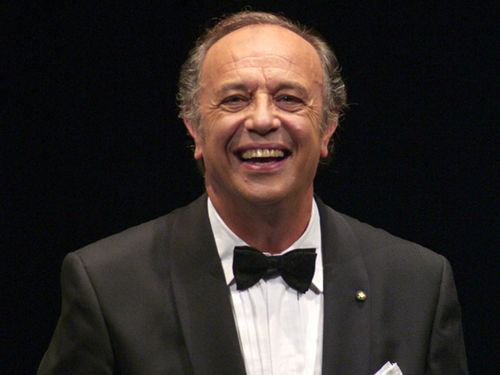
Leo Nucci
1991–2022
·
4 albums
Listen
2
/5
Genres
Classical Baritone
Classical baritone refers to the tradition of composing for and performing with the baritone male voice in Western classical music, spanning opera, art song (Lied), oratorio, and sacred repertoire. The baritone sits between tenor and bass, typically ranging from A2 to F4 (with role- and singer-dependent extensions). Its timbre is prized for warmth, nobility, and dramatic weight, making it ideal for heroes, anti-heroes, fathers, kings, and complex psychological roles in opera, as well as for intimate poetic expression in recital. The category solidified in the early 19th century with bel canto and Romantic opera, and has since developed into subtypes (lyric, Kavalierbariton, Verdi baritone, dramatic, and bass-baritone), each with distinct tessitura, color, and technical demands.
Discover
Listen
Classical Tenor
Classical tenor refers to the Western classical tradition of tenor singing across opera, oratorio, and art song. It centers on a high male voice type whose typical written range spans roughly C3 to B4/C5, with the core tessitura sitting around the passaggio between E4–G4. The style is defined by legato phrasing, precise diction in multiple languages (especially Italian, German, French, and Latin), balanced chiaroscuro tone, and secure breath management (appoggio) that enables both long lyrical lines and brilliant climaxes. Subtypes include leggiero, lyric, spinto, dramatic, and heldentenor, each suited to different repertoire weights and orchestral demands. Accompaniments are commonly full orchestra (opera/oratorio) or piano (Lied/mélodie), sometimes organ or chamber ensembles. Repertoire ranges from Baroque da capo arias to Romantic grand opera scenes, Wagnerian music dramas, sacred works, and recital songs.
Discover
Listen
Italian Baritone
Italian baritone refers to the operatic vocal tradition and repertoire for the baritone voice as cultivated in Italy, especially during the 19th-century Romantic era and into the verismo period. It is characterized by supple bel canto technique (legato singing, even emission, and elegant phrasing), the chiaroscuro tonal ideal, and rhetorical, text-forward delivery in Italian. In the mid-to-late 19th century, composers such as Verdi shaped the "Verdian baritone" archetype—noble yet powerful, capable of both cantabile lines and dramatic declamation—before verismo added a more speech-like intensity and raw dramatic realism. The style is inseparable from Italian-language opera, with hallmark roles such as Rigoletto, Germont, Iago, Nabucco, and Gianni Schicchi, typically supported by a full romantic orchestra and the conventional scena/aria structures of Italian opera.
Discover
Listen
Classical Contralto
Classical contralto refers to the lowest standard female voice type in Western classical music, with a rich, dark timbre and a comfortable tessitura centered in the lower middle register. Typical written range spans roughly E3–F5 (or even down to C3 for true contraltos), with the most resonant, characteristic sound in the low and low‑middle range. The contralto voice is heard in opera, oratorio, cantata, lieder/art song, and symphonic choral repertoire. It often embodies characters of gravitas—mothers, sorceresses, noble confidantes—or delivers contemplative and devotional solos in sacred works. Stylistically, contraltos excel at sustained legato, chiaroscuro shading, and text‑centered delivery; in Baroque music they also negotiate tasteful ornamentation with a dignified, grounded color that differs from the brilliance of soprano or the warmth of mezzo-soprano.
Discover
Listen
Opera
Opera is a large-scale theatrical genre that combines music, drama, and visual spectacle, in which the story is primarily conveyed through singing accompanied by an orchestra. It unites solo voices, ensembles, and chorus with staging, costumes, and often dance to create a total artwork. Emerging in late Renaissance Italy and flourishing in the Baroque era, opera developed signature forms such as recitative (speech-like singing that advances the plot) and aria (lyrical numbers that explore character and emotion). Over the centuries it evolved diverse national styles—Italian bel canto, French grand opéra, German music drama—while continually experimenting with orchestration, harmony, narrative structure, and stagecraft.
Discover
Listen
Albums
2022
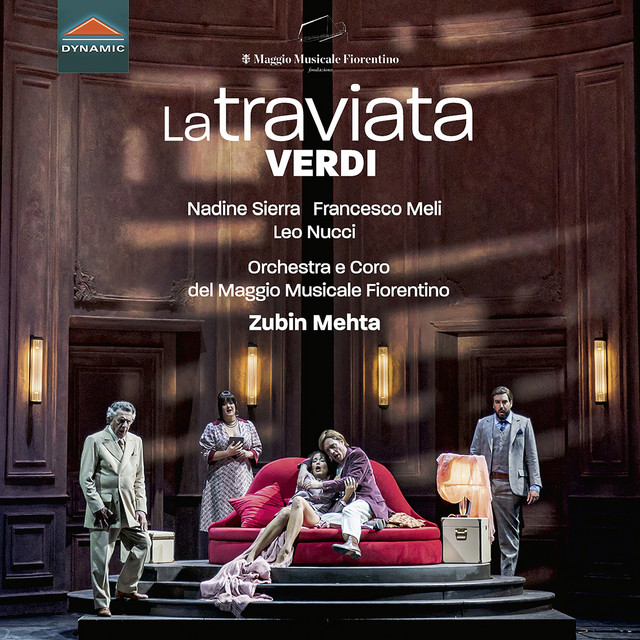
Verdi: La traviata (Live)
Giuseppe Verdi, Nadine Sierra, Francesco Meli, Leo Nucci, Caterina Meldolesi, Z…
Classical Tenor
1999
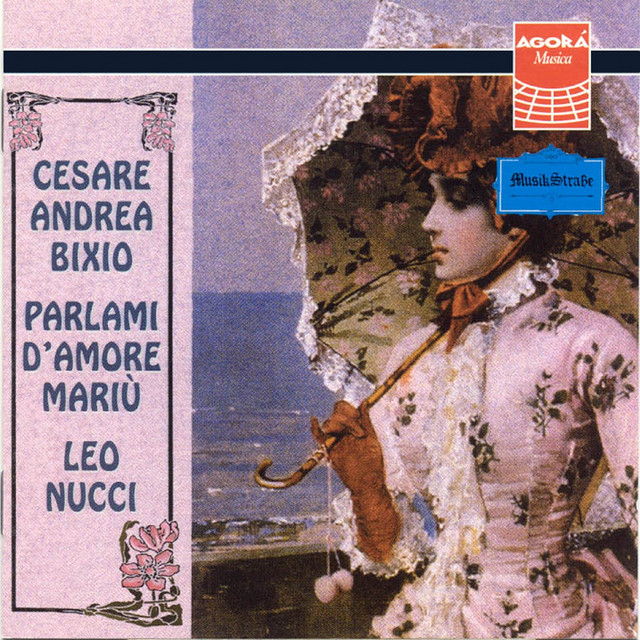
Parlami d'amore Mariù
Leo Nucci
Italian Baritone
1994
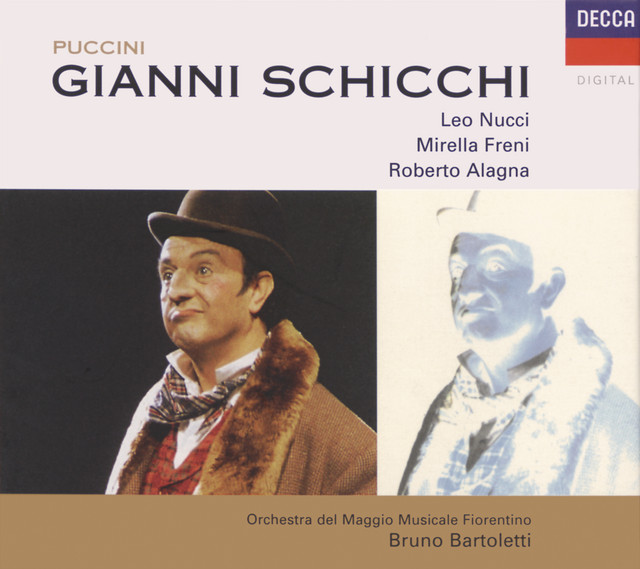
Puccini: Gianni Schicchi
Giacomo Puccini, Leo Nucci, Mirella Freni, Roberto Alagna, Coro Di Voci Bianchi…
Classical Contralto
1991
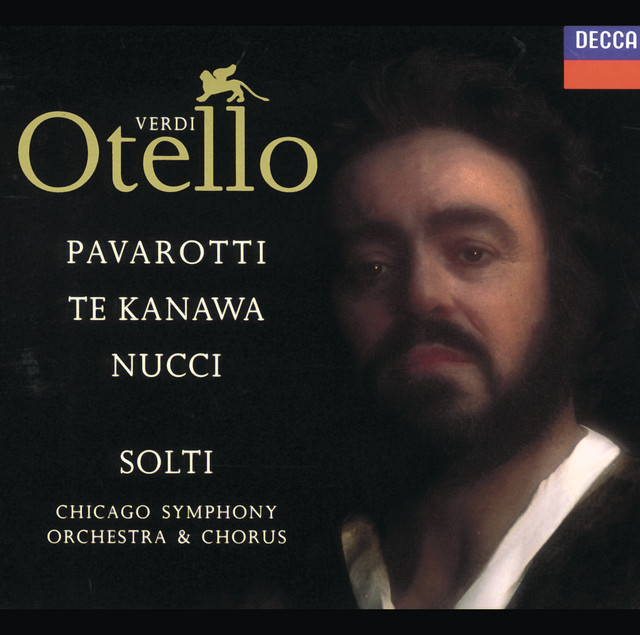
Verdi: Otello
Giuseppe Verdi, Kiri Te Kanawa, Luciano Pavarotti, Anthony Rolfe Johnson, Leo N…
Classical Baritone
Similar artists
4
/5
Berliner Philharmoniker
Classical
Symphony
Romantic Classical
4
/5
Claudio Abbado
Classical
Concerto
Expressionism
4
/5
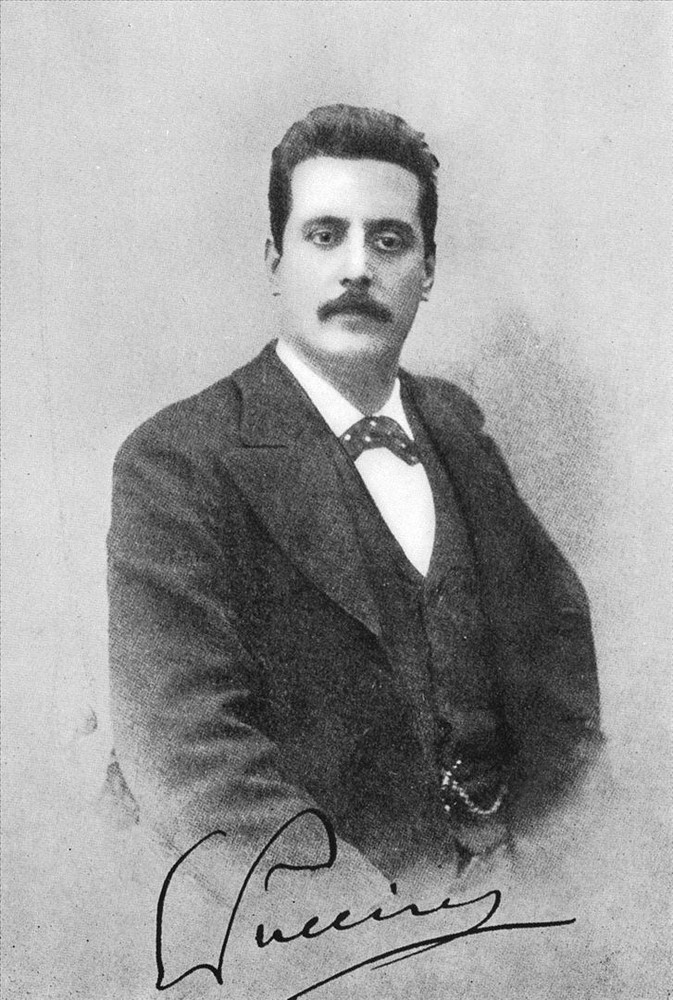
Giacomo Puccini
Verismo
Classical Baritone
Classical Soprano
3
/5
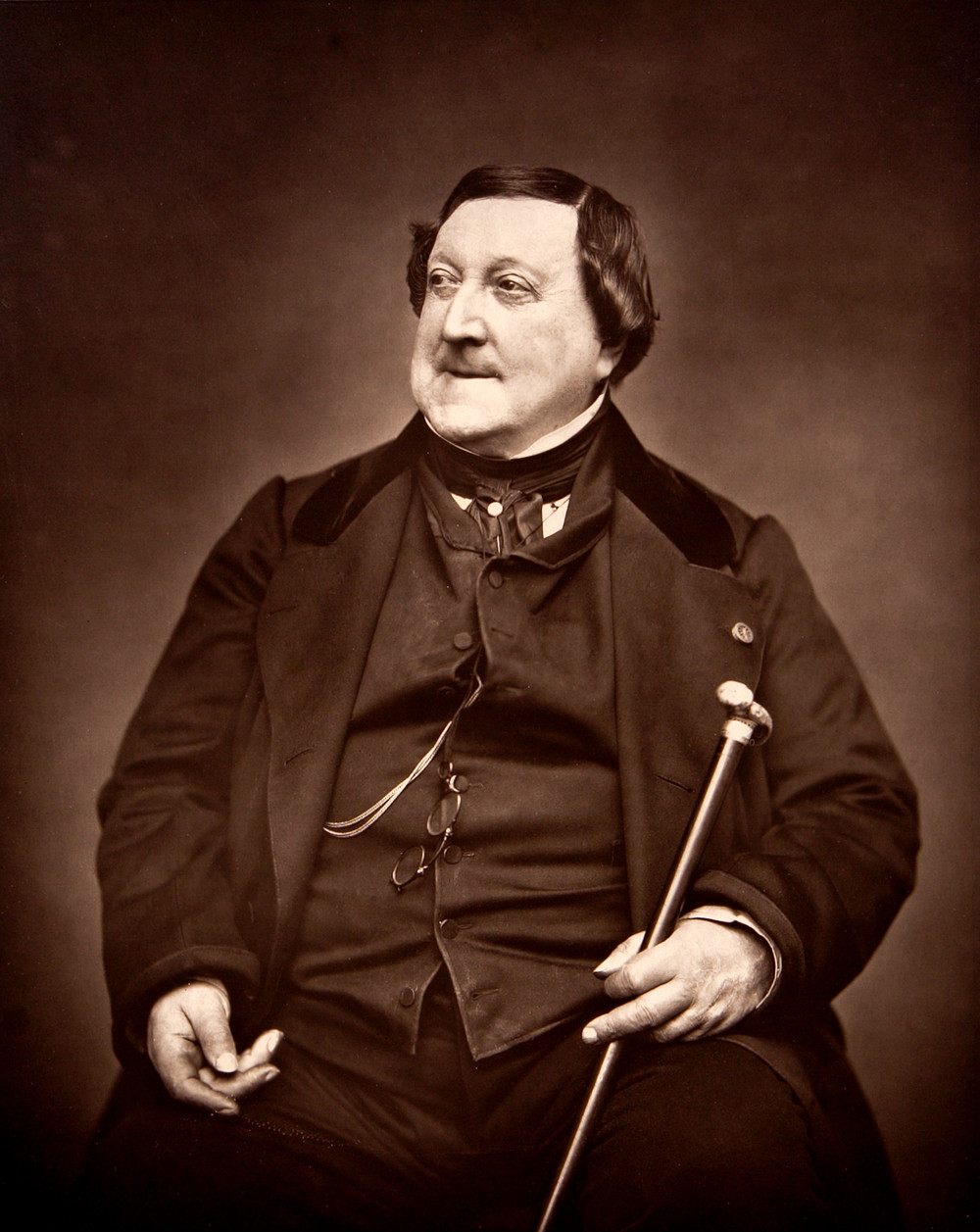
Gioachino Rossini
Opera Buffa
Classical
Opera
3
/5
Gaetano Donizetti
Opera
Opera Buffa
Opera Semiseria
4
/5
Wolfgang Amadeus Mozart
Classical
Requiem
Classical Period
4
/5
Herbert von Karajan
Classical
Symphonic Poem
Symphony
4
/5
Wiener Philharmoniker
Classical
Romantic Classical
Romanticism
4
/5
Luciano Pavarotti
Canzone Napoletana
Classical
Opera
4
/5
Giuseppe Verdi
Classical Baritone
Classical Mezzo-Soprano
Requiem
Download our mobile app
Get the Melodigging app and start digging for new genres on the go
Download on the App Store
Get it on Google Play
© 2026 Melodigging
Give feedback
Legal
Melodding was created as a tribute to
Every Noise at Once
, which inspired us to help curious minds keep digging into music's ever-evolving genres.