Genres
Artists
Albums
Make Music
Sign in
Sign in
Artists
Verismo
Artists
Verismo
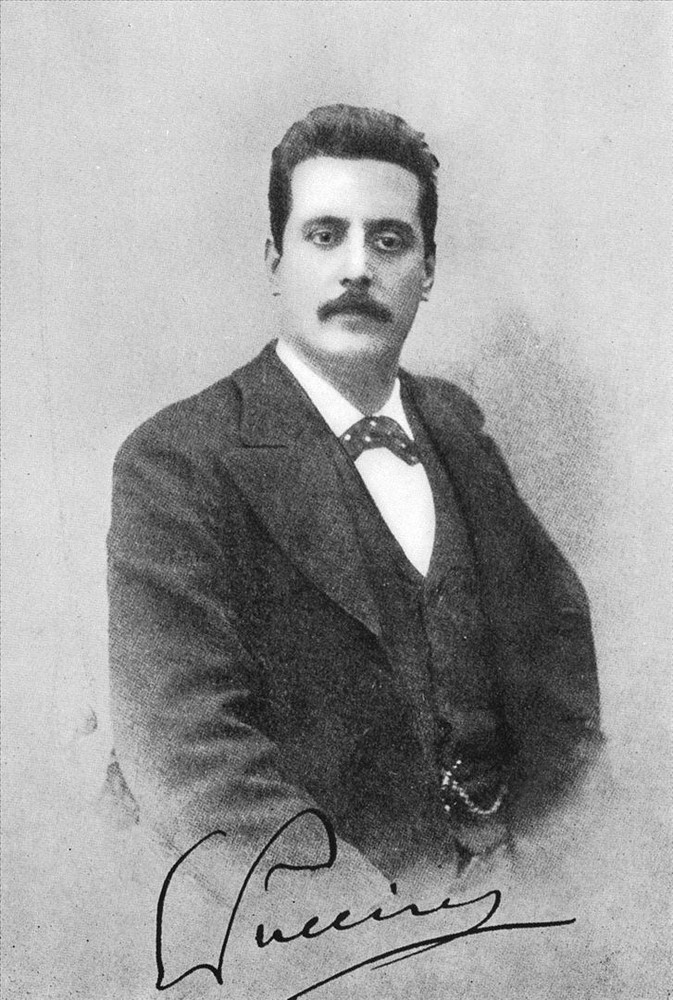
Giacomo Puccini
1953–2015
·
17 albums
Listen
4
/5
Genres
432hz
432hz is a wellness-oriented ambient/New Age micro-genre built around tuning music to the alternative concert pitch A=432 Hz instead of the modern standard A=440 Hz. In practice, 432hz releases are largely instrumental, slow-tempo, and reverb-rich, combining soft pads, drones, gentle piano, bowls/chimes, and nature sounds. Tracks are marketed for relaxation, meditation, yoga, sleep, and "energy" or "chakra" work, and are frequently tagged with wellness keywords. While advocates claim psychoacoustic or physiological benefits from 432 Hz tuning, these claims remain unproven; the sound signature audiences respond to is the calm production, consonant harmony, and spacious mixing typical of ambient and New Age music. As a streaming-native style, 432hz thrives on platforms like YouTube and Spotify where long-form background listening, SEO-friendly titling, and looping visuals support use-cases such as study, mindfulness, and sleep.
Discover
Listen
Writing
Writing is a functional, streaming-era microgenre designed to support reading and writing by providing an unobtrusive sonic backdrop. It favors gentle dynamics, sparse textures, and a stable emotional temperature that reduces distraction while maintaining a subtle sense of flow. The sound palette commonly blends modern classical elements (felt piano, light strings), ambient pads and drones, soft post-rock guitars with long reverb tails, and understated downtempo or lo-fi rhythms. Tempos are typically slow to moderate (often 60–90 BPM) or pulse-free, with simple, repetitive motifs and gradual evolution rather than dramatic contrasts. Harmonically, it leans on consonant, slowly changing chords, modal centers, and extended triads for warmth, avoiding sharp dissonance or sudden modulations. Vocals, when present at all, are wordless; most tracks are instrumental to preserve focus.
Discover
Listen
Verismo
Verismo is a late‑19th‑century Italian operatic movement that champions realism: ordinary people in contemporary or recent settings, intense emotions, and vivid, sometimes violent, conflicts. It favors continuous musical drama with flowing arioso and declamation over display arias, a rich late‑Romantic harmonic palette, and a large, coloristic orchestra that paints psychological and environmental detail (bells, banda, onstage chorus, local dances). Vocally, it spotlights spinto and dramatic voices capable of sudden dynamic surges, urgent parlando, and soaring lyrical lines that erupt at emotional peaks. The result is taut, cinematic storytelling that feels immediate, visceral, and unabashedly human.
Discover
Listen
Art Song
Art song is an intimate, concert-music genre in which a poetic text is set for solo voice with an equally integral piano accompaniment. Unlike popular song, it is composed for attentive listening in the recital hall or salon, and unlike opera, it does not require staging or multiple characters. The genre privileges prosody, word-painting, and subtle harmonic color to illuminate imagery and emotion in the poem. Forms range from strophic and modified strophic to fully through-composed designs, and the piano often supplies prelude, interludes, and a telling postlude that extends or reframes the text’s sentiment. German Lieder, French mélodie, and English-language art song are the best-known national currents within this tradition.
Discover
Listen
Romantic Classical
Romantic classical (Romantic-era) music is the 19th‑century phase of Western art music in which expression, individuality, and imagination came to the fore. Composers expanded the orchestra, embraced chromatic harmony and bold modulations, and favored long‑breathed, emotive melodies. Aligned with the wider Romantic movement in literature and the arts, it prized the subjective—love, nature, the supernatural, nationalism, and the sublime—often through programmatic narratives. New and transformed genres (the symphonic poem, grand opera, the art song/Lied, concert overtures) coexisted with reimagined Classical forms (symphony, sonata, concerto) that grew in scale and harmonic daring. From ca. 1800 through the early 20th century, Romantic music stretched from Beethoven’s heroic style and Schubert’s lyricism to Wagner’s leitmotivic dramas and Tchaikovsky’s symphonic ballet-infused language, culminating in late-Romantic gigantism and post-Romantic continuations.
Discover
Listen
Opera
Opera is a large-scale theatrical genre that combines music, drama, and visual spectacle, in which the story is primarily conveyed through singing accompanied by an orchestra. It unites solo voices, ensembles, and chorus with staging, costumes, and often dance to create a total artwork. Emerging in late Renaissance Italy and flourishing in the Baroque era, opera developed signature forms such as recitative (speech-like singing that advances the plot) and aria (lyrical numbers that explore character and emotion). Over the centuries it evolved diverse national styles—Italian bel canto, French grand opéra, German music drama—while continually experimenting with orchestration, harmony, narrative structure, and stagecraft.
Discover
Listen
Classical
Classical music is the notated art-music tradition of Europe and its global descendants, characterized by durable forms, carefully codified harmony and counterpoint, and a literate score-based practice. The term “classical” can refer broadly to the entire Western art-music lineage from the Medieval era to today, not just the Classical period (c. 1750s–1820s). It privileges long-form structures (such as symphonies, sonatas, concertos, masses, and operas), functional or modal harmony, thematic development, and timbral nuance across ensembles ranging from solo instruments to full orchestras and choirs. Across centuries, the style evolved from chant and modal polyphony to tonal harmony, and later to post-tonal idioms, while maintaining a shared emphasis on written notation, performance practice, and craft.
Discover
Listen
Show all 7 genres
Albums
2015
1
/5
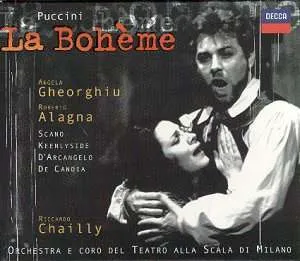
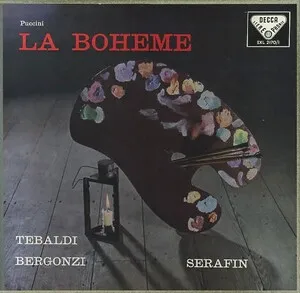
La bohème
Giacomo Puccini
Verismo
2009
2
/5
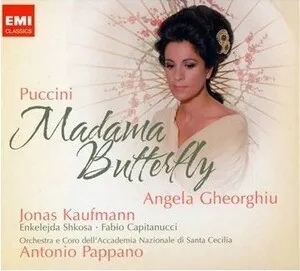
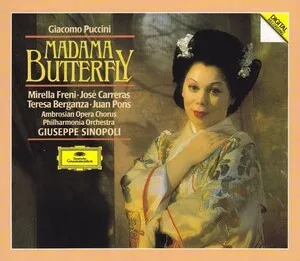
Madama Butterfly
Giacomo Puccini
Verismo
1979
2
/5
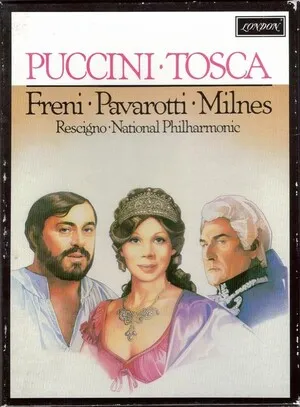
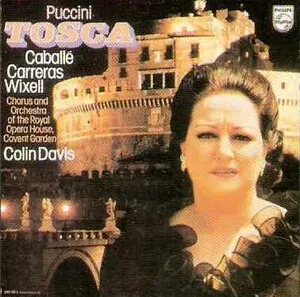
Tosca
Giacomo Puccini
Verismo
1974
3
/5
Madama Butterfly
Giacomo Puccini
Verismo
1973
1
/5
La bohème
Giacomo Puccini
Verismo
1965
1
/5
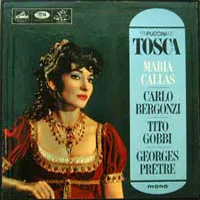
Tosca
Giacomo Puccini
Verismo
1959
2
/5
La Boheme
Giacomo Puccini
Verismo
1958
3
/5
La bohème
Giacomo Puccini
Verismo
1955
3
/5
Madama Butterfly
Giacomo Puccini
Verismo
1953
1
/5
Teatro alla Scala: Tosca
Giacomo Puccini
Verismo
Manon Lescaut
Giacomo Puccini
Verismo
Madama Butterfly: Le pagine più belle
Giacomo Puccini
Verismo
Madama Butterfly
Giacomo Puccini
Verismo
La Bohème
Giacomo Puccini
Verismo
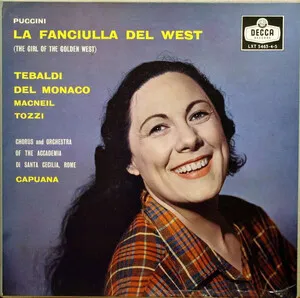
La fanciulla del West
Giacomo Puccini
Verismo
Tosca
Giacomo Puccini
Verismo
La bohème
Giacomo Puccini
Verismo
Similar artists
4
/5
Herbert von Karajan
Classical
Symphonic Poem
Symphony
4
/5
Berliner Philharmoniker
Classical
Romantic Classical
Romanticism
4
/5
Wiener Philharmoniker
Classical
Romantic Classical
Romanticism
2
/5
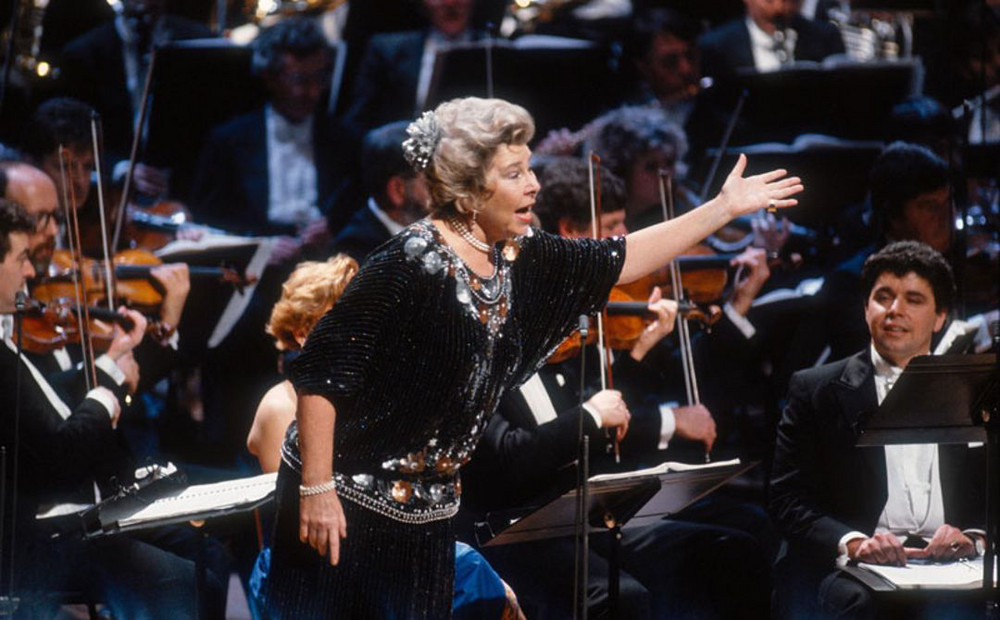
Christa Ludwig
Classical
Opera
Requiem
4
/5
London Symphony Orchestra
Classical
Ballet
Concerto
4
/5
Philharmonia Orchestra
Classical
Opera
Choral
3
/5
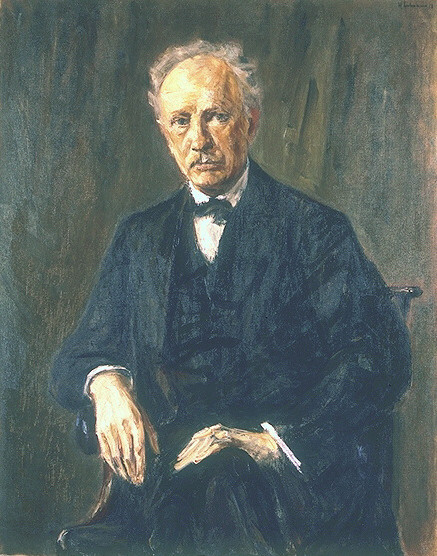
Richard Strauss
Symphonic Poem
Classical
Orchestral
3
/5
Dietrich Fischer-Dieskau
Art Song
Lied
Classical
2
/5
Otto Klemperer
Choral
Classical
Opera
4
/5
Luciano Pavarotti
Canzone Napoletana
Classical
Opera
Download our mobile app
Get the Melodigging app and start digging for new genres on the go
Download on the App Store
Get it on Google Play
© 2026 Melodigging
Give feedback
Legal
Melodding was created as a tribute to
Every Noise at Once
, which inspired us to help curious minds keep digging into music's ever-evolving genres.