Genres
Artists
Albums
Make Music
Sign in
Sign in
Artists
Grand Opera
Artists
Grand Opera
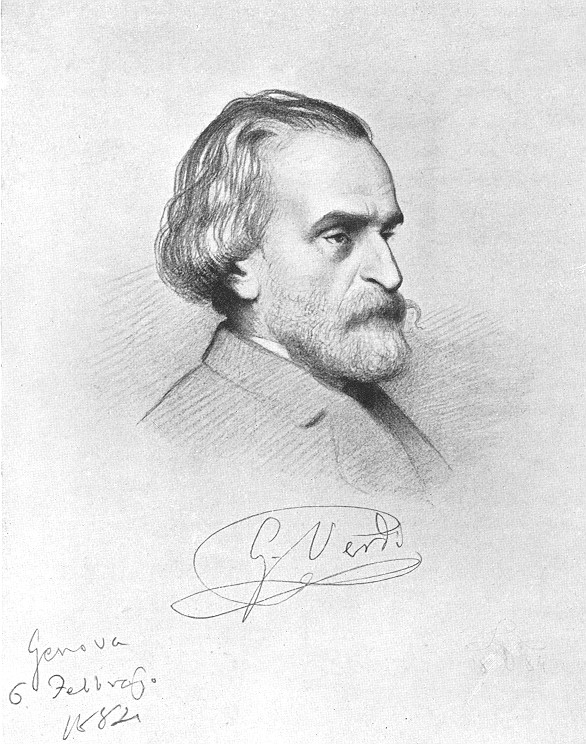
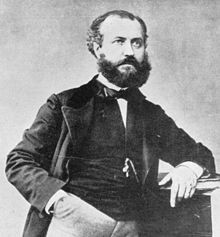
Giuseppe Verdi
1964–2013
·
10 albums
Listen
4
/5
Genres
Pet Calming
Pet calming is a functional micro‑genre designed to reduce stress and arousal in companion animals—primarily dogs and cats—during triggering situations such as owner absence, fireworks, vet visits, thunderstorms, or travel. Musically it favors very slow tempos, sparse arrangements, soft timbres (piano, pads, gentle strings, warm guitars), long sustains, smooth envelopes, and stable, consonant harmonies. Dynamics are kept narrow and transients are tamed to avoid startle responses. Many releases add gentle environmental ambiences (rain, ocean, rustling leaves) or unobtrusive pink/white‑noise beds to mask external sounds. Structures are highly repetitive with gradual variation so the soundscape feels predictable and safe. While aimed at non‑human listeners, the genre is informed by animal‑behavior findings (e.g., predictable low‑arousal sound reduces stress) and by human relaxation idioms (ambient, new age, lullaby). It is commonly delivered as long‑form, streaming‑friendly content that owners can loop for hours.
Discover
Listen
Channel Pop
Channel pop is a digital-era strain of mainstream pop shaped by video and creator platforms—especially YouTube and later TikTok and Instagram—where artists build audiences through frequent uploads on their own “channels.” Musically it favors intimate, highly polished but close-mic’d vocals, acoustic guitar or piano-led arrangements, restrained beats, and succinct, playlist-friendly structures. Many releases are cover-first (reimagining recent chart hits) with a steady flow of glossy singles, session-style performances, and creator collaborations that gradually blend into original material. Titles, artwork, and release cadence are optimized for search and recommendation algorithms, yielding a sound that is simultaneously personal and platform-aware.
Discover
Listen
Connecticut Indie
Connecticut indie is a regional strain of U.S. indie rock that blends the heartfelt directness of emo-revival with the fuzzy guitars, DIY ethics, and adventurous textures of New England’s underground. Rooted in college-town and small-city scenes (Middletown, New Haven, Willimantic, Hartford), the sound swings between twinkly, lyrically confessional indie and louder, shoegaze- or noise-tinged guitar rock. You’ll hear gang-vocal catharsis, transparent production that favors live-room energy, and occasional orchestral or synth flourishes that reflect the area’s art-school and experimental leanings. While it is geographically defined, the micro-scene’s bands networked nationally through house shows, small labels, and online communities, making Connecticut indie both locally grounded and widely connected.
Discover
Listen
Electronic Trap
Electronic trap is a club-oriented hybrid that fuses modern trap’s drum language (punchy 808 kicks, snappy snares, fast hi-hat rolls) with EDM sound design and festival-style arrangement. Compared to rap-first trap, electronic trap is typically more instrumental and drop-driven, with dramatic buildups, heavy bass drops, and highly processed synths. Common sonic traits include distorted 808 subs, aggressive lead synths, chopped or pitched vocal samples, and big FX transitions (risers, impacts, sweeps). The overall focus is energy, bass weight, and crowd impact on large sound systems.
Discover
Listen
Trap Edm
Trap EDM (often called EDM trap) is a fusion of Southern U.S. hip hop trap rhythms with the build–up/drop architecture and sound design of electronic dance music. It typically runs at 140 BPM with a halftime feel (or 70–75 BPM), featuring 808 sub‑bass, crisp snare/clap on the third beat, rapid 1/16 to 1/32 hi‑hat rolls, brass or synth stabs, and big festival‑style drops. Unlike rap-oriented trap, Trap EDM is primarily instrumental and designed for large dance floors and festivals, emphasizing dramatic risers, tension–release dynamics, and heavy low‑end impact.
Discover
Listen
Writing
Writing is a functional, streaming-era microgenre designed to support reading and writing by providing an unobtrusive sonic backdrop. It favors gentle dynamics, sparse textures, and a stable emotional temperature that reduces distraction while maintaining a subtle sense of flow. The sound palette commonly blends modern classical elements (felt piano, light strings), ambient pads and drones, soft post-rock guitars with long reverb tails, and understated downtempo or lo-fi rhythms. Tempos are typically slow to moderate (often 60–90 BPM) or pulse-free, with simple, repetitive motifs and gradual evolution rather than dramatic contrasts. Harmonically, it leans on consonant, slowly changing chords, modal centers, and extended triads for warmth, avoiding sharp dissonance or sudden modulations. Vocals, when present at all, are wordless; most tracks are instrumental to preserve focus.
Discover
Listen
Grand Opera
Grand opera is a monumental 19th‑century French operatic form defined by large forces, spectacular staging, and serious historical or religious subjects. Typically laid out in five acts, it features extensive choruses, virtuosic arias and ensembles, full ballet sequences (the obligatory "divertissement"), and elaborate scenic effects that turn political and moral conflicts into public spectacle. Musically, grand opera expands the Romantic orchestra, favors accompanied recitative over secco dialogue, and uses coloristic orchestration, on‑ and off‑stage bands, and crowd scenes to heighten dramaturgy. It emerged at the Paris Opéra (Académie Royale/Impériale) in the late 1820s–1830s through works by Auber, Meyerbeer, and Halévy, and quickly became an international template for large‑scale operatic production.
Discover
Listen
Mechanical Music
Mechanical music is music generated by self‑playing instruments that read and reproduce music through purely mechanical means, with no major electronically controlled elements. Typical carriers include pinned cylinders and discs (music boxes and barrel organs), perforated paper rolls (player pianos), and cardboard music books (fairground and dance organs). Sound is produced by physical actions—plucked steel teeth, organ pipes driven by bellows, struck strings or percussion—set in motion by clockworks, cranks, weights, or pneumatic actions. The result is a precise, repeatable performance that reflects both the arrangement encoded on the medium and the tonal character of the instrument.
Discover
Listen
Opera
Opera is a large-scale theatrical genre that combines music, drama, and visual spectacle, in which the story is primarily conveyed through singing accompanied by an orchestra. It unites solo voices, ensembles, and chorus with staging, costumes, and often dance to create a total artwork. Emerging in late Renaissance Italy and flourishing in the Baroque era, opera developed signature forms such as recitative (speech-like singing that advances the plot) and aria (lyrical numbers that explore character and emotion). Over the centuries it evolved diverse national styles—Italian bel canto, French grand opéra, German music drama—while continually experimenting with orchestration, harmony, narrative structure, and stagecraft.
Discover
Listen
Requiem
A requiem is a musical setting of the Roman Catholic Mass for the Dead (Missa pro defunctis). Historically rooted in Latin liturgy, it sets movements such as the Introit, Kyrie, (historically) the Sequence Dies irae, Offertory, Sanctus, Agnus Dei, and Communion, and often includes additional responsories like Libera me and In paradisum. While the earliest requiems were monophonic chants, the genre became a showcase for polyphonic and later symphonic choral writing. Renaissance composers wrote austere, modal settings; Classical and Romantic composers expanded the forces and dramatic scope; and 20th–21st century composers reimagined the form with new languages, from neo-modal and impressionistic harmonies to avant‑garde sonorities. Today, requiems appear both in liturgy and as concert works, symbolizing collective mourning, remembrance, and spiritual reflection.
Discover
Listen
Mass
Mass is a large-scale vocal genre that sets the Ordinary of the Roman Catholic liturgy—Kyrie, Gloria, Credo, Sanctus (and Benedictus), and Agnus Dei—most often in Latin. It began as monophonic chant but developed into sophisticated polyphony and later into concert works for choir, soloists, and instruments or full orchestra. Across history, composers have used techniques such as cantus firmus, imitation, paraphrase, and parody to unify movements. The genre spans from austere a cappella writing to monumental symphonic-choral statements, and today is performed both liturgically and in the concert hall. Common subtypes include Missa brevis (short Mass, often omitting the Credo or compact in scale) and Missa solemnis (festal, expansive forces and duration).
Discover
Listen
Classical
Classical music is the notated art-music tradition of Europe and its global descendants, characterized by durable forms, carefully codified harmony and counterpoint, and a literate score-based practice. The term “classical” can refer broadly to the entire Western art-music lineage from the Medieval era to today, not just the Classical period (c. 1750s–1820s). It privileges long-form structures (such as symphonies, sonatas, concertos, masses, and operas), functional or modal harmony, thematic development, and timbral nuance across ensembles ranging from solo instruments to full orchestras and choirs. Across centuries, the style evolved from chant and modal polyphony to tonal harmony, and later to post-tonal idioms, while maintaining a shared emphasis on written notation, performance practice, and craft.
Discover
Listen
Choral
Choral refers to music written for and performed by a choir—an ensemble of voices organized into sections such as soprano, alto, tenor, and bass (SATB), or same-voice groupings (SSA, TTBB). It encompasses both sacred and secular repertoire and may be sung a cappella or with accompaniment by organ, piano, or full orchestra. Stylistically, choral music ranges from chant-like monophony to intricate polyphony and rich homophonic textures. Texts are drawn from liturgy, scripture, poetry, and vernacular sources, and are set in many languages. Performance contexts include church services, concert halls, and community events, making choral one of the most socially embedded and widely practiced forms of ensemble music. Across history, choral music has served as a laboratory for vocal counterpoint, word painting, and text-driven form, while functioning as a cultural bridge among religious rites, national traditions, and contemporary concert practice.
Discover
Listen
Show all 13 genres
Albums
2013
2
/5
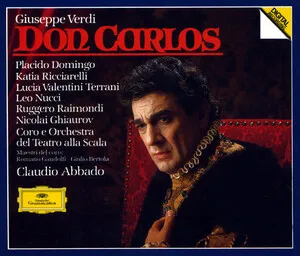
Don Carlos
Giuseppe Verdi
Grand Opera
2006
2
/5
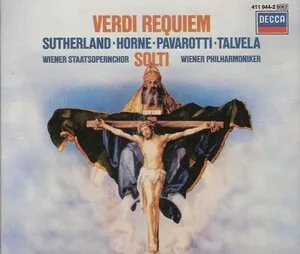
Requiem
Giuseppe Verdi
Requiem
Classical
2005
2
/5
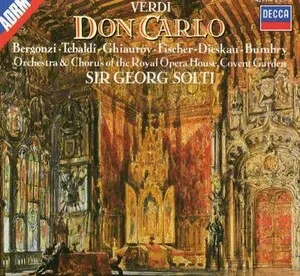
Don Carlo
Giuseppe Verdi
Grand Opera
2000
1
/5
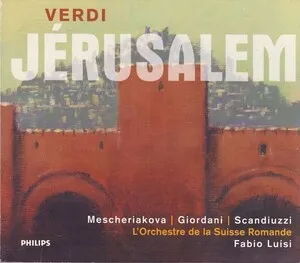
Jérusalem
Giuseppe Verdi
Grand Opera
1966
2
/5
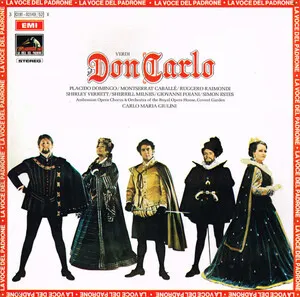
Don Carlo
Giuseppe Verdi
Grand Opera
1964
2
/5
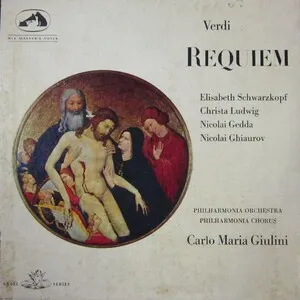
Requiem
Giuseppe Verdi
Requiem
Mass
Choral
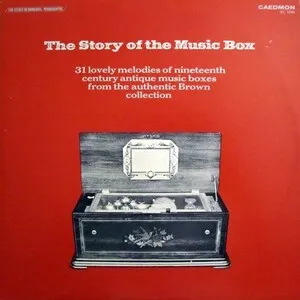
The Story of the Music Box
Giuseppe Verdi
Mechanical Music
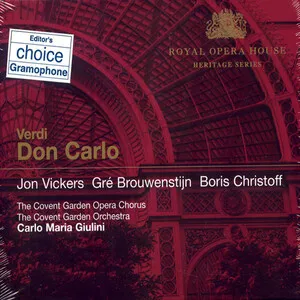
Don Carlo (Vickers, Brouwenstijn, Christoff / Covent Garden - Giulini)
Giuseppe Verdi
Grand Opera
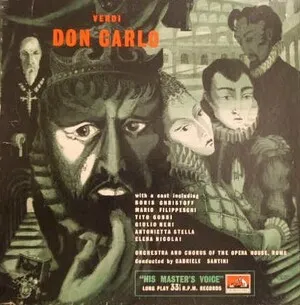
Don Carlos
Giuseppe Verdi
Grand Opera
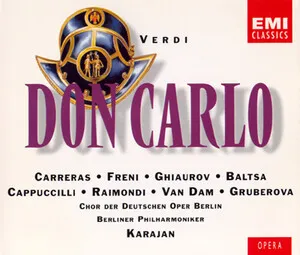
Don Carlo
Giuseppe Verdi
Grand Opera
Similar artists
4
/5
London Symphony Orchestra
Classical
Ballet
Concerto
4
/5
Wolfgang Amadeus Mozart
Classical
Requiem
Classical Period
4
/5
Berliner Philharmoniker
Classical
Romantic Classical
Romanticism
4
/5
Herbert von Karajan
Classical
Symphonic Poem
Symphony
3
/5
Charles Gounod
Grand Opera
Classical
Pet Calming
3
/5
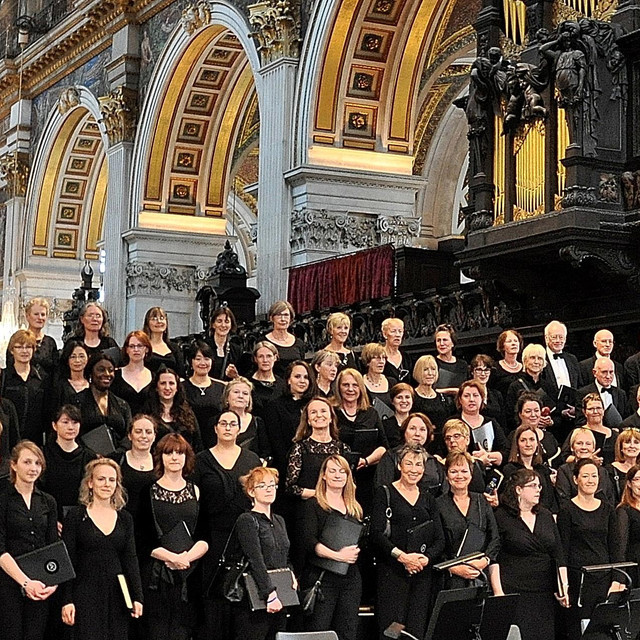
London Symphony Chorus
Requiem
Choral
Classical
3
/5
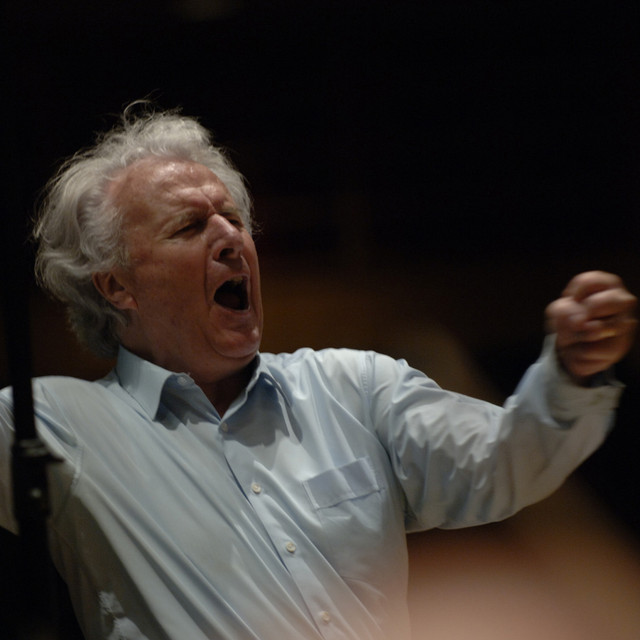
Sir Colin Davis
Classical
Requiem
Deep Soundtrack
3
/5
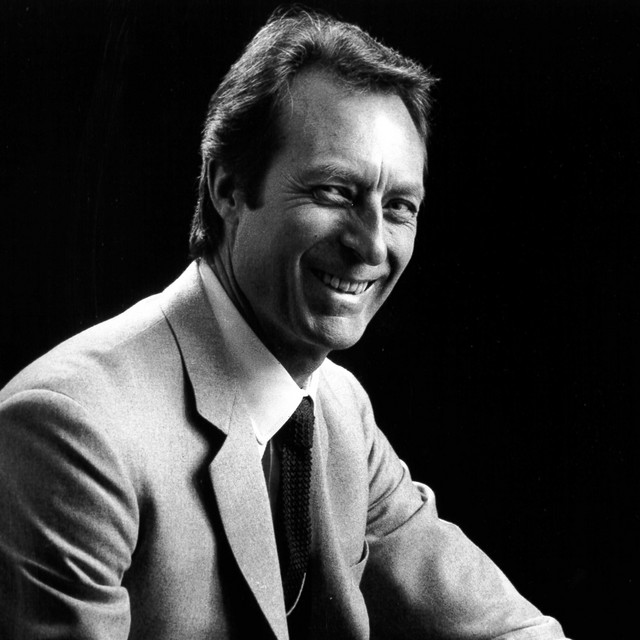
Carlo Maria Giulini
Classical
Opera
Requiem
2
/5
José van Dam
Classical
Opera
Requiem
3
/5
Richard Wagner
New German School
Romantische Oper
Classical
Download our mobile app
Get the Melodigging app and start digging for new genres on the go
Download on the App Store
Get it on Google Play
© 2026 Melodigging
Give feedback
Legal
Melodding was created as a tribute to
Every Noise at Once
, which inspired us to help curious minds keep digging into music's ever-evolving genres.