Genres
Artists
Albums
Make Music
Sign in
Sign in
Artists
Indie Game Soundtrack
Artists
Indie Game Soundtrack
Lena Raine
2018–2022
·
4 albums
Listen
4
/5
Genres
Spectra
Spectra is a contemporary, internet-native microgenre of moody alternative electronic and R&B-adjacent music characterized by spectral, hazy textures, soft-focus vocals, and lush, wide stereo sound design. It blends downtempo grooves with post-dubstep sound palettes, dreamy pads, and understated, melancholic songwriting. Production often favors granular and time-stretched atmospheres, filtered synths, submerged bass, and delicate percussion patterns that feel intimate yet cinematic. Vocals are commonly breathy and layered with subtle pitch/formant processing, while harmony leans toward extended, suspended, and add-color chords that emphasize bittersweet, nocturnal moods.
Discover
Listen
Gamecore
Gamecore is an internet-native electronic microgenre that fuses the timbres, melodies, and narrative tropes of classic and modern video game music with contemporary EDM songcraft. Its palette leans heavily on chiptune waveforms (square, triangle, noise), retro console/arcade sound effects, and leitmotif-style hooks, but frames them within club-forward rhythms and sound design drawn from electro house, future bass, glitch hop, dubstep, and drum & bass. The result is a bright, kinetic, and often nostalgic sound that feels like a “boss battle” drop or a euphoric level clear. Scenes and labels tied to VGM remix culture, doujin circles, and demoscene aesthetics helped codify the style, while streamers, esports content, and indie game culture amplified its reach.
Discover
Listen
Shimmer Pop
Shimmer pop is a glossy, hook-forward offshoot of indie pop that emphasizes bright, “glassy” textures and dreamy atmospheres. Its sound is defined by clean, chorus‑drenched guitars or twinkling synth arpeggios, lush pads, and wide, sparkling high‑end detail that gives the music a literal sense of shimmer. Production often merges retro new‑wave and synth‑pop colors with modern indietronica polish, pairing side‑chained synths and gated reverbs with crisp, contemporary drum programming. Melodies are unabashedly pop, while the lyrics frequently explore romantic longing, youthful nostalgia, and late‑night introspection. Tempos typically sit in the mid‑tempo range, with steady 4/4 grooves or lightly syncopated patterns that keep the music buoyant and danceable without becoming aggressive. The overall mood balances optimism and wistfulness, creating a sound that feels both neon‑bright and emotionally tender.
Discover
Listen
Digital Fusion
Digital fusion blends the hardware‑limited timbres of Chiptune and Bit Music with the harmonic language and arranging scope of jazz fusion, cinematic/classical writing, progressive music, and contemporary electronic production. Producers often start with authentic chip palettes (NES, Game Boy, YM2612/Genesis, or tracker/sample-based 8/16‑bit sets), then write harmonically rich progressions, orchestrate with layered synths and sample libraries, and sometimes add live performers (saxophone, guitar, bass, drums, strings). The result feels both retro and forward‑looking: agile, rhythmically intricate, melodically ear‑catchy, and frequently “filmic” in scope. Compared with straight Chiptune, digital fusion leans harder into jazz harmony, odd meters, and cinematic development; compared with jazztronica, it keeps a stronger attachment to console/arcade sound design and tracker‑style articulation.
Discover
Listen
Pixel
Pixel is an internet-born microgenre that blends chiptune’s 8‑ and 16‑bit timbres with glossy, high‑energy electropop and hyperpop production. You’ll hear pulse‑width‑modulated square leads, triangle basses, noise‑channel snares, rapid arpeggios that imply chords, and lots of game‑console sound design (NES/SNES/Genesis palettes). Melodies are bright and hooky, arrangements are tightly quantized and often very fast, and sound design leans “cute,” cartoonish, and ultra‑synthetic. Producers frequently add modern touches—side‑chain pumping, OTT compression, hard clip/bit‑crush distortion, and pitched/Auto‑Tuned vocals—so the result feels at once retro and contemporary. Aesthetically it signals retro‑gaming and net culture: UI bleeps, item‑pickup stingers, and level‑up flourishes sit alongside maximal, sugary pop writing. Typical tempos range from 120–170 BPM, with common detours into double‑time or halftime drops.
Discover
Listen
Flint Sound
Flint sound is a contemporary Michigan rap style centered in Flint, United States. It is characterized by fast, minimal, piano- or organ-led beats, dry and upfront vocals, and bar-by-bar “punch‑in” delivery that often rides slightly ahead of or behind the grid for a conversational, off‑kilter feel. The production typically favors bright piano loops, staccato 808 slides, crisp claps or rimshots, and sparse percussion, leaving plenty of space for relentless punchlines, gritty street reportage, and mischievous humor. While hard-edged and streetwise, the style frequently leans into charismatic personality and wit, making it both aggressive and infectious for dancing.
Discover
Listen
Glitchcore
Glitchcore is an internet-born microgenre that fuses pop-forward songwriting with hyperactive, digitally mangled sound design. It is characterized by bitcrushed and over-distorted synths, stuttered edits, sudden beat-switches, and heavily pitch-shifted, Auto-Tuned vocals. Arrangements tend to be short, hook-centric, and maximalist, often compressing multiple sections and textures into tracks that last 90–150 seconds. The genre borrows the emotive directness of emo rap and bedroom pop, the rhythmic backbone of trap, and the candy-coated sheen of hyperpop and bubblegum bass, while leaning into deliberate digital artifacts—glitches, dropouts, resampling, and hard clip distortion—as expressive tools. Culturally, glitchcore is inseparable from online communities (Discord, SoundCloud, TikTok), where rapid iteration, meme literacy, and DIY production workflows shaped its sound and aesthetics.
Discover
Listen
No Beat
No beat is a Brazilian, producer‑driven tag and scene that grew around baile funk and adjacent regional party styles, where the beatmaker’s identity (often voiced as the tag “X no beat!”) is foregrounded. Musically it pulls from funk carioca’s Miami‑bass lineage, paredão/car‑sound‑system aesthetics, and newer dark, minimalist strands (e.g., bruxaria), yielding hard sub‑bass, sparse percussion at 130–150+ BPM, abrupt mutes, chopped/ported vocals, and crowd‑command call‑outs. In some regional pockets the groove leans into arrochadeira/brega influences and trap textures (“trapfunk”). Rather than meaning “without drums,” the label signals a producer‑centric baile funk approach that thrives in street parties and sound‑system culture and has fed into today’s global club and trap‑funk cross‑pollination.
Discover
Listen
Psybass
Psybass (often written psy-bass) is a psychedelic bass-music style that blends the sound-design mentality of psytrance with the swagger and groove of modern bass genres. It typically runs at midtempo speeds, emphasizes hypnotic low-end movement, and layers kaleidoscopic textures over organic percussion and field recordings. Expect intricately modulated basslines, trippy FX, and elastic halftime rhythms. The mood ranges from shamanic and ceremonial to futuristic and glitchy, with arrangements that breathe—swelling from spacious, downtempo passages into dense, polyrhythmic climaxes. Tonally, psybass leans on modal and drone-like harmonies (Dorian, Phrygian, pentatonic colors) and often incorporates timbres from world instruments and nature recordings, while maintaining an unmistakably electronic, high-fidelity sheen.
Discover
Listen
Soundclown
Soundclown is an internet-born remix and mashup style that thrives on comedic juxtaposition, bait‑and‑switch reveals, and hyper-referential sample collage. It blends pop hits, game and cartoon music, ad jingles, meme sounds, and viral speech into quick-cut audio gags. The genre developed across YouTube and SoundCloud, favoring shock humor, nostalgia, and absurdity over traditional song form. Hallmarks include sudden key/tempo whiplash, exaggerated pitch-shifts, ear‑rending “earrape” peaks, and punchline drops that transform a familiar source into something hilariously incongruent. Because it is fundamentally platform-native, soundclown is as much a memetic editing culture as a musical style. Its tracks often function like sonic shitposts: fast, punchy, and built for instant recognition and shareability.
Discover
Listen
Bytebeat
Bytebeat is a minimalist form of algorithmic music in which very short computer programs (often a single arithmetic expression) generate raw PCM audio directly. It typically uses 8-bit integer math and a running time counter t to produce harsh, glitchy, melody-like patterns, rhythms, and textures through bitwise operations, shifts, modular arithmetic, and simple integer multiplications. The aesthetic sits between chiptune timbres and noise art: crunchy aliasing, stepping waveforms, and emergent structure arise from extremely compact code. First popularized online in 2011, bytebeat is as much a programming puzzle as it is a musical style, celebrated for revealing how complex musical behaviors can emerge from ultra-simple rules.
Discover
Listen
Pov: Indie
"pov: indie" is a social-media-native microstyle built around short, cinematic indie-pop/indie-rock snippets designed to accompany a first-person (POV) narrative. Instead of being defined by a single new musical technique, it is defined by context: the music is chosen or written to feel like the soundtrack to a specific moment (a crush, a late-night walk, moving to a new city, seasonal nostalgia). Sonically it typically uses bright but soft guitars or synths, intimate vocals, simple memorable hooks, and production that reads clearly on phone speakers. The emotional tone is often wistful, tender, and “coming-of-age,” with lyrics that can be understood quickly in a 10–30 second clip.
Discover
Listen
Lo-Fi Vgm
Lo‑fi VGM (lo‑fi video game music) is a crossover style that blends the relaxed, tape‑warmed aesthetics of lo‑fi hip hop with melodies and atmospheres from classic and contemporary video game scores. Producers typically re‑harmonize or gently reharmonize well‑known themes, slow the tempos into the 60–90 BPM range, add vinyl crackle, tape hiss, dusty drums, soft keys/guitar, and cozy ambience, and retain the nostalgic contours of the original cues. The result is music suited for studying, streaming, or unwinding, while evoking game‑world nostalgia. Netlabels and collectives—most visibly GameChops and Curaga Records—helped codify the sound with licensed, album‑length reinterpretations of major franchises.
Discover
Listen
Indie Game Soundtrack
Indie game soundtrack refers to music composed for independently developed video games. It blends the DIY ethos of indie development with a wide musical palette that ranges from retro chiptune timbres to lush orchestral, ambient, synth, post-rock, and experimental textures. Compared with big-studio game scores, indie soundtracks are often created by one composer or a very small team, which encourages strong authorial voice, melodic memorability, and creative risk‑taking. The music is typically written to loop gracefully, employ leitmotifs, and adapt interactively to player actions, all while serving the game’s tone, narrative, and moment‑to‑moment feel.
Discover
Listen
Japanese Vgm
Japanese VGM (video game music) refers to music created for Japanese video games, spanning arcade cabinets, home consoles, handhelds, PCs, and modern platforms. It is melody-forward, loop-friendly, and highly thematic, often built on short motifs and clear leitmotifs for characters, locations, and events. Early sound palettes centered on PSG and FM synthesis; later generations added PCM sampling, CD audio, and full orchestral/hybrid production. Stylistically it blends electronic programming with influences from classical orchestration, jazz fusion, kayōkyoku/J‑Pop hooks, and progressive rock, while sometimes coloring harmony or melody with Japanese scales. Its catchy writing, memorable hooks, and tight arrangements have made it globally influential well beyond games.
Discover
Listen
Chiptune
Chiptune (also called chip music or 8-bit music) is a style of electronic music created with, or emulating, the programmable sound generator (PSG) and FM chips found in vintage game consoles and home computers such as the NES/Famicom, Game Boy, Commodore 64 (SID), Amiga, Atari ST, and others. The sound palette is defined by simple waveforms (square/pulse, triangle, saw, noise), rapid arpeggios that imply chords on limited channels, pitch bends, duty-cycle modulation, and crunchy noise percussion. These constraints lend chiptune its bright, percussive, and highly melodic character, often evoking early video-game aesthetics. While originally utilitarian—music for games and computer demos—the approach evolved into a standalone art form. Contemporary chiptune spans pure hardware-authentic tracks and hybrid productions that blend chip timbres with modern synthesis, drums, vocals, and mixing techniques.
Discover
Listen
Ambient
Ambient is a form of electronic and electroacoustic music that prioritizes tone, atmosphere, and texture over conventional song structures and rhythmic drive. It typically features slow-moving harmonies, sustained drones, gentle timbral shifts, and extensive use of space and silence. Rather than drawing attention to itself through hooks or beats, ambient is designed to be as ignorable as it is interesting, rewarding both background listening and focused immersion. Artists often employ synthesizers, samplers, tape loops, field recordings, and subtle acoustic instruments, with reverb and delay creating a sense of place. Substyles range from luminous, consonant soundscapes to darker, more dissonant atmospheres.
Discover
Listen
Video Game Music
Video game music (VGM) is the soundtrack or background music composed specifically to accompany and enhance interactive gameplay. In its earliest decades, VGM was bound by severe hardware constraints: simple programmable sound generators (PSG) and later FM-synthesis chips limited composers to a handful of monophonic channels, basic waveforms, and tiny memory footprints. Those constraints forged a distinctive, catchy, loop-based idiom—often called “chip music” or “8‑bit”—that became the emblematic sound of early games. As technology advanced, VGM expanded into rich orchestral, rock, electronic, and hybrid palettes and adopted adaptive/interactive scoring techniques so the music could change with the player’s actions. Today it spans everything from intimate, textural ambience to full symphonic epics, while still celebrating its retro chip heritage.
Discover
Listen
Soundtrack
Soundtrack is music created to accompany and enhance visual media such as film, television, and video games. It includes original scores (instrumental or vocal music composed specifically for the picture) and, at times, curated compilations of pre-existing songs. Stylistically, soundtrack is a meta-genre that can encompass orchestral symphonic writing, jazz, electronic and synth-driven textures, choral forces, popular song, and experimental sound design. Its defining trait is functional storytelling: themes, motifs, harmony, rhythm, and timbre are shaped by narrative needs, character psychology, pacing, and editing. Common features include leitmotifs for characters or ideas, modular cues that can be edited to picture, dynamic orchestration for dramatic range, and production approaches that sit well under dialogue and sound effects. Because it must synchronize to picture, soundtrack often uses clear dramatic arcs, tempo maps, and hit points.
Discover
Listen
Electronic
Electronic is a broad umbrella genre defined by the primary use of electronically generated or electronically processed sound. It encompasses music made with synthesizers, drum machines, samplers, computers, and studio/tape techniques, as well as electroacoustic manipulation of recorded or synthetic sources. The genre ranges from academic and experimental traditions to popular and dance-oriented forms. While its sonic palette is rooted in electricity and circuitry, its aesthetics span minimal and textural explorations, structured song forms, and beat-driven club permutations. Electronic emphasizes sound design, timbre, and studio-as-instrument practices as much as melody and harmony.
Discover
Listen
Show all 20 genres
Albums
2022
3
/5
Minecraft: The Wild Update (Original Game Soundtrack)
Coker, Gareth, Celldweller, Atlas Plug, Celldweller, Atlas Plug, Raine, Lena, M…
Indie Game Soundtrack
Spectra
2021
4
/5
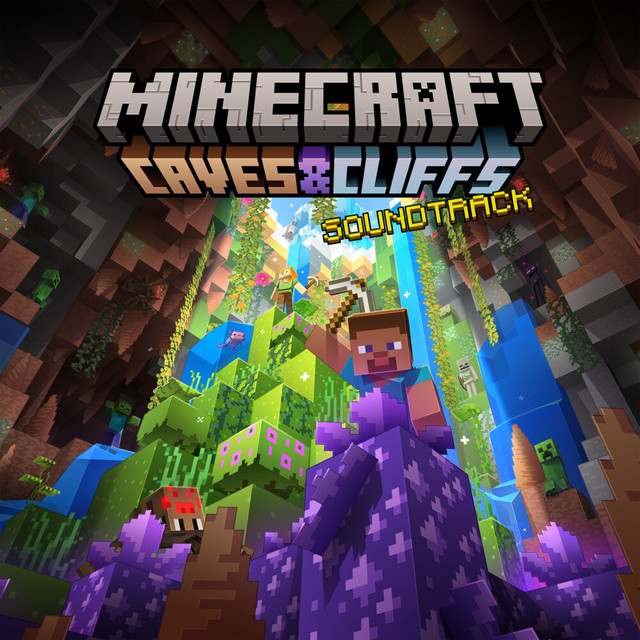
Minecraft: Caves & Cliffs (Original Game Soundtrack)
Coker, Gareth, Celldweller, Atlas Plug, Celldweller, Atlas Plug, Raine, Lena, M…
Spectra
Indie Game Soundtrack
Japanese Vgm
2020
4
/5
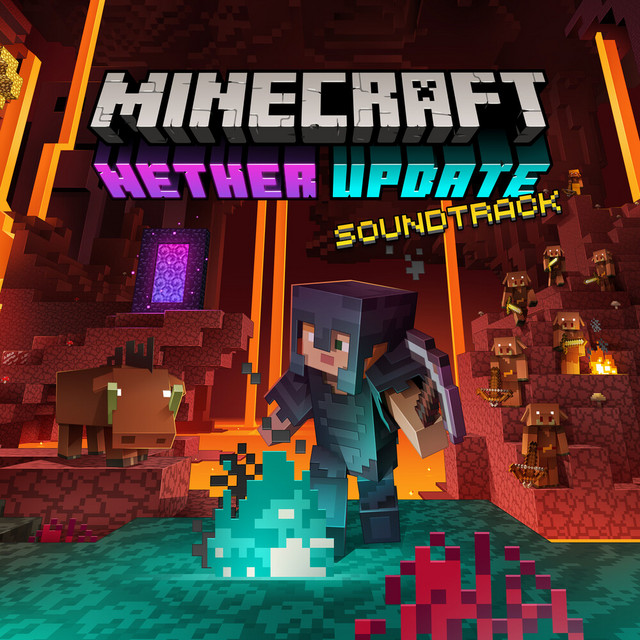
Minecraft: Nether Update (Original Game Soundtrack)
Coker, Gareth, Celldweller, Atlas Plug, Celldweller, Atlas Plug, Raine, Lena, M…
Spectra
Indie Game Soundtrack
2018
4
/5
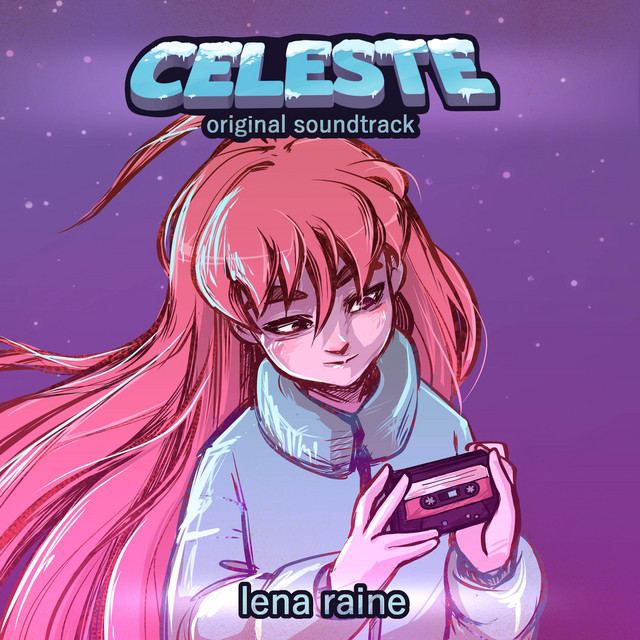
Celeste: Original Soundtrack
Raine, Lena, Raine, Lena, Various Artists, Raine, Lena, Kuraine, Raine, Lena, R…
Indie Game Soundtrack
Spectra
Similar artists
4
/5
Minecraft
Spectra
Indie Game Soundtrack
Digital Horror
1
/5
Various Artists
Afro-Funk
Alternative Rock
Ambient
4
/5
Toby Fox
Indie Game Soundtrack
Soundtrack
Video Game Music
5
/5
Stray Kids
K-Pop
K-Pop Boy Group
Pop
5
/5
League of Legends
Blues Rock
Chamber Pop
Modern Blues
4
/5
NewJeans
K-Pop Girl Group
K-Pop
Bass Trap
4
/5
i-dle
Chill Pop
Deep Big Room
Digital Horror
3
/5
Anamanaguchi
Chiptune
Bitpop
Nintendocore
3
/5
Nightmargin
Gamecore
Indie Game Soundtrack
Liminal Space
2
/5
Samuel Åberg
Spectra
Flint Sound
Indie Game Soundtrack
Download our mobile app
Get the Melodigging app and start digging for new genres on the go
Download on the App Store
Get it on Google Play
© 2026 Melodigging
Give feedback
Legal
Melodding was created as a tribute to
Every Noise at Once
, which inspired us to help curious minds keep digging into music's ever-evolving genres.