Genres
Artists
Albums
Make Music
Sign in
Sign in
Artists
Persian Folk Music
Artists
Persian Folk Music
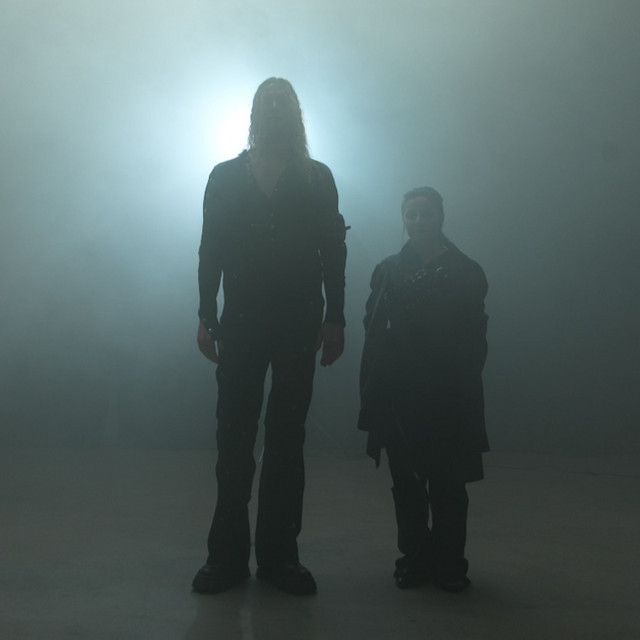
LABOUR
2020
·
1 album
Listen
1
/5
Genres
New Isolationism
New isolationism is a contemporary strain of isolationist ambient and post-industrial minimalism that emerged in the 2010s, particularly around Scandinavian experimental labels and studios. It foregrounds intimate, close-mic’d sound, negative space, and a quiet-but-present noise floor; its pieces feel both internal and architectural, like rooms built from reverb tails, tape hiss, and soft electronics. Sonically, the style blends glacial drones, fragile chamber timbres (strings, organ, piano), lo‑fi electronics, and field recordings into stark, slow-evolving tableaux. Melodic information is sparse—often only a few tones or gestures—while rhythm is either absent or reduced to distant pulses, heartbeats, or mechanical cycles. Vocals, when they appear, are murmured, diaristic, or abstracted by pitch and time manipulation. Aesthetically, new isolationism is post‑internet and diaristic: it captures solitude, memory, and dislocation with a palette that feels personal yet estranged, drawing as much from contemporary gallery sound practice as from classic dark ambient.
Discover
Listen
Persian Folk Music
Persian folk music refers to the diverse local song and dance traditions of Iran’s Persian‑speaking heartland and adjacent Iranian cultural regions, preserved mainly through oral transmission. It is strongly modal, uses microtonal inflections (koron and sori), and favors heterophonic textures where multiple instruments/voices ornament the same melody together. Typical forms are strophic songs, narrative ballads, dance tunes, lullabies, work songs, and spiritual/devotional pieces. Instrumentation varies by region but commonly includes voice with tahrir (ornamented melisma), long‑necked lutes (dotar, setar, tar, tanbur), bowed kamancheh, santur, ney, and regional winds (sorna/zirna, ney‑anban). Percussion such as daf, tombak, dohol, dayereh, and dammam underpins dance meters—especially 6/8—alongside additive meters like 5/8 and 7/8. While related to the courtly/classical dastgāh tradition, Persian folk repertories keep distinctive local maqams, rhythms, dialects, and poetic forms (from ghazal‑like love lyrics to epic and ritual texts), making them essential to Iran’s cultural identity.
Discover
Listen
Albums
2020
1
/5
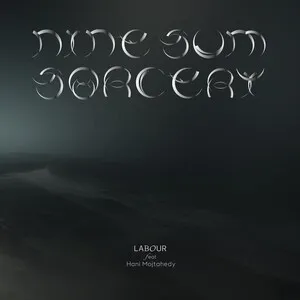
Nine-Sum Sorcery
LABOUR
Persian Folk Music
Similar artists
4
/5
Traditional
Gregorian Chant
Spanish Classical Music
Medieval Classical Music
2
/5
Azam Ali
World Fusion
Celtic
Classical
2
/5
Salar Aghili
Persian Folk Music
Sufi
Traditional Music
2
/5
Naghib Shanbehzadeh
Achomi Music
Bandari
Jazz
2
/5
Sima Bina
Persian Folk Music
2
/5
Loga Ramin Torkian
Sufi
Persian Folk Music
2
/5
Marjan Vahdat
Persian Classical
Persian Folk Music
Persian Music
2
/5
Ehsan Matoori
Persian Folk Music
1
/5
Axiom Of Choice
Persian Folk Music
Sufi
1
/5
Rostam Mirlashari
Qawwali
Sufi
Achomi Music
Download our mobile app
Get the Melodigging app and start digging for new genres on the go
Download on the App Store
Get it on Google Play
© 2026 Melodigging
Give feedback
Legal
Melodding was created as a tribute to
Every Noise at Once
, which inspired us to help curious minds keep digging into music's ever-evolving genres.