Genres
Artists
Albums
Make Music
Sign in
Sign in
Artists
Qawwali
Artists
Qawwali
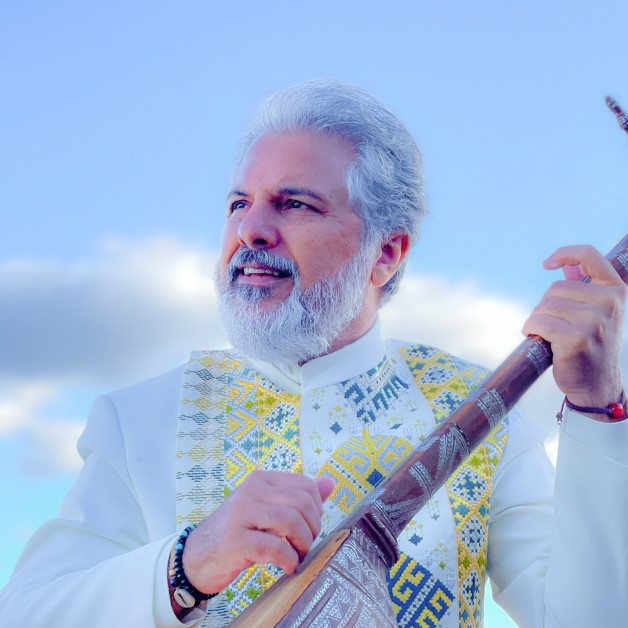
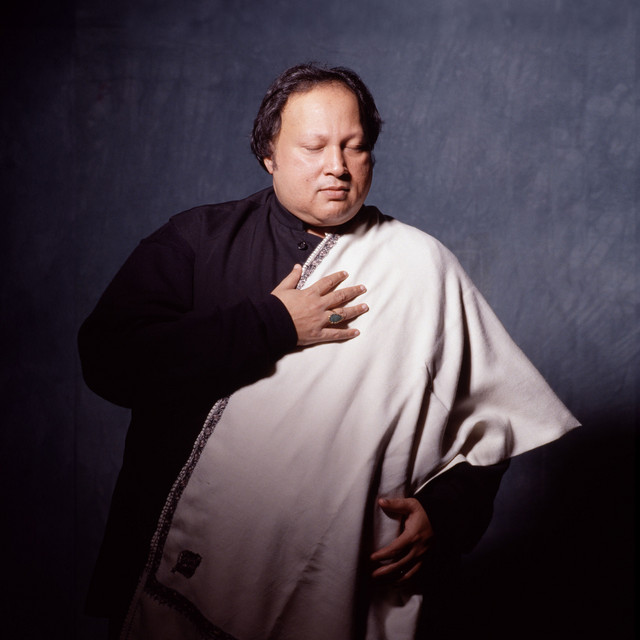
Rostam Mirlashari
2017–2022
·
2 albums
Listen
1
/5
Genres
Jazz
Jazz is an improvisation-centered music tradition that emerged from African American communities in the early 20th century. It blends blues feeling, ragtime syncopation, European harmonic practice, and brass band instrumentation into a flexible, conversational art. Defining features include swing rhythm (a triplet-based pulse), call-and-response phrasing, blue notes, and extended harmonies built on 7ths, 9ths, 11ths, and 13ths. Jazz is as much a way of making music—spontaneous interaction, variation, and personal sound—as it is a set of forms and tunes. Across its history, jazz has continually hybridized, from New Orleans ensembles and big-band swing to bebop, cool and hard bop, modal and free jazz, fusion, and contemporary cross-genre experiments. Its influence permeates global popular and art music.
Discover
Listen
Achomi Music
Achomi music is the traditional and contemporary music of the Achomi (Larestani/Ajami) people from southern Iran, especially the towns of Lar, Evaz, Gerash, Bastak, and Bandar Lengeh, with long-standing diasporic ties across the Persian Gulf (Bahrain, Kuwait, Qatar, the UAE, and Oman). It blends Persian modal aesthetics with coastal Bandari grooves and Gulf rhythmic sensibilities. Songs are commonly performed at weddings and community gatherings, featuring driving 6/8 rhythms, call-and-response refrains, and melismatic vocals. Lyrics are sung in the Achomi (Larestani) language—often alongside Persian—and incorporate Arabic loanwords due to maritime trade and migration. Typical instruments include dohol (bass drum), dayereh/daff (frame drum), tonbak (goblet drum), sorna or ney-jofti (double-reed), the coastal Iranian bagpipe ney-anbān, and, in modern settings, oud, violin, keyboard, and programmed percussion. Contemporary Achomi pop arrangements retain the dance-forward pulse while introducing accessible melodies and simple harmonies for festive settings.
Discover
Listen
Balochi Music
Balochi music is the traditional and contemporary music of the Baloch people, spread across Pakistan’s Balochistan, southeastern Iran, and southwestern Afghanistan. It blends epic storytelling and devotional poetry with distinctive regional rhythms and modal melodies related to Persian and Gulf traditions. Its signature timbres come from the benju (a keyed zither often called the “Balochi banjo”), the bowed suroz/sorud, and the long‑necked lute tamburag, supported by hand percussion like dholak and dammam and accented with clapping patterns. Vocals are typically melismatic, with free‑flowing ornamentation and microtonal inflections. Repertoire ranges from heroic ballads and love epics to wedding songs and trance‑like coastal dances (e.g., lewa/laywa). Modern artists increasingly fuse these elements with pop, rock, and hip hop production, bringing the Balochi language and aesthetics into global “world fusion” contexts.
Discover
Listen
Bandari
Bandari is a lively, dance-oriented popular/folk style from the southern coasts of Iran along the Persian Gulf. Its hallmark is a driving 6/8 (bandari) groove, accented handclaps, and exuberant call-and-response vocals. The sound is shaped by centuries of maritime exchange between southern Iran, the Arabian Peninsula, and East Africa. Traditional instruments such as ney-anban (Iranian bagpipe), ney-jofti (double reed pipe), sorna (shawm), and a family of frame and barrel drums (dammam, dohol, tombak, kesser) sit comfortably alongside electric bass, keyboards, and drum kits in modern arrangements. Melodically, Bandari navigates between Persian dastgāh aesthetics and Arabic maqām flavors (often Bayātī and Ḥijāz), yielding festive, modal tunes designed for weddings and communal celebrations. Today, Bandari exists both as a rooted regional music and as a broad dance-pop sensibility within Persian popular music, where its signature 6/8 swing powers countless party anthems.
Discover
Listen
Persian Folk Music
Persian folk music refers to the diverse local song and dance traditions of Iran’s Persian‑speaking heartland and adjacent Iranian cultural regions, preserved mainly through oral transmission. It is strongly modal, uses microtonal inflections (koron and sori), and favors heterophonic textures where multiple instruments/voices ornament the same melody together. Typical forms are strophic songs, narrative ballads, dance tunes, lullabies, work songs, and spiritual/devotional pieces. Instrumentation varies by region but commonly includes voice with tahrir (ornamented melisma), long‑necked lutes (dotar, setar, tar, tanbur), bowed kamancheh, santur, ney, and regional winds (sorna/zirna, ney‑anban). Percussion such as daf, tombak, dohol, dayereh, and dammam underpins dance meters—especially 6/8—alongside additive meters like 5/8 and 7/8. While related to the courtly/classical dastgāh tradition, Persian folk repertories keep distinctive local maqams, rhythms, dialects, and poetic forms (from ghazal‑like love lyrics to epic and ritual texts), making them essential to Iran’s cultural identity.
Discover
Listen
Qawwali
Qawwali is a Sufi devotional vocal music from the Indian subcontinent that aims to evoke spiritual ecstasy and communal devotion. It is typically performed by a lead singer (qawwal) with a small ensemble of accompanying vocalists, harmoniums, handclaps, and percussion such as dholak and tabla. Musically, Qawwali blends raga-based melodic frameworks and flexible, improvisatory singing with driving rhythms and responsorial choruses. Texts are drawn from Urdu, Persian, Punjabi, and other North Indian languages, and include ghazals, kafis, hamds (praise of God), naats (praise of the Prophet), and manqabats (praise of Sufi saints). Performances traditionally take place at Sufi shrines (dargahs), where repetition, call-and-response, and gradual intensification lead listeners toward wajd (states of spiritual ecstasy). In the modern era, Qawwali is also heard on concert stages, recordings, and film.
Discover
Listen
Sufi
Sufi is a devotional musical tradition rooted in Islamic mysticism that seeks to induce remembrance of the Divine (dhikr) and transport performers and listeners toward spiritual ecstasy (wajd). It is not a single uniform style, but a family of practices that vary across regions—most notably Persian/Iranian, Anatolian/Turkish (Mevlevi), Arab, and South Asian (qawwali, kafi). Musically, Sufi repertoire tends to revolve around repetitive, mantra-like refrains, call-and-response between lead and chorus, and gradual intensification over cyclical rhythms. Melodic language draws from regional modal systems such as the Persian dastgāh, Ottoman/Turkish makam, and South Asian raga, and is often supported by drones. Texts are central: poetry by mystic masters like Rumi, Hafez, Bullhe Shah, and Amir Khusrau is sung in Persian, Urdu, Punjabi, Arabic, Turkish, and other languages. Instrumentation varies by locale—harmonium, tabla/dholak, tanpura, and clapping in South Asia; ney, kudüm, bendir, and tanbur in Turkey; oud and frame drums across the Arab world—yet the unifying aim is spiritual uplift and inner transformation.
Discover
Listen
Show all 7 genres
Albums
2022
2
/5
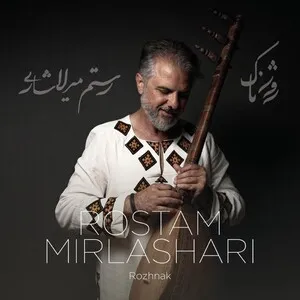
Rozhnak
Rostam Mirlashari
Balochi Music
2017
2
/5
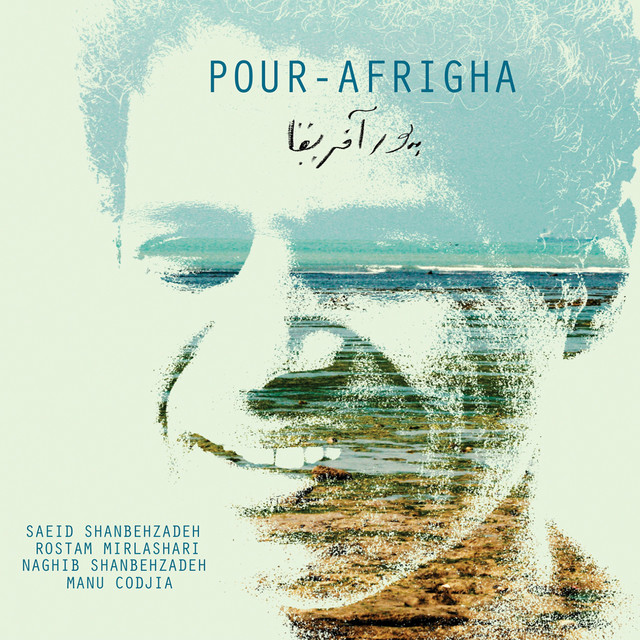
پور آفریقا (Pour-Afrigha)
Saeid Shanbehzadeh / Rostam Mirlashari / Naghib Shanbehzadeh / Manu Codjia
Achomi Music
Bandari
Persian Folk Music
Similar artists
5
/5
Pritam
Bollywood
Filmi
Pop
2
/5
Naghib Shanbehzadeh
Achomi Music
Bandari
Jazz
1
/5
Saeid Shanbehzadeh
Achomi Music
Bandari
Persian Folk Music
5
/5
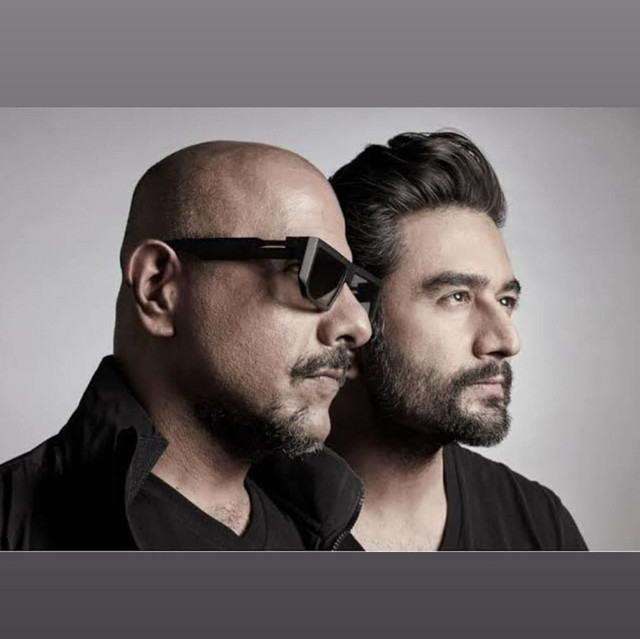
Vishal-Shekhar
Bollywood
Filmi
Pop
5
/5
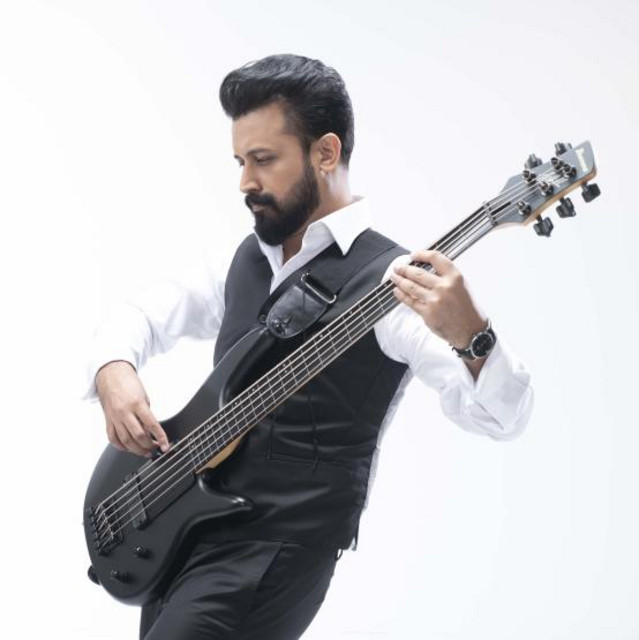
Atif Aslam
Qawwali
Sufi
Bollywood
5
/5
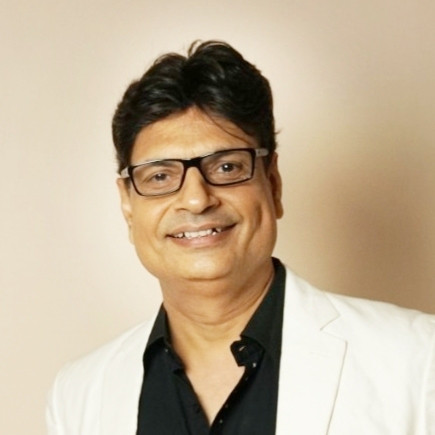
Irshad Kamil
Bollywood
Filmi
Pop
5
/5
Mithoon
Bollywood
Modern Bollywood
Filmi
4
/5
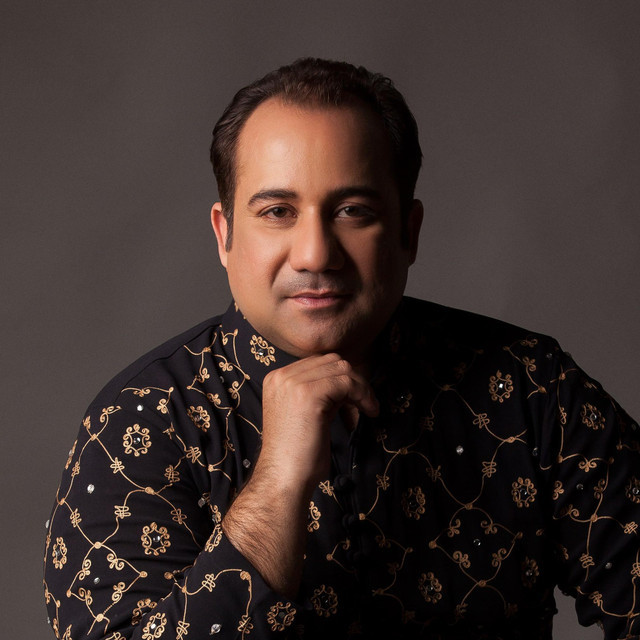
Rahat Fateh Ali Khan
Ghazal
Qawwali
Sufi
4
/5
Nusrat Fateh Ali Khan
Qawwali
World
Sufi
4
/5
Javed Ali
Bollywood
Desi
Desi Pop
Download our mobile app
Get the Melodigging app and start digging for new genres on the go
Download on the App Store
Get it on Google Play
© 2026 Melodigging
Give feedback
Legal
Melodding was created as a tribute to
Every Noise at Once
, which inspired us to help curious minds keep digging into music's ever-evolving genres.