Genres
Artists
Albums
Make Music
Sign in
Sign in
Artists
Jazz
Artists
Jazz
Kaiser, Henry
2005
·
2 albums
Listen
Genres
Austronesian Music
Austronesian music is an umbrella term for the diverse musical traditions of Austronesian-speaking peoples, whose homelands stretch from Taiwan through Island Southeast Asia to Oceania and Madagascar. Across this vast region, common threads recur: strong communal vocal practices (call-and-response, responsorial choruses, and polyphonic or heterophonic textures), cyclic and interlocking rhythms, and an emphasis on idiophones and membranophones such as slit drums, gong-chime ensembles (e.g., gamelan and kulintang), and bamboo percussion. Melodies often favor anhemitonic pentatonic scales, limited ranges, and formulaic, chant-like contours, while dance and music are tightly integrated in ritual and social life (e.g., hula, siva, haka, and fatele). Local instrumentation and style vary widely—ukulele, slack-key guitar, and himene tarava in Polynesia; gong-row ensembles, kotekan interlocking, and metallophones in Indonesia; kulintang suites in the southern Philippines; nose flutes and bamboo zithers across the region; and valiha (tube zither) in Madagascar—yet they share maritime, oral-poetic, and communal aesthetics shaped by millennia of seafaring and exchange.
Discover
Listen
Ambient
Ambient is a form of electronic and electroacoustic music that prioritizes tone, atmosphere, and texture over conventional song structures and rhythmic drive. It typically features slow-moving harmonies, sustained drones, gentle timbral shifts, and extensive use of space and silence. Rather than drawing attention to itself through hooks or beats, ambient is designed to be as ignorable as it is interesting, rewarding both background listening and focused immersion. Artists often employ synthesizers, samplers, tape loops, field recordings, and subtle acoustic instruments, with reverb and delay creating a sense of place. Substyles range from luminous, consonant soundscapes to darker, more dissonant atmospheres.
Discover
Listen
Art Rock
Art rock is a branch of rock music that treats the studio and the album as spaces for artistic experimentation, emphasizing conceptual ideas, ambitious arrangements, and cross-pollination with modernist and avant-garde traditions. It typically favors extended song forms, thematic or conceptual unity, and non-standard instrumentation (strings, woodwinds, synthesizers) alongside rock’s core band setup. Lyrically, it leans toward literary, surreal, or philosophical subjects and often adopts theatrical presentation. Where mainstream rock centers on immediacy and hooks, art rock embraces risk: unusual time signatures, timbral exploration, complex harmony, tape and electronic manipulation, and interludes that draw from classical, jazz, minimalism, and experimental music.
Discover
Listen
Experimental Rock
Experimental rock is a broad, exploratory branch of rock music that prioritizes innovation over convention. It stretches rock’s core instrumentation and song forms through unusual timbres, extended techniques, nonstandard tunings, chance procedures, and studio-as-instrument production. Drawing on avant-garde composition, free jazz, minimalism, and electronic/tape music, experimental rock often rejects verse–chorus structures in favor of drones, suites, collage, and improvisation. It embraces dissonance and noise as expressive tools, employs odd or fluid meters, and incorporates non-rock instruments, found sounds, and unconventional recording methods. The result is a lineage of music that treats rock not as a fixed style but as a laboratory for new sound worlds.
Discover
Listen
Free Improvisation
Free improvisation is a practice of spontaneous music-making that avoids fixed idioms, stylistic templates, and pre-agreed structures. Musicians prioritize listening, interaction, and the exploration of sound itself—timbre, texture, dynamics, and silence—over conventional melody, harmony, or pulse. Guitarist Derek Bailey popularized the notion of "non-idiomatic improvisation," describing a music that deliberately resists falling into recognizable genre habits. While often overlapping with free jazz and contemporary classical experimentalism, free improvisation is not confined to either. It welcomes any instrument or sound source—acoustic, electronic, or everyday objects—and frequently uses extended techniques, feedback, and unconventional performance gestures. Performances can range from whisper-quiet, pointillistic interplay to ferocious, high-energy noise, with the ensemble shaping form in real time through attention and constraint.
Discover
Listen
Jazz Rock
Jazz rock is a hybrid style that merges the improvisational language and harmonic richness of jazz with the amplified energy, backbeat, and song forms of rock. It typically features electric guitar, bass, and drums alongside jazz-oriented instruments such as saxophone, trumpet, and keyboards, often arranged in horn sections. Extended chords, syncopation, and improvisation coexist with catchy riffs and driving grooves, yielding music that is both virtuosic and accessible. While closely related to jazz fusion, jazz rock generally keeps a stronger tie to rock songcraft and backbeat-centered rhythms.
Discover
Listen
Jazz
Jazz is an improvisation-centered music tradition that emerged from African American communities in the early 20th century. It blends blues feeling, ragtime syncopation, European harmonic practice, and brass band instrumentation into a flexible, conversational art. Defining features include swing rhythm (a triplet-based pulse), call-and-response phrasing, blue notes, and extended harmonies built on 7ths, 9ths, 11ths, and 13ths. Jazz is as much a way of making music—spontaneous interaction, variation, and personal sound—as it is a set of forms and tunes. Across its history, jazz has continually hybridized, from New Orleans ensembles and big-band swing to bebop, cool and hard bop, modal and free jazz, fusion, and contemporary cross-genre experiments. Its influence permeates global popular and art music.
Discover
Listen
Electronic
Electronic is a broad umbrella genre defined by the primary use of electronically generated or electronically processed sound. It encompasses music made with synthesizers, drum machines, samplers, computers, and studio/tape techniques, as well as electroacoustic manipulation of recorded or synthetic sources. The genre ranges from academic and experimental traditions to popular and dance-oriented forms. While its sonic palette is rooted in electricity and circuitry, its aesthetics span minimal and textural explorations, structured song forms, and beat-driven club permutations. Electronic emphasizes sound design, timbre, and studio-as-instrument practices as much as melody and harmony.
Discover
Listen
Malagasy Music
Malagasy music refers to the extraordinarily diverse musical traditions of Madagascar, shaped by the island’s unique position between Africa and the Austronesian world. Its sound blends Indonesian-derived zithers and tunings with African polyrhythms, call-and-response vocals, and, later, European harmony and song forms. Core instruments include the valiha (bamboo tube zither), marovany (box zither), kabosy (box guitar-lute), lokanga (fiddle), sodina (end-blown flute), and a range of drums such as the hazolahy. In the 20th century, guitar, accordion, and electric bands became common, powering high-energy dance styles like salegy and tsapiky alongside older courtly and theatrical traditions such as hiragasy. Across regions, styles vary widely: Merina highland repertoires favor intricate zithers and multipart singing; the northwest and coastal cities champion fast, rolling 6/8 grooves; the southwest features trance-like guitar ostinatos and communal choruses. The result is a living continuum that moves from intimate, harp-like textures to exuberant, electrified dance music.
Discover
Listen
Norwegian Folk Music
Norwegian folk music is a regional tradition centered on the Hardanger fiddle (Hardingfele), kveding (traditional solo song), and a family of couple- and solo-dances such as springar, gangar, halling, and pols. It uses modal melodies (often Dorian and Mixolydian), drones, and distinctive asymmetric triple meters in which the three beats are of unequal length. Characteristic instruments include the Hardanger fiddle with sympathetic strings and scordatura tunings, standard fiddle, langeleik (zither), seljefløyte (willow flute), wooden lur, bukkehorn (goat horn), munnharpe (jaw harp), and later accordion. Vocal genres range from short, epigrammatic stev to medieval ballads and free, ornamented kveding styles. Ornamentation, double-stops, drones, and dance-driven bowing patterns are core to the sound. The repertoire is organized into slåtter (tunes) linked to particular dances and regions, carrying strong local identities (bygdedans). While deeply rooted in rural tradition, it has continually evolved through collectors, revivals, and collaborations with jazz, classical, and contemporary folk scenes.
Discover
Listen
Malagasy Folk Music
Malagasy folk music is the traditional music of Madagascar, shaped by the island’s Austronesian roots and centuries of contact with mainland Africa and the Indian Ocean world. It is characterized by distinctive plucked zithers (valiha and marovany), small box-lutes (kabosy), end-blown flutes (sodina), three-string fiddles (lokanga), frame and barrel drums, handclaps, and rich vocal traditions ranging from communal dance songs to funerary laments. Regional styles are highly diverse: the Highland vakodrazana/hira gasy ensembles emphasize interlocking zither ostinatos and choral call-and-response; coastal Sakalava and Betsimisaraka areas favor propulsive dance grooves that later fed into salegy; the southwest’s tsapiky and the south’s beko feature contrasting fast dance music and deep, modal vocal laments. Melodically, Highland repertoires often use anhemitonic pentatonic and modal scales reminiscent of Southeast Asia, while coastal repertoires reflect African rhythmic drive and, in some areas, Swahili/Arab melodic coloration. The result is a uniquely Malagasy sound—nimble, shimmering, and highly rhythmic, yet capable of great emotional depth.
Discover
Listen
Show all 11 genres
Albums
2005
1
/5
The Sweet Sunny North
Henry Kaiser & David Lindley
Norwegian Folk Music
2005
1
/5
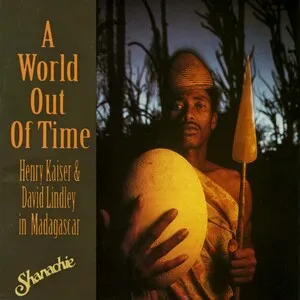
A World Out of Time
Henry Kaiser & David Lindley
Malagasy Folk Music
Malagasy Music
Austronesian Music
Similar artists
Lindley, David
Ambient
Austronesian Music
Electronic
3
/5
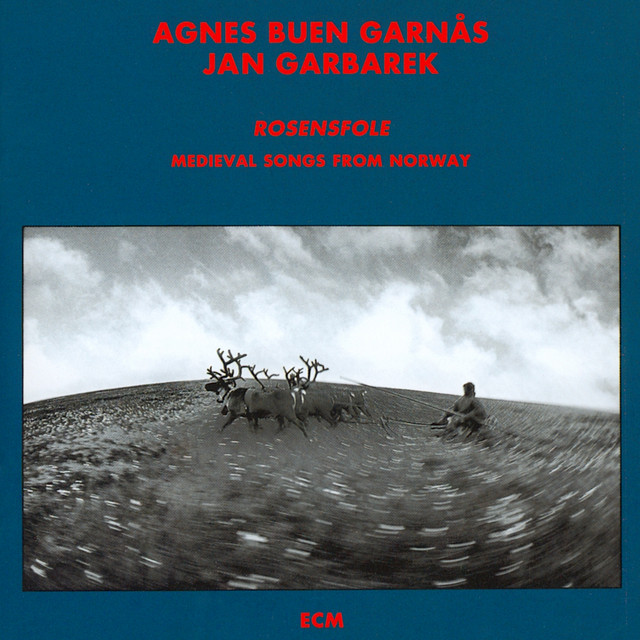
Jan Garbarek
Jazz
Jazz Fusion
Medieval Classical Music
4
/5
Traditional
Gregorian Chant
Spanish Classical Music
Medieval Classical Music
1
/5
Agnes Buen Garnås
Norwegian Folk Music
Ambient
Electronic
5
/5
Hans Zimmer
Country Dawn
Soundtrack
Classical
3
/5
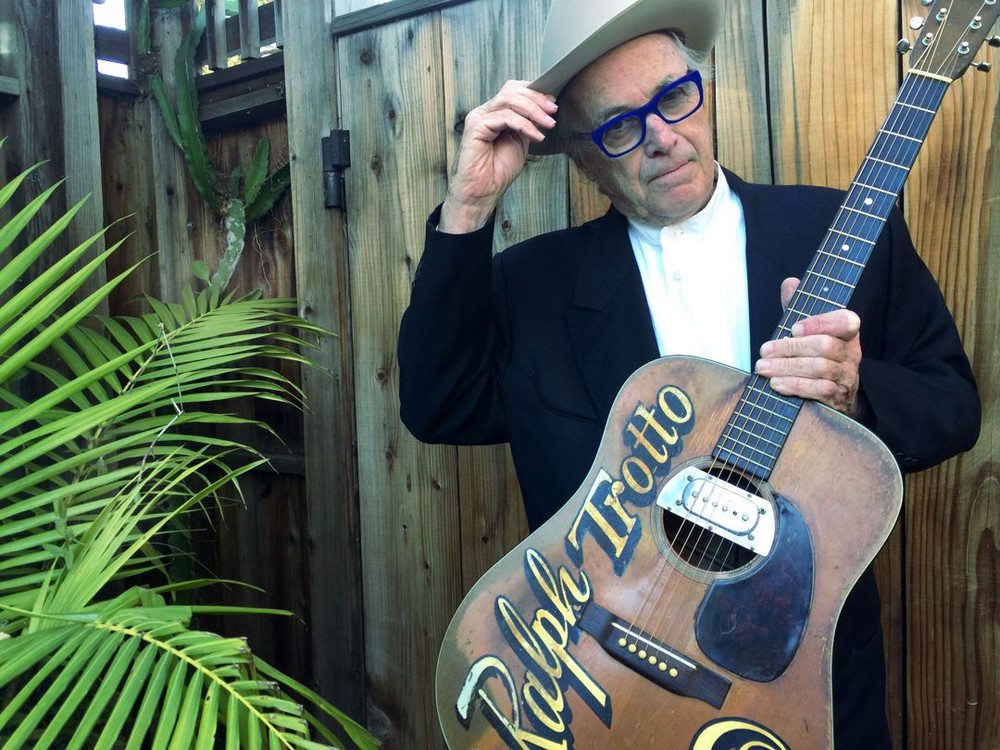
Ry Cooder
Piedmont Blues
Blues
Jazz
3
/5
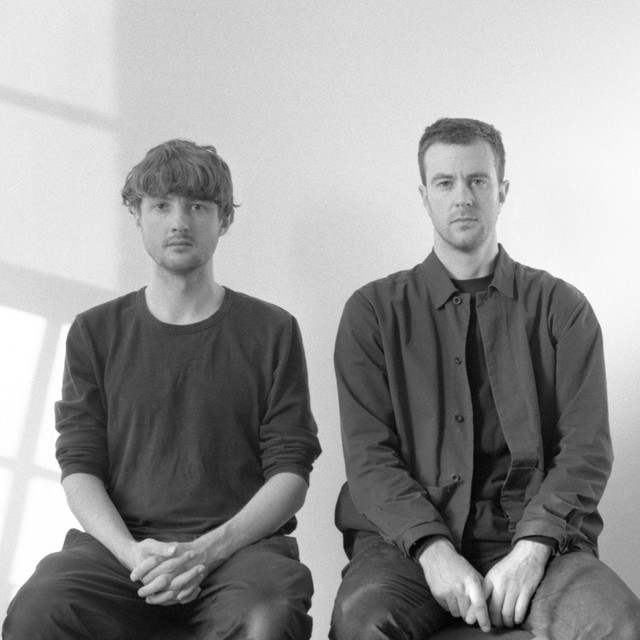
Portico Quartet
Contemporary Jazz
Nu Jazz
Jazz
3
/5
Trigg & Gusset
Dark Jazz
Jazz
Electronic
2
/5
Mari Boine
Joik
Jazz
Nordic Folk Music
2
/5
Jon Hassell
Tennessee Experimental
Ambient
Tribal Ambient
Download our mobile app
Get the Melodigging app and start digging for new genres on the go
Download on the App Store
Get it on Google Play
© 2026 Melodigging
Give feedback
Legal
Melodding was created as a tribute to
Every Noise at Once
, which inspired us to help curious minds keep digging into music's ever-evolving genres.