Genres
Artists
Albums
Make Music
Sign in
Sign in
Artists
Neoclassicism
Artists
Neoclassicism
Kai Engel
Listen
3
/5
Genres
Background Piano
Background piano is a contemporary, minimalist piano style designed to sit comfortably behind other activities such as reading, study, work, or meditation. The pieces are short, spacious, and consonant, prioritizing mood and texture over virtuosic display. Typical tracks feature soft dynamics (often with felted or muted pianos), slow tempos, gentle ostinatos, and simple diatonic harmonies colored by added 2nds or 9ths. Subtle ambience—room tone, reverb, light tape hiss—blurs edges and enhances a sense of stillness. It is music that rewards close listening yet never demands it, aligning with the ambient principle of being “as ignorable as it is interesting.”
Discover
Listen
Focus Trance
Focus trance is a modern, low‑drama branch of trance tailored for concentration, study, coding, and deep work. It borrows trance’s hypnotic pulse and long-form structure, but softens the edges: fewer big drops, restrained builds, minimal vocals, and a narrow dynamic range that lets listeners sink into a steady flow state. Sonically, it tends to sit between ambient trance and progressive trance: warm pads, subtly modulated arps, muted kicks and basslines that groove without dominating, and gently evolving textures. Most tracks avoid abrupt transitions, extreme high‑frequency content, or dense mid‑range clutter, making them ideal as a musical backdrop that sustains attention over long sessions.
Discover
Listen
Contemporary Classical
Contemporary classical is the broad field of Western art music created after World War II. It embraces an array of aesthetics—from serialism and indeterminacy to minimalism, spectralism, electroacoustic practices, and post‑tonal lyricism—while retaining a concern for notated composition and timbral innovation. Unlike the unified styles of earlier eras, contemporary classical is pluralistic. Composers freely mix acoustic and electronic sound, expand instrumental techniques, adopt non‑Western tuning and rhythm, and explore new forms, from process-based structures to open and graphic scores. The result is a music that can be rigorously complex or radically simple, technologically experimental or intimately acoustic, yet consistently focused on extending how musical time, timbre, and form can be shaped.
Discover
Listen
Neoclassicism
Neoclassicism in music is a 20th‑century movement that revived forms, genres, and aesthetics from the Baroque and Classical eras, but reframed them with modern harmony, rhythm, and orchestration. It emphasizes clarity, balance, objectivity, and contrapuntal craft, often rejecting late‑Romantic excess while retaining a tonal or modal center enriched by dissonance, bitonality, and crisp rhythmic drive. Typical hallmarks include neobaroque dance suites, neoclassical sonatas and concerti, chamber‑oriented scoring, clean textures, and a dry, anti‑rhetorical performance style.
Discover
Listen
Electronic
Electronic is a broad umbrella genre defined by the primary use of electronically generated or electronically processed sound. It encompasses music made with synthesizers, drum machines, samplers, computers, and studio/tape techniques, as well as electroacoustic manipulation of recorded or synthetic sources. The genre ranges from academic and experimental traditions to popular and dance-oriented forms. While its sonic palette is rooted in electricity and circuitry, its aesthetics span minimal and textural explorations, structured song forms, and beat-driven club permutations. Electronic emphasizes sound design, timbre, and studio-as-instrument practices as much as melody and harmony.
Discover
Listen
Instrumental
Instrumental is music created and performed without sung lyrics, placing the expressive weight on melody, rhythm, harmony, and timbre produced by instruments. As an umbrella practice it appears in many cultures, but its modern identity cohered in Baroque-era Europe when purely instrumental forms such as the sonata, concerto, and dance suites began to flourish. Since then, instrumental thinking—developing motives, structuring form without text, and showcasing timbral contrast—has informed everything from orchestral music and solo piano repertoire to post-rock, film scores, and beat-driven electronic styles. Instrumental works can be intimate (solo or chamber) or expansive (full orchestra), narrative (programmatic) or abstract (absolute music). The absence of lyrics invites listeners to project imagery and emotion, making the style a natural fit for cinema, games, and contemplative listening.
Discover
Listen
Organic Ambient
Organic ambient is a name found on Every Noise at Once, a map of genres identified by Spotify, and in the playlist “The Sound of Organic Ambient” from The Sounds of Spotify; little has been written about it. The music is often instrumental and drumless, built from sustained synthesizer pads, slow chord changes and deep drones. Rather than following a strong beat, it tends to drift, with occasional arpeggiated or bell-like tones adding movement. Some tracks blend the electronic textures with environmental sounds, including water and wind. Wide stereo mixes, generous reverb and occasional delay give the music a spacious, enveloping quality. The prevailing mood is serene, meditative and dreamy, sometimes with a touch of melancholy. Its artists are also associated with ambient, drone and space music: styles that favor sustained tones, gradual changes and atmosphere over conventional song structures. Many titles evoke landscapes, dreams, memory or outer space, as in “Evening Mist,” “Drawing You from Memory” and “Passing Through Dust Clouds.” The playlist tracks range from 2010 to 2024, while linked albums include releases from 2025 and 2026.
Discover
Listen
Show all 7 genres
Similar artists
4
/5
Ludovico Einaudi
Classical
Contemporary Classical
Compositional Ambient
4
/5
Nils Frahm
Minimalism
Contemporary Classical
Modern Classical
3
/5
Hildur Guðnadóttir
Icelandic Experimental
Modern Cello
Classical
4
/5
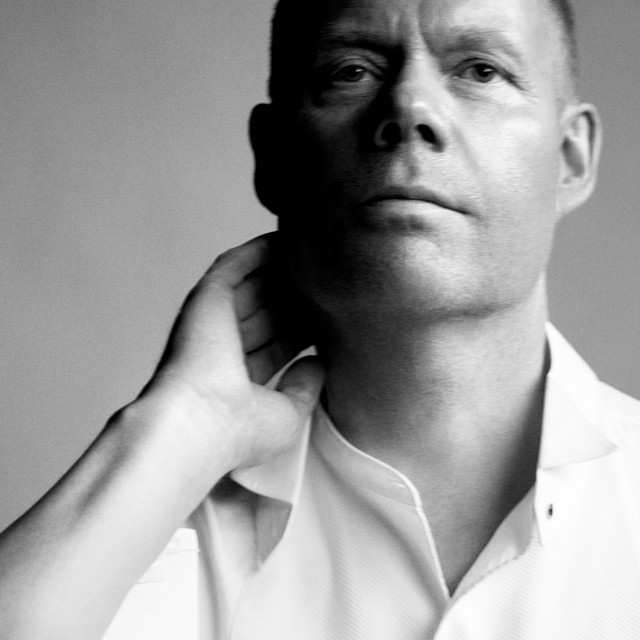
Max Richter
Post-Minimalism
Classical
Contemporary Classical
4
/5
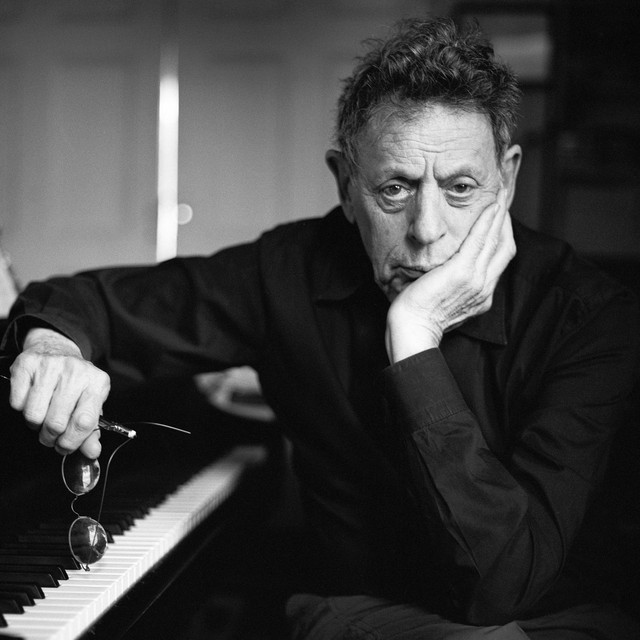
Philip Glass
Classical
Minimalism
Modern Classical
4
/5
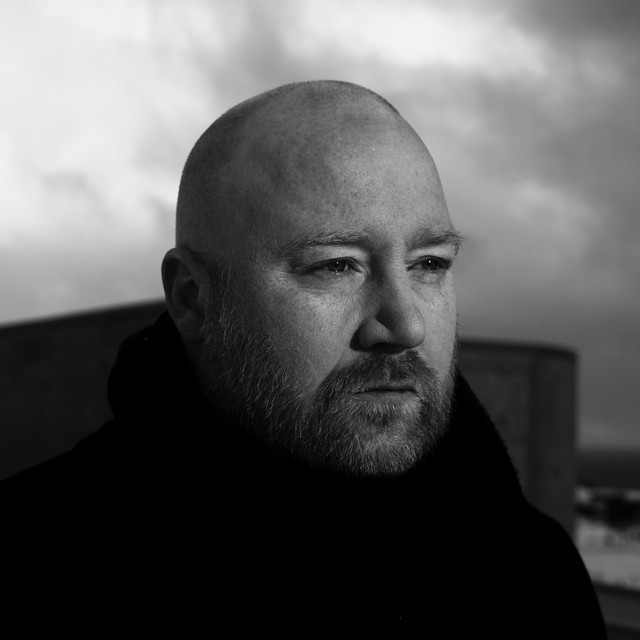
Jóhann Jóhannsson
Contemporary Classical
Minimalism
Score
4
/5
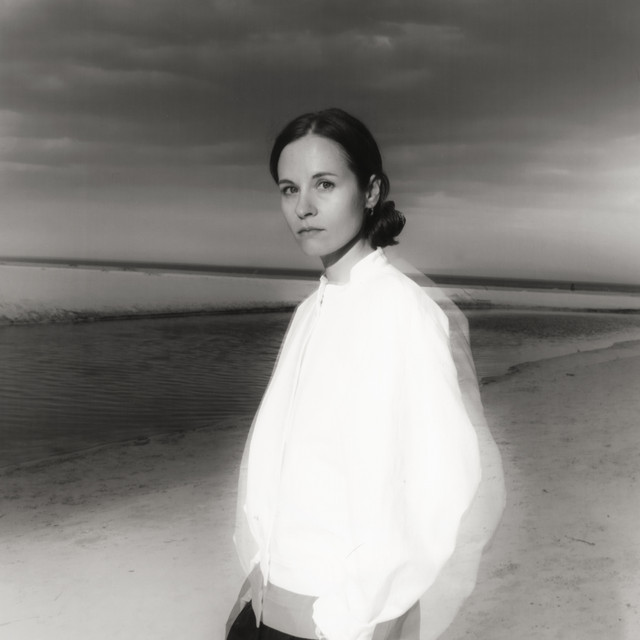
Hania Rani
Contemporary Classical
Minimalism
Neo-Classical
3
/5
John Metcalfe
Contemporary Classical
Neoclassicism
Alternative Rock
3
/5
Peter Gregson
Modern Cello
Classical
Contemporary Classical
3
/5
Roberto Cacciapaglia
Contemporary Classical
Compositional Ambient
Neoclassicism
Download our mobile app
Get the Melodigging app and start digging for new genres on the go
Download on the App Store
Get it on Google Play
© 2026 Melodigging
Give feedback
Legal
Melodding was created as a tribute to
Every Noise at Once
, which inspired us to help curious minds keep digging into music's ever-evolving genres.