Genres
Artists
Albums
Make Music
Sign in
Sign in
Artists
Contemporary Classical
Artists
Contemporary Classical
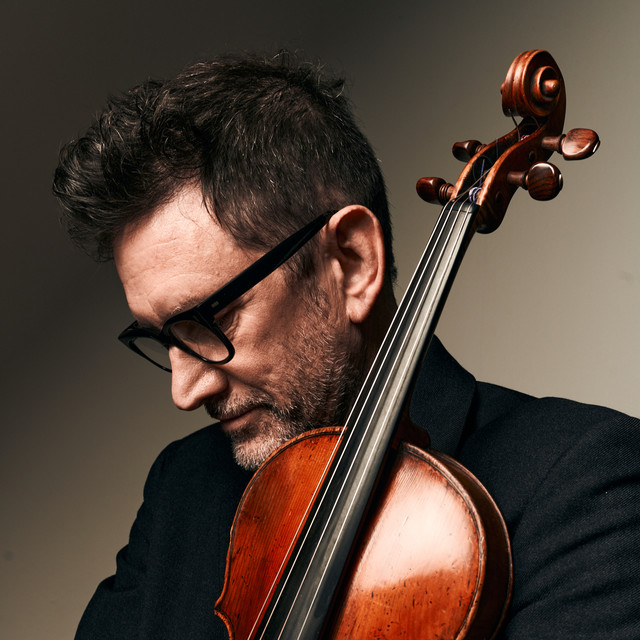
John Metcalfe
Listen
3
/5
Genres
Bérite Club
Bérite club is a Paris-born strain of hybrid club music that emerged in the late 2010s. It fuses UK soundsystem energy (grime, UK funky, bass) with Afro-diasporic and Latin rhythms (dembow/reggaeton, dancehall, gqom) and the textural experimentation of deconstructed club. The style favors elastic, sub-heavy low-end, off-kilter percussion, chopped vocal shards, and rapid switch‑ups. Producers often juxtapose stark, industrial hits with trancey pads or glossy rave stabs, keeping arrangements DJ‑functional yet unpredictable. Tempos typically range from 95–140 BPM, oscillating between halftime dembow lurch and propulsive UK‑funky or techno momentum.
Discover
Listen
Christmas Product
“Christmas product” is a meta‑category of holiday recordings designed primarily as functional, keyword‑optimized music products rather than as artist‑driven albums. These releases are typically studio or library sessions that package public‑domain carols and well‑known seasonal standards in accessible styles, often under generic ensemble names, for use in playlists, in‑store ambience, television bumpers, ads, and low‑cost compilations. Sonically, the style leans on bright, welcoming arrangements (strings, choir pads, sleigh bells, glockenspiel, light rhythm sections) and familiar melodic treatments that evoke classic Christmas sentimentality. Tracks are usually mastered for consistency and utility (clean intros, sting endings, tidy cut‑downs), enabling seamless placement across media and streaming contexts.
Discover
Listen
Pop Urbaine
Pop urbaine is a French mainstream pop style that blends contemporary R&B, hip hop, Afrobeats, dancehall, zouk, raï, and reggaeton with chart‑friendly songwriting. It emphasizes melodic hooks, mid‑tempo grooves, and sleek vocal production (often with Auto‑Tune) while foregrounding everyday, romantic, and nightlife themes in colloquial French. Rhythmically it favors syncopated Afro‑Caribbean patterns, sparse but bouncy 808 drums, and light guitar or synth plucks, creating a buoyant, danceable feel without the aggressiveness of club music. Vocals typically alternate between sung refrains and rap‑influenced verses, with catchy refrains designed for streaming and social media virality. The genre became a defining sound of French popular culture in the late 2010s, driven by a new generation of Francophone artists with diasporic roots who globalized French pop while keeping its language and local slang at the center.
Discover
Listen
Indie Triste
Indie triste ("sad indie") is a Spanish‑language micro‑scene of indie pop/folk that foregrounds intimate, melancholic songwriting and understated, bedroom‑made production. Its core sound blends soft acoustic guitars, gently pulsing rhythms, close‑mic’d vocals, and lo‑fi textures, often wrapped in reverb and tape‑like warmth. Thematically, the songs dwell on heartache, small‑town longing, fleeting youth, and late‑night introspection. While rooted in indie folk and singer‑songwriter traditions, the style embraces contemporary bedroom pop aesthetics and dream‑pop atmospheres, prioritizing mood and storytelling over virtuoso display.
Discover
Listen
New Isolationism
New isolationism is a contemporary strain of isolationist ambient and post-industrial minimalism that emerged in the 2010s, particularly around Scandinavian experimental labels and studios. It foregrounds intimate, close-mic’d sound, negative space, and a quiet-but-present noise floor; its pieces feel both internal and architectural, like rooms built from reverb tails, tape hiss, and soft electronics. Sonically, the style blends glacial drones, fragile chamber timbres (strings, organ, piano), lo‑fi electronics, and field recordings into stark, slow-evolving tableaux. Melodic information is sparse—often only a few tones or gestures—while rhythm is either absent or reduced to distant pulses, heartbeats, or mechanical cycles. Vocals, when they appear, are murmured, diaristic, or abstracted by pitch and time manipulation. Aesthetically, new isolationism is post‑internet and diaristic: it captures solitude, memory, and dislocation with a palette that feels personal yet estranged, drawing as much from contemporary gallery sound practice as from classic dark ambient.
Discover
Listen
Alternative Rock
Alternative rock is a broad umbrella for guitar-based rock that emerged from the independent and college-radio scenes as a counterpoint to mainstream, commercial rock. It blends the energy and ethos of punk with the textural and songwriting experiments of post-punk, new wave, jangle pop, and noise rock, often foregrounding introspective or socially aware lyrics. Across its many strains—from the melodic minimalism of college rock to the loud-quiet-loud dynamics of grunge and the artful experimentation of Radiohead-era modernism—alternative rock prioritizes authenticity, sonic individuality, and a do-it-yourself approach. Its sound ranges from chiming, chorus-laden clean guitars to abrasive distortion and feedback, supported by straightforward rock rhythms or off-kilter grooves, and production that can be either raw and live-sounding or polished yet unconventional.
Discover
Listen
Club
Club is an umbrella style of mainstream dance music crafted primarily for nightclub sound systems and DJ-centric environments. It emphasizes steady four-on-the-floor rhythms, prominent basslines, repetitive hooks, and builds/drops designed to energize a dance floor. While it borrows from house, techno, disco, italo-disco, freestyle, and electro, Club prioritizes immediacy and crowd response over subcultural purity. Tracks are arranged for mixing, extended grooves, and vocal refrains that translate well to peak-time moments. In radio or chart contexts, "club" often denotes dance-forward pop or DJ-led productions tailored for mass club play.
Discover
Listen
Indie Rock
Indie rock is a subgenre of rock and a branch of alternative rock that coalesced in the early–mid 1980s around independent labels and DIY practices in the United Kingdom, the United States, and New Zealand. Defined less by a single sound than by an ethos, indie rock favors non‑mainstream approaches, self‑recording and small‑label distribution, and an interest in pop‑informed melody and eclectic experimentation. Hallmarks include jangly or fuzzed guitars, intimate or deadpan vocals, off‑kilter song structures, and production that often preserves a raw, “authentic” feel rather than glossy studio polish.
Discover
Listen
Contemporary Classical
Contemporary classical is the broad field of Western art music created after World War II. It embraces an array of aesthetics—from serialism and indeterminacy to minimalism, spectralism, electroacoustic practices, and post‑tonal lyricism—while retaining a concern for notated composition and timbral innovation. Unlike the unified styles of earlier eras, contemporary classical is pluralistic. Composers freely mix acoustic and electronic sound, expand instrumental techniques, adopt non‑Western tuning and rhythm, and explore new forms, from process-based structures to open and graphic scores. The result is a music that can be rigorously complex or radically simple, technologically experimental or intimately acoustic, yet consistently focused on extending how musical time, timbre, and form can be shaped.
Discover
Listen
Neoclassicism
Neoclassicism in music is a 20th‑century movement that revived forms, genres, and aesthetics from the Baroque and Classical eras, but reframed them with modern harmony, rhythm, and orchestration. It emphasizes clarity, balance, objectivity, and contrapuntal craft, often rejecting late‑Romantic excess while retaining a tonal or modal center enriched by dissonance, bitonality, and crisp rhythmic drive. Typical hallmarks include neobaroque dance suites, neoclassical sonatas and concerti, chamber‑oriented scoring, clean textures, and a dry, anti‑rhetorical performance style.
Discover
Listen
Avant-Garde
Avant-garde music is an umbrella term for boundary-pushing practices that challenge prevailing norms of harmony, rhythm, timbre, form, and performance. It privileges experimentation, conceptual rigor, and a willingness to reframe what counts as music at all. Historically tied to early 20th‑century artistic modernism, avant-garde music introduced atonality, the emancipation of noise, and new forms of notation and process. It embraces indeterminacy, extended techniques, electronics, spatialization, and multimedia performance, treating sound as material to be sculpted, questioned, and reinvented.
Discover
Listen
Electronic
Electronic is a broad umbrella genre defined by the primary use of electronically generated or electronically processed sound. It encompasses music made with synthesizers, drum machines, samplers, computers, and studio/tape techniques, as well as electroacoustic manipulation of recorded or synthetic sources. The genre ranges from academic and experimental traditions to popular and dance-oriented forms. While its sonic palette is rooted in electricity and circuitry, its aesthetics span minimal and textural explorations, structured song forms, and beat-driven club permutations. Electronic emphasizes sound design, timbre, and studio-as-instrument practices as much as melody and harmony.
Discover
Listen
Show all 12 genres
Similar artists
4
/5
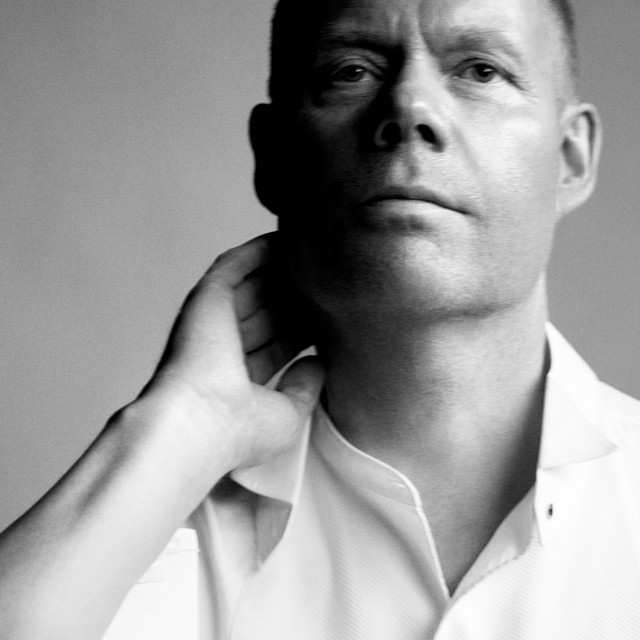
Max Richter
Post-Minimalism
Classical
Contemporary Classical
3
/5
Peter Gregson
Modern Cello
Classical
Contemporary Classical
2
/5
Hauschka
Ambient
Contemporary Classical
Drone
2
/5
Robert Craft
Ballet
Classical
Expressionism
1
/5
Denis Dufour
Avant-Garde
Contemporary Classical
Dark Ambient
2
/5
Philip Glass Ensemble
Minimalism
Avant-Garde
Classical
2
/5
Peter Sculthorpe
Chamber Music
Minimalism
Neoclassicism
2
/5
Einojuhani Rautavaara
Avant-Garde
Neoclassicism
Nordic Classical Piano
1
/5
Hans Werner Henze
Avant-Garde
Concerto
Electroacoustic
1
/5
Per Nørgård
Serialism
Avant-Garde
Neoclassicism
Download our mobile app
Get the Melodigging app and start digging for new genres on the go
Download on the App Store
Get it on Google Play
© 2026 Melodigging
Give feedback
Legal
Melodding was created as a tribute to
Every Noise at Once
, which inspired us to help curious minds keep digging into music's ever-evolving genres.