Genres
Artists
Albums
Make Music
Sign in
Sign in
Artists
Deep Soundtrack
Artists
Deep Soundtrack
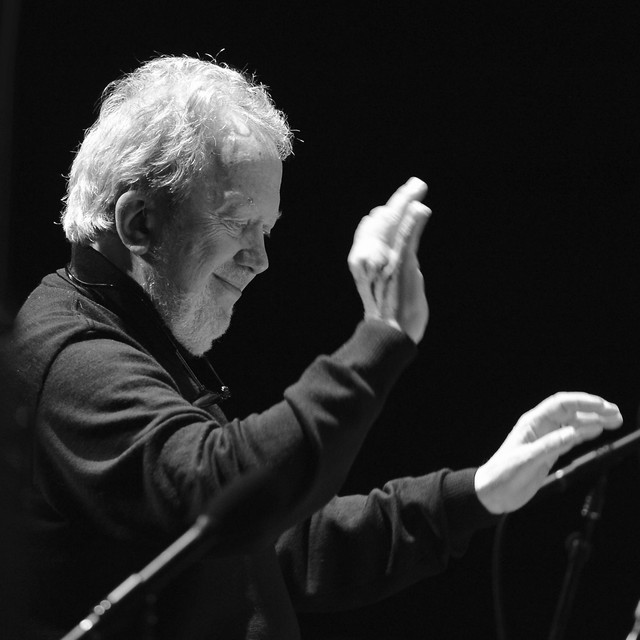
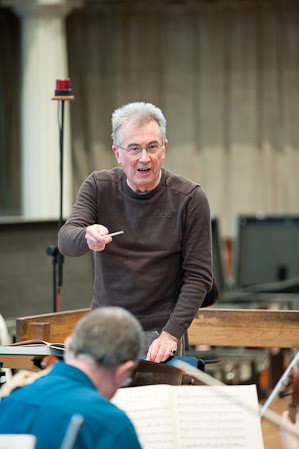
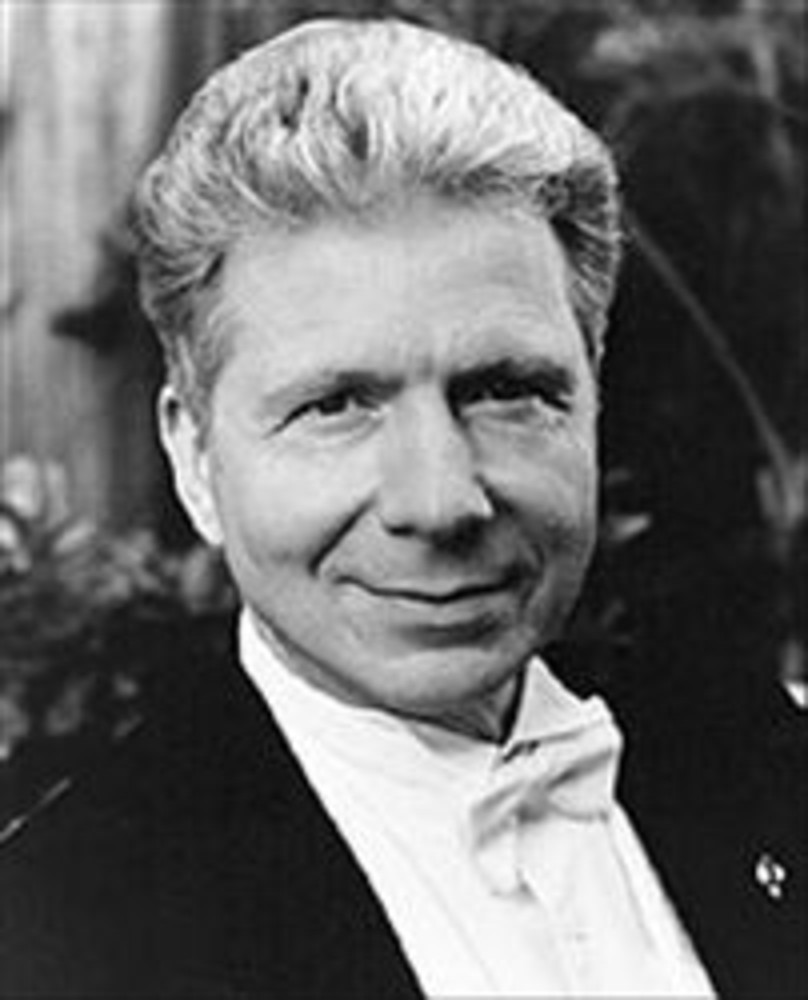
John Nelson
1992–2005
·
3 albums
Listen
3
/5
Genres
Deep Soundtrack
Deep soundtrack is a modern, cinematic substyle that emphasizes low, immersive textures, slow-moving harmony, and spacious ambience over bombast. It sits at the intersection of ambient music, post-classical scoring, and contemporary film/TV/game underscore, favoring drones, soft pulses, and intimate instruments (piano, strings, analog synths) treated with generous space and subtle sound design. Rather than foregrounding memorable themes or trailer-scale crescendos, deep soundtrack cultivates mood: tense, melancholic, or quietly hopeful. It is designed to sit under narrative, visuals, or concentration—music that breathes, evolves slowly, and suggests emotion without overwhelming it.
Discover
Listen
Operetta
Operetta is a light, theatrical form of musical drama that blends spoken dialogue with tuneful, dance-inflected numbers and comic plots. It favors memorable melodies, witty wordplay, and a buoyant orchestral palette over the heavy dramatic weight of grand opera. Emerging in mid-19th-century Paris and quickly flourishing in Vienna and beyond, operetta draws on popular dance rhythms (especially the waltz and march), satirical or romantic storylines, and clear, lyrical vocal writing. It serves as a bridge between opera and modern musical theatre, balancing classical technique with popular appeal.
Discover
Listen
Opera Semiseria
Opera semiseria is an Italian operatic subgenre that blends the elevated, noble tone of opera seria with the lively wit and stock comic figures of opera buffa. Its stories often revolve around pastoral or small-town settings, endangered innocence, sudden reversals of fortune, and a rescue or reconciliation that leads to a happy ending (lieto fine). Musically, it sits within the late Classical and early Romantic bel canto idiom: graceful cantabile melodies, virtuosic cabalettas, buoyant ensembles, and theatrically charged finales are typical. A hallmark is the coexistence of a noble soprano or tenor with a basso buffo (comic bass), allowing serious pathos and comic relief to interweave within the same drama.
Discover
Listen
Byzantine Chant
Byzantine chant is the monophonic, a cappella liturgical music of the Eastern Roman (Byzantine) Church, sung primarily in Greek and organized around the octoechos (eight-mode) system. Its melodies are modal rather than harmonic, unfolding in one line supported in later practice by a sustained drone (ison). The repertory sets biblical psalms and hymnic poetry (e.g., troparia, kontakia, stichera, and canons) to melodies that follow textual accent and rhetorical pacing rather than strict meter. Notation employs neumes that encode melodic direction and ornate formulae, preserving a highly codified oral tradition. The sound is characterized by free rhythm, microtonal inflections in certain modes, and an austere, prayerful timbre designed for resonant ecclesiastical spaces. Byzantine chant remains central to the worship of the Eastern Orthodox Church and has shaped a wide family of chant traditions across the Mediterranean and Slavic worlds.
Discover
Listen
Byzantine Music
Byzantine music is the sacred chant tradition of the Byzantine (Eastern Roman) Empire, cultivated primarily in the Greek-speaking Christian world. It is a monophonic, vocal art that uses modal systems (the Octoechos), formulaic melodic patterns, and an ison (drone) to support the principal melody. It is performed a cappella in liturgical contexts, with texts drawn from scripture and hymnography in Greek and related Christian languages. Its notation developed a distinctive neumatic script, and its aesthetics emphasize prayerful sobriety, rhetorical declamation of sacred texts, and highly ornamented melodic gestures governed by modal grammar.
Discover
Listen
Syriac Chant
Syriac chant is the liturgical chant tradition of Syriac Christianity, sung in Classical Syriac (a dialect of Aramaic) across the East Syriac and West Syriac rites. It is one of the oldest living Christian chant repertories and is transmitted largely through oral tradition. Musically, Syriac chant is monophonic, highly text‑centered, and typically performed unaccompanied by a solo cantor (ḥazzā) and/or a small choir with congregational responses. Melodies follow modal formulae preserved in collections such as the Beth Gazo (“Treasury of Melodies”), favoring free, speech‑like rhythm, extensive ornamentation, and melismatic expansion on key liturgical words. Modern performances often exploit long reverberation in stone churches, using sustained tones and carefully paced phrases to let the text and ornaments bloom in the space. While the earliest manuscripts are scarce, the style that survives today reflects very ancient Near Eastern and early Christian practices, later colored by regional modal sensibilities. The repertory encompasses hymns (madrāshē), responses (ʿonyōtā), psalmody, and processional pieces integral to daily offices and the Eucharistic liturgy.
Discover
Listen
Albums
2005
1
/5
Benvenuto Cellini
Hector Berlioz
Opera Semiseria
2001
1
/5
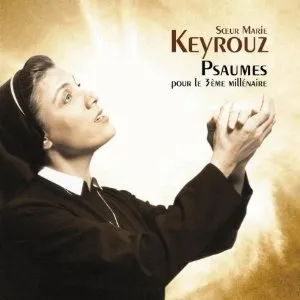
Psaumes pour le 3ème Millénaire
Sœur Marie Keyrouz
Syriac Chant
Byzantine Chant
Byzantine Music
1992
2
/5
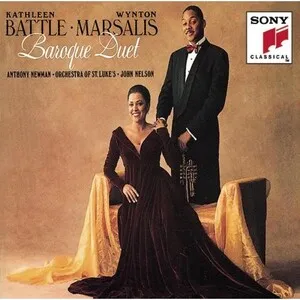
Baroque Duet
Georg Friedrich Händel
Operetta
Similar artists
4
/5
Philharmonia Orchestra
Classical
Opera
Choral
4
/5
Traditional
Gregorian Chant
Spanish Classical Music
Medieval Classical Music
4
/5
London Symphony Orchestra
Classical
Ballet
Concerto
4
/5
English Chamber Orchestra
Classical
Baroque
Chamber Music
3
/5
David Parry
Classical
Deep Soundtrack
Opera
2
/5
John Mauceri
Deep Soundtrack
Opera
Cabaret
2
/5
Joyce DiDonato
Opera
Opera Seria
Classical
4
/5
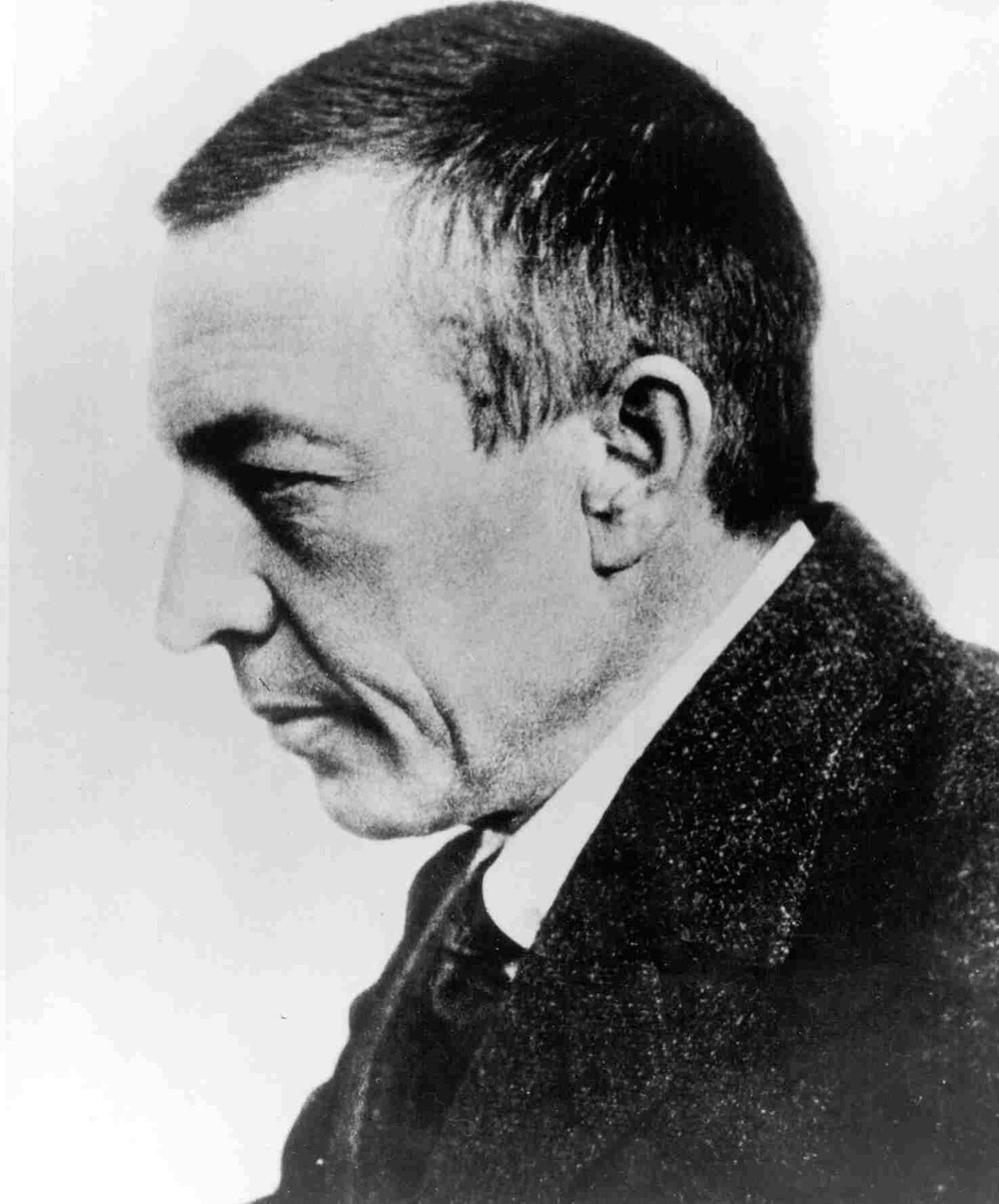
Sergei Rachmaninoff
Classical
Moscow School
Choral Concerto
3
/5
Anonymous
Ars Antiqua
Gregorian Chant
Medieval
3
/5
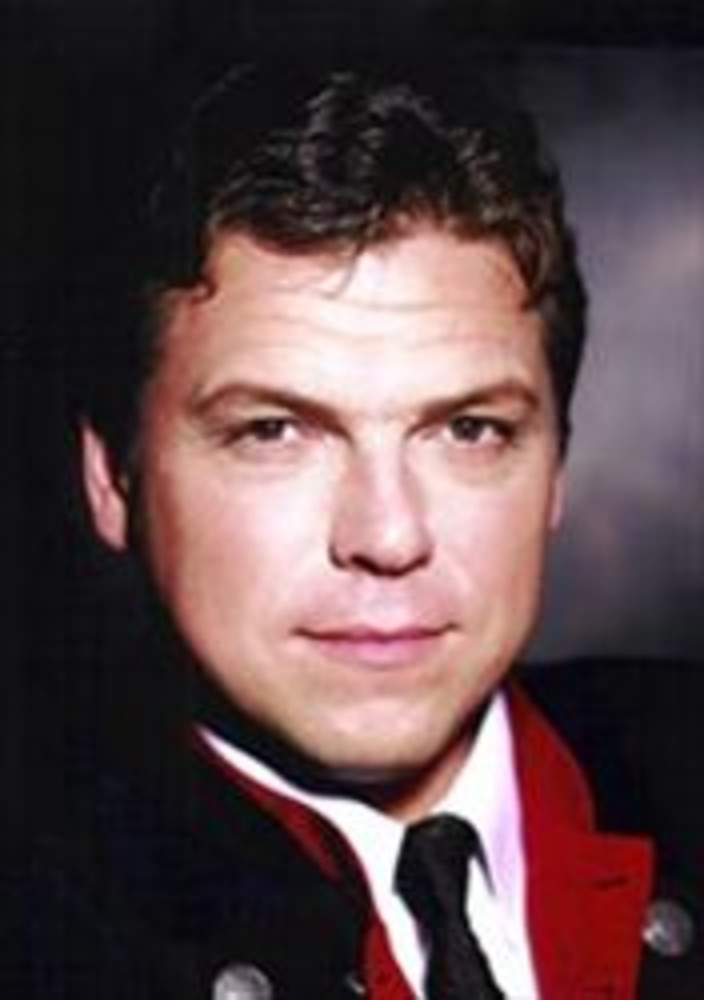
Michael Schade
Choral
Classical
Requiem
Download our mobile app
Get the Melodigging app and start digging for new genres on the go
Download on the App Store
Get it on Google Play
© 2026 Melodigging
Give feedback
Legal
Melodding was created as a tribute to
Every Noise at Once
, which inspired us to help curious minds keep digging into music's ever-evolving genres.