Genres
Artists
Albums
Make Music
Sign in
Sign in
Artists
Hypnagogic Pop
Artists
Hypnagogic Pop
John Maus
2007–2025
·
8 albums
Listen
3
/5
Genres
Grave Wave
Grave wave is a modern, goth-leaning strain of darkwave and synth-driven post-punk that emerged in the early 2010s. It blends the icier textures of 1980s coldwave and minimal wave with pulsing drum machines, brooding basslines, and spectral vocals drenched in reverb. The style favors analog and retro-styled synthesizers, chorus-laden guitars, and tightly programmed rhythms that evoke nocturnal cityscapes, underground clubs, and cinematic horror aesthetics. Lyrically it leans toward themes of alienation, desire, memory, and the uncanny—often delivered in low, detached croons or ethereal whispers. Sonically, grave wave sits between darkwave and synth-pop: more driving and danceable than pure coldwave, but more shadowy and melancholic than mainstream synth-pop. Its atmosphere is moody yet propulsive, making it equally at home on a dim dancefloor or in headphones on a late-night walk.
Discover
Listen
Artcore
Artcore is a subgenre of hardcore techno that fuses high-BPM club energy with the orchestral colors and dramatic writing of cinematic classical music. Producers combine pounding four-on-the-floor kicks, breakbeats, and modern EDM sound design with strings, piano, choirs, and sweeping harmonic progressions. The result is a maximalist, emotive style: towering builds, through-composed sections, key changes, and leitmotifs are common, while supersaw leads, reese basses, and intricate percussion keep the dancefloor intensity. The sound took shape in Japan’s doujin and rhythm-game circles, but it has since spread globally among electronic musicians who favor epic, narrative arrangements.
Discover
Listen
Chamber Psych
Chamber psych blends the intimate, acoustic instrumentation and careful arrangements of chamber pop with the hazy textures, tape-warm production, and surreal harmonies of psychedelic pop. Expect strings, woodwinds, vibraphone, Mellotron, and harpsichord to sit alongside vintage keyboards, gently motorik drums, and fluttering tape delays. Vocals are often close‑mic’d and breathy, melodies skew wistful or otherworldly, and songs privilege mood and arrangement craft over volume. The result feels simultaneously handcrafted and dreamlike: miniature orchestras scoring psychedelic reveries.
Discover
Listen
Channel Pop
Channel pop is a digital-era strain of mainstream pop shaped by video and creator platforms—especially YouTube and later TikTok and Instagram—where artists build audiences through frequent uploads on their own “channels.” Musically it favors intimate, highly polished but close-mic’d vocals, acoustic guitar or piano-led arrangements, restrained beats, and succinct, playlist-friendly structures. Many releases are cover-first (reimagining recent chart hits) with a steady flow of glossy singles, session-style performances, and creator collaborations that gradually blend into original material. Titles, artwork, and release cadence are optimized for search and recommendation algorithms, yielding a sound that is simultaneously personal and platform-aware.
Discover
Listen
Chill Dream Pop
Chill dream pop is a soft-focus, slow-tempo branch of dream pop that emphasizes hushed vocals, languid grooves, and a hazy, nocturnal atmosphere. It blends reverb-drenched guitars and shimmering synth pads with understated drum programming to create an intimate, weightless feel. Compared with classic dream pop, the “chill” variant leans further into minimalism and smooth, lo-fi textures, borrowing from chillwave and bedroom pop. Lyrics often center on memory, dusk-lit romance, and liminal spaces, delivered in a breathy, close-mic tone that sits inside lush ambient reverbs and delays.
Discover
Listen
Dark Disco
Dark disco is a mid‑tempo, nocturnal strain of club music that fuses the hypnotic pulse of disco with the grit of post‑punk, EBM, coldwave, and industrial. It favors ominous basslines, minor‑key harmonies, reverb‑soaked guitars and vocals, and analog synth textures, resulting in a moody, cinematic atmosphere that is equally suited to sweaty basements and late‑night festival stages. Tempos typically sit between 105–120 BPM, with emphasis on groove, tension, and shadowy drama rather than maximal speed or brightness.
Discover
Listen
Horror Synth
Horror synth is a dark, cinematic electronic style that draws heavily from 1970s–1980s horror film scores and analog synthesizer aesthetics. It emphasizes ominous arpeggios, minor-key ostinati, and brooding pads that evoke suspense, dread, and retro VHS-era atmosphere. While it overlaps with synthwave, horror synth is noticeably darker and more aggressive, often incorporating industrial textures, dissonant intervals, and sound-design cues taken from classic slasher and giallo soundtracks. The music typically features vintage drum machine grooves, tape-like saturation, and motif-driven themes that feel like cues to an unseen film.
Discover
Listen
Hypnagogic Pop
Hypnagogic pop is a late‑2000s microgenre of lo‑fi pop that evokes the hazy, half‑awake feeling between sleep and consciousness. Artists fold fragments of 1970s–1990s mass‑media memory—VHS textures, TV idents, soft rock hooks, and mall‑era synths—into dreamy songs obscured by tape hiss, reverb, and analog wobble. The style blends retro synth-pop, yacht/soft rock, new age pads, and ambient drift with indie pop songcraft. Its mood is nostalgic and melancholic yet warmly intimate, as if hearing familiar pop refracted through worn cassettes and fading broadcast signals.
Discover
Listen
Noise Pop
Noise pop blends the tunefulness and hook-centric structures of pop with abrasive textures such as feedback, distortion, and tape hiss. It typically features bright, simple melodies buried beneath a dense, overdriven "wall of sound," with vocals often mixed low or coated in reverb. The aesthetic draws on 1960s girl-group and power-pop songwriting but delivers it through punk-informed energy and noise-rock sonics, creating music that is simultaneously sweet and scuffed.
Discover
Listen
Minimal Synth
Minimal synth is a sparse, DIY strand of early electronic music built around a small palette of analog synthesizers, drum machines, and austere melodies. It favors economy: short, hook-like motifs; rigid, metronomic rhythms; and cool, detached vocals that sit in stark relief against the electronics. The sound is defined by dry drum machine patterns (often 2–4 bar loops), monophonic basslines, simple minor-key harmonies, and limited effects—typically delay and reverb used tastefully rather than lavishly. Emerging from post-punk and new wave’s experimental fringes, it captured a mood that was simultaneously intimate and mechanical, melancholic yet danceable. Originally circulated on cassettes and 7" singles via small independent labels, minimal synth has since become a collectors’ and archivists’ favorite, with a 2000s revival highlighting how its disciplined restraint and analog textures anticipated later retro-synth and underground electronic movements.
Discover
Listen
Minimal Wave
Minimal wave is a retroactive label for a strain of late-1970s and early-1980s DIY electronic new wave defined by sparse analog synthesizers, primitive drum machines, and austere, repetitive song structures. Its sound is cold yet melodic: dry, metronomic rhythms; simple bass sequences; monochrome pads or strings; and detached, often deadpan vocals recorded on modest home or small-studio setups. Releases were typically issued on small European labels or as private cassette editions, sitting at the intersection of synth-pop, post-punk, and French/Belgian coldwave. The genre’s contemporary identity coalesced in the mid-2000s through dedicated archival labels and compilations that highlighted this minimal, lo‑fi, and emotionally distant approach to early electronic pop.
Discover
Listen
Dark Wave
Dark wave is a moody, melancholic offshoot of post-punk and new wave that emphasizes minor-key harmonies, somber timbres, and introspective or romantic lyrical themes. It blends the icy textures of early synthesizers and drum machines with reverb-laden guitars and melodic, driving basslines. The style typically features baritone or ethereal vocals, atmospheric production with heavy use of chorus, delay, and reverb, and tempos that range from slow and brooding to mid-tempo and danceable. Dark wave spans both guitar-oriented and synth-forward approaches, and often overlaps with related movements such as coldwave, minimal wave, and ethereal wave.
Discover
Listen
Lo-Fi
Lo-fi is a music aesthetic and genre defined by an embrace of audible imperfections—tape hiss, clipping, room noise, distorted transients, and uneven performance—that would be treated as errors in high-fidelity recording. Emerging from the DIY ethos of American indie and punk scenes, lo-fi turns budget constraints and home-recording limitations into a signature sound. Songs are often intimate, direct, and unvarnished, prioritizing immediacy and personality over polish. Typical lo-fi recordings use 4-track cassette or similarly modest setups, simple chord progressions, and understated vocals, spanning rock, folk, pop, and experimental approaches while retaining a homemade warmth and nostalgic patina.
Discover
Listen
Coldwave
Coldwave is a European post-punk offshoot characterized by icy, minimalist arrangements, prominent basslines, sparse drum machines, and a detached vocal delivery. Emerging first in France (and neighboring Belgium) in the late 1970s and peaking through the mid-1980s, it blends punk’s austerity with the synthetic textures of early analog keyboards and stark, minor-key guitar figures. The mood is melancholic and introspective—often sung in French or English—favoring rigid rhythms, chorus-drenched guitars, and compact songwriting that foregrounds atmosphere over virtuosity. Its "cold" aesthetic refers as much to the emotional temperature of the music as to the gray-toned production: dry snares, steely bass, and reverb used not for lushness but for distance.
Discover
Listen
New Wave
New wave is a broad, pop-oriented umbrella for styles that emerged in the mid-to-late 1970s as a sleeker, more melodic outgrowth of punk culture. Initially, the term varied by region: in the United States it was first used by critics and labels (famously Sire Records’ “Don’t Call It Punk” campaign in 1977) to rebrand punk-associated artists with more radio-friendly aesthetics; in the United Kingdom it encompassed a wider constellation of fresh, stylish post-punk-era sounds. Over time, “new wave” became a catch‑all for hooky guitar pop, synth-driven songs, danceable rhythms, and modernist production sensibilities. Sonically, it blends tight, upbeat rhythms (often disco- and reggae-informed), clean chorus/flanger guitars, prominent synthesizers, and concise, hook-led songwriting. Its visual identity—sharp suits, futurist imagery, and fashion-forward presentation—was integral, aligning with the rise of music television and emphasizing art-school wit, irony, and modern urban themes.
Discover
Listen
Post-Punk
Post-punk is a broadly experimental strain of rock that emerged in the late 1970s as artists sought to push beyond the speed, simplicity, and orthodoxy of first-wave punk. It typically features angular, bass-forward grooves; jagged or minimal guitar lines; stark, spacious production; and an openness to dub, funk, electronic, and avant-garde ideas. Lyrics often examine alienation, urban decay, politics, and the inner life with artful or abstract delivery. A studio-as-instrument approach, emphasis on rhythm section interplay, and an appetite for non-rock textures (tape effects, drum machines, found sound, synths) distinguish the style. The result can be danceable yet tense, cerebral yet visceral, and emotionally restrained yet intensely expressive.
Discover
Listen
Synth-Pop
Synth-pop is a pop-oriented style that foregrounds the synthesizer as its primary instrument, often paired with drum machines and sequencers. It favors clean, melodic hooks, concise song structures, and a sleek, modernist sound that ranges from cool and minimal to lush and romantic. Emerging at the turn of the 1980s from the UK new wave and post-punk scenes, synth-pop leveraged affordable analog and then digital keyboards to bring electronic textures into the mainstream. Its sonic palette includes arpeggiated basslines, shimmering pads, bright leads, gated or machine-driven drums, and polished vocals that convey both futuristic detachment and emotional immediacy.
Discover
Listen
Baroque Pop
Baroque pop is a mid‑1960s fusion of contemporary pop/rock songwriting with the timbres, textures, and contrapuntal techniques of Baroque and broader European classical music. It is marked by harpsichord and piano doubling, string quartets or small orchestras, woodwinds (oboe, recorder, bassoon), French horn and piccolo trumpet colors, and melody‑forward arrangements that favor counter‑melodies and suspensions over riff‑based accompaniment. Harmonies tend to be richer than standard rock, with chromatic voice‑leading, circle‑of‑fifths motion, deceptive cadences, and occasional modulations. Production is usually lush and reverberant, supporting reflective, often nostalgic or romantic lyrics. Although it overlaps with orchestral pop and psychedelic pop, baroque pop is distinguished by its chamber‑scale instrumentation, Baroque idioms (basso continuo feel, ornamented lines), and the way classical elements are woven into compact pop song forms.
Discover
Listen
Show all 18 genres
Albums
2025
1
/5
Pick It Up
John Maus
Grave Wave
Hypnagogic Pop
Noise Pop
2025
1
/5
Came & Got
John Maus
Grave Wave
Hypnagogic Pop
Noise Pop
2025
1
/5
Because We Built It
Guincho, El, xx, Jamie, FKA twigs, xx, The, FKA twigs, Two Shell, FKA twigs, xx…
Hypnagogic Pop
Noise Pop
Grave Wave
2025
1
/5
I Hate Antichrist
Guincho, El, xx, Jamie, FKA twigs, xx, The, FKA twigs, Two Shell, FKA twigs, xx…
Noise Pop
Grave Wave
Hypnagogic Pop
2012
3
/5
A Collection of Rarities and Previously Unreleased Material
John Maus
Grave Wave
Hypnagogic Pop
Noise Pop
2011
3
/5
We Must Become the Pitiless Censors of Ourselves
John Maus
Hypnagogic Pop
New Wave
Post-Punk
2007
3
/5
Love Is Real
John Maus
Minimal Synth
Minimal Wave
Hypnagogic Pop
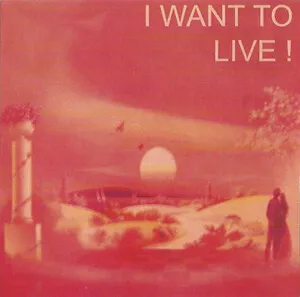
I Want to Live!
John Maus
Hypnagogic Pop
Similar artists
1
/5
Various Artists
Afro-Funk
Alternative Rock
Ambient
3
/5
HEALTH
Grave Wave
Noise Pop
Industrial Metal
3
/5
Ariel Pink
Hypnagogic Pop
New Weird America
Psychedelic Pop
3
/5
Linea Aspera
Minimal Wave
Dark Synthpop
Grave Wave
2
/5
HTRK
Grave Wave
Coldwave
Warm Drone
2
/5
BOAN
Minimal Synth
Coldwave
Dark Wave
2
/5
Cold Colors
Minimal Synth
Coldwave
Dark Wave
1
/5
Ortrotasce
Minimal Synth
Grave Wave
Dark Disco
3
/5
of Montreal
Elephant 6
Rock
Indie Rock
2
/5
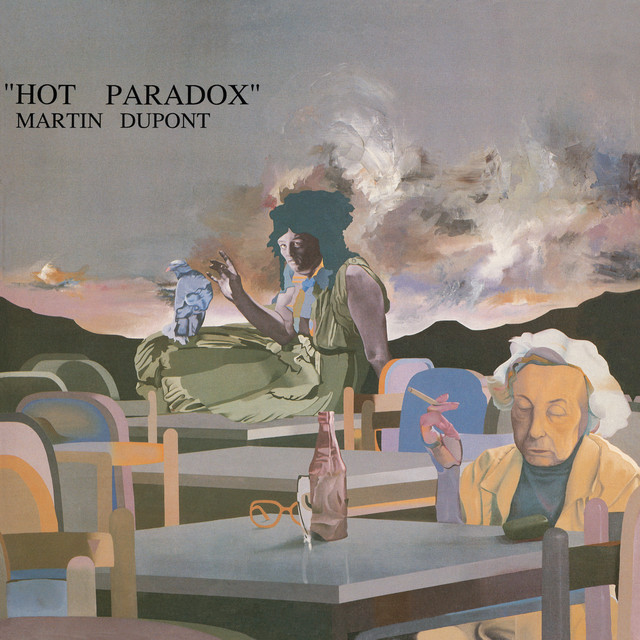
Martin Dupont
Coldwave
Minimal Wave
Dark Wave
Download our mobile app
Get the Melodigging app and start digging for new genres on the go
Download on the App Store
Get it on Google Play
© 2026 Melodigging
Give feedback
Legal
Melodding was created as a tribute to
Every Noise at Once
, which inspired us to help curious minds keep digging into music's ever-evolving genres.