Genres
Artists
Albums
Make Music
Sign in
Sign in
Artists
Muzika Mizrahit
Artists
Muzika Mizrahit
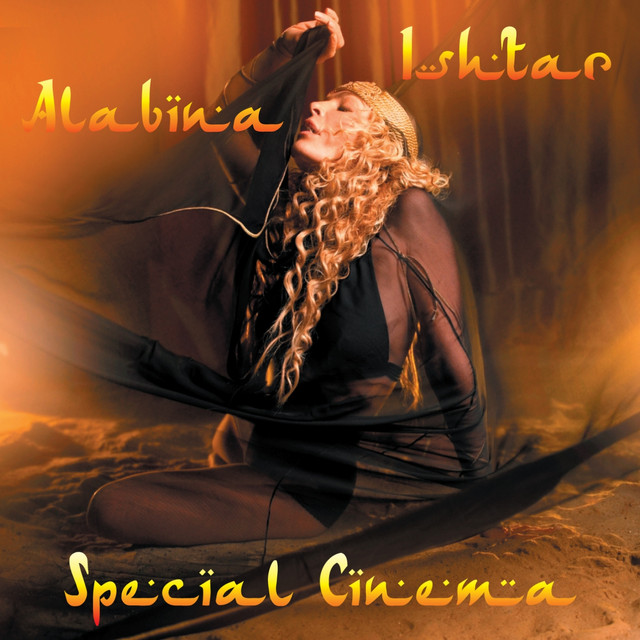
Ishtar
1996
·
1 album
Listen
2
/5
Genres
Modern Funk
Modern funk is a 21st‑century revitalization of late‑’70s/’80s boogie and electro‑funk aesthetics, filtered through contemporary R&B, hip‑hop production, and indie dance scenes. It emphasizes pocket‑tight grooves, syncopated basslines (often synth‑driven), crisp drum‑machine patterns, bright polyphonic synths, talkbox/vocoder leads, and clean, choppy rhythm guitar. Compared with classic funk, modern funk leans more on analog and early‑digital synth colors (Juno, Prophet, DX7, Moog), Linn/808/909‑style drums, glossy mixes, and ear‑candy arrangement details. Lyrically, it favors feel‑good party vibes, love themes, and everyday swagger, aiming for dancefloor immediacy with a retro‑futurist sheen.
Discover
Listen
House
House is a dance music genre that emerged in Chicago in the early 1980s, defined by a steady four-on-the-floor kick drum, off-beat hi-hats, soulful or hypnotic vocals, and groove-centric basslines. Typical tempos range from 118–130 BPM, and tracks are structured in DJ-friendly 16–32 bar phrases designed for seamless mixing. Drawing on disco’s celebratory spirit, electro-funk’s drum-machine rigor, and Italo/Hi-NRG’s synth-led sheen, house prioritizes repetition, tension-and-release, and communal energy on the dancefloor. Its sound palette often includes 808/909 drums, sampled or replayed disco/funk elements, filtered loops, piano/organ stabs, and warm, jazzy chords. Over time, house diversified into many substyles—deep house, acid house, French house, tech house, progressive house, and more—yet it remains a global foundation of club culture, known for emphasizing groove, inclusivity, and euphoria.
Discover
Listen
Muzika Mizrahit
Muzika mizrahit (Israeli Mizrahi or Oriental music) is a modern Israeli popular genre rooted in the musical traditions of Jewish communities from the Middle East, North Africa, and the Mediterranean. It blends Arabic, Turkish, Greek (laïko/rebetiko), and Andalusian influences with Hebrew lyrics and contemporary pop production. Musically it favors modal melodies drawn from Middle Eastern maqam systems (e.g., Hijaz, Bayat, Kurd) and characteristic vocal ornamentation (melisma, microtonal inflections). Typical instruments include oud, bouzouki, qanun, violin, darbuka/tabla, riq, and handclaps, increasingly complemented by synthesizers, drum machines, and pop/EDM-style arrangements. Lyrically, songs often revolve around love, longing, family, faith, and place, moving between dance-forward party anthems and deeply emotive ballads. Since the 1990s, the style has moved from a marginalized “cassette culture” to the mainstream of Israeli pop.
Discover
Listen
Latin
Latin (as a genre label) is a broad umbrella used by the recording industry to categorize popular music rooted in Latin America, the Caribbean, and the Iberian world, often characterized by syncopated Afro-diasporic rhythms, dance-forward grooves, and lyrics primarily in Spanish or Portuguese. As a marketplace category that took shape in the mid-20th century United States, it gathers diverse traditions—Afro-Cuban, Brazilian, Mexican, and Caribbean styles—into a shared space. In practice, "Latin" spans everything from big-band mambo and bolero ballads to contemporary pop, rock, hip hop, and dance fusions produced by artists of Latin American heritage.
Discover
Listen
Raï
Raï is a popular music genre from the port city of Oran (Wahran), Algeria, whose name comes from the colloquial Arabic word for "opinion" or "point of view." It began as a raw, vernacular form of urban song led by cheikhas (female singer-performers) accompanied by gasba flute and guellal drum, addressing everyday life, love, alcohol, social hypocrisy, and desire with unusual frankness. Across the 1970s and 1980s, raï electrified: acoustic ensembles and Bedoui/chaabi-rooted melodies merged with electric guitar, synthesizers, drum machines, and global dance grooves (funk, disco, reggae, and pop). This produced the internationally famous “pop raï” sound—at once danceable and emotionally direct—carried by stars such as Khaled, Cheb Mami, Cheb Hasni, and Cheikha Rimitti. Today, raï remains a living tradition and a flexible pop form, equally at home with traditional gasba/guellal timbres and glossy electronic production, while its lyrics continue to alternate between hedonistic celebration and aching nostalgia for home and lost love.
Discover
Listen
Electronic
Electronic is a broad umbrella genre defined by the primary use of electronically generated or electronically processed sound. It encompasses music made with synthesizers, drum machines, samplers, computers, and studio/tape techniques, as well as electroacoustic manipulation of recorded or synthetic sources. The genre ranges from academic and experimental traditions to popular and dance-oriented forms. While its sonic palette is rooted in electricity and circuitry, its aesthetics span minimal and textural explorations, structured song forms, and beat-driven club permutations. Electronic emphasizes sound design, timbre, and studio-as-instrument practices as much as melody and harmony.
Discover
Listen
Albums
1996
3
/5
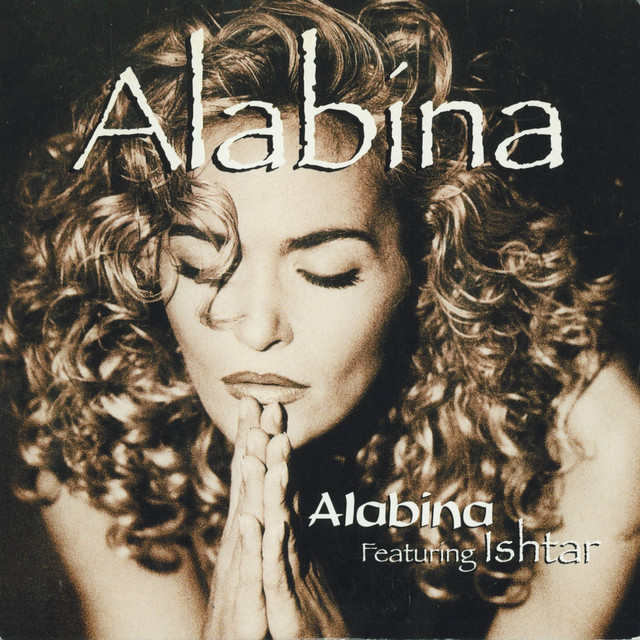
Alabina
Alabina
Raï
Electronic
House
Similar artists
3
/5
Alabina
Raï
Electronic
House
5
/5
Akon
Hip Hop
Laboratorio
Ratchet Music
5
/5
Enrique Iglesias
Latin Pop
Latin
Pop
4
/5
Marc Anthony
Latin
Salsa
Bachata
4
/5
Quantic
Electronic
Nu-Cumbia
Downtempo
3
/5
Los Amigos Invisibles
Latin Funk
Latin Afrobeat
Latin Alternative
3
/5
Afro Medusa
Afro House
Disco House
Funky House
3
/5
Fulanito
Merengue Típico
Merengue
Merenhouse
3
/5
Matanza
Electronica Chilena
Electrocumbia
Electronic
1
/5
Various Artists
Afro-Funk
Alternative Rock
Ambient
Download our mobile app
Get the Melodigging app and start digging for new genres on the go
Download on the App Store
Get it on Google Play
© 2026 Melodigging
Give feedback
Legal
Melodding was created as a tribute to
Every Noise at Once
, which inspired us to help curious minds keep digging into music's ever-evolving genres.