Genres
Artists
Albums
Make Music
Sign in
Sign in
Artists
Denpa
Artists
Denpa
IOSYS
2006–2015
·
5 albums
Listen
3
/5
Genres
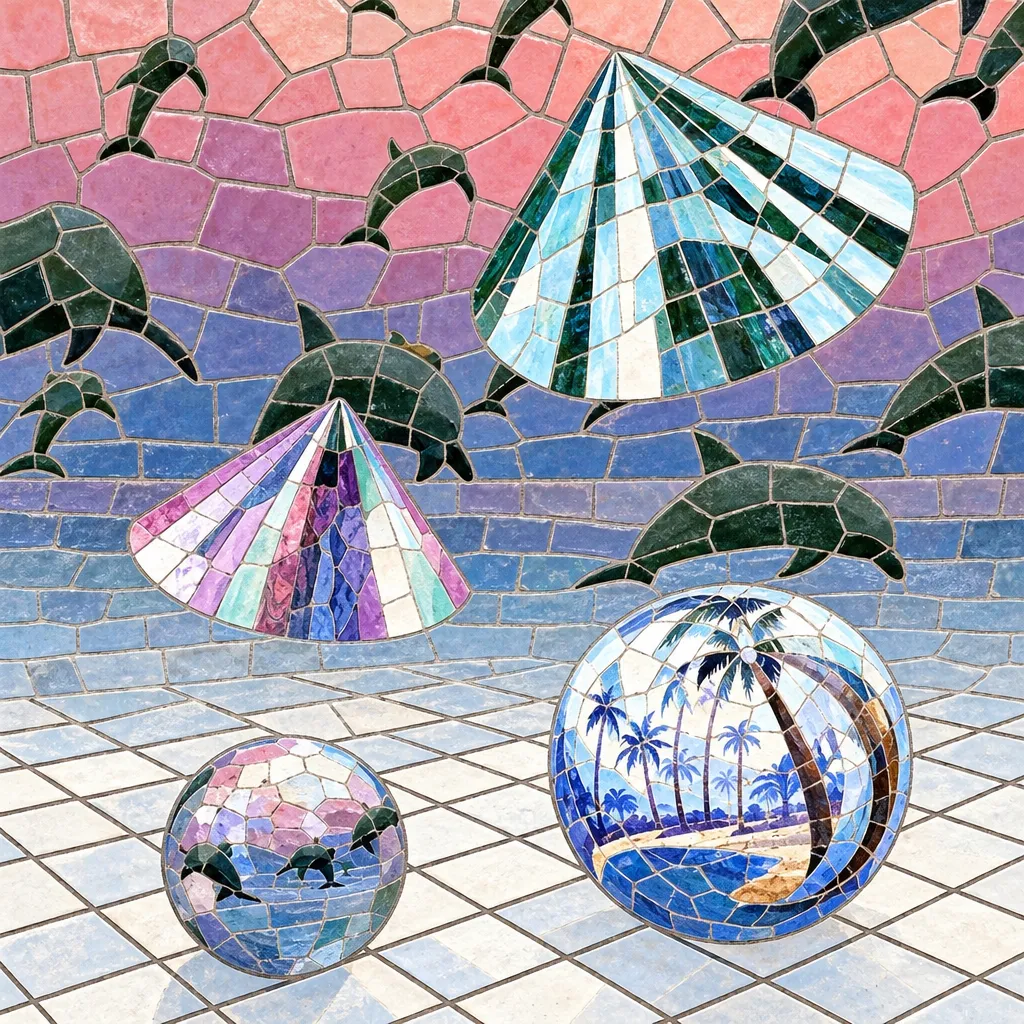
Seapunk
Seapunk is an early-2010s internet-born microgenre and multimedia aesthetic that fuses retro-rave sonics with Y2K-era, ocean-themed visuals. Its sound blends 1990s house and trance riffs, chopped-and-screwed and vaporwave-adjacent sampling, splashy 808/909 drums, and glossy, “watery” synth textures. The visual world is as important as the music: turquoise/teal palettes, 3D chrome dolphins, coral gradients, pixel seas, and GIF-era net art. Together, these define a playful, nostalgic, and cyber-aquatic identity that celebrates both rave euphoria and web-native DIY culture.
Discover
Listen
Jirai Kei
Jirai kei is a recent Japanese internet-born pop micro‑genre and aesthetic that blends cute, sugary sounds with darker, obsessive and self‑destructive themes. The term comes from a fashion/aesthetic scene associated with yamikawaii and menhera culture, and in music it describes songs that sound soft and adorable on the surface but conceal lyrics about toxic love, dependency, jealousy, and emotional volatility. Sonically, jirai kei draws from J‑pop and Vocaloid traditions (denpa/picopop brightness, catchy hooks) while adopting modern hyperpop gloss, trap/EDM percussion, and highly edited, youthful vocals. The contrast between childlike, pastel timbres and intense, confessional writing is central to the style, making it both immediately hooky and emotionally sharp—an audio embodiment of “cute but dangerous.”
Discover
Listen
Glitchcore
Glitchcore is an internet-born microgenre that fuses pop-forward songwriting with hyperactive, digitally mangled sound design. It is characterized by bitcrushed and over-distorted synths, stuttered edits, sudden beat-switches, and heavily pitch-shifted, Auto-Tuned vocals. Arrangements tend to be short, hook-centric, and maximalist, often compressing multiple sections and textures into tracks that last 90–150 seconds. The genre borrows the emotive directness of emo rap and bedroom pop, the rhythmic backbone of trap, and the candy-coated sheen of hyperpop and bubblegum bass, while leaning into deliberate digital artifacts—glitches, dropouts, resampling, and hard clip distortion—as expressive tools. Culturally, glitchcore is inseparable from online communities (Discord, SoundCloud, TikTok), where rapid iteration, meme literacy, and DIY production workflows shaped its sound and aesthetics.
Discover
Listen
Diy Emo
DIY emo is a grassroots, home-recorded and community-driven branch of contemporary emo that blends twinkly Midwest-emo guitar work, confessional lyricism, and pop-punk urgency with a distinctly lo‑fi, self-produced aesthetic. It foregrounds the ethics of the do‑it‑yourself underground: basement shows, tape or Bandcamp releases, collective touring, and a preference for intimacy over polish. Sonically, it leans on clean, chiming guitars, melodic basslines, dynamic drumming, and unvarnished vocals that veer from soft-spoken to cathartic sing-alongs. Rather than chasing radio gloss, DIY emo embraces rawness and vulnerability—often capturing the feel of a crowded living room show—while channeling themes of friendship, mental health, hometowns, and the bittersweet transitions of early adulthood.
Discover
Listen
Proto-Hyperpop
Proto-hyperpop is a retrospective label for the cluster of internet-born pop experiments in the early-to-mid 2010s that foreshadowed what would later be called “hyperpop.” It fused candy-coated melodies and pitched-up vocals with maximalist sound design, glossy synthetic timbres, and playful, self-aware pop tropes. Rather than being a single scene, proto-hyperpop emerged across YouTube nightcore edits, early PC Music releases, and adjacent electronic and indie-pop circles. It drew heavily from Eurodance and trance hooks, J-pop and Vocaloid aesthetics, chiptune brightness, and the irreverent futurism of experimental pop and deconstructed club, while keeping an addictive, radio-ready sense of melody.
Discover
Listen
Denpa
Denpa is a hyper-cute, deliberately "weird" branch of Japanese pop associated with Akihabara otaku culture, eroge/visual novel theme songs, and doujin circles. Its name comes from denpa-kei ("radio-wave type"), a tongue‑in‑cheek label implying a brain‑melting, nonsensical, or deliriously catchy quality. Musically, denpa blends sugary idol-style melodies, high-pitched vocals, and toy-like synth timbres with chiptune bleeps, game sound effects, and rapid-fire call‑and‑response hooks. Lyrics lean into surreal wordplay, onomatopoeia, otaku in-jokes, and cute character personas. Arrangements are maximalist and colorful, often with sudden modulation “key-ups,” dense countermelodies, and an anime‑OP sense of instant memorability.
Discover
Listen
Denpa-Kei
Denpa-kei is a hyper-cute, high-energy style of Japanese pop associated with otaku culture, Akihabara, and the aesthetic of "moe." The music is intentionally maximalist and slightly surreal, often featuring rapid-fire melodies, childlike or high-pitched vocals, dense layers of synths, and sudden key or tempo shifts that heighten a sugar-rush mood. Arrangements commonly draw on chiptune timbres, toy-like sound effects, and catchy, call-and-response hooks. Lyrics lean into absurd humor, onomatopoeia, and otaku in-jokes, referencing maids, anime tropes, visual novels, and games. While playful on the surface, the style is highly crafted, using advanced modulation, tight vocal stacking, and brisk BPMs to create an over-the-top, euphoric impact.
Discover
Listen
Touhou
Touhou is a fan-driven music ecosystem that centers on the melodic boss themes and stage pieces from the Touhou Project games by ZUN (Team Shanghai Alice), and the vast culture of doujin (independent) arrangements derived from them. While the original soundtracks draw on jazzy harmonies, ear‑catching melodies, and fast, arcade‑ready pacing, the broader “Touhou” tag usually denotes the enormous body of remixes that reimagine these themes as rock/metal, trance, eurobeat, denpa, jazz, orchestral, and more. Character leitmotifs, brisk BPMs, bright “ZUN‑pet” synth/brass timbres, and dramatic modulations are common fingerprints. The style is deeply tied to Japanese doujin culture, with circles releasing CDs at events like Comiket and Reitaisai and sharing on platforms such as Niconico Douga and YouTube, where meme‑driven hits (e.g., eurobeat or denpa takes) helped globalize the sound.
Discover
Listen
Vocaloid
Vocaloid is a music genre and production culture centered on songs performed by synthesized singing voices, most famously the virtual singer Hatsune Miku. Producers compose and arrange tracks, then program lyrics and melodies into voicebanks to create lead vocals that sound like human singers. While the repertoire spans many styles, Vocaloid is strongly associated with Japanese pop, rock, and electronic dance music aesthetics. Songs are often released online with striking illustrated artwork and animated "PV" videos, and they are disseminated through platforms such as Nico Nico Douga and YouTube by independent creators and labels. The genre’s hallmark is the combination of catchy, hyper-bright melodies, energetic rhythm sections, and expressive vocal programming (tuning) that leverages timbral artifacts unique to synthesized voices. A vibrant fan community drives remixes, covers, live concerts with virtual avatars, and continual evolution of stylistic norms.
Discover
Listen
J-Pop
J-pop (Japanese pop) is a broad umbrella for mainstream Japanese popular music that blends Western pop/rock, dance, and R&B with distinctly Japanese songwriting, vocal delivery, and industry practices. It is characterized by strong hooks, polished production, bright synths and guitars, frequent key changes and modulatory bridges, and chorus-first or chorus-centric structures. J-pop spans idol groups, singer-songwriters, band-oriented pop-rock, electronic dance-pop, and R&B ballads, while remaining closely tied to television, advertising, video games, and anime tie-ins (anisong).
Discover
Listen
Techno
Techno is a four-on-the-floor, machine-driven form of electronic dance music that emerged in mid-to-late 1980s Detroit. It is characterized by steady 4/4 kick drums, repetitive and hypnotic rhythmic patterns, synthetic timbres, and an emphasis on texture, groove, and forward momentum over elaborate harmony. Producers typically use drum machines, sequencers, and synthesizers to build layered percussion, pulsing basslines, and evolving motifs. While often dark and minimalistic, techno spans a wide spectrum—from soulful, futuristic Detroit aesthetics to hard, industrially tinged European strains—yet it consistently prioritizes kinetic energy for dancefloors and a sense of machine futurism.
Discover
Listen
J-Rock
J-rock (Japanese rock) is the umbrella term for rock music created in Japan, spanning everything from classic rock, punk, and metal to alternative, indie, and progressive strains. It blends Western rock instrumentation and songcraft with Japanese melodic sensibilities, crisp production, and lyrics primarily in Japanese (often mixed with some English phrases). Typical features include hook-forward choruses, expressive guitar leads, tight rhythm sections, and dynamic arrangements that can pivot from delicate verses to big, anthemic refrains. Because of Japan’s media ecosystem, J-rock frequently intersects with anime, TV dramas, and video games, which helps bands reach mainstream audiences while retaining a band-centric, live-performance identity. Although stylistically diverse, J-rock commonly emphasizes memorable melodies, emotional catharsis, and precise musicianship, with influences ranging from British Invasion and classic rock to punk/new wave, progressive rock, and heavy metal.
Discover
Listen
Rock
Rock is a broad family of popular music centered on amplified instruments, a strong backbeat, and song forms that foreground riffs, choruses, and anthemic hooks. Emerging from mid‑20th‑century American styles like rhythm & blues, country, and gospel-inflected rock and roll, rock quickly expanded in scope—absorbing folk, blues, and psychedelic ideas—while shaping global youth culture. Core sonic markers include electric guitar (often overdriven), electric bass, drum kit emphasizing beats 2 and 4, and emotive lead vocals. Rock songs commonly use verse–chorus structures, blues-derived harmony, and memorable melodic motifs, ranging from intimate ballads to high‑energy, stadium‑sized performances.
Discover
Listen
Electronic
Electronic is a broad umbrella genre defined by the primary use of electronically generated or electronically processed sound. It encompasses music made with synthesizers, drum machines, samplers, computers, and studio/tape techniques, as well as electroacoustic manipulation of recorded or synthetic sources. The genre ranges from academic and experimental traditions to popular and dance-oriented forms. While its sonic palette is rooted in electricity and circuitry, its aesthetics span minimal and textural explorations, structured song forms, and beat-driven club permutations. Electronic emphasizes sound design, timbre, and studio-as-instrument practices as much as melody and harmony.
Discover
Listen
Show all 14 genres
Albums
2015
1
/5
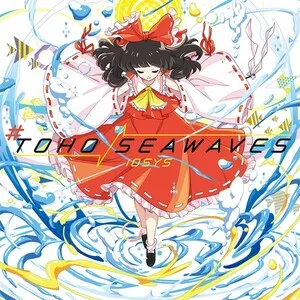
#TOHO_SEAWAVES
IOSYS
Seapunk
2014
1
/5
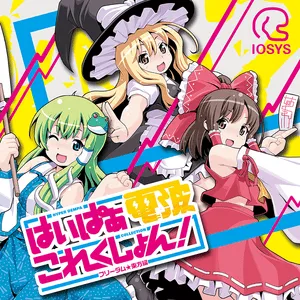
Hyper Denpa Collection -Freedom★Touhou-hen- はいぱぁ電波これくしょん! -フリーダム★東方編-
IOSYS
Denpa
2008
1
/5
東方氷雪歌集
IOSYS
Denpa-Kei
Touhou
2006
1
/5
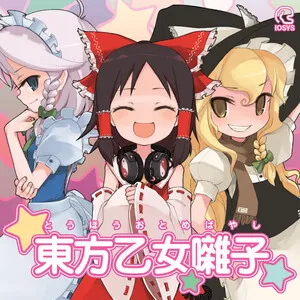
Touhou Otomebayashi 東方乙女囃子
IOSYS
Denpa
Electronic
Rock
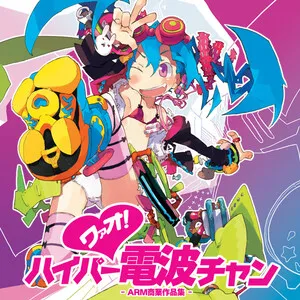
Whoa! Hyper Denpa-chan - ARM Shougyou Sakuhin Shuu - ワァオ!ハイパー電波チャン - ARM商業作品集 -
IOSYS
Denpa
Similar artists
4
/5
Camellia
Denpa-Kei
Electronic
J-Core
3
/5
Hachioji P
Denpa-Kei
Vocaloid
Jirai Kei
3
/5
t+pazolite
J-Core
Denpa-Kei
Kawaii Future Bass
2
/5
emamouse
Bitpop
Denpa
Denpa-Kei
1
/5
Various Artists
Afro-Funk
Alternative Rock
Ambient
3
/5
TAK
Vocaloid
Denpa
Electropop
3
/5
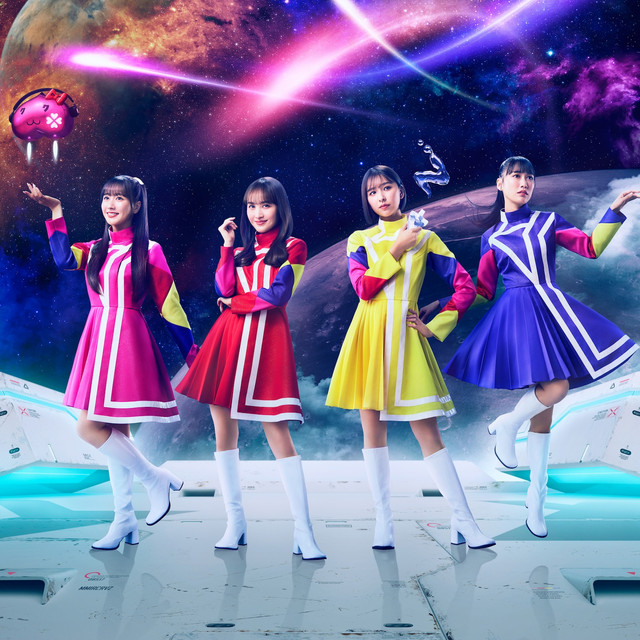
Momoiro Clover Z
Denpa-Kei
J-Pop
Idol Rock
3
/5
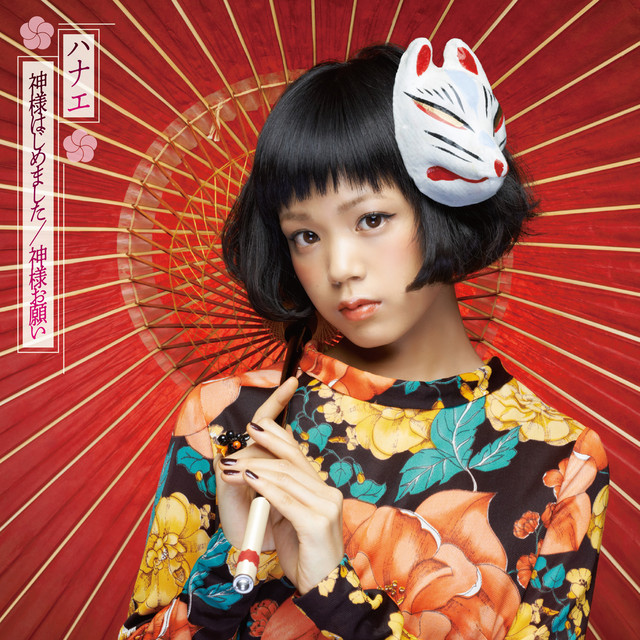
Hanae
Denpa-Kei
J-Pop
Anime
3
/5
Nanahira
Denpa
Electronic
J-Dance
3
/5
Haruka Tomatsu
Denpa-Kei
J-Pixie
Anime
Download our mobile app
Get the Melodigging app and start digging for new genres on the go
Download on the App Store
Get it on Google Play
© 2026 Melodigging
Give feedback
Legal
Melodding was created as a tribute to
Every Noise at Once
, which inspired us to help curious minds keep digging into music's ever-evolving genres.