Genres
Artists
Albums
Make Music
Sign in
Sign in
Artists
Idm
Artists
Idm
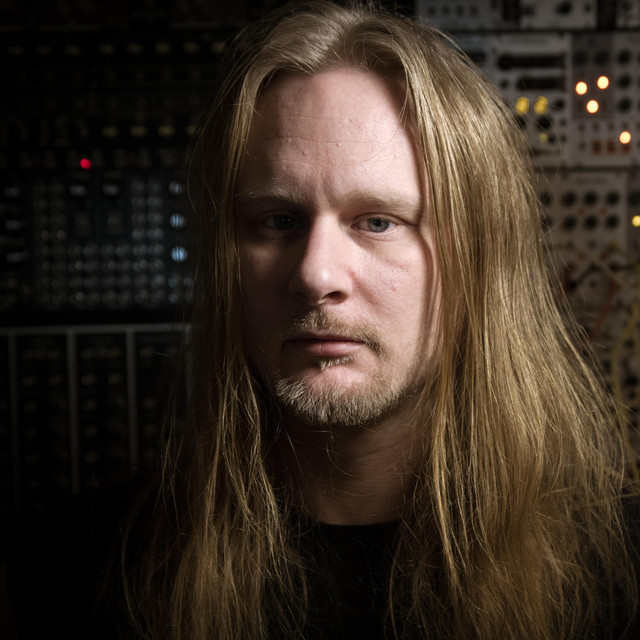
Ilkae
2001–2018
·
8 albums
Listen
2
/5
Genres
Glitch Hop
Glitch hop blends the rhythmic foundations of hip hop with the sound-design ethos of glitch and IDM. It is characterized by half-time, head-nodding grooves, intricately edited drums, and meticulous digital processing such as stutter edits, bit-crushing, time-stretch artifacts, and granular slicing. Typically sitting around 80–110 BPM (often felt in half-time), the style emphasizes heavy, syncopated bass lines, swung percussion, and detailed micro-edits that create a "broken yet groovy" feel. While largely instrumental, it often incorporates vocal chops, turntable scratches, and foley textures to add human feel and narrative color.
Discover
Listen
Idm
IDM (often expanded as "Intelligent Dance Music") is a strand of experimental electronic music that applies the sound palette and production methods of club genres to listening-focused, often home-oriented works. It favors intricate rhythm programming, unusual time signatures, and richly textured sound design, blending ambient atmospheres with techno’s pulse, electro’s syncopation, and breakbeat’s fragmentation. The music often de-emphasizes the dancefloor in favor of headphone detail, algorithmic structure, and timbral exploration. The term itself is contentious—many artists rejected the "intelligent" label—yet it became a convenient tag for the early- to mid‑1990s cluster of Warp, Rephlex, and related scenes that foregrounded complexity, abstraction, and emotional ambiguity.
Discover
Listen
Glitch
Glitch is an experimental electronic music genre that foregrounds the sounds of technological error—digital clicks, pops, clipping, buffer underruns, CD skipping, software crashes, and bit‑reduction. Rather than hiding artifacts, producers use them as primary musical material, often arranged through extreme micro‑editing and non‑linear sequencing. Texturally, glitch spans austere minimalism to warm, hazy ambience. Rhythms tend to be fragmented and asymmetrical, with sudden cuts, stutters, and silences that create tension and negative space. The palette commonly includes sine‑tone grains, granular clouds, filtered noise, and hyper‑detailed percussive fragments, sometimes sitting over subdued drones or dub‑inflected low end. The style emerged in the late 1990s around labels such as Mille Plateaux, influenced by IDM, minimal techno, and the aesthetics of failure in digital media. It later permeated pop and beat‑driven styles through sound‑design techniques that evoke imperfection and transience.
Discover
Listen
Downtempo
Downtempo is a mellow, groove-oriented branch of electronic music characterized by slower tempos, plush textures, and a focus on atmosphere over dancefloor intensity. Typical tempos range from about 60–110 BPM, with swung or laid-back rhythms, dub-informed basslines, and warm, jazz-tinged harmonies. Stylistically, it blends the spaciousness of ambient, the head-nodding rhythms of hip hop and breakbeat, and the cosmopolitan smoothness of lounge and acid jazz. Producers often use sampled drums, Rhodes or Wurlitzer electric pianos, guitar licks with delay, and field recordings to create intimate, cinematic soundscapes. The mood spans from soulful and romantic to introspective and dusk-lit, making it a staple of after-hours listening, cafes, and relaxed club back rooms.
Discover
Listen
Tracker Music
Tracker music is music composed with tracker software, a pattern-based, sample-oriented sequencer that displays notes in vertical columns and steps through them row by row. Composers arrange short audio samples (often 8-bit/16-bit) into patterns, apply command-based effects (such as arpeggio, vibrato, portamento, and volume slides), and chain patterns via an order list to form a complete piece. Emerging from the Amiga and PC demoscenes, tracker music encompasses a wide aesthetic range: from chiptune-like bleeps and crunchy breakbeats to ambient modules and high-energy rave and hardcore. Characteristic traits include tight, staccato phrasing, rapid arpeggios simulating chords, lo‑fi sample color, and creative use of limited polyphony/channels. Common module formats include MOD, XM, IT, and S3M, and classic tools include ProTracker, FastTracker II, Impulse Tracker, and their modern descendants such as OpenMPT, MilkyTracker, and Renoise.
Discover
Listen
Sequencer & Tracker
Sequencer & tracker is a computer-music meta-genre centered on pattern-based composition using step sequencers and sample-based trackers (e.g., Ultimate Soundtracker, ProTracker, FastTracker II, Scream Tracker, Impulse Tracker, Renoise). It emphasizes vertical, grid-driven writing with short samples, limited channels, and hexadecimal effect commands. Compositions are stored as modules (.MOD, .S3M, .XM, .IT) that bundle patterns and samples, enabling small file sizes and platform portability. The aesthetic spans from 8/16‑bit microcomputer timbres to more modern, high‑fidelity sample and VST workflows. Historically tied to the demoscene and game audio, the style covers diverse substyles—electro, techno, jungle/breakbeat, ambient, chip—and is characterized by tight quantization, looped sample instruments, and clever tricks (e.g., arpeggio commands) to simulate harmony and motion under technical constraints.
Discover
Listen
Bit Music
Bit music is a broad term for music built around the sound and constraints of low bit‑depth digital audio, early sound chips, and primitive computer/console hardware. It foregrounds square and pulse waves, noise channels, simple PCM, and the characteristic artifacts of bit‑crushing and low sample rates. While closely related to chiptune, bit music emphasizes the sonic signature of "the bit" itself: 1‑bit beeper techniques, 4/8/16‑bit sample playback, and tracker-based sequencing that exploits extremely limited polyphony and memory. The result is a bright, pixelated timbre that celebrates computational austerity through clever composition tricks, rapid arpeggios, duty‑cycle modulation, and noise percussion.
Discover
Listen
Dark Ambient
Dark ambient is a post‑industrial subgenre that coalesced in the mid‑1980s, drawing primarily on ambient music but shifting its focus toward ominous, subterranean space and timbre. It is characterized by long, low‑frequency drones; dissonant or microtonal overtones; and an enveloping, gloomy or catacomb‑like atmosphere. While largely electronic (synthesizers, samplers, tape and digital processing), artists frequently incorporate field recordings, contact‑mic textures, bowed metal, gongs, and fragments of traditional instruments captured with semi‑acoustic techniques and then heavily processed. Melody and pulse are minimized; instead the music emphasizes immersive sound design, psychoacoustic detail, and slowly evolving textures that evoke dread, awe, and isolation.
Discover
Listen
Ambient
Ambient is a form of electronic and electroacoustic music that prioritizes tone, atmosphere, and texture over conventional song structures and rhythmic drive. It typically features slow-moving harmonies, sustained drones, gentle timbral shifts, and extensive use of space and silence. Rather than drawing attention to itself through hooks or beats, ambient is designed to be as ignorable as it is interesting, rewarding both background listening and focused immersion. Artists often employ synthesizers, samplers, tape loops, field recordings, and subtle acoustic instruments, with reverb and delay creating a sense of place. Substyles range from luminous, consonant soundscapes to darker, more dissonant atmospheres.
Discover
Listen
Electronic
Electronic is a broad umbrella genre defined by the primary use of electronically generated or electronically processed sound. It encompasses music made with synthesizers, drum machines, samplers, computers, and studio/tape techniques, as well as electroacoustic manipulation of recorded or synthetic sources. The genre ranges from academic and experimental traditions to popular and dance-oriented forms. While its sonic palette is rooted in electricity and circuitry, its aesthetics span minimal and textural explorations, structured song forms, and beat-driven club permutations. Electronic emphasizes sound design, timbre, and studio-as-instrument practices as much as melody and harmony.
Discover
Listen
Show all 10 genres
Albums
2018
1
/5
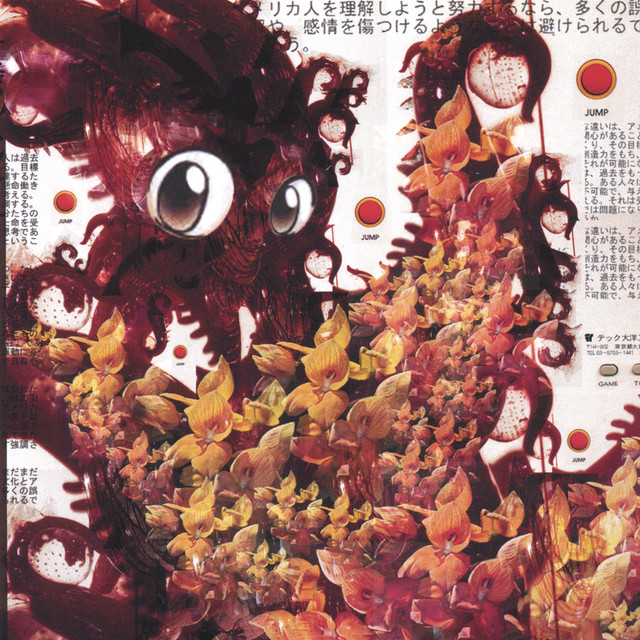
Light Industry
Ilkae
Tracker Music
Sequencer & Tracker
Bit Music
2015
1
/5
Array / Decay
Ilkae
Tracker Music
2012
1
/5
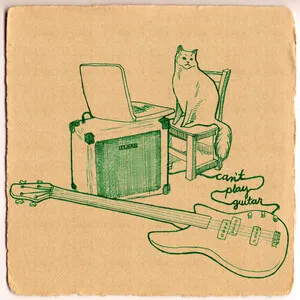
Can't Play Guitar
Ilkae
Tracker Music
2006
1
/5
Bring Extra Dragons
Ilkae
Tracker Music
Sequencer & Tracker
Bit Music
2001
2
/5
Pistachio Island
Ilkae
Tracker Music
Bit Music
Sequencer & Tracker
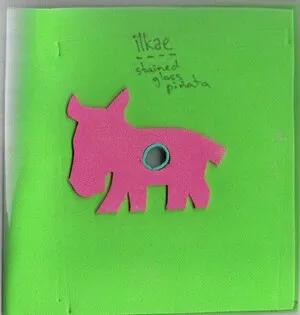
Stained Glass Piñata
Ilkae
Tracker Music
Stained Glass Piñata
Ilkae
Glitch Hop
Stained Glass Piñata
Ilkae
Sequencer & Tracker
Similar artists
1
/5
Max Tundra
Idm
Sequencer & Tracker
Tracker Music
1
/5
Bogdan Raczynski
Drill And Bass
Breakcore
Electronic
2
/5
Dubmood
Demoscene
Electronic
Demostyle
2
/5
Fearofdark
Digital Fusion
Bit Music
Chiptune
1
/5
Lackluster
Idm
Glitch
Post-Dubstep
3
/5
Green-House
Fourth World
Ambient
Spectra
1
/5
Lost Cascades
Digital Fusion
Idm
Vaporwave
2
/5
Venetian Snares
Breakcore
Drill And Bass
Electronic
Nasenbluten
Amigacore
Terrorcore
Tracker Music
1
/5
on4word
Sequencer & Tracker
Idm
Bit Music
Download our mobile app
Get the Melodigging app and start digging for new genres on the go
Download on the App Store
Get it on Google Play
© 2026 Melodigging
Give feedback
Legal
Melodding was created as a tribute to
Every Noise at Once
, which inspired us to help curious minds keep digging into music's ever-evolving genres.