Genres
Artists
Albums
Make Music
Sign in
Sign in
Artists
Breakcore
Artists
Breakcore
Venetian Snares
2001–2016
·
17 albums
Listen
2
/5
Genres
Edm
EDM (Electronic Dance Music) refers to the mainstream, festival-oriented wave of electronic dance styles that rose to global prominence in the early 2010s. It emphasizes high-energy drops, ear-catching toplines, and crowd-pleasing arrangements designed for large stages and mass audiences. Musically, EDM typically sits around 124–130 BPM with a strong four-on-the-floor kick, wide supersaw leads, bright plucks, and heavily sidechained pads and basses for a pumping feel. Tracks are structured around tension-and-release: intros and builds lead to explosive drops, followed by breakdowns that rebuild energy. Vocals and pop-style songwriting frequently appear, enabling crossover success on radio and streaming platforms.
Discover
Listen
Seapunk
Seapunk is an early-2010s internet-born microgenre and multimedia aesthetic that fuses retro-rave sonics with Y2K-era, ocean-themed visuals. Its sound blends 1990s house and trance riffs, chopped-and-screwed and vaporwave-adjacent sampling, splashy 808/909 drums, and glossy, “watery” synth textures. The visual world is as important as the music: turquoise/teal palettes, 3D chrome dolphins, coral gradients, pixel seas, and GIF-era net art. Together, these define a playful, nostalgic, and cyber-aquatic identity that celebrates both rave euphoria and web-native DIY culture.
Discover
Listen
Modern Classical
Modern classical is a contemporary strand of instrumental music that applies classical composition techniques to intimate, cinematic settings. It typically foregrounds piano and strings, is sparsely orchestrated, and embraces ambience, repetition, and timbral detail. Rather than the academic modernism of the early 20th century, modern classical as used today refers to accessible, mood-driven works that sit between classical, ambient, and film music. Felt pianos, close‑miked string quartets, tape hiss, drones, soft electronics, and minimal harmonic movement are common, producing a contemplative, emotionally direct sound that translates well to headphones, streaming playlists, and screen media.
Discover
Listen
Breakcore
Breakcore is a high-intensity electronic music genre built around hyper-edited breakbeats, extreme dynamics, and a deliberately transgressive, collage-like approach to sampling. It prioritizes rhythmic complexity, abrupt structural shifts, and heavy sound design over smooth continuity. Typical tempos range from 160 to 220 BPM (and beyond), with the Amen break, Think break, and other classic breakbeats chopped into micro-fragments, re-sequenced, and processed with distortion, compression, and glitch edits. The palette freely fuses elements from jungle and drum and bass with gabber kicks, industrial noise, classical or choral snippets, ragga vocals, metal guitar samples, and odd-meter patterns. More than a single “sound,” breakcore is a methodology: confrontational energy, maximalist editing, and anti-formalist structures that often subvert dance-music expectations. It thrives in DIY scenes, warehouse parties, and netlabel cultures, where forward-pushing experimentation and boundary-blurring sampling are central values.
Discover
Listen
Drill And Bass
Drill and bass is a hyperkinetic, experimental offshoot of drum and bass that pushes breakbeat programming to virtuosic extremes. It retains jungle and drum and bass tempos and break sources but treats them as malleable material: chopped into millisecond slices, re-sequenced into labyrinthine patterns, and processed with time-stretching, pitch-shifting, and digital artifacts. Emerging in the UK in the mid-to-late 1990s, the style overlaps with IDM in its producer-forward, studio-as-instrument mindset. Rapid, dazzling drum edits, elastic bass lines (often acidic or Reece-like), and sudden left turns in texture or meter are hallmarks. Rather than dancefloor functionality, drill and bass prioritizes audacious programming, restless variation, and an often playful, zany sense of sonic mischief.
Discover
Listen
Idm
IDM (often expanded as "Intelligent Dance Music") is a strand of experimental electronic music that applies the sound palette and production methods of club genres to listening-focused, often home-oriented works. It favors intricate rhythm programming, unusual time signatures, and richly textured sound design, blending ambient atmospheres with techno’s pulse, electro’s syncopation, and breakbeat’s fragmentation. The music often de-emphasizes the dancefloor in favor of headphone detail, algorithmic structure, and timbral exploration. The term itself is contentious—many artists rejected the "intelligent" label—yet it became a convenient tag for the early- to mid‑1990s cluster of Warp, Rephlex, and related scenes that foregrounded complexity, abstraction, and emotional ambiguity.
Discover
Listen
Braindance
Braindance is a playful, umbrella term popularized by the Rephlex Records camp (co‑founded by Aphex Twin and Grant Wilson‑Claridge) to describe a strain of adventurous electronic music that fuses the tunefulness of classic synth and acid with the rhythmic complexity of IDM and breakbeat science. Rather than a rigid genre, it’s a sensibility: hyper-detailed drum programming, rubbery 303 basslines, luminous pads, and left-field melodic twists, often delivered with a mischievous sense of humor. Braindance is club-aware yet listening-forward—designed to move the body and tickle the brain in equal measure.
Discover
Listen
Hardcore Techno
Hardcore techno is a high‑tempo, aggressively produced branch of techno characterized by distorted, punchy four‑on‑the‑floor kicks, abrasive sound design, and relentless rhythmic drive. Typical tempos range from about 160 to 190 BPM (and can go even faster in some scenes), creating an intense, physically demanding dance experience. The style emphasizes saturated 909‑style kick drums with clipped/transient "click" and long distorted tails, industrial textures, harsh stabs (including classic "hoover" tones), alarming FX, and short shouted or sampled vocals. Harmony is sparse and often minor, with dissonant intervals or horror/industrial atmospheres. The overall aesthetic is raw, dark, and functional for large rave systems, designed to evoke catharsis and high energy on the dancefloor.
Discover
Listen
Glitch
Glitch is an experimental electronic music genre that foregrounds the sounds of technological error—digital clicks, pops, clipping, buffer underruns, CD skipping, software crashes, and bit‑reduction. Rather than hiding artifacts, producers use them as primary musical material, often arranged through extreme micro‑editing and non‑linear sequencing. Texturally, glitch spans austere minimalism to warm, hazy ambience. Rhythms tend to be fragmented and asymmetrical, with sudden cuts, stutters, and silences that create tension and negative space. The palette commonly includes sine‑tone grains, granular clouds, filtered noise, and hyper‑detailed percussive fragments, sometimes sitting over subdued drones or dub‑inflected low end. The style emerged in the late 1990s around labels such as Mille Plateaux, influenced by IDM, minimal techno, and the aesthetics of failure in digital media. It later permeated pop and beat‑driven styles through sound‑design techniques that evoke imperfection and transience.
Discover
Listen
Jungle
Jungle is a UK-born electronic music style defined by rapid, chopped breakbeats, heavy sub‑bass, and a deep dialogue with Jamaican sound‑system culture. Typical tempos sit around 155–170 BPM, with intensely syncopated drum programming that flips funk and jazz breaks (especially the Amen, Think, and Apache breaks) into kinetic, polyrhythmic mosaics. Its sound palette blends dub’s bass weight and echo, reggae and dancehall vocal toasting, hip‑hop sampling aesthetics, and the rave/hardcore continuum’s rave stabs and euphoria. In contemporary usage, jungle is often grouped under the broader umbrella of drum and bass; historically it directly preceded and seeded mid‑1990s drum and bass and is frequently treated as an early substyle of DnB.
Discover
Listen
Speedcore
Speedcore is an extreme form of hardcore techno distinguished by exceedingly fast tempos—commonly 300 BPM and above—and an abrasive, aggressive sound palette. It emphasizes pounding, distorted kick drums (often from overdriven 909s), clipped transients, harsh noise textures, and confrontational sampling. Emerging in the early to mid‑1990s from European hardcore and gabber scenes, speedcore pushes rhythm and intensity beyond conventional dance‑floor boundaries. Tracks frequently feature relentless four‑on‑the‑floor kicks at double or quadruple time, interspersed with breakneck fills, industrial feedback, and horror or shock‑oriented samples. The style’s extremity spawned even faster micro‑styles such as splittercore and extratone.
Discover
Listen
Amigacore
Amigacore is a chiptune-adjacent, breakbeat-driven microgenre built around the unmistakable sound of the Commodore Amiga’s Paula audio chip and classic tracker workflows. It fuses the crunchy, 8-bit/low-sample-rate timbre of MOD-based music with the energy of early rave, jungle, and hardcore techno. Producers typically compose in trackers such as ProTracker or OctaMED, slicing amen breaks into 8-bit mono samples, sequencing staccato rave stabs, and using rapid effect commands (arpeggios, pitch slides, vibrato) to create chord illusions and hyperactive fills. The result is a nostalgic yet aggressive sound: lo-fi breaks, detuned stabs, gabber-weight kicks, and tight sample edits that celebrate demoscene ingenuity and early-’90s rave futurism.
Discover
Listen
Acidcore
Acidcore is a hard, fast, and abrasive strain of acid-driven dance music that fuses the squelching TB‑303 lines of acid house/acid techno with the high-impact drums, distortion, and intensity of hardcore techno and early gabber. Typically running at 150–180 BPM, acidcore foregrounds relentless 909/808‑style kick drums (often distorted), off‑beat hats, clattering rides, and gritty percussion beneath hypnotic, resonant 303 sequences. The mood leans raw, underground, and rave‑oriented, with long-form arrangements designed for free parties and warehouse floors. Where classic acid emphasizes trippy groove, acidcore pushes the sonic aggression and tempo, preserving the hypnotic acidity while amplifying the energy for late‑night peak moments.
Discover
Listen
Flashcore
Flashcore is an experimental, ultra-fast offshoot of hardcore techno that pushes tempo, sound design, and structural abstraction to extremes. Emerging from the French underground at the end of the 1990s, it rethinks the function of the kick drum and meter, often abandoning dance-floor regularity for fractal, hyper-detailed rhythmic design. Typical tracks range from 250 BPM into the 1000 BPM realm, emphasizing micro-edits, granular textures, spectral processing, and noise-inflected timbres. Rather than building around verse–chorus or steady 4/4 grooves, flashcore pieces are usually through‑composed, textural, and dynamic, borrowing ideas from IDM, noise, and electroacoustic music while retaining the intensity of speedcore and industrial hardcore. The aesthetic is cybernetic and futurist: cold, metallic palettes; atonal or cluster-based harmony; and a focus on tension, disorientation, and controlled chaos. It is both a club-born and art-forward practice, sitting at the intersection of hardcore rave culture and advanced sound art.
Discover
Listen
Industrial Hardcore
Industrial hardcore is a harsher, more mechanical branch of hardcore techno that fuses the relentless tempo and distorted kick drums of gabber with the textures, noise treatments, and dystopian atmospheres of industrial and EBM. Characterized by overdriven 909-style kicks, metallic percussion, clangorous samples, and aggressive sound design, it favors bleak timbres, dissonance, and machine-like grooves over melodic content. Compared with mainstream hardcore, it is slower to mid-fast or equally fast but darker and grittier; compared with industrial techno, it is more distorted, percussively dense, and structurally oriented toward harder drops and rave energy.
Discover
Listen
Power Noise
Power noise, also known as rhythmic noise, is a club-oriented offshoot of industrial and noise that focuses on heavily distorted, beat-driven patterns. It emphasizes pounding kick drums, clipped and bit-crushed percussion, metallic samples, and relentless repetition over traditional melody or harmony. The tempo typically ranges from 120 to 160 BPM, with grooves that alternate between strict four-on-the-floor and jagged, syncopated sequences. Producers use waveshaping, hard clipping, resonant filtering, and dynamic abuse to turn drums and noise bursts into the main musical material, resulting in a stark, physical, and hypnotically mechanized sound. While rooted in the experimental ethos of noise, power noise is designed for the dancefloor, bridging abrasive timbres with propulsive, minimalist structures.
Discover
Listen
Gabber
Gabber is a Dutch-born branch of hardcore techno characterized by extremely fast tempos, relentless 4/4 kicks, and an aggressive, distorted sound palette. It typically runs between 160–190+ BPM, features heavily overdriven 909-style kick drums that also serve as the bass, terse minor-key synth stabs (including classic "hoover" timbres), and short, shouted vocal samples or MC hype. Culturally, gabber is tied to early-’90s Rotterdam club culture, Thunderdome compilations and events, bomber jackets and trainers, and the high-energy hakken dance. The aesthetic is raw, industrial, and maximal, prioritizing impact, speed, and dancefloor intensity over harmonic complexity.
Discover
Listen
Tracker Music
Tracker music is music composed with tracker software, a pattern-based, sample-oriented sequencer that displays notes in vertical columns and steps through them row by row. Composers arrange short audio samples (often 8-bit/16-bit) into patterns, apply command-based effects (such as arpeggio, vibrato, portamento, and volume slides), and chain patterns via an order list to form a complete piece. Emerging from the Amiga and PC demoscenes, tracker music encompasses a wide aesthetic range: from chiptune-like bleeps and crunchy breakbeats to ambient modules and high-energy rave and hardcore. Characteristic traits include tight, staccato phrasing, rapid arpeggios simulating chords, lo‑fi sample color, and creative use of limited polyphony/channels. Common module formats include MOD, XM, IT, and S3M, and classic tools include ProTracker, FastTracker II, Impulse Tracker, and their modern descendants such as OpenMPT, MilkyTracker, and Renoise.
Discover
Listen
Breakbeat
Breakbeat is a broad branch of electronic music defined by its use of broken, syncopated drum patterns ("breakbeats") rather than straight four-on-the-floor rhythms. Producers typically build tracks from looped and chopped drum breaks—often sampled from vintage funk, jazz, and R&B recordings—layered with basslines, synths, and effects. As both a production technique and a stylistic umbrella, breakbeat underpins and intersects with many scenes: from old‑school hip‑hop turntablism and electro to the UK rave continuum (breakbeat hardcore, big beat, Florida breaks) and onward to garage-derived styles. While not synonymous with jungle and drum & bass, the same culture of sampling and chopping classic breaks (e.g., the Amen break) helped inform those genres as well.
Discover
Listen
Ambient
Ambient is a form of electronic and electroacoustic music that prioritizes tone, atmosphere, and texture over conventional song structures and rhythmic drive. It typically features slow-moving harmonies, sustained drones, gentle timbral shifts, and extensive use of space and silence. Rather than drawing attention to itself through hooks or beats, ambient is designed to be as ignorable as it is interesting, rewarding both background listening and focused immersion. Artists often employ synthesizers, samplers, tape loops, field recordings, and subtle acoustic instruments, with reverb and delay creating a sense of place. Substyles range from luminous, consonant soundscapes to darker, more dissonant atmospheres.
Discover
Listen
Electronic
Electronic is a broad umbrella genre defined by the primary use of electronically generated or electronically processed sound. It encompasses music made with synthesizers, drum machines, samplers, computers, and studio/tape techniques, as well as electroacoustic manipulation of recorded or synthetic sources. The genre ranges from academic and experimental traditions to popular and dance-oriented forms. While its sonic palette is rooted in electricity and circuitry, its aesthetics span minimal and textural explorations, structured song forms, and beat-driven club permutations. Electronic emphasizes sound design, timbre, and studio-as-instrument practices as much as melody and harmony.
Discover
Listen
Orchestral
Orchestral music refers to compositions written for an orchestra—a large ensemble typically built around a string section (violins, violas, cellos, double basses), complemented by woodwinds, brass, percussion, and often harp, keyboard, or other auxiliary instruments. A conductor coordinates the ensemble, shaping balance, phrasing, and expression. The style emphasizes coloristic timbre combinations, dynamic range from the softest pianissimo to explosive tuttis, and textures that can shift seamlessly between transparent chamber-like writing and monumental masses of sound. Orchestral writing underpins concert genres such as symphonies, overtures, and tone poems, as well as opera, ballet, and modern film and game scores. While orchestral writing evolved across centuries, its core craft centers on melody, counterpoint, harmony, register, and orchestration—the art of assigning musical ideas to instruments to achieve clarity, contrast, and narrative impact.
Discover
Listen
Show all 22 genres
Albums
2016
1
/5
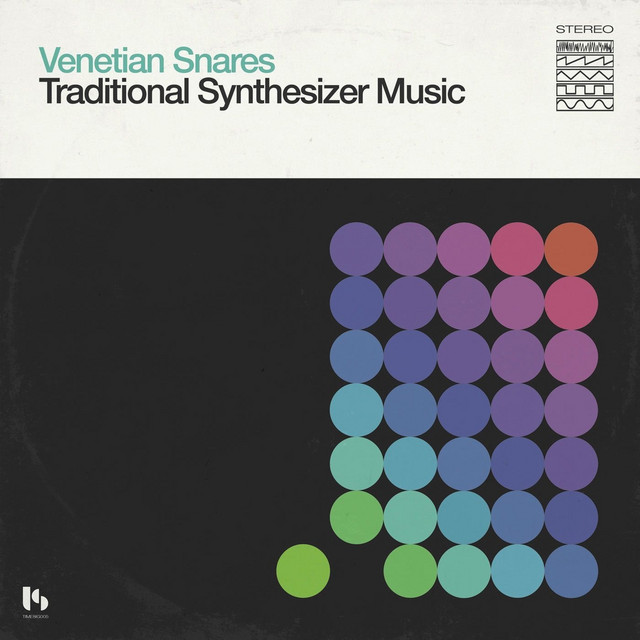
Traditional Synthesizer Music
Venetian Snares
Drill And Bass
Braindance
Breakcore
2009
1
/5
Filth
Venetian Snares
Acidcore
Breakcore
Electronic
2008
1
/5
Detrimentalist
Venetian Snares
Breakcore
Drill And Bass
Hardcore Techno
2007
1
/5
My Downfall (Original Soundtrack)
Venetian Snares
Breakcore
Electronic
Modern Classical
2006
1
/5
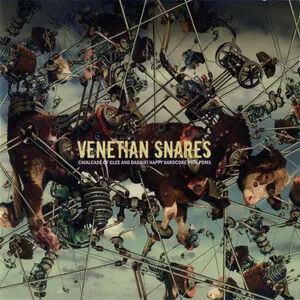
Cavalcade of Glee and Dadaist Happy Hardcore Pom Poms
Venetian Snares
Drill And Bass
Breakcore
Electronic
2005
2
/5
Rossz Csillag Alatt Született
Venetian Snares
Braindance
Breakcore
Drill And Bass
2005
2
/5
Rossz Csillag Alatt Született
Venetian Snares
Drill And Bass
Braindance
Breakcore
2005
1
/5
Rossz csillag alatt született
Venetian Snares
Breakcore
Hardcore Techno
Drill And Bass
2004
1
/5
Huge Chrome Cylinder Box Unfolding
Venetian Snares
Breakcore
Ambient
Electronic
2003
1
/5
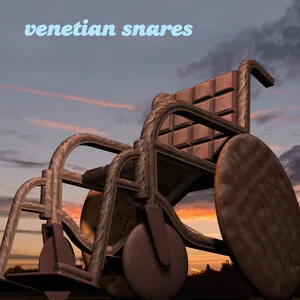
The Chocolate Wheelchair Album
Venetian Snares
Breakcore
Hardcore Techno
Electronic
2001
2
/5
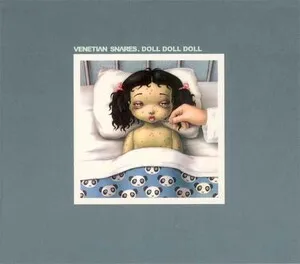
Doll Doll Doll
Venetian Snares
Breakcore
Electronic
2001
1
/5
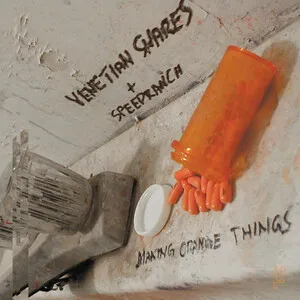
Making Orange Things
Venetian Snares & Speedranch
Industrial Hardcore
Power Noise
Breakcore
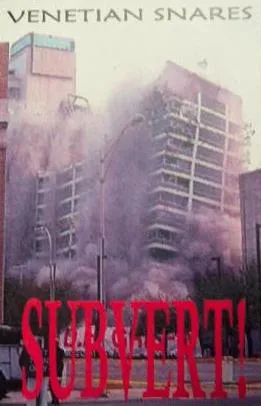
Subvert!
Venetian Snares
Tracker Music
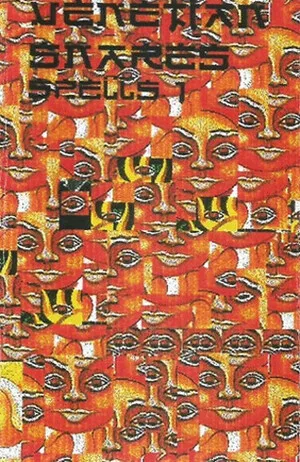
Spells 1
Venetian Snares
Tracker Music
She Began to Cry Tears of Blood Which Became Little Brick Houses When They Hit the Ground
Venetian Snares
Flashcore
Subvert!
Venetian Snares
Amigacore
Spells 1
Venetian Snares
Amigacore
Similar artists
1
/5
Bogdan Raczynski
Drill And Bass
Breakcore
Electronic
3
/5
Squarepusher
Drill And Bass
Idm
Electronic
1
/5
Various Artists
Afro-Funk
Alternative Rock
Ambient
2
/5
The Flashbulb
Breakcore
Glitch
Idm
2
/5
AFX
Drill And Bass
Braindance
Idm
2
/5
Christoph De Babalon
Breakcore
Dark Ambient
Drill And Bass
1
/5
Xanopticon
Flashcore
Breakcore
Idm
2
/5
µ-Ziq
Experimental
Idm
Breakcore
1
/5
DJ Hidden
Breakcore
Drum And Bass
Darkstep
2
/5
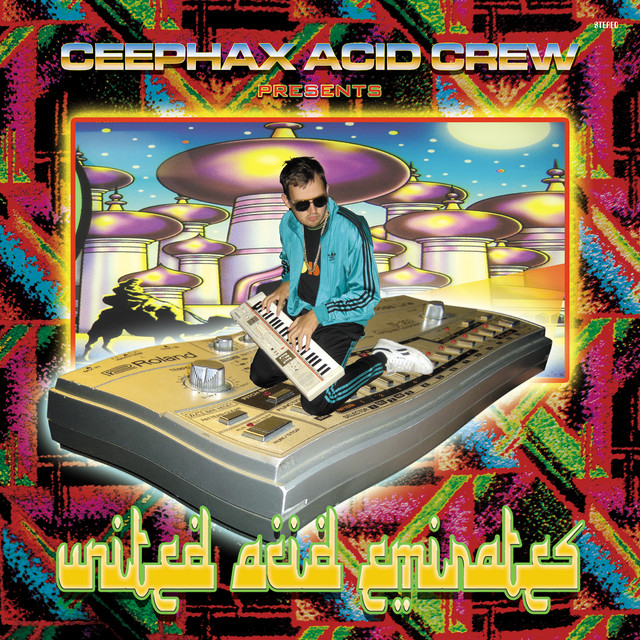
Ceephax Acid Crew
Acid Techno
Acid Idm
Acid House
Download our mobile app
Get the Melodigging app and start digging for new genres on the go
Download on the App Store
Get it on Google Play
© 2026 Melodigging
Give feedback
Legal
Melodding was created as a tribute to
Every Noise at Once
, which inspired us to help curious minds keep digging into music's ever-evolving genres.