Genres
Artists
Albums
Make Music
Sign in
Sign in
Artists
Flashcore
Artists
Flashcore
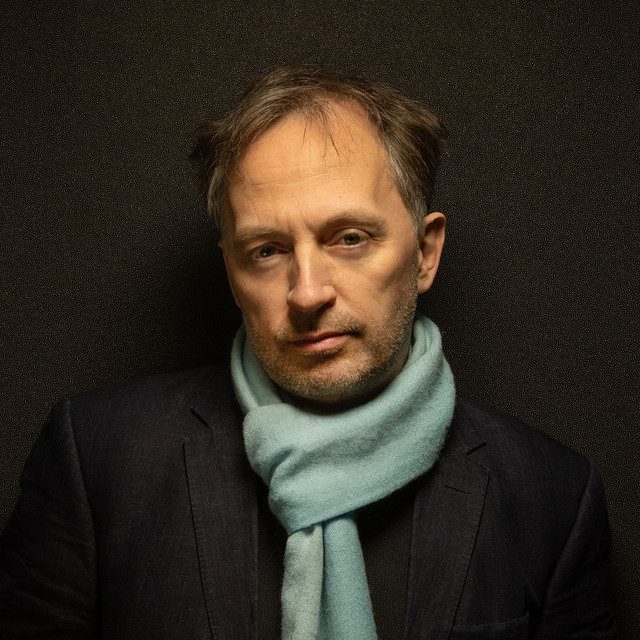
Xanopticon
2001–2006
·
3 albums
Listen
1
/5
Genres
Glitchbreak
Glitchbreak is a late‑2010s, internet‑native microgenre that blends atmospheric drum‑and‑bass and jungle breakbeats with the abrasive, error‑as‑a‑texture ethos of glitch. Tracks typically deploy chopped Amen/Think breaks, granular or buffer‑stutter edits, bitcrushing, and timestretch artifacts under moody pads and wistful melodies. Compared with classic breakcore, the tempo and editing are often less manic, leaning toward a melancholic, introspective vibe tied to anime/Y2K net‑aesthetics and glitch art.
Discover
Listen
Flashcore
Flashcore is an experimental, ultra-fast offshoot of hardcore techno that pushes tempo, sound design, and structural abstraction to extremes. Emerging from the French underground at the end of the 1990s, it rethinks the function of the kick drum and meter, often abandoning dance-floor regularity for fractal, hyper-detailed rhythmic design. Typical tracks range from 250 BPM into the 1000 BPM realm, emphasizing micro-edits, granular textures, spectral processing, and noise-inflected timbres. Rather than building around verse–chorus or steady 4/4 grooves, flashcore pieces are usually through‑composed, textural, and dynamic, borrowing ideas from IDM, noise, and electroacoustic music while retaining the intensity of speedcore and industrial hardcore. The aesthetic is cybernetic and futurist: cold, metallic palettes; atonal or cluster-based harmony; and a focus on tension, disorientation, and controlled chaos. It is both a club-born and art-forward practice, sitting at the intersection of hardcore rave culture and advanced sound art.
Discover
Listen
Breakcore
Breakcore is a high-intensity electronic music genre built around hyper-edited breakbeats, extreme dynamics, and a deliberately transgressive, collage-like approach to sampling. It prioritizes rhythmic complexity, abrupt structural shifts, and heavy sound design over smooth continuity. Typical tempos range from 160 to 220 BPM (and beyond), with the Amen break, Think break, and other classic breakbeats chopped into micro-fragments, re-sequenced, and processed with distortion, compression, and glitch edits. The palette freely fuses elements from jungle and drum and bass with gabber kicks, industrial noise, classical or choral snippets, ragga vocals, metal guitar samples, and odd-meter patterns. More than a single “sound,” breakcore is a methodology: confrontational energy, maximalist editing, and anti-formalist structures that often subvert dance-music expectations. It thrives in DIY scenes, warehouse parties, and netlabel cultures, where forward-pushing experimentation and boundary-blurring sampling are central values.
Discover
Listen
Idm
IDM (often expanded as "Intelligent Dance Music") is a strand of experimental electronic music that applies the sound palette and production methods of club genres to listening-focused, often home-oriented works. It favors intricate rhythm programming, unusual time signatures, and richly textured sound design, blending ambient atmospheres with techno’s pulse, electro’s syncopation, and breakbeat’s fragmentation. The music often de-emphasizes the dancefloor in favor of headphone detail, algorithmic structure, and timbral exploration. The term itself is contentious—many artists rejected the "intelligent" label—yet it became a convenient tag for the early- to mid‑1990s cluster of Warp, Rephlex, and related scenes that foregrounded complexity, abstraction, and emotional ambiguity.
Discover
Listen
Speedcore
Speedcore is an extreme form of hardcore techno distinguished by exceedingly fast tempos—commonly 300 BPM and above—and an abrasive, aggressive sound palette. It emphasizes pounding, distorted kick drums (often from overdriven 909s), clipped transients, harsh noise textures, and confrontational sampling. Emerging in the early to mid‑1990s from European hardcore and gabber scenes, speedcore pushes rhythm and intensity beyond conventional dance‑floor boundaries. Tracks frequently feature relentless four‑on‑the‑floor kicks at double or quadruple time, interspersed with breakneck fills, industrial feedback, and horror or shock‑oriented samples. The style’s extremity spawned even faster micro‑styles such as splittercore and extratone.
Discover
Listen
Hardcore Techno
Hardcore techno is a high‑tempo, aggressively produced branch of techno characterized by distorted, punchy four‑on‑the‑floor kicks, abrasive sound design, and relentless rhythmic drive. Typical tempos range from about 160 to 190 BPM (and can go even faster in some scenes), creating an intense, physically demanding dance experience. The style emphasizes saturated 909‑style kick drums with clipped/transient "click" and long distorted tails, industrial textures, harsh stabs (including classic "hoover" tones), alarming FX, and short shouted or sampled vocals. Harmony is sparse and often minor, with dissonant intervals or horror/industrial atmospheres. The overall aesthetic is raw, dark, and functional for large rave systems, designed to evoke catharsis and high energy on the dancefloor.
Discover
Listen
Industrial
Industrial is an experimental electronic music tradition that uses abrasive timbres, mechanical rhythms, and transgressive aesthetics. Its sound palette often includes distorted drum machines, tape loops, metallic percussion, feedback, and found-object recordings alongside synthesizers and samplers. Emerging from late-1970s UK underground art and performance scenes, industrial foregrounds themes of dehumanization, technology, surveillance, and power. Releases frequently embrace anti-commercial presentation, stark graphic design, and confrontational performance art, treating the studio as a laboratory for sonic manipulation rather than a vehicle for conventional songcraft. While early industrial emphasized noise, tape processing, and avant-garde collage, later waves fused the style with dancefloor precision (EBM), rock and metal heft, and club-oriented production, giving rise to a broad post-industrial family that remains influential in experimental, electronic, and popular music.
Discover
Listen
Electronic
Electronic is a broad umbrella genre defined by the primary use of electronically generated or electronically processed sound. It encompasses music made with synthesizers, drum machines, samplers, computers, and studio/tape techniques, as well as electroacoustic manipulation of recorded or synthetic sources. The genre ranges from academic and experimental traditions to popular and dance-oriented forms. While its sonic palette is rooted in electricity and circuitry, its aesthetics span minimal and textural explorations, structured song forms, and beat-driven club permutations. Electronic emphasizes sound design, timbre, and studio-as-instrument practices as much as melody and harmony.
Discover
Listen
Show all 8 genres
Albums
2006
1
/5
Psicicite
Xanopticon
Flashcore
2003
2
/5
Liminal Space
Xanopticon
Flashcore
Breakcore
Hardcore Techno
2001
1
/5
Meme Mage
Xanopticon
Flashcore
Electronic
Idm
Similar artists
2
/5
Venetian Snares
Breakcore
Drill And Bass
Electronic
1
/5
Dev/Null
Breakcore
Jungle
Breakbeat
2
/5
Bong-Ra
Breakcore
Jungle
Electronic
1
/5
Shitmat
Jungle
Mashcore
Breakbeat
1
/5
Sickboy
Breakcore
Gabber
Hardcore Techno
1
/5
Zathaalgor
Flashcore
Breakcore
Electronic
3
/5
Squarepusher
Drill And Bass
Idm
Electronic
2
/5
The Flashbulb
Breakcore
Glitch
Idm
1
/5
Richard Devine
Flashcore
Electronic
Idm
1
/5
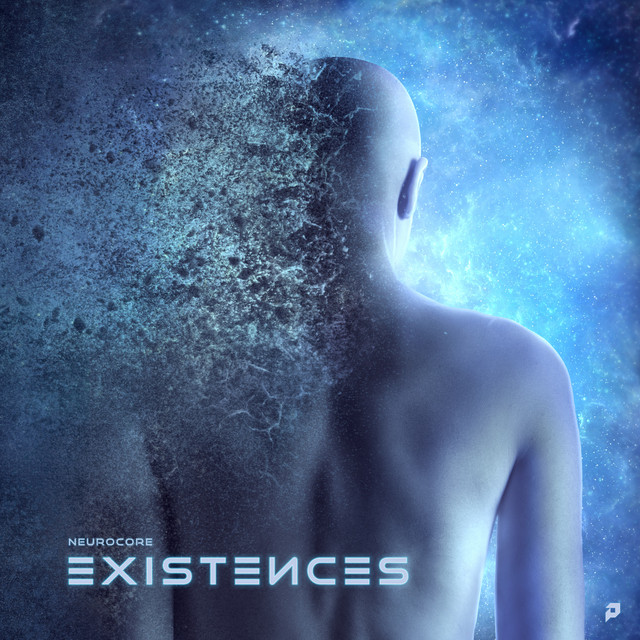
Neurocore
Flashcore
Ambient
Electronic
Download our mobile app
Get the Melodigging app and start digging for new genres on the go
Download on the App Store
Get it on Google Play
© 2026 Melodigging
Give feedback
Legal
Melodding was created as a tribute to
Every Noise at Once
, which inspired us to help curious minds keep digging into music's ever-evolving genres.