Genres
Artists
Albums
Make Music
Sign in
Sign in
Artists
Flashcore
Artists
Flashcore
Zathaalgor
2020–2023
·
2 albums
Listen
1
/5
Genres
Flashcore
Flashcore is an experimental, ultra-fast offshoot of hardcore techno that pushes tempo, sound design, and structural abstraction to extremes. Emerging from the French underground at the end of the 1990s, it rethinks the function of the kick drum and meter, often abandoning dance-floor regularity for fractal, hyper-detailed rhythmic design. Typical tracks range from 250 BPM into the 1000 BPM realm, emphasizing micro-edits, granular textures, spectral processing, and noise-inflected timbres. Rather than building around verse–chorus or steady 4/4 grooves, flashcore pieces are usually through‑composed, textural, and dynamic, borrowing ideas from IDM, noise, and electroacoustic music while retaining the intensity of speedcore and industrial hardcore. The aesthetic is cybernetic and futurist: cold, metallic palettes; atonal or cluster-based harmony; and a focus on tension, disorientation, and controlled chaos. It is both a club-born and art-forward practice, sitting at the intersection of hardcore rave culture and advanced sound art.
Discover
Listen
Breakcore
Breakcore is a high-intensity electronic music genre built around hyper-edited breakbeats, extreme dynamics, and a deliberately transgressive, collage-like approach to sampling. It prioritizes rhythmic complexity, abrupt structural shifts, and heavy sound design over smooth continuity. Typical tempos range from 160 to 220 BPM (and beyond), with the Amen break, Think break, and other classic breakbeats chopped into micro-fragments, re-sequenced, and processed with distortion, compression, and glitch edits. The palette freely fuses elements from jungle and drum and bass with gabber kicks, industrial noise, classical or choral snippets, ragga vocals, metal guitar samples, and odd-meter patterns. More than a single “sound,” breakcore is a methodology: confrontational energy, maximalist editing, and anti-formalist structures that often subvert dance-music expectations. It thrives in DIY scenes, warehouse parties, and netlabel cultures, where forward-pushing experimentation and boundary-blurring sampling are central values.
Discover
Listen
Idm
IDM (often expanded as "Intelligent Dance Music") is a strand of experimental electronic music that applies the sound palette and production methods of club genres to listening-focused, often home-oriented works. It favors intricate rhythm programming, unusual time signatures, and richly textured sound design, blending ambient atmospheres with techno’s pulse, electro’s syncopation, and breakbeat’s fragmentation. The music often de-emphasizes the dancefloor in favor of headphone detail, algorithmic structure, and timbral exploration. The term itself is contentious—many artists rejected the "intelligent" label—yet it became a convenient tag for the early- to mid‑1990s cluster of Warp, Rephlex, and related scenes that foregrounded complexity, abstraction, and emotional ambiguity.
Discover
Listen
Hardstyle
Hardstyle is a high-energy form of electronic dance music built around a hard, four‑on‑the‑floor kick, tempos around 150 BPM, and a signature "reverse bass" that drives the groove. Sound design centers on heavily distorted, layered kicks that are pitched melodically, alongside harsh screeches and bright supersaw leads. Emerging at the turn of the millennium from the Netherlands with parallel scenes in Belgium and Italy, hardstyle fuses elements of techno, new beat, and hardcore/gabber with the euphoric breakdowns of trance. Over time it split into distinct currents, from euphoric, melody‑forward anthems to raw, industrial‑edged variations that emphasize aggression and texture.
Discover
Listen
Trance
Trance is a form of electronic dance music characterized by steady four-on-the-floor beats, long build‑ups and breakdowns, and euphoric, melodic progressions designed to induce a hypnotic or “trance‑like” state. Typical tempos range from about 130 to 142 BPM, with arrangements often stretching 7–10 minutes to allow DJs room for tension, release, and seamless mixing. The sound palette emphasizes shimmering pads, arpeggiated synth motifs, supersaw leads, and wide, reverberant spaces. Harmonically, trance tends to favor minor keys, modal mixture, and extended suspense before cathartic drops. Production hallmarks include sidechain compression (“pumping”), off‑beat open hi‑hats, rolling basslines, and lush delay/reverb tails. While largely instrumental, a major branch—vocal trance—features lyrical toplines and pop‑leaning structures without losing its club‑centric dynamics.
Discover
Listen
Post-Industrial
Post-industrial is an umbrella term for the diverse musical currents that evolved out of first‑wave industrial music in the early 1980s. Rather than a single sound, it describes a methodology: the recontextualization of noise, tape collage, found sound, non‑traditional percussion, and transgressive or esoteric themes into new hybrids. It commonly emphasizes textural experimentation over conventional song form, drawing on ambient drones, harsh electronics, ritualistic rhythms, and performance-art strategies. The scene grew through DIY cassette culture, mail‑art networks, and small independent labels, fostering substyles like power electronics, dark ambient, neofolk, martial industrial, and illbient. Aesthetically, post‑industrial retains industrial’s confrontational stance but disperses it into atmospheric, political, mystical, and avant‑garde directions, making it as much a way of working with sound and media as a genre label.
Discover
Listen
Ambient
Ambient is a form of electronic and electroacoustic music that prioritizes tone, atmosphere, and texture over conventional song structures and rhythmic drive. It typically features slow-moving harmonies, sustained drones, gentle timbral shifts, and extensive use of space and silence. Rather than drawing attention to itself through hooks or beats, ambient is designed to be as ignorable as it is interesting, rewarding both background listening and focused immersion. Artists often employ synthesizers, samplers, tape loops, field recordings, and subtle acoustic instruments, with reverb and delay creating a sense of place. Substyles range from luminous, consonant soundscapes to darker, more dissonant atmospheres.
Discover
Listen
Electronic
Electronic is a broad umbrella genre defined by the primary use of electronically generated or electronically processed sound. It encompasses music made with synthesizers, drum machines, samplers, computers, and studio/tape techniques, as well as electroacoustic manipulation of recorded or synthetic sources. The genre ranges from academic and experimental traditions to popular and dance-oriented forms. While its sonic palette is rooted in electricity and circuitry, its aesthetics span minimal and textural explorations, structured song forms, and beat-driven club permutations. Electronic emphasizes sound design, timbre, and studio-as-instrument practices as much as melody and harmony.
Discover
Listen
Show all 8 genres
Albums
2023
1
/5
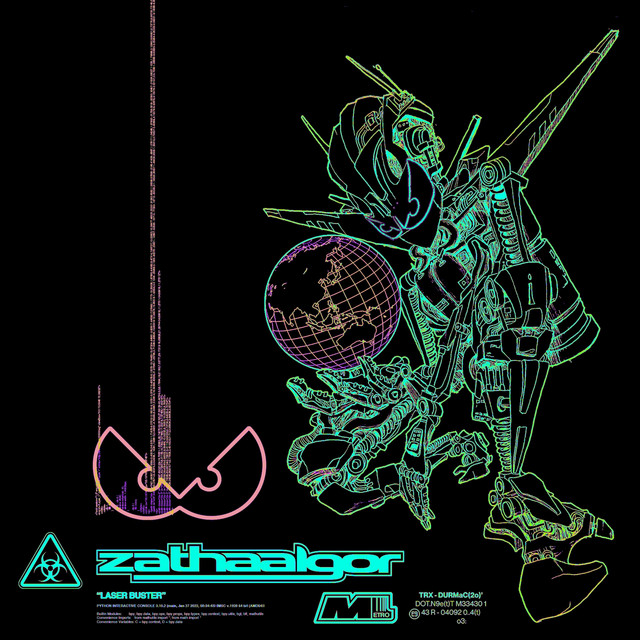
LASER BUSTER
Zathaalgor
Flashcore
2020
1
/5
Zycosm
Zathaalgor
Flashcore
Breakcore
Electronic
Similar artists
2
/5
Venetian Snares
Breakcore
Drill And Bass
Electronic
1
/5
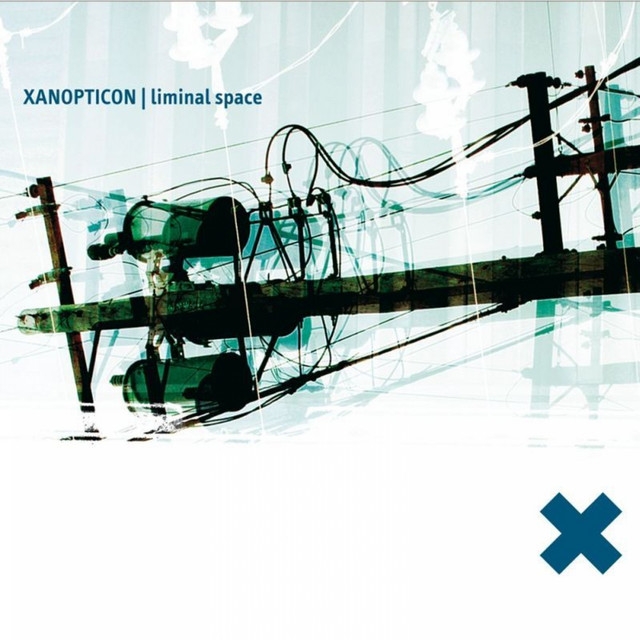
Xanopticon
Flashcore
Breakcore
Idm
1
/5
Richard Devine
Flashcore
Electronic
Idm
1
/5
Dev/Null
Breakcore
Jungle
Breakbeat
2
/5
Ceephax Acid Crew
Acid Techno
Acid Idm
Acid House
1
/5
Various Artists
Afro-Funk
Alternative Rock
Ambient
1
/5
Qebrus
Flashcore
Breakcore
Experimental
1
/5
Datach'i
Flashcore
Breakcore
Experimental
1
/5
Neurocore
Flashcore
Ambient
Electronic
3
/5
Squarepusher
Drill And Bass
Idm
Electronic
Download our mobile app
Get the Melodigging app and start digging for new genres on the go
Download on the App Store
Get it on Google Play
© 2026 Melodigging
Give feedback
Legal
Melodding was created as a tribute to
Every Noise at Once
, which inspired us to help curious minds keep digging into music's ever-evolving genres.