Genres
Artists
Albums
Make Music
Sign in
Sign in
Artists
Jungle
Artists
Jungle
Shitmat
2004–2009
·
5 albums
Listen
1
/5
Genres
Chill Breakcore
Chill breakcore is a micro-style that softens the jagged edges of classic breakcore with lush ambience, dreamy pads, and emotive melodies. It retains the genre’s telltale chopped Amen breaks, granular edits, and breakneck rhythmic vocabulary, but tempers them with downtempo moods, lo‑fi textures, and vaporous sound design. Producers often work at drum-and-bass or breakcore tempos (typically 150–175 BPM) while shaping the overall feel to be intimate, melancholic, and relaxed—sometimes even half‑time—so the beats feel intricate but weightless. The result sits somewhere between atmospheric jungle, IDM, and vaporwave: breakbeats that shimmer instead of bludgeon, and harmony that leans nostalgic rather than abrasive.
Discover
Listen
Mashcore
Mashcore is a hyperactive, sample-dense offshoot of breakcore that collides pop-culture mashups with brutally chopped breakbeats and hardcore kicks. It embraces comic juxtaposition and shock value, placing familiar acapellas, TV jingles, novelty tunes, or chart hits over blitzed Amen breaks, gabber/distorted 909 kicks, and quick-fire edits. The result is fast, chaotic, and tongue‑in‑cheek: a rave-informed, collage-heavy style that feels like a high-BPM warehouse party spliced with a pirate radio of memes and memories.
Discover
Listen
Raggacore
Raggacore is a high-velocity fusion of breakcore and ragga/dancehall aesthetics that pushes the chopped Amen break and sub-bass idioms of jungle into harsher, more chaotic territory. It typically features heavily processed breaks at 180–220 BPM, distorted kicks, rapid-fire edits, and Jamaican toasting or ragga vocal samples re-contextualized over maximalist, glitchy arrangements. Where ragga jungle emphasizes rolling grooves and dubwise warmth, raggacore accentuates rupture, distortion, and shock, channeling rave energy into a punk-like, noise-splattered intensity.
Discover
Listen
Hardcore Breaks
Hardcore breaks is a revivalist breakbeat style that recreates and updates the sound of early 1990s UK rave and breakbeat hardcore using modern production. It centers on fast chopped breakbeats, booming sub‑bass, rave stabs, pianos, and euphoric vocal snippets. Typically running around 150–165 BPM, hardcore breaks emphasizes the raw energy and sample-driven collage of the original oldskool era while benefiting from contemporary sound design and mixing techniques. Expect Amen/Think/Apache breaks, Hoover and Reese bass timbres, pitch‑shifted vocals, and hands‑in‑the‑air breakdowns designed for dancefloors. While closely related to breakbeat hardcore and jungle, hardcore breaks is characterized by a deliberate “back‑to‑’91–’93” aesthetic—keeping the rave spirit (pianos and stabs) prominent, with edits and fills that nod to both early hardcore and later jungle innovation.
Discover
Listen
Jungle
Jungle is a UK-born electronic music style defined by rapid, chopped breakbeats, heavy sub‑bass, and a deep dialogue with Jamaican sound‑system culture. Typical tempos sit around 155–170 BPM, with intensely syncopated drum programming that flips funk and jazz breaks (especially the Amen, Think, and Apache breaks) into kinetic, polyrhythmic mosaics. Its sound palette blends dub’s bass weight and echo, reggae and dancehall vocal toasting, hip‑hop sampling aesthetics, and the rave/hardcore continuum’s rave stabs and euphoria. In contemporary usage, jungle is often grouped under the broader umbrella of drum and bass; historically it directly preceded and seeded mid‑1990s drum and bass and is frequently treated as an early substyle of DnB.
Discover
Listen
Breakcore
Breakcore is a high-intensity electronic music genre built around hyper-edited breakbeats, extreme dynamics, and a deliberately transgressive, collage-like approach to sampling. It prioritizes rhythmic complexity, abrupt structural shifts, and heavy sound design over smooth continuity. Typical tempos range from 160 to 220 BPM (and beyond), with the Amen break, Think break, and other classic breakbeats chopped into micro-fragments, re-sequenced, and processed with distortion, compression, and glitch edits. The palette freely fuses elements from jungle and drum and bass with gabber kicks, industrial noise, classical or choral snippets, ragga vocals, metal guitar samples, and odd-meter patterns. More than a single “sound,” breakcore is a methodology: confrontational energy, maximalist editing, and anti-formalist structures that often subvert dance-music expectations. It thrives in DIY scenes, warehouse parties, and netlabel cultures, where forward-pushing experimentation and boundary-blurring sampling are central values.
Discover
Listen
Gabber
Gabber is a Dutch-born branch of hardcore techno characterized by extremely fast tempos, relentless 4/4 kicks, and an aggressive, distorted sound palette. It typically runs between 160–190+ BPM, features heavily overdriven 909-style kick drums that also serve as the bass, terse minor-key synth stabs (including classic "hoover" timbres), and short, shouted vocal samples or MC hype. Culturally, gabber is tied to early-’90s Rotterdam club culture, Thunderdome compilations and events, bomber jackets and trainers, and the high-energy hakken dance. The aesthetic is raw, industrial, and maximal, prioritizing impact, speed, and dancefloor intensity over harmonic complexity.
Discover
Listen
Idm
IDM (often expanded as "Intelligent Dance Music") is a strand of experimental electronic music that applies the sound palette and production methods of club genres to listening-focused, often home-oriented works. It favors intricate rhythm programming, unusual time signatures, and richly textured sound design, blending ambient atmospheres with techno’s pulse, electro’s syncopation, and breakbeat’s fragmentation. The music often de-emphasizes the dancefloor in favor of headphone detail, algorithmic structure, and timbral exploration. The term itself is contentious—many artists rejected the "intelligent" label—yet it became a convenient tag for the early- to mid‑1990s cluster of Warp, Rephlex, and related scenes that foregrounded complexity, abstraction, and emotional ambiguity.
Discover
Listen
Speedcore
Speedcore is an extreme form of hardcore techno distinguished by exceedingly fast tempos—commonly 300 BPM and above—and an abrasive, aggressive sound palette. It emphasizes pounding, distorted kick drums (often from overdriven 909s), clipped transients, harsh noise textures, and confrontational sampling. Emerging in the early to mid‑1990s from European hardcore and gabber scenes, speedcore pushes rhythm and intensity beyond conventional dance‑floor boundaries. Tracks frequently feature relentless four‑on‑the‑floor kicks at double or quadruple time, interspersed with breakneck fills, industrial feedback, and horror or shock‑oriented samples. The style’s extremity spawned even faster micro‑styles such as splittercore and extratone.
Discover
Listen
Breakbeat Hardcore
Breakbeat hardcore is an early-1990s UK rave style that fuses hip hop-derived breakbeats with the tempo, intensity, and synth aesthetics of acid house and early techno. Typically between 140–155 BPM, it emphasizes chopped and layered drum breaks, booming sub-bass, pitch-shifted or timestretched vocals, and euphoric rave stabs. Signature sounds include the Amen/Think/Apache breaks, hoover leads from the Roland Alpha Juno, Korg M1 house pianos, orchestral hits, airhorns, and crowd‑pleasing sampled hooks. The music was designed for all-night warehouse parties and pirate radio, foregrounding ecstatic breakdowns and explosive drops that captured the hedonistic energy of the UK rave era.
Discover
Listen
Breakbeat
Breakbeat is a broad branch of electronic music defined by its use of broken, syncopated drum patterns ("breakbeats") rather than straight four-on-the-floor rhythms. Producers typically build tracks from looped and chopped drum breaks—often sampled from vintage funk, jazz, and R&B recordings—layered with basslines, synths, and effects. As both a production technique and a stylistic umbrella, breakbeat underpins and intersects with many scenes: from old‑school hip‑hop turntablism and electro to the UK rave continuum (breakbeat hardcore, big beat, Florida breaks) and onward to garage-derived styles. While not synonymous with jungle and drum & bass, the same culture of sampling and chopping classic breaks (e.g., the Amen break) helped inform those genres as well.
Discover
Listen
Electronic
Electronic is a broad umbrella genre defined by the primary use of electronically generated or electronically processed sound. It encompasses music made with synthesizers, drum machines, samplers, computers, and studio/tape techniques, as well as electroacoustic manipulation of recorded or synthetic sources. The genre ranges from academic and experimental traditions to popular and dance-oriented forms. While its sonic palette is rooted in electricity and circuitry, its aesthetics span minimal and textural explorations, structured song forms, and beat-driven club permutations. Electronic emphasizes sound design, timbre, and studio-as-instrument practices as much as melody and harmony.
Discover
Listen
Show all 12 genres
Albums
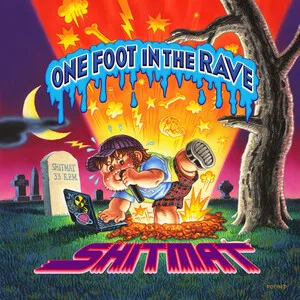
2009
1
/5
One Foot in the Rave
Shitmat
Jungle
Hardcore Breaks
Breakbeat Hardcore
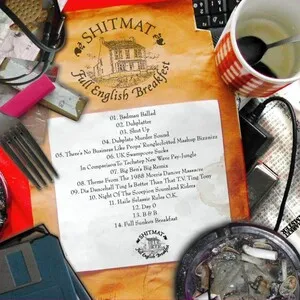
2004
1
/5
Full English Breakfest
Shitmat
Mashcore
Electronic
Jungle
2004
1
/5
Killababylonkutz
Shitmat
Raggacore
Mashcore
Breakcore
Roughneck Rarities
Shitmat
Raggacore
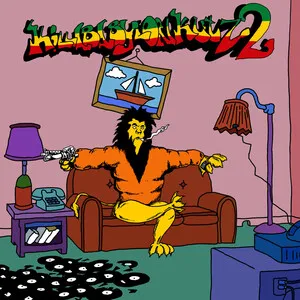
Killababylonkutz 2
Shitmat
Raggacore
Similar artists
2
/5
FFF
Raggacore
Breakbeat
Breakcore
2
/5
Enduser
Darkstep
Breakbeat
Breakcore
2
/5
bye2
Breakbeat
Jungle
Breakcore
4
/5
Machine Girl
Digital Hardcore
Breakcore
Jungle
3
/5
Zorrovian
Breakbeat
Breakcore
Jungle
2
/5
TURQUOISEDEATH
Breakbeat
Breakcore
Jungle
3
/5
Sewerslvt
Glitchbreak
Jungle
Electronic
3
/5
Goreshit
Breakcore
Electronic
Mashcore
2
/5
Bong-Ra
Breakcore
Jungle
Electronic
2
/5
Venetian Snares
Breakcore
Drill And Bass
Electronic
Download our mobile app
Get the Melodigging app and start digging for new genres on the go
Download on the App Store
Get it on Google Play
© 2026 Melodigging
Give feedback
Legal
Melodding was created as a tribute to
Every Noise at Once
, which inspired us to help curious minds keep digging into music's ever-evolving genres.