Genres
Artists
Albums
Make Music
Sign in
Sign in
Artists
Breakcore
Artists
Breakcore
Goreshit
2010–2022
·
23 albums
Listen
3
/5
Genres
Gamecore
Gamecore is an internet-native electronic microgenre that fuses the timbres, melodies, and narrative tropes of classic and modern video game music with contemporary EDM songcraft. Its palette leans heavily on chiptune waveforms (square, triangle, noise), retro console/arcade sound effects, and leitmotif-style hooks, but frames them within club-forward rhythms and sound design drawn from electro house, future bass, glitch hop, dubstep, and drum & bass. The result is a bright, kinetic, and often nostalgic sound that feels like a “boss battle” drop or a euphoric level clear. Scenes and labels tied to VGM remix culture, doujin circles, and demoscene aesthetics helped codify the style, while streamers, esports content, and indie game culture amplified its reach.
Discover
Listen
Gaming Edm
Gaming EDM is a bright, hook‑driven branch of electronic dance music tailored for online gaming, streaming, and creator culture. It blends festival‑ready drops and sidechained supersaws with melodic, video‑game–friendly timbres (arpeggiated leads, chip/8‑bit flourishes) and clean royalty-friendly production that sits well under voice chat or commentary. The songs are typically concise, high‑energy, and instantly catchy, engineered to loop well on streams and to sync to highlight reels and esports content.
Discover
Listen
Hyperpop
Hyperpop is an internet-native pop movement known for its maximalist sound design, pitch-shifted vocals, and frenetic genre collisions. It exaggerates pop tropes—ultra-bright synths, hard-clipping drums, sugary hooks—then smashes them together with elements of club music, trap, and experimental electronica. The style favors hyper-synthetic timbres, extreme processing (auto‑tune, formant shifting, heavy sidechaining, distortion), and abrupt structural left turns. Lyrically, it swings between irreverent internet humor and disarmingly sincere confessions, often reflecting online identity, queerness, and hyper-modern life. Although diverse, the common thread is a playful, self-aware push of pop to surreal, high-saturation extremes.
Discover
Listen
Modern Jungle
Modern jungle is a contemporary revival and development of early‑to‑mid 1990s jungle that combines classic breakbeat science with today’s production standards. Producers retain the genre’s signature rapid‑fire chopped breaks (most famously the Amen, Think, and Apache breaks), sub‑heavy basslines, and dubwise sample culture, but render them with cleaner low‑end, wider stereo imaging, and precise digital edits. Typically running between 160–170 BPM, modern jungle balances nostalgia for pirate‑radio energy and rave euphoria with forward‑looking ideas. It freely borrows from footwork and juke’s 160 BPM momentum, folds in dub and dancehall vocal snippets, and often pairs rugged drums with dreamy pads or ambient textures. The result is music that can feel both vintage and futuristic—raw, rolling, and eminently dance‑focused, yet detailed enough for close headphone listening.
Discover
Listen
Shib
Shib is an internet-born microgenre that blends lo‑fi hip hop, cloud rap, and alt‑R&B sensibilities into short, emotionally direct songs. It favors intimate vocals (sung, whispered, or half‑rapped), warm and dusty textures, and compact forms optimized for streaming and social media discovery. Typical productions feature looped guitar or piano motifs, soft trap drums, vinyl crackle or room noise, and reverbs/delays that create a late‑night, confessional atmosphere. Lyrically, shib gravitates toward nostalgia, heartbreak, and private reflection—music made to sound like messages recorded in a bedroom at 2 a.m.
Discover
Listen
Mashcore
Mashcore is a hyperactive, sample-dense offshoot of breakcore that collides pop-culture mashups with brutally chopped breakbeats and hardcore kicks. It embraces comic juxtaposition and shock value, placing familiar acapellas, TV jingles, novelty tunes, or chart hits over blitzed Amen breaks, gabber/distorted 909 kicks, and quick-fire edits. The result is fast, chaotic, and tongue‑in‑cheek: a rave-informed, collage-heavy style that feels like a high-BPM warehouse party spliced with a pirate radio of memes and memories.
Discover
Listen
Lolicore
Lolicore is an internet-native offshoot of breakcore and speedcore that collides ultra-fast, hyper-edited breakbeats with "kawaii" (cute) Japanese pop-culture aesthetics. Tracks typically feature frenetic Amen breaks, harsh distortion, sudden BPM swings, and dense sample collages of high-pitched vocals sourced from anime, denpa, or Vocaloid, often cut, timestretched, and repitched to comic or chaotic effect. The result is a deliberately maximalist, irreverent, and noisy sound that juxtaposes sweetness and sonic violence. The genre grew within netlabel and forum cultures, where DIY production, meme-driven artwork, and tongue-in-cheek titles were as central as the music itself. While musically rooted in breakcore’s editing ethos, lolicore emphasizes cute/otaku imagery, playful shock value, and fast, dance-adjacent rhythms that can veer into speedcore-level intensity.
Discover
Listen
Future Garage
Future garage is a UK-born mutation of UK garage and dubstep that pivots from peak-time club energy toward intimate, headphone-focused listening. It is defined by shuffling 2‑step drum programming (swung hi‑hats, syncopated snares, ghost kicks), deep sine/sub bass, foggy pads, and the use of pitched, chopped R&B or soul vocal fragments as texture rather than lead melody. Producers often weave in field recordings (rain, street noise, vinyl crackle), generous reverb, and subtle sound-design to evoke a nocturnal, reflective atmosphere. Typical tempos hover around 130 BPM, with grooves that imply both half‑time glide and garage shuffle, and harmony that favors minor keys, suspended chords, and slow-moving, emotive progressions.
Discover
Listen
Breakcore
Breakcore is a high-intensity electronic music genre built around hyper-edited breakbeats, extreme dynamics, and a deliberately transgressive, collage-like approach to sampling. It prioritizes rhythmic complexity, abrupt structural shifts, and heavy sound design over smooth continuity. Typical tempos range from 160 to 220 BPM (and beyond), with the Amen break, Think break, and other classic breakbeats chopped into micro-fragments, re-sequenced, and processed with distortion, compression, and glitch edits. The palette freely fuses elements from jungle and drum and bass with gabber kicks, industrial noise, classical or choral snippets, ragga vocals, metal guitar samples, and odd-meter patterns. More than a single “sound,” breakcore is a methodology: confrontational energy, maximalist editing, and anti-formalist structures that often subvert dance-music expectations. It thrives in DIY scenes, warehouse parties, and netlabel cultures, where forward-pushing experimentation and boundary-blurring sampling are central values.
Discover
Listen
Gabber
Gabber is a Dutch-born branch of hardcore techno characterized by extremely fast tempos, relentless 4/4 kicks, and an aggressive, distorted sound palette. It typically runs between 160–190+ BPM, features heavily overdriven 909-style kick drums that also serve as the bass, terse minor-key synth stabs (including classic "hoover" timbres), and short, shouted vocal samples or MC hype. Culturally, gabber is tied to early-’90s Rotterdam club culture, Thunderdome compilations and events, bomber jackets and trainers, and the high-energy hakken dance. The aesthetic is raw, industrial, and maximal, prioritizing impact, speed, and dancefloor intensity over harmonic complexity.
Discover
Listen
Speedcore
Speedcore is an extreme form of hardcore techno distinguished by exceedingly fast tempos—commonly 300 BPM and above—and an abrasive, aggressive sound palette. It emphasizes pounding, distorted kick drums (often from overdriven 909s), clipped transients, harsh noise textures, and confrontational sampling. Emerging in the early to mid‑1990s from European hardcore and gabber scenes, speedcore pushes rhythm and intensity beyond conventional dance‑floor boundaries. Tracks frequently feature relentless four‑on‑the‑floor kicks at double or quadruple time, interspersed with breakneck fills, industrial feedback, and horror or shock‑oriented samples. The style’s extremity spawned even faster micro‑styles such as splittercore and extratone.
Discover
Listen
Hardcore Techno
Hardcore techno is a high‑tempo, aggressively produced branch of techno characterized by distorted, punchy four‑on‑the‑floor kicks, abrasive sound design, and relentless rhythmic drive. Typical tempos range from about 160 to 190 BPM (and can go even faster in some scenes), creating an intense, physically demanding dance experience. The style emphasizes saturated 909‑style kick drums with clipped/transient "click" and long distorted tails, industrial textures, harsh stabs (including classic "hoover" tones), alarming FX, and short shouted or sampled vocals. Harmony is sparse and often minor, with dissonant intervals or horror/industrial atmospheres. The overall aesthetic is raw, dark, and functional for large rave systems, designed to evoke catharsis and high energy on the dancefloor.
Discover
Listen
Freeform Hardcore
Freeform hardcore is a high‑BPM offshoot of the UK rave/hardcore continuum that emerged in the mid‑1990s. Its name reflects a “free form” approach to songwriting: producers are not constrained by the cheerful tropes of happy hardcore or the pure brutality of gabber, and instead fuse trance‑like melodies with pounding, distorted kicks at tempos typically between 165–190 BPM. Hallmarks include epic, evolving synth leads (often supersaws), minor‑key and modal harmonies, acid lines, and dramatic breakdowns that resolve into driving drops. Compared with happy hardcore, freeform tends to be darker, more psychedelic and through‑composed, borrowing heavily from trance, hard trance and psytrance while keeping the relentless energy of hardcore techno for the dancefloor.
Discover
Listen
Jungle
Jungle is a UK-born electronic music style defined by rapid, chopped breakbeats, heavy sub‑bass, and a deep dialogue with Jamaican sound‑system culture. Typical tempos sit around 155–170 BPM, with intensely syncopated drum programming that flips funk and jazz breaks (especially the Amen, Think, and Apache breaks) into kinetic, polyrhythmic mosaics. Its sound palette blends dub’s bass weight and echo, reggae and dancehall vocal toasting, hip‑hop sampling aesthetics, and the rave/hardcore continuum’s rave stabs and euphoria. In contemporary usage, jungle is often grouped under the broader umbrella of drum and bass; historically it directly preceded and seeded mid‑1990s drum and bass and is frequently treated as an early substyle of DnB.
Discover
Listen
Darkstep
Darkstep is a sinister, aggressive strain of drum and bass that emphasizes dystopian atmospheres, heavy breakbeats, and distorted bass design. It trades the jazzy or soulful edges of earlier DnB for a colder, horror-tinged palette built from reese-style basses, detuned pads, and metallic, industrial textures. Typically clocking in around 170 BPM, darkstep tracks feature hard-hitting kicks and snares framed by chopped “Amen”-style breaks, rapid edits, and tense build‑and‑drop structures. The aesthetic draws on sci‑fi and horror cinema, cyberpunk, and post‑industrial culture, producing a claustrophobic sense of menace and momentum suited to late‑night, underground dancefloors.
Discover
Listen
Drum And Bass
Drum and bass (DnB) is a fast, rhythmically intricate form of electronic dance music centered on breakbeats at roughly 160–180 BPM and powerful, sub‑heavy basslines. It grew out of the UK’s early ’90s rave and jungle scenes, combining chopped funk breaks (most famously the Amen break), dub and reggae sound‑system aesthetics, hip‑hop sampling, and techno’s futurist sound design. Across its many substyles—liquid funk’s soulful harmonies, techstep and neurofunk’s cold, machine‑like bass engineering, jump‑up’s hooky bass riffs, atmospheric DnB’s pads and space—drum and bass remains a DJ‑oriented, dancefloor‑driven genre that prizes tight drum programming, deep low end, and precise arrangement for mixing.
Discover
Listen
Happy Hardcore
Happy hardcore is a fast, euphoric branch of the early UK rave continuum characterized by brisk tempos, 4/4 kicks, bright piano stabs, supersaw leads, and pitched-up “chipmunk” vocals. It emphasizes major-key harmony, catchy melodies, and ecstatic breakdowns, aiming for maximum uplift on the dancefloor. Compared to darker hardcore and gabber, happy hardcore favors feel-good hooks, singalong choruses, and sentimental atmospheres while retaining the relentless energy and drive of hardcore techno.
Discover
Listen
Trance
Trance is a form of electronic dance music characterized by steady four-on-the-floor beats, long build‑ups and breakdowns, and euphoric, melodic progressions designed to induce a hypnotic or “trance‑like” state. Typical tempos range from about 130 to 142 BPM, with arrangements often stretching 7–10 minutes to allow DJs room for tension, release, and seamless mixing. The sound palette emphasizes shimmering pads, arpeggiated synth motifs, supersaw leads, and wide, reverberant spaces. Harmonically, trance tends to favor minor keys, modal mixture, and extended suspense before cathartic drops. Production hallmarks include sidechain compression (“pumping”), off‑beat open hi‑hats, rolling basslines, and lush delay/reverb tails. While largely instrumental, a major branch—vocal trance—features lyrical toplines and pop‑leaning structures without losing its club‑centric dynamics.
Discover
Listen
Techno
Techno is a four-on-the-floor, machine-driven form of electronic dance music that emerged in mid-to-late 1980s Detroit. It is characterized by steady 4/4 kick drums, repetitive and hypnotic rhythmic patterns, synthetic timbres, and an emphasis on texture, groove, and forward momentum over elaborate harmony. Producers typically use drum machines, sequencers, and synthesizers to build layered percussion, pulsing basslines, and evolving motifs. While often dark and minimalistic, techno spans a wide spectrum—from soulful, futuristic Detroit aesthetics to hard, industrially tinged European strains—yet it consistently prioritizes kinetic energy for dancefloors and a sense of machine futurism.
Discover
Listen
Rave
Rave is a high-energy electronic dance music style and party culture that crystallized in the late 1980s in the United Kingdom, growing out of acid house nights and warehouse parties. Musically, it emphasizes relentless dance-floor momentum, big breakdowns and drops, bright "rave stabs" and hoover leads, chopped breakbeats or four-on-the-floor kicks, and euphoric vocal samples. While the word "rave" refers to the broader culture of all-night events, the genre tag often points to the early 1990s UK sound sometimes called hardcore rave or breakbeat hardcore: uptempo BPMs, Amen/Think breaks, 808/909 drums, M1 piano riffs, diva hooks, sirens, and airhorns. The mood ranges from ecstatic and communal to dark and intense, with DJ-friendly structures designed for long blends and peak-time rushes.
Discover
Listen
Tracker Music
Tracker music is music composed with tracker software, a pattern-based, sample-oriented sequencer that displays notes in vertical columns and steps through them row by row. Composers arrange short audio samples (often 8-bit/16-bit) into patterns, apply command-based effects (such as arpeggio, vibrato, portamento, and volume slides), and chain patterns via an order list to form a complete piece. Emerging from the Amiga and PC demoscenes, tracker music encompasses a wide aesthetic range: from chiptune-like bleeps and crunchy breakbeats to ambient modules and high-energy rave and hardcore. Characteristic traits include tight, staccato phrasing, rapid arpeggios simulating chords, lo‑fi sample color, and creative use of limited polyphony/channels. Common module formats include MOD, XM, IT, and S3M, and classic tools include ProTracker, FastTracker II, Impulse Tracker, and their modern descendants such as OpenMPT, MilkyTracker, and Renoise.
Discover
Listen
Ambient
Ambient is a form of electronic and electroacoustic music that prioritizes tone, atmosphere, and texture over conventional song structures and rhythmic drive. It typically features slow-moving harmonies, sustained drones, gentle timbral shifts, and extensive use of space and silence. Rather than drawing attention to itself through hooks or beats, ambient is designed to be as ignorable as it is interesting, rewarding both background listening and focused immersion. Artists often employ synthesizers, samplers, tape loops, field recordings, and subtle acoustic instruments, with reverb and delay creating a sense of place. Substyles range from luminous, consonant soundscapes to darker, more dissonant atmospheres.
Discover
Listen
Noise
Noise is an experimental music genre that uses non-traditional sound sources, distortion, feedback, and extreme dynamics as primary musical materials. Instead of emphasizing melody, harmony, or conventional rhythm, it focuses on texture, density, timbre, and the physical presence of sound. Practitioners sculpt saturated walls of sound, piercing feedback, metallic clatter, contact-mic scrapes, tape hiss, and electronic interference into works that can be confrontational or meditative. Performances often highlight process and immediacy—improvisation, body movement, and site-specific acoustics—while recordings can range from lo-fi cassette overload to meticulously layered studio constructions. Though rooted in early avant-garde ideas, the genre coalesced as a distinct practice in the late 1970s and 1980s, especially through Japan’s ‘Japanoise’ scene, and subsequently influenced numerous styles across industrial, punk-adjacent, and experimental electronic music.
Discover
Listen
Electronic
Electronic is a broad umbrella genre defined by the primary use of electronically generated or electronically processed sound. It encompasses music made with synthesizers, drum machines, samplers, computers, and studio/tape techniques, as well as electroacoustic manipulation of recorded or synthetic sources. The genre ranges from academic and experimental traditions to popular and dance-oriented forms. While its sonic palette is rooted in electricity and circuitry, its aesthetics span minimal and textural explorations, structured song forms, and beat-driven club permutations. Electronic emphasizes sound design, timbre, and studio-as-instrument practices as much as melody and harmony.
Discover
Listen
Show all 24 genres
Albums
2022
2
/5
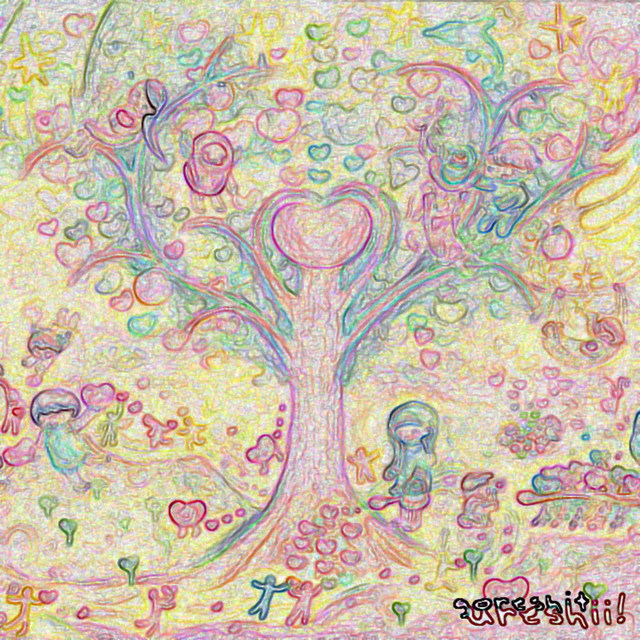
ureshii!
Goreshit
Mashcore
2020
3
/5
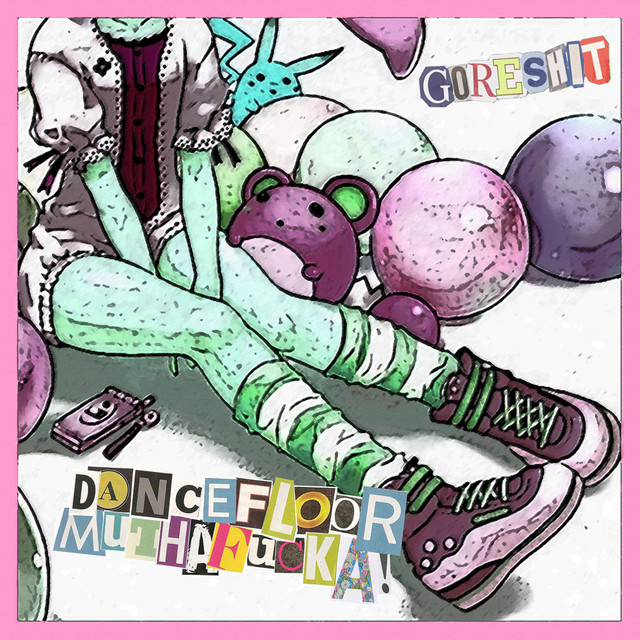
Dancefloor Degrader
goreshit
Lolicore
Mashcore
Gabber
2020
2
/5
Mlsfaw
goreshit
Breakcore
Mashcore
2019
2
/5
AP1 - Nineties Rave Retrospective Volume 7
goreshit
Tracker Music
2018
1
/5
I Hardly Knew You.
goreshit
Breakcore
2017
3
/5
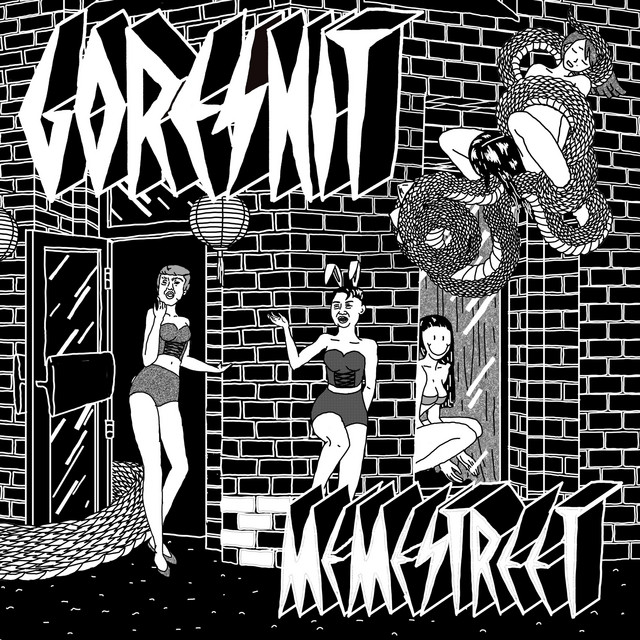
memestreet
goreshit
Mashcore
2017
3
/5
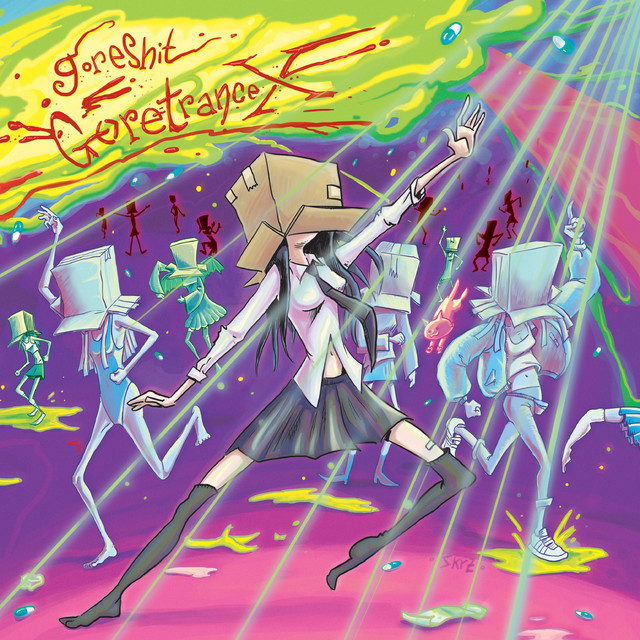
Goretrance X
goreshit
Happy Hardcore
Mashcore
Breakcore
2016
2
/5
You Get the Tracks You Deserve!
goreshit
Mashcore
Speedcore
Breakcore
2015
3
/5
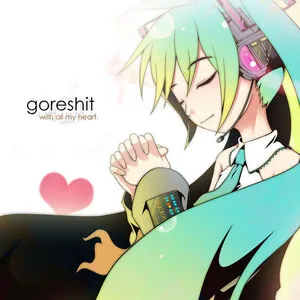
with all my heart.
goreshit
Freeform Hardcore
Ambient
Breakcore
2015
3
/5
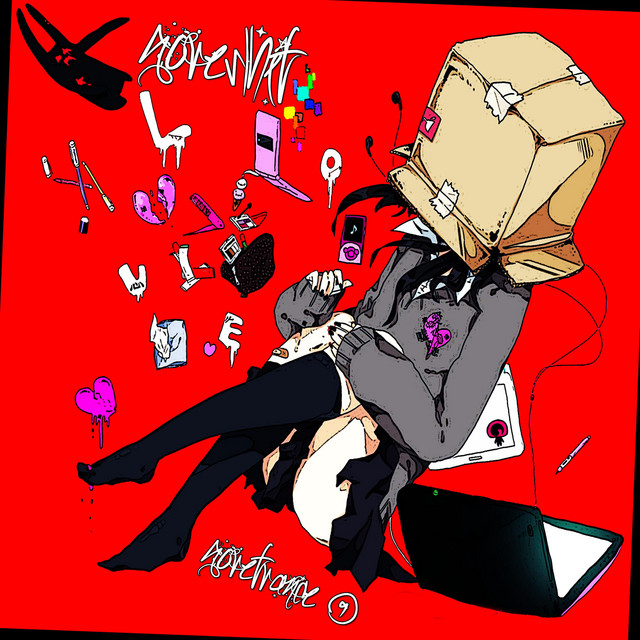
Goretrance 9
goreshit
Mashcore
Breakcore
Hardcore Techno
2015
3
/5
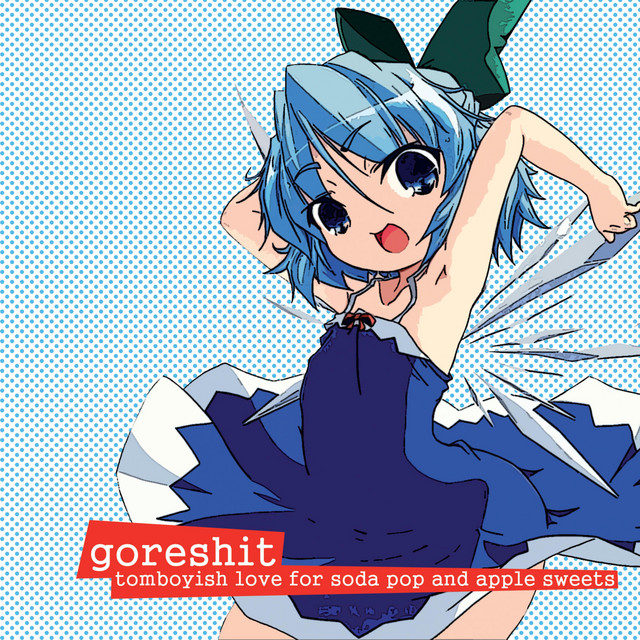
Tomboyish Love for Soda Pop and Apple Sweets (Digipak)
Goreshit
Lolicore
Mashcore
Breakcore
2015
3
/5
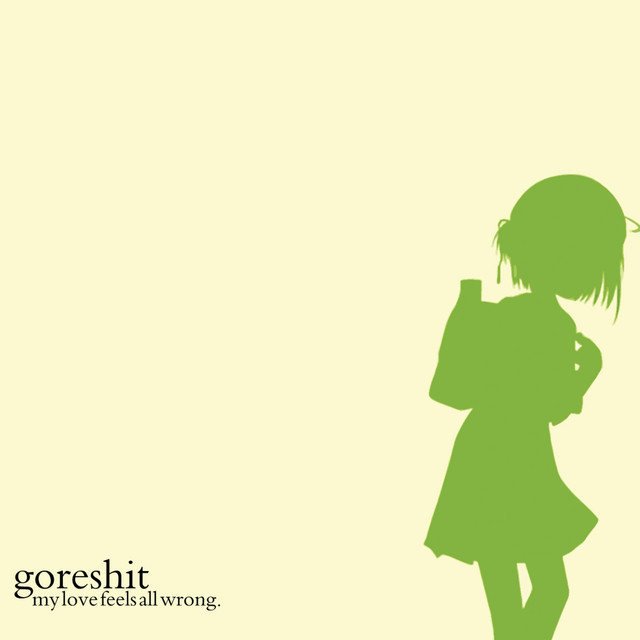
My Love Feels All Wrong.
goreshit
Lolicore
Mashcore
Breakcore
2015
2
/5
Semantics: The Benzo Chronicles
goreshit
Breakcore
Hardcore Techno
Mashcore
2014
3
/5
Copyright Infringement EP
Goreshit
Mashcore
2013
2
/5
Ministry of Shit
goreshit
Mashcore
2011
2
/5
Blue Girl on Sunday
goreshit
Lolicore
Mashcore
Ambient
2011
3
/5
gnb
Goreshit
Mashcore
Breakcore
Drum And Bass
2011
2
/5
Semantic Compositions on Death and Its Meaning
Goreshit
Mashcore
2011
1
/5
Overspecialized
goreshit
Darkstep
Breakcore
Electronic
2010
2
/5
paranoia ep
Goreshit
Mashcore
2010
2
/5
steppa
goreshit
Future Garage
Breakcore
Electronic
mainstream muthafucka!
goreshit
Freeform Hardcore
Where Is Soda Pop and Apple Sweets?
goreshit
Lolicore
Similar artists
1
/5
Shitmat
Jungle
Mashcore
Breakbeat
2
/5
MAILPUP
Mashcore
Breakcore
Gamecore
2
/5
Dj Technorch
Mashcore
Breakcore
Experimental Club Music
1
/5
Sickboy
Breakcore
Gabber
Hardcore Techno
3
/5
Rory in early 20s
Breakcore
Lolicore
Jungle
1
/5
Various Artists
Afro-Funk
Alternative Rock
Ambient
2
/5
Coakira
Speedcore
Gabber
Breakcore
2
/5
Shoebill
Breakcore
Mashcore
Speedcore
2
/5
Gynx
Mashcore
Breakcore
Gabber
1
/5
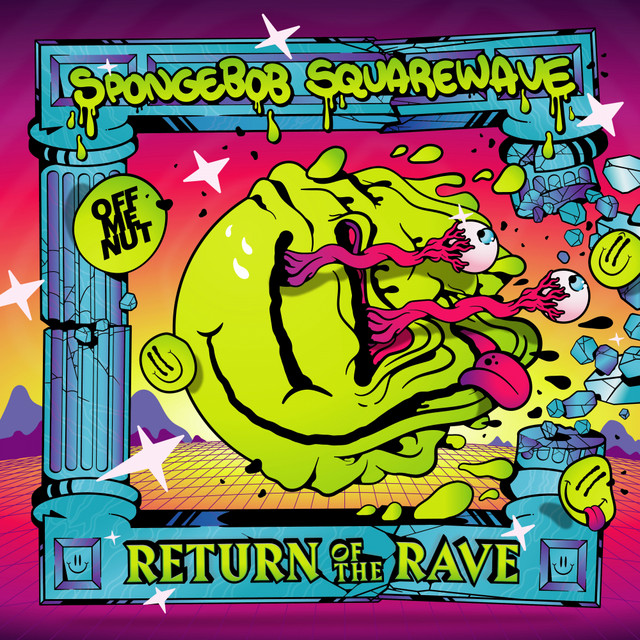
Spongebob Squarewave
Happy Hardcore
Breakcore
Mashcore
Download our mobile app
Get the Melodigging app and start digging for new genres on the go
Download on the App Store
Get it on Google Play
© 2026 Melodigging
Give feedback
Legal
Melodding was created as a tribute to
Every Noise at Once
, which inspired us to help curious minds keep digging into music's ever-evolving genres.